





Can the coronavirus inspire another Clapham Movement?
This article was originally published here by The Christian Post
— by Henry Kaestner
What if faith-driven entrepreneurs, not just in the U.S. but worldwide, went all-in to commit their creative talents and abilities to advance God’s kingdom and be the agents of change for justice, equality and eradication of poverty?
What would happen if a new Clapham-style movement weren’t limited to an influential area near London, the world’s most consequential city at the time, but a worldwide movement of faith-driven entrepreneurs — all tackling the unique problems and injustices that they’ve been called to, and working together with a singular purpose to advance God’s kingdom on earth? When you combine that idea, with the estimate that Christians manage $150 trillion dollars — over half of the world’s wealth — the potential for real change is exponential…
Click here to read the whole article
on The Christian Post website
Related articles
Featured

We fret so much about wasting precious time, when the other side of that same coin says: time is always there. Experience cannot be quantified as cleanly as results or outcomes, but that does not eliminate it’s value.

Five years ago, I applied for a new job. I quickly rose to the top of the candidate pool and got that feeling– I’m going to land this job! After multiple interviews, each better than the last, I was told that it was just a matter of final details and one last interview.

The most difficult circumstance of my life thus far — spiritually, emotionally, and in fact financially — has come through the failure of a start-up in which I was an investor.

As someone who enjoys the strategy behind building an organization and its personnel, there seems to be a common denominator in the NFL coaching carousel I have observed that can explain this phenomenon.

Someone asked me once, “Why are you afraid to fail?” I remember wading through a bunch of half sentences until I admitted, “I don’t want to fail because I’m afraid of who that means I am. Basically, my identity is at stake.”

What if God is glorified by taking us to Red Sea Moments on purpose? How do you respond as a leader when you find yourself up against the wall?

Two weeks into COVID-19, when other people were losing jobs and schools were shutting their doors to complete the school year online, God spoke to me about returning to the marketplace.

Firing and Layoffs, Trusting God in Trials, Worry and Anxiety, Women Entrepreneurs, Risk & Failure, Crisis Management
Firing and Layoffs, Trusting God in Trials, Worry and Anxiety, Women Entrepreneurs, Risk & Failure, Crisis Management
I never saw it coming. I started my business part-time in January, 2000, and I completed my MBA in September of the same year. I purchased my second new construction home. Things were going well, and I could not have been happier.

None of us, including experienced business people, have led a company in such a time as this. For over 20 years, Charlie Paparelli has been an professional angel investor and entrepreneur, co-founding 12 startups and investing in twenty-three. Read his take on where we go from here…
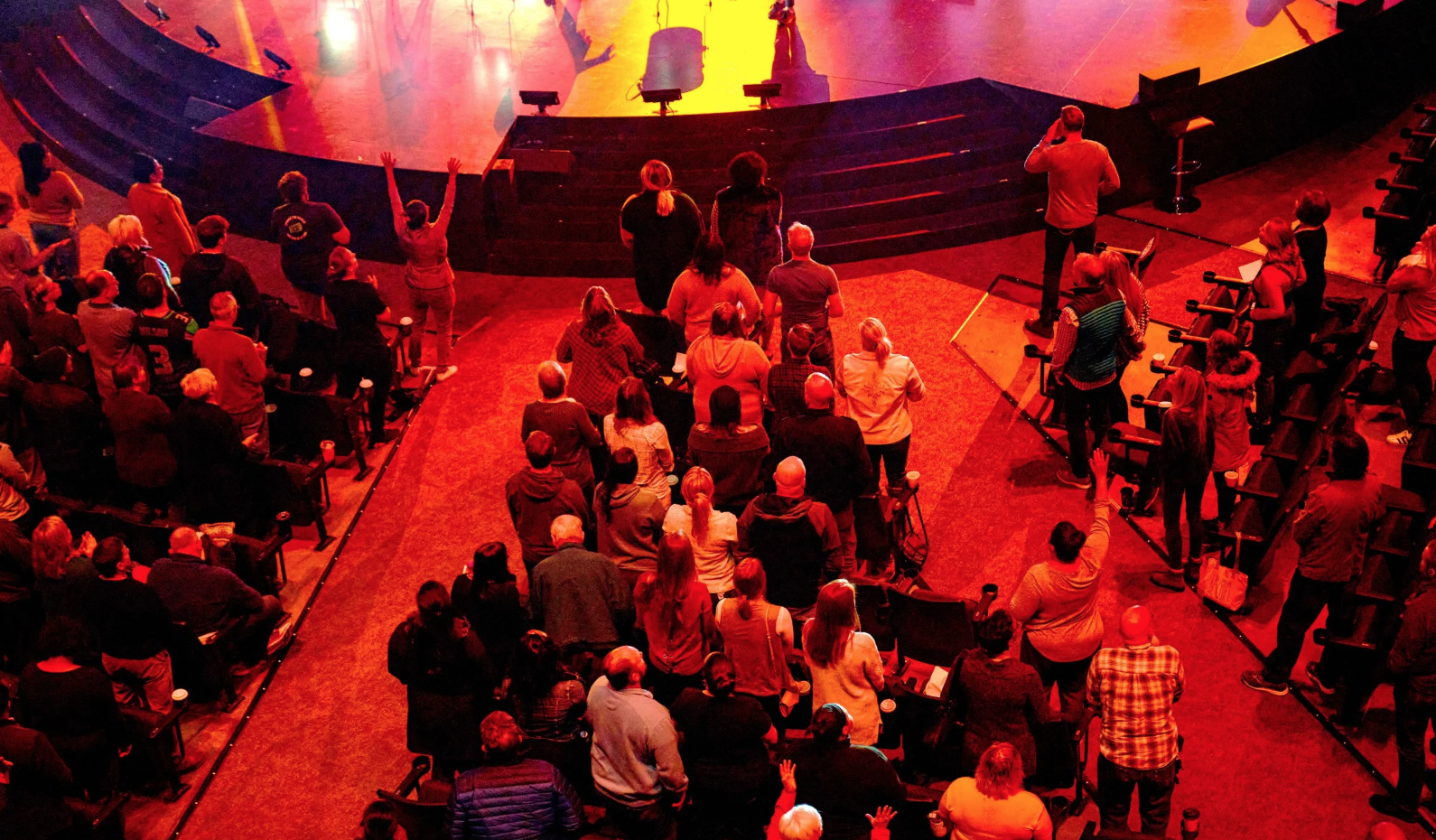
In the Midwest, Christian entrepreneurs are searching for relief from the corrosive grind of company-building—while some faith leaders preach the gospel of crushing it. There’s a hunger among entrepreneurs to redefine what it means to be successful in tech: the enduring message is that in an industry that seems by nature to demand imbalance in the lives of those who work in it, they hope to find a different way.

“In the early days of the business, we were flying. We were growing, hiring, and making a big splash… It was the Silicon Valley dream and I was one of the few, the proud, the chosen. Pride is a funny and destructive thing. But God in His incredible graciousness dashed me hard against the rocks to break this pride into pieces.”

One of the best definitions of entrepreneurship is that of Harvard Professor Howard Stevenson (1983): “the pursuit of opportunity beyond the tangible resources that you currently control”. This short yet powerful definition has three components, and each is worth deeper consideration, particularly if you are a follower of Christ.

We could go on and on about the great, meaningful work that Pete Ochs has been doing but we rather let you hear it & see it from him yourself. We want to highlight one of our Top 10 Video Stories on him: #8 JAILHOUSE BUSINESS OF GENEROSITY “To inmates, seeing someone who had a genuine desire for them to succeed changed everything.”
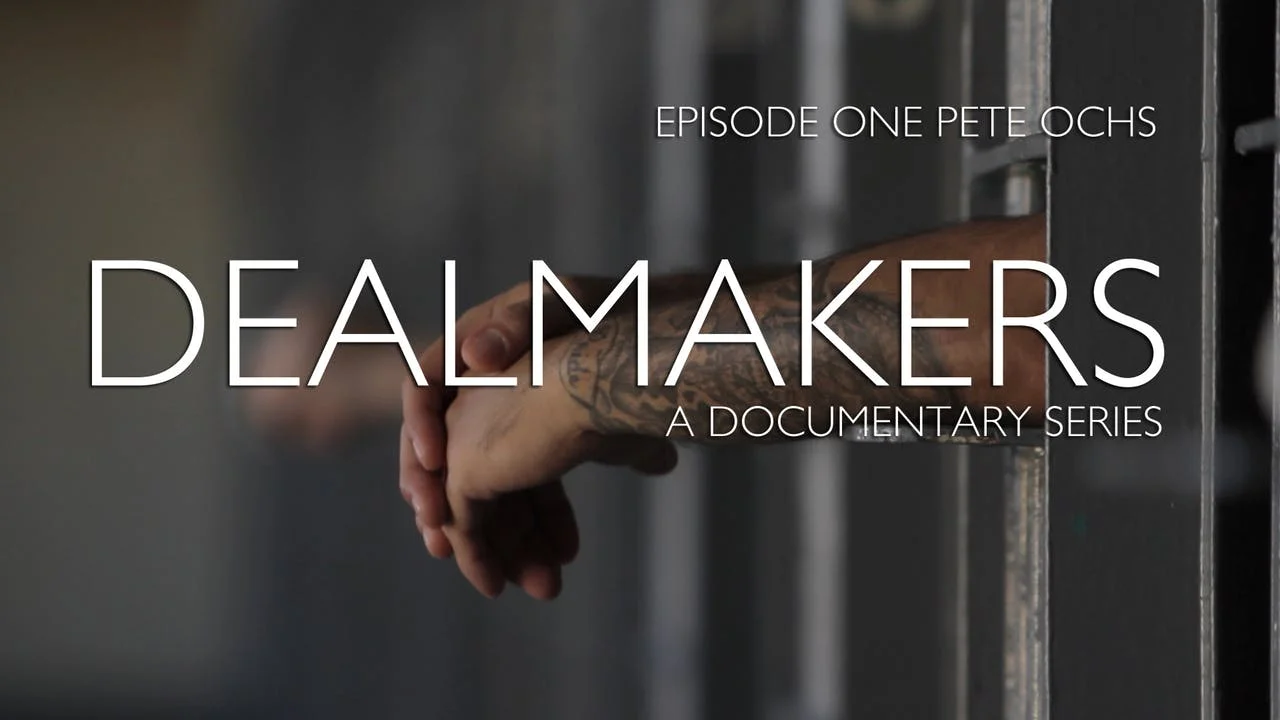
The DEALMAKERS Film Series was created to entertain, inspire and connect audiences to look at faith and work differently. Their first episode features this week’s podcast guest Pete Ochs discussing his radical idea of a triple bottom line. Watch here!

The remarkable story of one gutsy contractor’s determination to end poverty in Africa. Grant Smith is not a visionary or an enthusiastic missionary. He’s a problem solver. When confronted with the desperate problems of poverty he witnessed in Africa, he did the only thing he knew how to do–business.

For over 20 years, Charlie Paparelli has been an professional angel investor and entrepreneur, co-founding 12 startups and investing in 23. On a daily basis, he mentors 10 startup founders and advises many more. Read more about his 11 thoughts on how to see failure as an entrepreneur.a

“The liars list” are aspects of businesses (your business) that you’re probably lying to yourself about. My CEO clients weren’t lying to me. But the fact that they lied to themselves was hurting the company. Did I do that when I ran my company?

In this post, Rusty Rueff shares one of his daily devotional blog posts. “It might feel like we are stuck on a treadmill that is speeding up on us and with no way off. Today, let me be encouraging that the work we are given to do on this earthly part of our journey matters.”

An article from Eagle Venture Fund looking at the questions of decision making like “Why is do so many business opportunities fail? There must be some way to predict which opportunities will succeed and which ones will fail, right?”

Risk & Failure, Social Entrepreneurs, Financing, Business as Mission (Global), Confidence and Self Doubt
Risk & Failure, Social Entrepreneurs, Financing, Business as Mission (Global), Confidence and Self Doubt
“Kingdom success along the path of risk and failure.” – For many entrepreneurs, the possibility of startup glory — a huge payout, an early retirement, fame, acclaim, and the chance to transform how societies function — is worth the risk and the toil. And what if those momentous outcomes never come to fruition?

From time to time we leave the world of faith driven content to highlight a piece of wisdom from a secular author that has inordinate wisdom and application for you, the faith driven entrepreneur. Enjoy this great blog post from Marc Andreesen!

Each year, nearly 20 million people lose their jobs. That’s how this article opens, but don’t worry—it gets hopeful from there. Hear Matt Rusten from Made to Flourish explain the role of the church when it comes to unemployment and how community can and should play a role in helping people get back on their feet.

In a suburb north of Denver, Prime Trailer Leasing manages a fleet of gleaming white semi-trailers. Like the Hertz of semi-trucks, Prime owns and rents its trucks to commercial customers of all varieties. Wes Gardner, the founder and owner of Prime, acknowledges that “semi trailers aren’t glamorous,” but the work his company is doing is anything but mundane.

How much can you take? Jon Kontz shares “A sense of calling helps to weather the storms of startup life, but for risk takers like me, it can be hard to tell the difference between calling and another great idea.”
In Part Two with Chip Ingram, CEO of Living on the Edge, we continue the discussion on faith and entrepreneurship from this Pastor to Entrepreneurs. Topics include ways on keeping church relevant to the entrepreneur’s life, to how to handle failures and ways to handle power and influence righteously.
——
[ Photo by marc liu on Unsplash ]














































































Risk & Failure, Leadership
Risk & Failure, Leadership
“Hurt is going to happen.” With those five words, I was reminded once again of why we so separately need Jesus. We’re all going to fail. And sometimes, it’ll be big. And every time it will hurt.
Read More →
Risk & Failure, Leadership