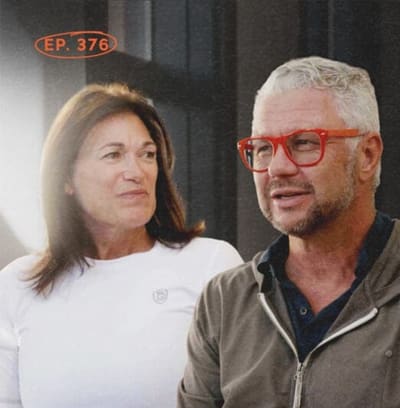
Episode 198 – Winners & Learners with Torii Hunter
What many people may not know is that equal to his achievements on the field, Torii is just as proud of his growing portfolio of investments. And yet business is much like baseball—Torii has failed more than he has succeeded. His strikeouts have taught him there are no losers in life, just winners and learners.
All opinions expressed on this podcast, including the team and guests, are solely their opinions. Host and guests may maintain positions in the companies and securities discussed. This podcast is for informational purposes only and should not be relied upon as specific advice for any individual or organization.
Episode Transcript
Transcription is done by an AI software. While technology is an incredible tool to automate this process, there will be misspellings and typos that might accompany it. Please keep that in mind as you work through it.
Rusty Rueff: Hey, everyone. Welcome back to the Faith Driven Entrepreneur podcast. Thanks for finding us once again this week during a stellar 23 year career playing Major League Baseball. Torii Hunter was named to five All-Star teams, won nine consecutive Gold Glove awards as a center fielder and hit his way to two Silver Slugger awards. What many people may not know is that equal to his achievements on the field, Torey is just as proud of his growing portfolio of investments, and yet business is much like baseball. Tory has failed more than he has succeeded. His strikeouts have taught him. There are no losers in life, just winners and learners. That conversation is up next on the Faith Driven Entrepreneur podcast.
William Norvell: Welcome back to the Faith Driven Entrepreneur. We have an amazing day to day, actually. For me personally, this is one of my favorite days because unbeknownst to our guest, our guest anchored my fantasy team for the better part of 2002 to 2010. Because he was one of the few people in baseball that you could count on. You weren’t going to get a blank. He was going to pull something off. He was going to get a walk in a stolen base. You know, it might be over five, but there were still stats. And if you don’t play fantasy baseball, they matter. And those daily match ups where you get blanks across the board. That’s how you lose. And our guest today, Torii Hunter, just made sure I didn’t lose, and that was big to me. And then he was gracious to me a second time. And if you’ve watched our conference last year, Torey was just blessed us greatly by having us in to his maker’s gym, which we’re going to get into in a little bit and talk about, you know, Faith Driven Entrepreneur ship and how he’s trying to impact entrepreneurs in his area and so many different places. And so from baseball to entrepreneurship. Torii Hunter, we are glad to have you here today.
Torii Hunter: Oh man. Thanks for having me, man. I hope I didn’t destroy your fantasy team. You know, I tried to help my team win, too. And just, you know, I’m glad you was able to ride the coattails.
William Norvell: That’s what I did. Hey, that’s that’s the theme of my life. I do it well
Torii Hunter: as coach Barry. You know, just going out there and playing every day, man, everybody will come to me before the game. They help my fantasy team win up and really trying to help this team win right now. So we’ll see what happens. If I help this team win, then I can help you as well. So I have to focus on that one thing at a
William Norvell: time that had to be better for your contract because my fantasy league did not pay well.
Torii Hunter: Oh yeah, yeah, you guys didn’t pay that well. Now I think they’re playing pretty good right now and not now.
William Norvell: Now my team still doesn’t pay well and I know Henry case. There’s just dying to jump in because we do not have a bigger baseball fan on our podcast host set up than Henry Gassner.
Torii Hunter: Hey, Henry, what’s up?
Speaker 4: All right. It’s great to see you again. Thank you very much for being willing to share with our audience. And what William is alluding to is the fact that, yes, I’m a huge baseball card collector and there’s a point in time in my life that I knew every single baseball player that was playing. And it’s been a while. You know, we moved to North Carolina and it didn’t have a professional team, but I grew up in Baltimore and was a huge Baltimore Orioles fan and moved in New York, and I probably could tell you the name of every player that played in 1977 1978. I’m dating myself a bit, but I still have all of their baseball cards, and it’s like a history lesson or just it’s all. It’s like time travel. Just holding in a 1977 Topps brings me back. Did you collect baseball cards?
Torii Hunter: Oh, no, I did not. I got into baseball. I really got into professional baseball. I did when I was younger. My uncle has some cards and you know, I will see guys like Bobby Ball and Terry Pendleton and different things like that on on baseball cards that, yeah, and I really didn’t collect them until I got into pro ball, started to nose Harmon Killebrew and wow, my letters and different things like that Tony Oliva breakthrough. And once I got to know those guys, man, I really started collecting and getting their autographs, autographed bats and different things like that, and I try to keep them in my little game room right here. And so that’s pretty cool, man. Just to get to see the history behind everything. But just to talk about Baltimore a little bit. Yeah. Ripken, yeah. My first major league hit was in Baltimore at Camden Yards and 1998, and I was on first base after I got the hits. Right still aren’t the roads and they threw the ball in because it was my first hit and Cal Ripken got it. And he said, Congratulations, throw it in. And then several years later, I’m in centerfield in the Metrodome. In Cal Ripken Jr., Rs 3000 hit up the middle and hit the centerfield, and I got the ball and I looked at it and I say, congratulations, I put it in my pocket. He was like, No, no, no, bring it back, you know? And so, yeah, it was just a great moment. I got my first major league hit three or four years later. Here’s Cal Ripken getting his 3000 hit to me. So it was for me the sentimental, you know, and it’s something that I can always sell my grandkids and tell other kids, you know, whenever I’m talking to other kids, other groups and I tell them what their story and they go, Wow, OK, who’s Cal Ripken, though?
Speaker 4: Oh, man, oh, man, oh, man. Don’t say that. That’s the big companies out there. Murray Hunter,
Torii Hunter: at least now, for more decades now, they’re doing that. They just Google searches. Are you OK? You know? You know, I guess I was OK.
Henry Kaestner: Well, the difference between me and Utah in baseball card collecting is there’s no baseball card here that I could put my autograph on and like, earn like $100 in a nanosecond. That’s the difference in the way that you and I can collect. But there may even be somebody out there that is not a baseball fan, and there is so much to get from this episode and Tory and his faith. And yes, being a just an incredible athlete with grit and perseverance. Twenty three hundred games now, right? It’s up there. It’s Ripken s talking about Cal Ripken.
Torii Hunter: I don’t know how many games I play a lot, but it was a lot. It was a lot in twenty years, three years. Yeah, that’s a long season. A lot of man, that’s a whole lot of at bats, a lot of running. I still feel like, you know, I got a four pack, not a six pack now, but I got a four pack for the wifey. But, you know, just putting those mouths on your legs, man, you feel like, you know, when you retire, it’s going to get worse. I actually feel like I’m better because I’m not running anymore and my body’s healing. I’m still working out. My legs feel great. You know, while I was playing and I was in my mid 30s, I can still be walking up the stairs. My butt cheeks were like up things like because things
Henry Kaestner: that had never been said before and a Faith Driven Entrepreneur podcast right there.
Torii Hunter: It’s just a muscle, you know? Yeah, yeah, yeah, of course. Yeah. And you know, as I now know, I’m forty something for twenty four.
Henry Kaestner: Why stop it? Did you feel better? And you’re looking great?
Torii Hunter: I feel great. I feel great. I’m playing golf. I’m doing a very active. I have to plan all those years, man. And you know, I’ve seen some guys have hip surgery. I seen them these stars. But I’ve been very blessed to keep myself in shape and don’t get the massage and do all the little things. I can try to maintain this tempo I have.
Henry Kaestner: Yeah, absolutely. So baseball player with grit and I’m going to I’m going to get into that in a second because I think that they’re great lessons when you’ve had such perseverance over so many at bats. The lessons there for Faith Driven Entrepreneur, what we can impact that. And then of course, the other thing is you’ve been a Faith Driven Investor as well. We talked about that just a little bit on the conference. We can talk more about that here in a second, but let’s go back and then also want if we’ve got time, I’d love to talk about mentorship. Marcus Stroud, one of my favorite people to be ventures, counts you as being such an incredible influence in his life. And now he’s off being one of the great Faith Driven Investor is out there in this new generation and just super excited to get to know him be a part of his fun and then know the influence you’ve had in his life. But let’s go back to what I was just alluding to there a second ago. You’ve shown over a long career and it’s twenty three hundred, but you’ve been playing baseball for a long time before that too. As an entrepreneur now with Maker’s Jam, with the barbecue company, with the other real estate investments that you’re doing, what are the lessons that you think apply and perseverance from a long career and what doesn’t?
Torii Hunter: Man, you know, for me, I think baseball is life. Life is baseball, you know, and you know, all the lessons I’ve learned in baseball as far as failures and striking out. And you have setbacks and you’ve got to have a setback and you have to prepare for a comeback because if you don’t prepare for the comeback, then you don’t always have setbacks and then you’ve gone home. Right? So just all the adjustments you have to make. You know, you got one enemy out there. He has to is just like you. He’s human, but he’s trying to get you out, you know, and I’m trying to hit him out. He’s trying to find my weaknesses. I’m trying to find his weaknesses. But if we don’t focus on our weaknesses, if I look for your weaknesses and go after that. So it’s a lot of things and you got the umpire and you got the catch you have to fight. I think like three, you know, same apples, you got the adversary out there. We don’t see him, but he’s there, right? And then you got life and then you’ve got your own worst enemy, which is you. Your enemy is your enemy. So you’re fighting a lot of different things in the world, in life, and you find a lot of different things in baseball as well. And so when you’re out there competing, you know, sometimes you don’t fail, you know, and you have to make sure in baseball you go sit on a bench for two minutes, figure out what the enemy tried to do to you and you make that adjustment just like that. You don’t wait till the next day. You don’t wait till the next week. You actually make that adjustment before your next at bat. You can sit, ponder, make adjustments, figure out what he’s doing. And that’s what we have to do. Same thing happens in entrepreneurship. Same thing happens in marriage. Same thing happens in friendships. Not to make those adjustments. You don’t let people hurt you the same way they hurt you before you make adjustments. But you can keep their relationship and stay in the game and you just you manage them different. So if I have someone a kid, one of my son’s teammates, no one knows them. But she actually took a game from his room, right? And I could have said. You know what? I’m not going to deal with him anymore. Don’t come over here. We’ll never, never see you again. But instead, I don’t allow him to come over here and meet him at a coffee shop and mentor him that way. And he’s actually he’s gotten better. But it’s not because of me, it’s just he seeks it out. But I took him out of an environment where he might take one of the video games again and put him in an environment where, you know, there’s no temptation and he can listen to me. So I started learning these different things, just like in baseball. The same way, you know, you have some guys on the team that don’t perform or they stay out late and they come into the clubhouse late and you try to, you know, instead of scolding them and you investigate, what the hell are you doing about it? I guys would go off like that. So I would put them to the side, like, hey, and talk to them about life. You have two kids, you have a wife, you know, different things like that and give them perspective and they look at it and go, I never thought about that. You know, you have to come represent more than just the game of baseball. You represent more than just the Minnesota twins. You represent that last name on your back, you represent your community, you represent your kids, and you give them something to look at as perspective of the wider lens as opposed to just, you know, scolding them, going off and never giving them a while. And because if they showed up late and they stayed out late and they come, try to play a game and not perform, and it’s a reason why they don’t know. So we have to give them some words of encouragement and some wisdom.
William Norvell: Oh, I love that story. I love that. And you know, I want to ask you a question. This one’s been on my mind for a long time, and I’ve never got to ask it to professional baseball player. I think there’s so much so entrepreneurship, right? A lot of our entrepreneurs listening to a lot of their businesses aren’t going to work. I mean, that is just facts and data. Right? I mean, we don’t have to think too hard about it. If you start a business, the data says the odds are against you, right? Right. And in baseball, I’m curious of the mindset because it’s this to be a multi time All-Star. You succeed three out of 10 times at the plate and you know that walking up, you know that when you’re six years old, when you’re 10 years old and then when you’re in the professionals, batting 280 to 300 makes you an All-Star. And so every time you go up there, you know that there is a 70 percent chance in that moment you won’t succeed what you’re walking up to the plate to do. But I’m curious, what is that mindset? How do you how do you think through that? Because I feel like our entrepreneurs and in from a faith angle to, you know, have to go out on this journey and say, I know the odds are stacked against me when I start, but I’m still going to pursue it with everything I got, and I’m going to take each moment like I’m going to succeed. Even though the odds are against me. I’m curious how you thought through that through your career
Henry Kaestner: while you’re at it or you own a riff. How that impacts your life because you’ve had quite a career as an entrepreneur. You’ve going to have to have played a bunch of Americans, and so not just as a baseball player, but, you know, talk about some of the times you get up to the plate is not, nor I know some of those stories. Let’s let the audience in to translate that from baseball, that mindset. But then also some of the adversity you’ve faced at play as an entrepreneur.
Torii Hunter: Yeah, definitely, man. Just just as a baseball player, you know, I always say baseball is like life, as baseball, as a baseball player to you. You go to the minor league system, you know, you’re making seven of them. This is off the field right now. You make it $700 a month. In some instances, you’re the only one that really speaks English. And I have five roommates and they’re from another country and you’re like, Wow, I thought I would be with some other Americans when I left is 17 years old, coming from Pine Bluff, Arkansas. You didn’t know what to expect. And when I got there, you know, my roommate from Venezuela or Dominican, and they never they didn’t speak English, so I had to learn how to communicate with them. I had two years of Spanish and they told me my Spanish was corporate, so they didn’t. They didn’t really speak that way. So it’s more like a slang when they speak. And so I had to learn the slang, and I had to learn their dialect and different things like that. And then I helped them with English and I will order their food and different things like that at the restaurants. So just having that whole dynamic 17-year-old, you go on you thinking that you, you made it, it’s going to be great. It’s going to be a lot of stars. Nope, that’s not going to happen. You got to pay bills. You 17, learn how to write checks you 70. You got to go to the grocery store to pay the water bill member. You have to do that. We have to walk to the grocery store and pay the water bill and different things like that. But then you get on the field. You know, me coming from high school, I hit five hundred, so I fell five times, you know, but I never fail seven out of 10 times. I never fail eight out of 10 times because that’s what happens. Why are you on your journey in the minor leagues? You’re failing, you know, eight out of 10 times and you work your way to seven out of 10, and that’s when you become great. Right? So just for me, I couldn’t accept failure. It was very upsetting. I was struck out. I was so like, Man, what’s going on? But you forget, just like this. Torii Hunter was from Pine Bluff, Arkansas. There’s a Torii Hunter from Compton, California, and as a Torii Hunter in Chicago, as a Torii Hunter in New York, they all come together. You have to face these guys just like you and you think you’re good where you are until you get to the same point where all the guys come together and then you’re competing against them, they’re actually pretty good where they’re from. So I had a lot of failures along the way that I did not expect. I thought I was going to learn a little bit and destroy, right, because I was so good in our public, Arkansas. So I have to humble myself and also try to make those adjustments and figure out how to make those adjustments. The only way I did that was by talking to venture guys guys older, me wiser than me, not older, because some people are not wise, even when they’re older. I had to go and learn things. Kirby Puckett from the Marty Dover’s from Rajkummar and Paul Moeller had to learn from those guys and see what they did to make the adjustments. They gave me secrets in the game, a guy who’s tipping his pitches, his players, his glove for a change up, and I’m like, Oh, I see that the guy flairs. I know he’s going to change up and he can’t throw strikes with it. So I take it. We call it, spit on it, right? I’ll take the pitch. And then he’s one ball, two balls and no strikes. And I put him in a hole where he has to throw a fastball two balls and strikes so he won’t go into an account to homer. And this little secrets like that you get from veterans, you don’t get from people your age. So now let’s go on to entrepreneurship. You know, I had a lot of coffees right for me to get started. I went to coffees with people in New York and Chicago and all the doors that were open for me, you know, playing baseball, the game of baseball. It has put me in rooms. I should be in right? I should’ve never been in those rooms and I was able to get in those rooms. So I took these guys for coffee and they gave me books to read. They gave me a little things to take masterclasses with. So I had my first book was twenty four and it was called Crushing It and I was apartment complexes and whatever now and I’m reading it. And then they gave me another book called Thinking Grow Risk. They gave me another book called Richest Man in Babylon, and I start reading these on the plane, you know, flight from L.A. all the way to Boston or L.A. to Tampa, back to L.A. So every time they gave me a book, I just read it on a plane and I actually got better. But every time I got a book, I actually read it and then tried to apply it and digest it. But only when you were going to really get this going is by experience. So I bought my first property in 2004 in South Lake, Texas, Westlake, Texas, and it was a property. I wanted to live there, but I didn’t want to live there. My wife wanted to live there. Then she realized she didn’t want to live there. So the season I went to the season came back in eight months and says she wants to sell it. So I sold it, but I bought it for, just say, four hundred thousand. But. When I saw it in an eight months, it was 1.2 million. Wow. I’m like, How is that possible, right? Is this what they do? Is this, you know, land banking that people do? That’s what got me into the real estate. So I start really, you know, kind of digging a little deeper and then I say, You know what? I want to do my first development. I did my first development six years ago with the guy name Original Red Bird and Flower Mound, Texas. And I just walked the fields and learned a lot of different things the topography, the trees I had to pay. I had to go talk to City Council members and different things like that. So I just kind of put my sweat equity in, and that was my experience. That was my first property I sold in 2004. And I did my first development in 2013. And so just learning different things, no matter what, you’re going to fail. Right? And I try to tell people all the time, I want to start my business this and that I need to have all these fences and different things like that. Yeah, you need to get your attorneys. You need to get all these different stresses that you can put up so you can protect yourself. And good fences make good business partners. So but you’re going to fail and you have to be ready for it. You kind of look at the life of a farmer. A farmer actually planted the seed and that seed actually goes down first into the ground. Michael Todd gave this example. The seed goes down into the ground and it has to dig deeper roots. Nothing comes out first. It always goes down first and it digs deeper roots. And the deeper the roots, the stronger the roots. They actually the more chance that this flower or this fruit, this apple tree, whatever it may be, has a chance to grow. And when they grow, as they grow strong because of the roots. And when you dig in the dirt, the dirt that is digging in, those are the hard times for ourselves, those sort of entrepreneurs that go through the rough times. For me and the makers, Jim, we had a lot of things taken from us, from a wolf, right? One of the contractors. And, you know, they actually dug deeper roots for us. We learned a lot of different things before we even open up makers Jim. And once he stole that money from us and we’re trying to figure out what to do next and take legal action and different things like that, we actually learned a lot from this deal. So you do have to dig deeper roots for things to kind of flourish. Once you see that things poke out because of the roots, it actually grows. And then when it grows, the fruit that you have a tree can’t eat his own fruit, right? Tree is for you to pick from, and that’s when you start. Your business is not for you. You have to actually serve people and it has to be for other people. And that’s what happens. You can’t serve right away as hard because you’re trying to get roots. But once that thing pops up, then you have fruits that you can give to the people. And I think that’s baseball, and that’s life, and that’s entrepreneurship. Is you going to fail because before success, you have to have your failures or setbacks?
Henry Kaestner: Yeah. So that’s very good. So fast forward a little bit and tell us about Maker’s Jim. Tell us about this spot that you and your brother in law have created and what it looks like to invest in place. So you start off in real estate, you get involved in barbecue and there’s something about community coming together and it kind of feels like it’s a culmination is in this makers. Jim, what is Maker’s Jim and what’s that Typekit community like?
Torii Hunter: Well, makers, Jim is a creative space. My brother in law, Terence Price, actually worked for Ogilvy in New York, and he was on the lead on the team for rebranding Wonder Woman and rebranding Doritos and rebranding ups and so on. And so he decided, You know what, I want to come to Texas and start my own company. And he told me this six years ago, and it’s a creative space. You know, we’ve seen co-working spaces and different spaces like that, but I’ve never heard of a creative space. And so he created this creative space and put it on paper, and it kind of gets some 3D rendering. And it was pretty cool, right? And I looked at it and waited seven days because I always wait seven days on someone’s pitch to me because it looks good right then and there. And then I wait seven days. Sometimes it’s just, you know, after seven days, it depletes us. It really doesn’t feel as good, you know? But when I first hear something is always good, but if I wait that seven days, it can either deplete or it stays with me where his ideas stay with me for five years. And I’m like, When are you going to do it? Let’s go do it. And he’s like, I’m not ready yet. I’m not ready yet. And then he finally moved to Texas about four years ago, and we got right on it and found some properties, and he was able to open his creative space and it created spaces. Basically, you know, all of us are creators, right? I feel like there’s poor mentally, physically, financially, there’s poor people out there and poor is the lack of productive right? And Hebrew and Hebrew also poverty is the lack of creativity. And when you have no creativity, the God is lost inside of you because God is the creator who created us in his image and image. Jimmy’s character and when we have his image and he’s had that character, if he’s the creator, then we can create as well. And once you lose your creativity, you also start living in poverty, not just financially. We’re talking about mentally, you have a poverty mindset and poverty work ethic, different things like that. So you never want to be in poverty. I have a poverty mindset or anything like that because God is lousy. And so we got the tagline Call me to create this creative space. You can do a podcast, you can do music, you can do photography, you can create businesses in there. And so that’s what the creative space is all about us. The makers Jim is all about, and I feel like that community. They’re very brilliant. They own their own content. You know, a lot of creatives work behind the scenes and we want them to come out as entrepreneurs and have ownership of their own creativity in some big corporate 500 companies owning their content. We want them to own their own content. So we we have all this equipment that people pay for. It’s very expensive, 99 to pay for it and just become a member. And when they become a member, they get to utilize all the cameras, the rear cameras, the lighting, the microphones, everything right and they just come in and bring their bodies to be a member and they can become entrepreneurs right away. And I think that’s what that community is been looking for for a long time, and no one really went into their space and delved into the creative community like Terence has done.
William Norvell: And it’s amazing, I mean, you know, we mentioned before, but you welcomed us in and we got to, you know, do the entire topic there and it was all set up. And I mean, it was it was amazing. We’ve tried to go a lot of places and we’re like, Wow, we look really good. We look professional here. He’s really made it easy for us. This is amazing. We hope you were impressed. Audience, if you weren’t, let us know. But Tori and her time here, I have heard you say a line a couple of times. I want to give you a chance to explain a little bit because I love it. And you know, and I think it’s something great for entrepreneurs to hear and Faith Driven Investor to write them in the same math applies to investing right in entrepreneurship. A lot of them aren’t going to work. And so I think your wisdom comment really made me think of this where I think the investors, the ones I’ve had that sort of impart that wisdom to me is just huge. It’s those moments, right? When the older guys came around you and said, Hey, you’re not screwing it all up. You just need to learn a few things. Right? So the line I’ve heard today before is, you know, there’s not winners and losers. There’s winners and losers. And I’d love to just give you a few minutes to go through how you came about that mindset and what it means to you as an entrepreneur and an investor
Torii Hunter: that just, you know, my baseball career has actually taught me so much. And I think some people that look at athletes and they look at all this is playing basketball, football, baseball or whatever. I actually think there’s so many lessons in this thing that is unbelievable. I would tell everybody that allow their kids to play the game of baseball, football, basketball, soccer, whatever it may be, because it teams across so many lessons. La Crosse lacrosse yes.
William Norvell: I knew he couldn’t hold it and I couldn’t hold it. I could come off and I knew
Henry Kaestner: what was a hundred episodes, and everybody knows that. I think that lacrosse is the sport, but I need to throw that in there. This is where this is, where our ED comes in and snips all that out because it’s irrelevant. But I just needed it as a threat tomorrow. I’m sorry.
Torii Hunter: He said Lacrosse, hey, lacrosse is a sport, right? Yes, it is golf. Golf is. Golf is not moving. Well, I hit one hundred miles an hour this ball not moving and I hit houses with that ball. Yeah, I bet you do. I don’t have that problem. So, you know, just looking at sports, you know, a lot of people don’t allow their kids to play sports. I think they should, and especially in the early stages, they have to make a career out of it. I don’t care if you’re good or anything like that. I just think the lessons in this thing is so powerful that it teaches your kids to make adjustments to the next kid next to him. You know, this kid might be bigger, stronger, but actually elevates you and you find things that’s inside of you that you never knew you had, because someone next to you is actually a little better. It actually takes you to another level and you might end up better than them because you never know. The mind can make you who you need to be. And I think sports would do that to you. I think it teaches life lessons. It teaches how to fail and how to make adjustments. And so I always tell parents, allow their kids to play the game of baseball, football, whatever it may be, play a sport so you can learn these different things and make it just for me. You know, I’ve learned so much from trying things, and I feel like if you are a learner, you’re actually trying those things, you can’t learn something from nothing. If you’re not walking that path of running that path or you just looking at the path, you really don’t know what’s beyond that. So you have to go try the things that you want. And I tell people all the time, Look, one thing is guarantee we are going to die, but you want to die empty. You don’t want to die with all this stuff inside of you and you rob me and Harry and William, you robbing us from something that we should be picking from your music, your books, your invention, your business, or whatever. Maybe we should be picking from that. But you afraid to do it because you’re worried about other people what they’re saying? Go do the thing and learn from it. My past writing and saying so it can be washed away your good things, your future written in stone so it can be infinite. And I definitely think that we get caught up in a lot of our past issues and becomes our prison, you know, as opposed to our schooling. So that’s why I say when I say it’s winners and learners, go back to your past and learn from that opposed. Oppose making it your prison. You’d be trapped in the present day messes with your future. So I definitely think that when I say winners and losers, it’s all about learning from the life lessons learned from your parents or the dad that wasn’t there or learned from, you know, anything, if you went to jail and you, whatever it may be, you got a divorce, learn from it, become something and become somebody different. That’s why we’re human beings because we’re supposed to become we’re not human doings and anything that you do business wise in your marriage or relationship friendships. You also have to become something and learn something from it because that’s what we’re about.
Henry Kaestner: Just becoming Tory Williams going to close this out here and saying the way he always does, which is ask if there’s something that you’re hearing from God in his word. Recently, but before we get there, I do want to touch on one thing because many of our audience will know that we had for a time in covert about 30 or 40 episodes of Faith Driven Athlete. We, of course, do Faith Driven Entrepreneur were around podcast number 200 and we’re 60 or 70 podcast episodes into Faith Driven Investor, and you have the ability to touch on all three of those clearly. Tell us a little bit about how you sort this on the Faith Driven Investor side, because I mentioned Marcus Stroud, a young man who you’ve mentored, who’s really a bright, shining star in the faith driven investing world, bringing his faith to bear in a winsome way with excellence in the marketplace. Speak a little bit, if you can please about how you have sought to steward the capital you’ve been entrusted with coming out of your baseball career and what you’ve done in real estate. How do you think about that as a spiritual exercise? Is it a lab question? But do you think it matters to God? And just how do you process that?
Torii Hunter: Well, I’ll give you an example how it matters to God, because if you look at the master, the master left, tell us that right. He left five tellers and the one was five times as he left the one with $5 May 10 when he came back. The one with two tellers May four, and he said, Well done that faithful servant. Right? You were good with little. I’m going to give you much, much more right? And then the one he gave one to one talent, he buried it right. And when he said, I know you to be a hart master, so I’m giving you back what you gave me. And he says he took his and gave it to the one that had five talents that made it 10 and gave it to him and tell him to get out. And I’m throwing you out and gnashing of teeth, right? And that’s an example in Jesus trying to tell you, Look, no matter what you have, you have to increase. You have to move forward. You have to take the chance. You have to plant the seed on the way things can grow is only if you plant the seeds. So and that’s what I try to do by being a good steward over how can I make what I have and what God has given me? And how can I grow with it? And how can I catapult people with the how can I serve people with this? How can I move people beyond what it is? And it’s about growth in necessarily about the money growth, because that’s one aspect of it. But there’s many aspects of growth as mental growth, emotional growth, relation of growth, all these different things and I want people to catapult themselves. And if I can use my resources to do that, to start the business, to grow another company that creates jobs, that they can go home and have food, shelter and clothing, and that’s what it’s all about. I have a bigger responsibility just playing the game of baseball. And when I was blessed with the finances that I have actually can make things grow. I can make $5 into $10 in time. Right? And so if you don’t plant the seed, you’re not going to do that. And one way I invest is by getting to know the person getting to know the business. What does it do to transform people’s lives? How did it help people lives? It’s a lot of questions I asked before I invest in any business and you have to hit those questions with some great answers. And so is it food, shelter or clothing? I like technology as well. I don’t get it twisted because it’s I invest in an app, two apps, one call Oxford. It’s a machine that actually helps assist you in the correct way of working out. So Oxford is good and feature set is the app that I work out with every morning, so it’s helping my temple and allowing me to do it virtually. My trainers in San Francisco and we sit and we talk virtually and we work out. So Future Fit is actually a technology that I invested in because I understand what it does for people, right? And it helps them and make them better and make them healthy and keep them strong, no matter how old you are. So it’s about investing in the people investing and what it brings to the people in the community. Is it a kingdom system? Is it food, shelter and clothing? So that’s what it’s all about, and that’s been a Faith Driven Entrepreneur or Faith Driven Investor. And that’s me in both aspects of that. If it’s the entrepreneur, if it’s a small business call, it’s got to be something in that, that realm and those aspects it is invest in, it’s the same as well. Marcus Stroud is doing that. He understands the concept and he’s taken it and put his fin on it. So and that’s something that I try to do a mark Stroud is since he was a kid, he stayed here in my house, in my home for a whole year, and all we talked about was business and how business changes people’s lives, how you create jobs and when you create jobs. You have food, shelter and clothing and you guys understand that as well.
William Norvell: Amen you might have jumped the gun on my last question, but we’re going to we’re going to ask it anyway to see if God’s got some more wisdom in you. So what we love to ask at the end is, you know, just try to give you a chance to talk about God’s word. We believe it’s living and always teaching us as you just showed us and just give you a chance. You know, is there something that God has been speaking to you lately could be this morning could be something even meditating on the season could be. You know, your favorite passage, right, but just something in God’s word that you would want to share with our audience and how it’s impacted you as a person, man.
Torii Hunter: You know, the last couple months, I think the word faith has been really working on, you know, faith, as you know, we know it’s out there. We completed that thing that’s out there and we have faith that we can get it done and God can get it done for us and help us move towards it. You don’t see it, but you see it, you know, and you believe in it. So the word faith for me, it’s like, you know, I look at, I think it was Napoleon Hill. Napoleon Hill was saying that this this country was going into another country. They had ten thousand man. They only have 500 men and they was on the ship and they can get to the island. And when they got to the island, the captain turned around and burned the ships right and he burned the ships. And he said, either we die trying or we win, right? And so if you don’t have anything behind you, you burn your backup plans. You do all those plan BS. You get rid of those things. Whatever God has for you, those plans will actually work. But you got a Plan B and God has you and plan a that means you’re not really all in and have faith towards it. So that’s something that’s been working in me, and I want God’s plan to be plan a. And if I can make his plan a plan and not have a backup plan and have ships behind me, that where I have to retreat if I feel like I’m getting defeated, right? It’s about burning the ships. Burn your backup plan. Focus on the plan A. Whatever it may be, it’s it’s the business. You want to open it. It’s a book you want to read, burn your ships and go tours. It’s going to be hard. It’s never going to be easy. It’s going to be hard. But burn your ships, you fight to the end. We’re going to die anyway, so you might as well try it anyway.
William Norvell: Amen I Amen I’m ready to go find some matches and get burned. Gosh, I got I got some things to get rid of over here. Have to, but in all seriousness, that’s a good word. That’s a good word. Thank you for sharing that it. Thank you, Tory. It hits my soul.
Torii Hunter: Thank you very much for
William Norvell: sharing your time with us. Your generosity over many different instances. Just extremely grateful for you, indeed.
Torii Hunter: Thank you guys for having me man out and I love what you guys are doing, man. I think it’s the most powerful thing on the face of the planet, man. What you guys are doing. You can support people and you tell them to go out there and do the thing that you’re afraid of.
From the Mission Field to the Marketplace – Formative Pathways for Redemptive Leadership
— by Josh Ruyle
“Go out and train everyone you meet, far and near, in this way of life.”
“Whenever you did one of these things to someone overlooked or ignored, that was me—you did it to me.”
“Love your neighbor as well as you do yourself.”
– Jesus, to His followers (MSG translation)
Obeying Christ in Our Modern Landscape
For two millennia, Jesus’ commands have remained the same. And yet, as the global church heads into the third decade of the 21st century, strong and accelerating forces have transformed the landscape of the modern mission field—and with it how we interpret and respond to these commands. Of an estimated 3.1 billion people in unreached people groups, 2.4 billion of them now live in five countries that have become more culturally and politically hostile towards the Gospel since 2000.[1] As missionaries are sent home and the risk to local believers increases with each passing year, the church is struggling to reinvent centuries-old sending models in real-time. On the charitable side, the last two decades have seen a reckoning among the secular and faithful alike around the efficacy of donated capital. At the macro level, a number of studies have shown little-to-no correlation between foreign aid and GDP growth in Sub-Saharan Africa and beyond.[2] At the micro-level, a proliferation of randomized control trials has shown mixed results for the impact of charitable work,[3] and decades of anecdotal evidence support that “cycles of dependency” have been all-too-easily created by the well-intentioned. The church has rightly begun to ask, “Are we helping or hurting?” Additionally, in the last half-decade, the U.S. and Western Europe—historically the primary senders of both missionaries and charitable capital—have seen rapid rises in political, social, and economic strife which has both revealed and deepened inequities in society. Social trust in most public institutions, including the government and the church, is at or near historic lows,[4] and for many Christ-followers, this has brought about deeper questions. “Do we need to focus on problems right here at home?” Or perhaps, “Am I part of the problem?”
It is a challenging time for a Christ-follower to know how to be obedient to the commands of our Master. Make disciples. Care for the least of these. Love my neighbor. Yes, but how?
Business is Good
The good news is that business is good. Increased foreign trade, the openness of markets, and growth in the number of small and medium enterprises (SMEs) have been tied to GDP growth, job and income growth, and a reduction in the number of people in extreme poverty.[5] The church has been pressed to overcome the vestiges of the sacred/secular divide and asks, “If missionaries are being shunned and business people welcomed, how can we equip missionaries with the skills of the marketplace?” Non-profit organizations have adopted more sustainable, market-oriented approaches to poverty alleviation. This is both increasing effectiveness and allowing those they serve to escape dependency and to grow in their sense of dignity and agency. Many Christ-centered organizations have led the way, integrating the Gospel into their work. And in the U.S., public confidence in “small business” as an institution has grown to a historical high of 75%, in contrast to an aggregate 19% rating for “big business.”[6] While the latter are perceived to extract value from employees and the community, small businesses are seen to add value. It is difficult to imagine a policy issue that inspires this level of cohesion—we seem to largely agree that we need more small businesses, more jobs within small businesses, and more pathways to small business ownership. Faith-driven entrepreneurs are building on the “BAM” and “tent-maker” movements before them in figuring out how to maintain strong business performance while addressing the eternal and temporal needs that are near and dear to the heart of our Savior. It appears that small businesses have never enjoyed more favorable tailwinds to become a force for Kingdom good.
So how can we reach the world with the Gospel? How can we create sustainable Kingdom impact for the least of these? How can we serve our neighbors and community, even amidst growing division and inequity? Christ-centered small business appears to be a pretty good answer to each of these questions. Many amazing books have been written on the scriptural foundations for the integration of faith and the marketplace—for redemptive entrepreneurship.[7] We agree with them, and we accept their general conclusions. Our question is a practical one: If redemptive businesses are truly what is needed to fulfill Christ’s mission both at home and abroad, what is the main constraint to creating more of them?
One Major Constraint: Redemptive Entrepreneurs
In the U.S. and OECD countries, both the availability of capital and the “supply” of businesses becoming available to lead are at or near historic highs.[8] To frame it another way, it appears that the platforms and the fuel, while critically important, are in ready supply. We believe the main constraint is the leaders themselves. We simply need more passionate, trained, on-mission organizational leaders. We need an army of redemptive entrepreneurs to take existing businesses, run them excellently and profitably, and lead them towards sustainable Kingdom impact. So what is our starting point? Where do we find these leaders? How do we train them? We need a critical path—robust pathways of formation for the “right” kinds of leaders. If you are reading this paper, we would venture that you likely are one-such leader.
Reflect on your own journey. What was your formative path? Did you start on the missionary track and work your way to a business platform? Did you start on the business track and work your way to holistic, faith-driven impact? Did you start on the non-profit track and work your way towards income-generating marketplace solutions? Perhaps you followed a circuitous route and did all three, as we did. Perhaps you have been on the same track for your calling and career, but you have figured out how to deepen your impact with each passing year.
The Critical Path: Starting with the End in Mind
While not an exhaustive list, we feel that the profile of an effective redemptive entrepreneur should include the following:
-
Crystal clear on vision & mission, leading to deep, holistic impact for the long haul.
-
Humble but resolute, showing tempered resilience in the face of adversity and setbacks.
-
Willingness to take significant risks and make extreme sacrifices.
-
Strategically minded, but tactically and practically flexible.
-
Ability to effectively overcome complexity and imperfect information and move forward.
-
Compassionate heart of a shepherd, developing and shaping people in love.
-
High communication skills and EQ, working effectively with many diverse stakeholders.
-
Acumen to build and scale organizations effectively.
Reflect on the above list. What else would you add?
An Exercise: Choose Your Candidate
Now, imagine you had a business venture with the potential for great Kingdom impact. The idea was sound, the platform was ready, and the capital was raised. You are presented with three candidates. Your task? To choose who you feel could most effectively build, scale, and manage a profitable Christ-centered venture that delivered on multiple bottom lines of impact.

Where would you place your bet? Tough exercise, right? You likely know a Hector, John, and Camille in your life and love their passion, drive, and capacity. And of course, there is not a “right” answer to the question—any of them could lead an organization towards great Kingdom effectiveness. It has been our experience, though, that there is one pathway that is often ignored and yet builds a deep Christlike love along with a unique skill set that could be the ideal starting point for a redemptive entrepreneur—the path of Hector, the missionary.
The Case for Cross-Cultural Missions as the Ideal Training Ground for Redemptive Entrepreneurs
Given that formative discipleship experiences most often happen in church and ministry contexts, it can be easy to neglect the role that our environments play in our shaping and formation. We would posit that the following factors of the mission field environment are ideal for shaping redemptive entrepreneurs.
-
People-orientation: Cross-cultural missionaries are discipled towards greater commitment to people than those who are developed in a purely market-oriented environment. Finding persons of peace, forming deep relationships focused on growth, and building trust with diverse stakeholder groups are just a few skills missionaries develop. People are the goal, and missionaries must learn to work effectively with them.
-
Vision and impact orientation: Missionaries are trained to think of success over the long-term (think Hebrews 11) and to define success in ways that are pronounced and real yet difficult to measure—culture change, movements of God, hearts and minds transformed for Christ. This lends itself well to developing the skill set needed for casting vision and building frameworks for pursuing important non-financial outcomes.
-
Resilience and sacrifice: Cross-cultural missionaries have a clear calling to a place and a people, and they often face great sacrifice to see the calling fulfilled. Despite hardship, trials, or setbacks, they are trained to trust God, steel their resolve, and continue on. Cross-cultural challenges and complexities require incredible faith, as life often feels out of control. This faith establishes great resilience and flexibility, an essential leadership quality for managing through failure and onto the next iteration of strategy or tactics.
-
Language and EQ: Learning a foreign language is one of the best formative experiences available in developing deep communication skills—the ability to listen to the point of understanding, to understand nuance and non-verbal communication, and to have empathy for those different from oneself. Research finds real advantages in multilingual people, including improved neurological processing, higher cognitive/executive function, broader vocabularies, better conflict management, and more adaptive learning abilities.[9]
-
Organizationally-minded: While not a trait frequently associated with missionaries, truly effective leaders on the mission field recognize that they must build sustainable, indigenous leaders to carry the mission forward. This means learning how to train, delegate, organize, and allocate scarce resources across a growing network of churches or discipleship groups over time.
For this pathway to bear its fruit, cross-cultural missionaries must pass a threshold of time and experience in another culture and environment. They must have had sufficient time for language learning, cultural integration, and ministry successes and failures to experience this deep learning. While it may sound heretical in some circles, we believe that they must have been effective in their context for the formative benefits of the environment to truly take root. This is effectiveness not measured in “fruit” but in learning, growth, and capacity to fulfill their calling—the outcomes of which can vary widely across contexts. We’ve seen that this will most often require a minimum of 3-5 years—perhaps up to a decade—but the length of time is less important than reaching a measure of depth of experience in their context.
Building the Pathways and Ecosystem
In recent years, missions sending organizations such as IMB, Navigators, and Cru have all been developing new pathways to mobilize professionals from the marketplace to the mission field or to equip missionaries with the training necessary to establish business ventures in their posting.[10] There are much-needed efforts that must be quickly expanded and strengthened for next-generation missionaries to thrive in their contexts, not just as a “cover” for mission work but also to create redemptive enterprises that allow for deeper mission fulfillment. The skills of the marketplace are desperately needed on the mission field.
In our personal experience, what is clearer still is that not enough is being done to repatriate missionaries back from the field, other than into full-time pastoral or ministry posts. These can be a perfect option for those thus called, but we believe more can be done to expand on these limited options. What pathways should we be creating for taking skills developed on the mission field, mapping them to the marketplace, and honing them in the direction of redemptive entrepreneurship? How can we utilize these talents to make current operating businesses more effective at integrated management of a multiple bottom line? Who can create the pipeline of opportunities, prepare the resources, and mentor these leaders towards effectiveness? With thoughtful planning and intentional investment, we believe these efforts would reveal some of the most potent candidates available to build effective, missionally-integrated Kingdom enterprises. The skills of the mission field are even more desperately needed in the marketplace.
We believe that the broader need is for the development of a full ecosystem—
equipping and sending, then repatriating and transitioning—training missionaries to function effectively as redemptive entrepreneurs both on the field and upon their return home.
Final Word
While the methods and means for the Gospel to reach every corner of the globe are beyond our temporal wisdom, one thing we know for certain—the Gospel will go forth, Jesus will build His church, “and then the end will come” (Mt 24:14). From our current vantage point in world history, it appears that the opportunity for Christ-centered small businesses to advance the coming of the Kingdom is substantial, both increasing the effectiveness of current missions sending efforts and unlocking the potential of missionaries in the marketplace upon their return. The role of current faith-driven leaders in the marketplace is to boldly create these pathways for them. If we can do so, we believe we will catalyze a host of new redemptive enterprises marked by sacrificial leadership and committed to creative restoration.
——
[1] http://missionaryportal.webflow.io/stats India, Pakistan, Indonesia, Bangladesh, and China
[2] Burnside, C., and Dollar, D. (2000) “Aid, Policies and Growth.” American Economic Review 90: 847–68. and Easterly, W., and Levine R. (2001) “It’s Not Factor Accumulation: Stylized Facts and Growth Models.” World Bank Economic Review 15: 177–219.
[3] Cameron, D (2016) “The growth of impact evaluation for international development: how much have we learned?” Journal of Development Effectiveness 8:1, 1-21.
[4] https://news.gallup.com/poll/1597/confidence-institutions.aspx
[5] https://www.worldbank.org/en/results/2018/04/03/stronger-open-trade-policies-enables-economic-growth-for-all and Ayyagari, Meghana, Asli Demirgüç-Kunt, and Vojislav Maksimovic. “Small vs. young firms across the world: contribution to employment, job creation, and growth.” World Bank Policy Research Working Paper 5631 (2011).
[6] https://www.marketingcharts.com/cross-media-and-traditional/local-and-small-biz-114681
[7] Every Good Endeavor by Tim Keller, Culture Making by Andy Crouch, Praxis’ Redemptive Frame and The Call by Os Guiness are among our favorites.
[8]https://www.globest.com/2020/03/11/competition-soars-in-debt-markets-as-capital-availability-remains-at-record-highs/?slreturn=20210420101833,and https://medium.com/@nick_haschka/from-unicorns-to-main-street-why-small-business-is-the-next-big-thing-c252aa3cc99, and https://www.oecd.org/cfe/smes/ministerial/documents/2018-SME-Ministerial-Conference-Parallel-Session-2.pdf
[9] https://www.dana.org/article/the-cognitive-benefits-of-being-bilingual/
[10] https://www.imb.org/wp-content/uploads/2020/09/Student-Roadmap-Business-Professional-2020.pdf is a good example of a resource used to prepare missionaries for overseas marketplace ministry.
——
Article originally hosted and shared with permission by The Christian Economic Forum, a global network of leaders who join together to collaborate and introduce strategic ideas for the spread of God’s economic principles and the goodness of Jesus Christ. This article was from a collection of White Papers compiled for attendees of the CEF’s Global Event.
Related articles

Featured
From our current vantage point in world history, it appears that the opportunity for Christ-centered small businesses to advance the coming of the Kingdom is substantial….
God rarely calls leaders to accomplish His work in isolation
At Halftime, we’ve had great results for over 25 years. But now, we are setting out to intentionally address our own “smoldering discontent.”
Just as Hoyt Buck was unwilling to etch the Buck name into a knife until it had reached his exacting standards of excellence, God doesn’t ask us to etch His name on our shoddy craftsmanship
Nothing is more repulsive than the fake polish of a story that hides the truth. Nothing is more attractive than the soothing grace of the gospel piecing together our brokenness.
Torii Hunter
Center Fielder | Minnesota Twins
Torii Kedar Hunter is an American former professional baseball center fielder and right fielder. He played in Major League Baseball (MLB) for the Minnesota Twins, Los Angeles Angels of Anaheim, and Detroit Tigers from 1997 through 2015. Hunter was a five-time All-Star, won nine consecutive Gold Glove Awards as a center fielder, and was a two-time Silver Slugger Award winner

LINKS
PODCASTS FOR THE FAITH DRIVEN ENTREPRENEUR
Featured
A statistically improbable success story reveals how a difficult childhood and corporate rejections became stepping stones to purpose. Former Meta global faith partnerships leader Nona Jones shares how entrepreneurs can transform rejection from pain into powerful opportunity. Through candid stories about comparison, identity, and divine redirection, she shows how faith-driven entrepreneurs can build from calling rather than ambition.
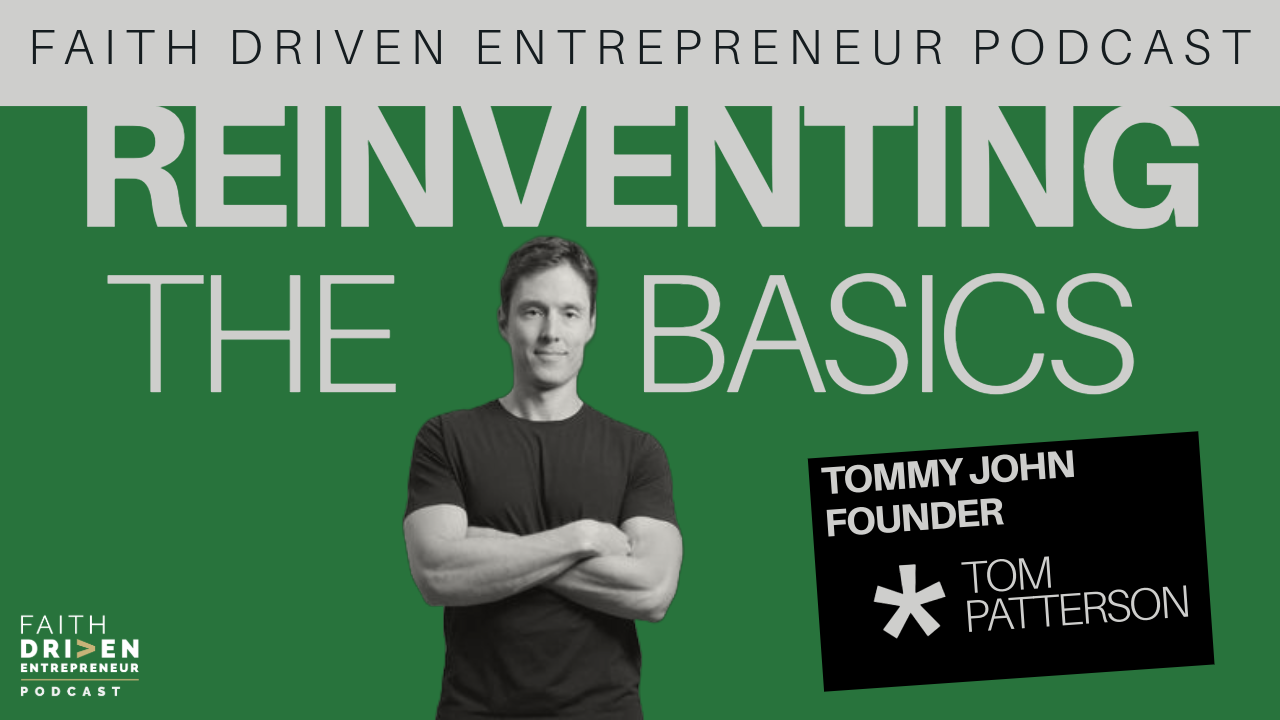
What happens when a medical device salesman gets fed up with his undershirt? For Tommy John founder Tom Patterson, it sparked a revolution in the men’s comfort wear industry. From a $7,000 trade show investment during the 2008 financial crisis to a multimillion-dollar brand, Patterson’s journey showcases how faith, persistence, and authenticity can transform a simple solution into an industry-changing success story.
Here’s a wild idea: What if teenagers never had to unlearn the gap between faith and entrepreneurship? That’s the vision behind Faith Driven Students, as Justin Forman and Lara Casey Isaacson launch a groundbreaking initiative to equip teens with Kingdom business principles from the start. Featuring Lecrae, Coby Cotton, and a host of others, they’re helping the next generation build their entrepreneurial dreams on spiritual bedrock rather than spiritual band-aids.
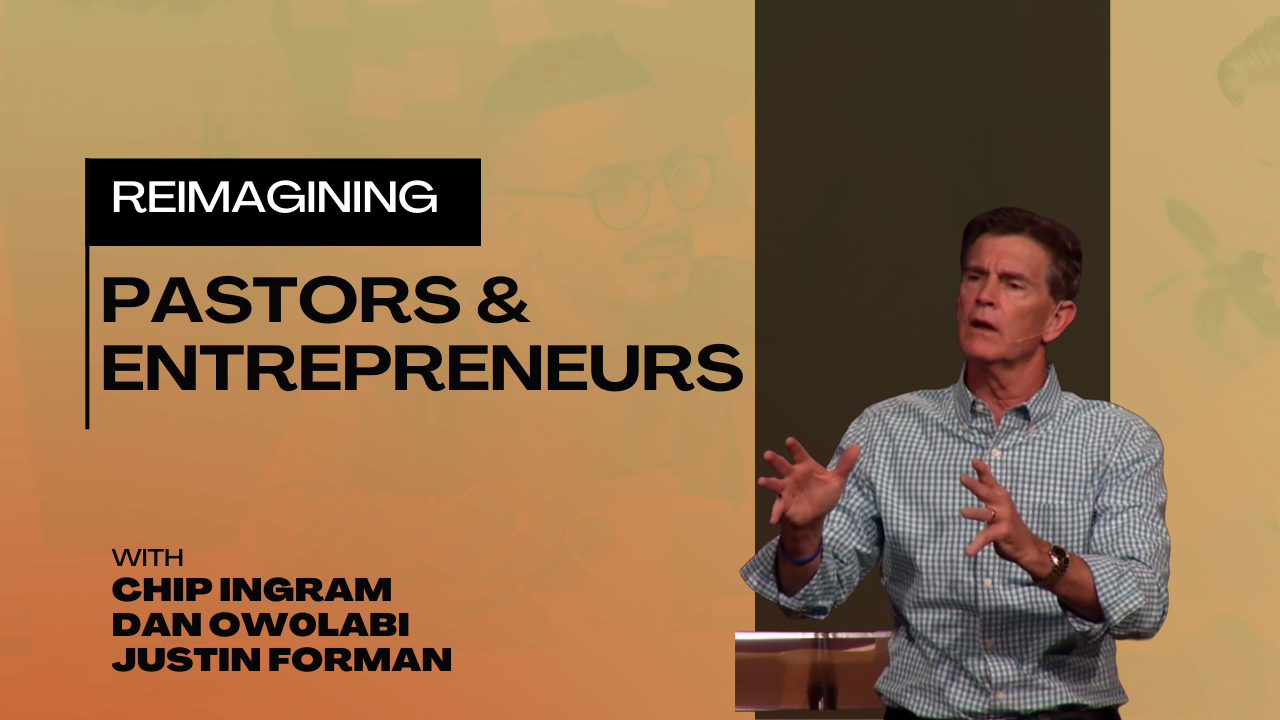
In this powerful conversation, pastor and teacher Chip Ingram joins hosts Justin Forman and Dan Owolabi to explore the evolving relationship between pastors and entrepreneurs in today’s church. They discuss how the traditional church model is being disrupted and reimagined, creating unprecedented opportunities for collaboration between pastoral and business leadership.
In a world where darkness lurks behind every screen, can capitalism become an unlikely hero? This eye-opening episode reveals how entrepreneurs and investors are wielding the power of business to combat sexual exploitation and human trafficking. From AI-powered solutions to disruptive economic strategies, discover how faith-driven innovators are turning the tables on predators and reshaping the battlefield in the fight for human dignity. Prepare to have your perspective challenged and your hope rekindled as we explore the cutting edge of redemptive entrepreneurship.
In this episode of the Faith Driven Entrepreneur podcast, hosts Henry Kaestner and Justin Forman reflect on the recent Faith Driven Entrepreneur conference and introduce a powerful message from Derwin Gray, former NFL player and pastor.
In this joint release episode Richard Cunningham and Justin Foreman discuss the problem of joblessness as part of the initiative, Solving the World’s Greatest Problems. They are joined by Keren Pybus, CEO of Ethical Apparel Africa, and Ronald Ishak, CEO of Hacktiv8. They explore the impact of job creation and upskilling on individuals, families, and communities.
Join us for an inspiring discussion with Mark Batterson, Bill Job, and Justin Forman as they unpack the concept of “holy curiosity” in entrepreneurship.
Discover how entrepreneurs are uniquely positioned ‘for such a time as this,’ featuring insights from David Platt on leveraging your gifts for a pivotal time in history and reflections from Henry Kaestner and Justin Forman.
In this episode of the Faith Driven Investor Podcast, join Justin Forman as he honors the life and legacy of Richard Garnett, a faith-driven entrepreneur and actor who recently passed away after a courageous decade-long battle with cancer.
Join Grammy-nominated artist Lecrae Moore and Faith Driven Movement co-founders Justin Forman and Henry Kaestner as they delve into the challenging yet crucial topic of handling criticism
Joey, Justin, and Henry discuss the new initiative called Solving the World’s Greatest Problems.
Henry and Justin discuss a merger between Halftime and Faith Driven Movements alongside Halftime co-CEOs Jim Stollberg and Tom McGhee.
Justin, Henry, and Joey talk about how entrepreneurs trade up and find significance through surrender.
Jordan Raynor talks about how entrepreneurs can redeem their time.
The world has problems. Entrepreneur. Investor. Christ-follower. Solving problems is what you do. Join friends of the Faith Driven Movement as we explore entrepreneurs and the initiative Solving the World’s Greatest Problems.
Dude Perfect’s Coby Cotton plus entrepreneurs Mickey Peters and Scott Weiss share different experiences that show how valuable community can be for entrepreneurs.
Ricky Dickson, the retired CEO of Blue Bell Ice Cream, joins the Faith Driven Entrepreneur podcast to discuss his experience leading and scaling a national company through growth and incredible pitfalls.
Dr. Bryan Loritts joins Joey Honescko and William Norvell to discuss the importance of deep, long-lasting friendships in the context of entrepreneurship.
Hear three Christian entrepreneurs give their perspectives about how to navigate the complex issue of layoffs.
Dylan Wilk, CEO of Human Nature, joins the Faith Driven Entrepreneur podcast to share the story behind the company’s no firing policy and to explain why he believes grace and forgiveness are the greatest HR policies.
Hear the story of radical transformation that took Dylan Wilk from Greed to Grace in this episode of the Faith Driven Entrepreneur Podcast: Stories of the Movement.
Andy Crouch, Patrick Lencioni, and Mary Miller give practical guidance for entrepreneurs looking to build a positive company culture where their employees can flourish.
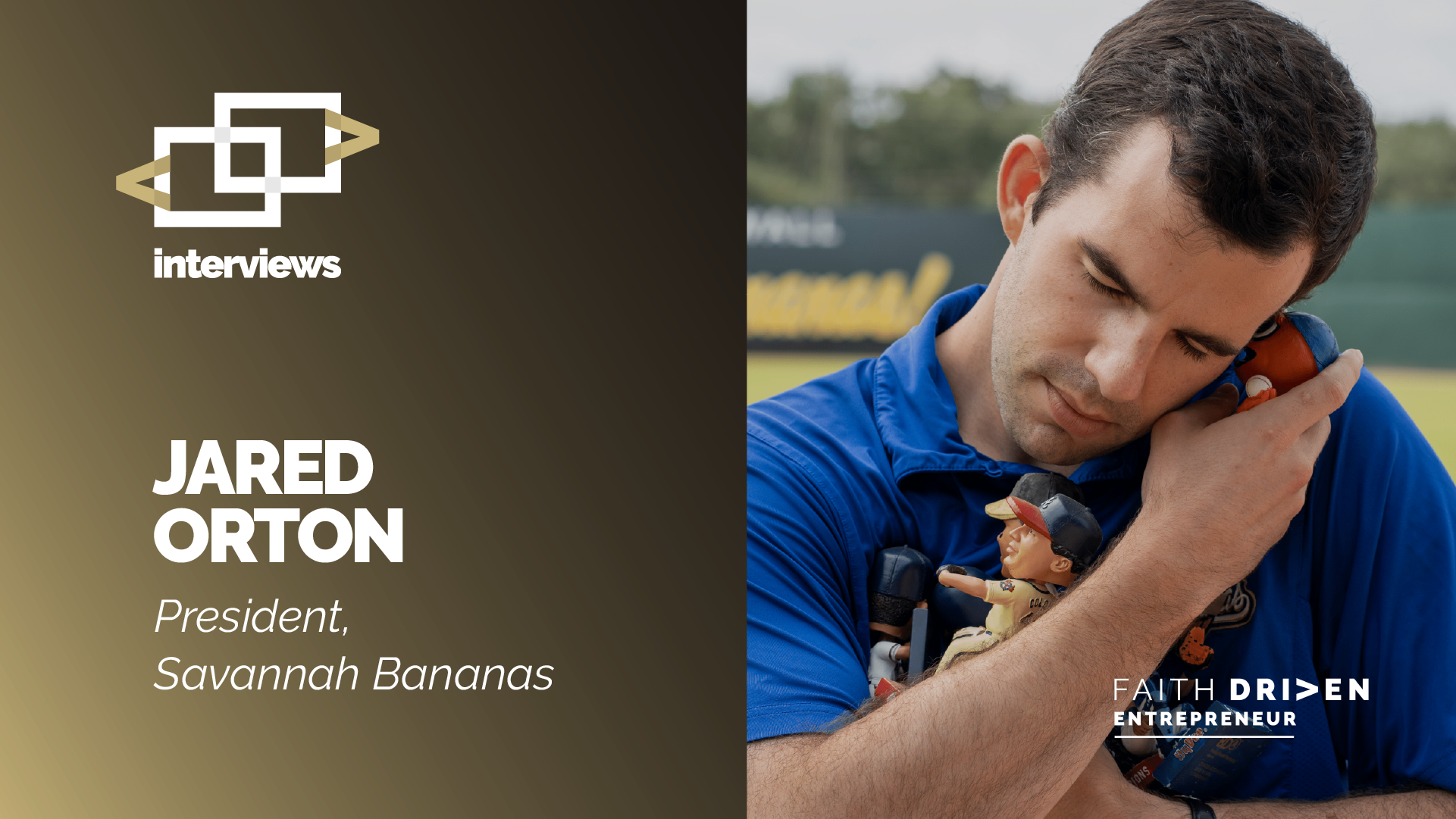
Savannah Bananas’ President Jared Orton joins the Faith Driven Entrepreneur Podcast to talk about the value of innovation, fun, and excitement for businesses and for the world.
In this episode of Stories of the Movement, we look at Booster, one of the largest school fundraising companies in the country for insight into how to build a culture of virtue, joy, and celebration and how company values can get you and your team out of difficult circumstances.
In this edition of the Riff, Joey Honescko, Henry Kaestner, and Justin Forman discuss the themes of battling idolatry and identity in entrepreneurship.
Nicky Gumbel, Kim Avery, and Jeremy Lin talk about how entrepreneurs can hear from God to fight against their idols.
Basketball team owner, trained physicist, seminary grad, and venture capitalist, Phil Chen joins the show to talk about his storied career and share how entrepreneurs can root themselves in scripture to find their true identities.
Hear how the biblical story of Abraham and Lot inspired Sam Rhee to step aside from the role of his dreams for the sake of a colleague and how God used that sacrifice to pave a path for victory.
Episode 197 – Building a Baby Crib Empire with Daniel Fong
Million Dollar Baby has been designing elegant and sophisticated nursery furniture for more than 25 years. Founder Daniel Fong shares about the early days of his enterprise. He talks about what it’s been like to watch his kids grow up in the business, get involved, and continue to be instrumental in leading the organization into the next phase of development.
All opinions expressed on this podcast, including the team and guests, are solely their opinions. Host and guests may maintain positions in the companies and securities discussed. This podcast is for informational purposes only and should not be relied upon as specific advice for any individual or organization.
Episode Transcript
Transcription is done by an AI software. While technology is an incredible tool to automate this process, there will be misspellings and typos that might accompany it. Please keep that in mind as you work through it.
Rusty Rueff: Welcome back, everyone, to the Faith Driven Entrepreneur podcast. I hope you’re in a place where you’re ready to be provoked into your thoughts, maybe even blown away because our guest today does that, certainly. Ed Henry, William and myself. Daniel Fong is the founder of Million Dollar Baby, and I Know What You’re Thinking, Oh, the movie where Hilary Swank is a is a boxer. No, that’s not it. Million Dollar Baby is actually a company that has been designing elegant and sophisticated nursery furniture for over 25 years. That, in itself is very cool. He’s going to tell us, though, all about the early days of the business and what it’s been like to watch his kids grow up into the business. That’s also very cool. Watch them get involved and continue to be instrumental in leading the organization into the next phase of development. But Daniel has a philosophy, a philosophy of being versus doing and how that philosophy shows up in his business life. And in his business actions, it’s a little bit mind blowing. But man, is it good stuff? Henry, jump in.
Henry Kaestner: Welcome back to Faith Driven Entrepreneur William Rusty, my co-host, my great friends. How are you?
Rusty Rueff: I’m doing great. How about you?
Henry Kaestner: I’m really well, thank you. I’m really well
William Norvell: tastic. I think Rusty is alive over there. Yeah.
Henry Kaestner: Rusty is having some visual problems. You know, this is a podcast, so most of our guests can’t see how we look in the studio audience. Imagine if you will, this is the most amazing high tech sound studio ever, and that’s actually not where we are. But just imagine that I think that that’s helpful. Last night was a special blessing. We have, and I think we’ve talked about this before in the program. We’ve got a group of faith driven entrepreneurs that get together out here in the Bay Area called inklings and inklings is in amJ to C.S. Lewis and Jared, and I got together and call themselves the inklings of the Eagle and child. And they were great friends. They shared fellowship together. They were constructive critics of each other’s work, and some beautiful things came out of their friendship. And I think we all know about that. So we’ve been doing that since we did the inklings in Durham, North Carolina, for four or five years. And then that continued in various forms, which had inklings groups in Singapore and Jakarta. But probably the most vibrant group is out here right now in the Bay Area, although groups are starting to spread a whole bunch of other places. I know that there’s a vibrant group in Atlanta and other places. And I think that over the course of the coming year, I think we’ll probably look to encourage more of that because, you know, we’ve got this new program for small groups. We’ve got this small group study that I did with JD Greer and eight weeks going through the marks of a Faith Driven Entrepreneur. And I think we’ve got 300 Faith driven entrepreneurs are going through it right now with twenty three facilitators, which I think is pretty cool. But we have this, you know, this physical gathering of entrepreneurs who get together and location. And last thing on small groups is that what’s cool about is the make up is you can be in a small group with a Faith Driven Entrepreneur from the Congo and from Brussels and from Spokane. It’s really neat in the way that there’s a lot of diversity. Last night, William was the speaker at inklings, and he shared in a way that was really profound. It was vulnerable, it was transparent and he had a theme, and William just wanted to touch on a theme. I think at some point in time, we will record. We’ll take the recording of last night’s presentation and in some form or fashion, maybe in an edited down version of it, we will share with a broader audience because it’s so much of your personal story and there’s so much there. But you talked about a theme. I think it’s relevant for all of our audience. What was it?
William Norvell: Oh, yeah, thanks. So the major theme was so the guy’s been doing in my life where he’s just been pushing me towards the phrase that is meaningful risk. And I feel like God’s just been pounding on me to try to figure out how to do that with him. And, you know, three at the biblical point I process through not to say everyone. Thirty five minutes here than thirty seconds was to take meaningful risk. I think you need to understand grace and understand how much God loves you and how it’s never going to leave you. You need to understand humility, how big God is, how much we are a extra in the play and he is the star. And then third, to understand what he puts in front of us to be passionate about and not in the happy sense here. This is holy week on a recording, but in the sense that what are we willing to suffer for? And as I processed through that, I think that if we can take God’s grace and be humble and find those things that we will suffer for that those are worth taking meaningful risk for.
Henry Kaestner: Indeed, it was really, really good. And we’re going to need to unpack that. Maybe in a future podcast episode. At the very least, I think we need to go ahead and take the PowerPoint presentation that you had because you had some great context and some great scripture references, and it was just a great framework to ask us about whether we’re taking risk. One of the memorable quotes was the way we were able to paraphrase the Bible a little bit. And just like, you know, what’s the greatest risk? What’s the worst thing? It can happen, right? And I think it was, was it from Luke? So like, I think the worst thing can happen is you can get killed. That’s it. That’s it. If that’s it right, why don’t we take action? All I can do is kill you. All you can do is kill you. And I just I thought that was really profound.
Rusty Rueff: The other day I was reading pick back up my utmost for his highest oswal. Yeah. You know, daily devotional. Yes. Yeah. A few weeks ago, it reminded me of Hebrews 11 eight. He had a thing about Abraham and Abraham. He went out not knowing where he was going. And right. I mean, the ultimate risk, they’re right, you know, a life of faith. He went out not knowing where he was going and just follow what God told him.
William Norvell: So I may or may not own the web address going without knowing for a future project.
Henry Kaestner: Really? Yeah, that’s awesome.
William Norvell: Without knowing was, I had to get that. I’m going to use that for something one day.
But you
Henry Kaestner: should. You should. I like as well. OK. We have a special guest with us. Daniel Fong. I can’t even remember how I ended up connecting in with Daniel. Maybe it matters. Maybe it doesn’t. But we had a really neat conversation five or six weeks ago, and as I was talking to Daniel about what he does and we’re talking within the context of this ministry, we have called Faith Driven Investor. And if you don’t know that we have a separate blog and a podcast and we have a lot of fun with that. But as I was talking to Daniel about his investing experience, I came to understand, of course, that he has an incredible entrepreneurial story as well. And there’s so much overlap with Faith Driven Investor and Faith Driven Entrepreneur. And he’s really leaned into his role as an active investor, understanding that he has this opportunity of pouring into a next generation of entrepreneurs, and he has a framework through which he goes through it. And as he’s going through it, I was really captivated. And I think that there are some things and I never say this. I mean, we always want to keep things fresh around here. I don’t think I’ve ever said this before. I guess there are some things that I’m not 100 percent sure that I agree with with Daniel Daniel. Talk about, for instance, about laying off people, and he’s got a very strong view on that that I think is really important and I continue to chew on that. And whether you agree with his view on laying people off or not, I think it provokes a really deep, hard look at what it looks like to love our neighbor. That is beneficial. So I’m looking forward to doing that, and there’s so much more. There’s generational transfer to talk about. There’s investing to talk about, and there’s an incredible entrepreneurial story that he has behind Million Dollar Baby. So, Daniel, thank you for being with us.
Daniel Fong: It’s so good to be here with you all. Thank you for inviting me.
Henry Kaestner: So, Daniel, we’d like to hear about the background in the story who you are, where you come from. We do that with every one of our guests. You’ve got a great story. Why don’t you lead us up until the time of Million Dollar Baby? What’s your background?
Daniel Fong: OK? I grew up in a Christian family, going to church every Sunday and was baptized at the age of 15 before I left Hong Kong for boarding school in Massachusetts. After graduation from college in 1979, I returned to Hong Kong and joined my father’s textile manufacturing business. He was extremely sick with a stomach ulcer and being the only son and oldest in the family, I felt compelled to help my father at that time. His also got cured and after four years when Great Britain announced that Hong Kong would be returned to China in 1997. My parents, who both escaped to Hong Kong from communist China in the 50s advised me to become a U.S. citizen, so I joined Li and Fung, a global training company, started their venture capital business in San Francisco and built up my confidence in tackling multiple assignments during the six years I worked for them. On June 4th, 1989, the so-called incident in Tiananmen Square was very traumatic for my wife and me and our two very young children. We decided to immigrate to Los Angeles, where two of my youngest sisters has settled. We arrived in L.A. on October 1st, 1989, decided to take a three month break before looking for work. Since I have worked in the family business and also one of the largest global companies, I decided to go for a new experience in running my own business. You see experiencing different experiences under the umbrella of continuous learning. It’s part of my lifelong goal. I actually had it written down in a reflective document in 1990. It says to experience as much experience possible. Therefore, it is not a typical reason for the most entrepreneurs to start their businesses. My reason has nothing to do with ego making a lot of money or being in control. It was simply a new experience that I was pursuing. It is definitely not about changing the world and making an impact. I was not traumatized by my experience working for my father and also the big global company. Therefore, there is no mission to correct any wrongs, so to speak. In the beginning, I was going to open several businesses that will support my hobbies, like raising colorful tropical fish and a beautiful flower and plant shop. In terms of how my faith influenced my life and my decision to start my own business, I don’t think it was a big part of my being 10 30 years ago. The final sentence in my 1990 reflection document said to live a balanced, multifaceted life of continuous improvement under the guidance of God. In that sense, I am no different from most people, including Christians, that I know it is all about me. The world is centered around me, and the focus is how to be successful usually means making a lot of money and under the guidance of God is how we act or sugar coats are basically secular life with Christianity. Some from the age of 21 to 41, including the first 10 years and running Million Dollar Baby. I am a typical hard charging business executive and a very successful one, so that’s my doing face. And I was an excellent doer. From 2000 onward, I embarked on a different journey and in practicing and perfecting a doctrine of being before doing.
Henry Kaestner: OK, so that’s there’s so much to unpack there, and I want to do that before we do the being part. And this is one of those moments, I think, in our podcast, that’s an important to pause this concept that we’re going to get back to here and second of focusing on being rather than doing is really, really, really important. And I think that we as faith driven entrepreneurs miss it more often than we should. I think our Chris farmers do, but I think that Faith driven entrepreneurs are focused on doing and we need to be we need to receive first. So a lot more there. But let’s go ahead before we get to the being part. Let’s unpack a little bit more of the doing part because you had a consumer brand, a good number of people are going to be familiar with it and want to hear some of the lessons that you learned as you start a million dollar baby, as you expanded it, as you brought family members into it. Help us understand how that started and how it grew during your doing phase.
Daniel Fong: As I discussed with you before, I would call it, and I put on the divine appointments how I started noticing this company called Million Dollar Baby, which is a very small wholesale company in Los Angeles. The time that I bought and the divine appointment was because I bought another similar company. The second year round, who was located in Dallas, Texas. So in two years, you know, basically I have two branches and then subsequently then we expand to Atlanta and New York. So Million Dollar Baby, that is different from everybody else during part of it. It’s a true multi-brand company. We do not simply create brands simply for channel management that is naming identical or similar products under different brands. We have seven major brands now and many smaller sub brands. It is a very complicated and sophisticated strategy that requires us to know and segment our customer truly well. Each brand identifies type of houses or homes that our products would go into. We know the cost that they drive and the lifestyle of our target customers for each of our brands. No other companies in our space have been able even to come close to what we have achieved in our industry for the past 30 years. Million Dollar Baby is the first call of all the top retailers because we have been awesome partners to them. So the goals of our awesome sales team led by my daughter Tracy, is not a particular sales number. To be the first call is the goal. Sales to us at Million Dollar Baby is the result when we serve our customers well, different from all companies that I know. Million Dollar Baby does not have any long term goals. At least we have annual projections, not sales goals that are more about supply chain management. To be the most loved brand is our long term goal, and no more boring nurseries is our mission. Million Dollar Baby Focus is on excellent execution on a quarterly basis. We spent one week every quarter when the entire company slows down, reveals what happened during the last quarter and formulate new plans for the next quarter. I do not know of any other company in this world that would dedicate one week every quarter for this very unique practice. However, I can see how the alarm bells are ringing with our listeners because short term quarterly results are why many public companies are not doing well are in trouble. It is therefore why I need to unpacked our quarterly performance review. We practice more clearly. First of all, my intention is to stimulate not to advocate any duplication because no two persons are the same and no two companies are the same. What works at Million Dollar Baby will probably not work at your company if you simply copy what we do. It is not the doing that matters, but the being. The short term quality focus is based on my subscription to Matthew, six, 25 34, which is the do not worry section in the sermon of the Mount Verse, 34 said. Therefore, do not worry about tomorrow for tomorrow will worry about itself. Each day has enough trouble of its own. Four million dollar baby outgo is not about maximizing profit. That is not our reason for being. I personally, therefore, the company submits to the following doctrine. We express our love of God with our my soul, mind and strength by being excellent in everything that we do and with every encounter. Yet our claim of excellence need to be confirmed invalidated by all our neighbors, which includes our employees, our customers and our suppliers. In that sense, our excellence is a reflection of how we love all our neighbors. It is what I call the rootedness of our being or the reason why we are in business. Profits or sales are just results. They are not our goals. Another significant difference between Million Dollar Baby is our attitude towards our employees. We do not have a human resource department. We do not treat our employees as resources that we acquire and discard. I coined the term talent management 30 years ago, and I am happy to notice that this term is becoming popular instead of paying lip service by claiming that our employees are like family and the most important asset of Million Dollar Baby. At this time, we have a $10 million emergency fund that will allow us not to lay off a single employee for one year, even if our sales drop to zero. I do not believe it is morally, ethically or biblically justifiable to use lay offs as a legitimate business to if we claim that our employees are truly our family members.
Henry Kaestner: So that’s fascinating, and that’s what I alluded to at the beginning of the program, and I’ve been spending some amount of time thinking about that, and there’s so much cash, there’s so much in there. First off, we’ve had three babies in our house and none of them have been boring. But I do think that I end up spending a million dollars preach baby with all the care that they get so much of that I can identify with. But more seriously, this concept of never laying somebody off is fascinating to me. You couched it in this context of loving our neighbor. Right? You’re very deliberate about that. You talked about the suppliers and the customers and your employees, the people you come across and you’re compelled to love your neighbor. And your sense is that if you haven’t planned appropriately and because of an economic downturn. You have to lay somebody off. You haven’t loved them, you haven’t love them by having planning ahead. Now that’s peculiar because it stands a little bit in opposition to your idea of not ever planning, right? So there’s two other very interesting things that are kind of in tension. One is always plan to make sure you have enough money to be able to make sure you don’t lay somebody off. And yet, on the other hand, don’t overly plan. We don’t have a five year plan, a bandwidth, by the way. I always wanted a five year plan. David said. That’s ridiculous. It’s stupid. It’s Stalinist is actually the word he used. And so we never had a five year plan, so we had a four and a half year plan. Now we just ended up not having great plans, either. But talk about that tension between planning and I think that there’s a distinction here that you’re planning financially to have enough financial resources, but not overly programing what the activities are. You should just unpack that a little bit. And then I think that mean Rusty will pick up on this very novel concept of never laying anybody off.
Daniel Fong: Yeah, I think, Henry, you can see that I have been really framing the discussion of laying off because I know that I’ve been practicing talking to a lot of people recently about this, and a lot of people are having a lot of pushback. So I would say that the first is not a planning that’s not politics doing when I decided not to lay it. I think that’s part of the definition of my being. So it should be part of the whole reason of actually running a business or what is the theology behind the business. The challenge to everyone that I’ve talked to is that everyone, including Christian businesspeople, would say that the purpose of a company is to maximize profit. Right. So it seems like no one would ever even debate that. And that’s where I’m coming from is that the rootedness of business is really not about making a profit. Profit is the result. So to me, the rootedness of the business is how I can express my love for God by glorify him with excellence and then loving my neighbor. The greatest lord that Jesus Christ command us to do should be, to me, the rootedness of my being and the reason why the company exists. And so with that as the rootedness, then what do you do, you know with your employees? So to me, you can say it’s planning, but part of is that if you treat employee just like a family member or whatever, but then you have a different starting point. I understand the difficulty when I challenge people, but the Norvell layoff policy, because if you don’t think about that and then when the economy drops and disaster hits or something, yeah, then what are you going to do then the Christian ways that you try to be as loving as possible to try to deal with and then use your laying off is inevitable because you never really sort of position the being of the company in terms of thinking that way. And that’s why you’re not prepared for that. So that, to me is that I’m reframing is that we need to go back a little bit. You know, you can’t just now suddenly have no layoff policy when you’re not prepared for it. So for me, having that emergency fund is part of my being statement rather than my doing statement is to being of the business. To further illustrate that is that it’s really there’s two aspect because last year COVID hit and I have just say without naming names, right? Major Christian companies now people that are, you know, running billion dollar business or they’re building. There are some things that are featured on these podcasts. They all basically lay off thousands of people as part of that, I think expression that, you know, this is inevitable and I usually ask those question. But the key element for me today is that in at least two cases, they said 2019 was the best year ever in their company’s history and that 2020 hits. And then, you know, they have to lay off people. So this what I want to introduce that there it is possible if you change your frame of mind from a A. sales type of or annual profit. And that statement, right? This is something that I actually discussed to a lot of my wealthy friends, right when they started and I said, Hey, you have made a lot of money with this group of employees for the past 10 years, 20 years, right? So if you look at that as one year now, right of all the years, the profit that you have made, then this one year you hit and note did affect your current year now and you start laying off people. So whatever it is, that means you pocket it for the past 20 or 19 years, it’s yours. So now, I mean, I’m just saying the frame of mind is that if you think about that, all the profits that you made for the past 20 years, it’s very difficult, I think, for anyone to justify laying off. That’s just a frame of mind along the same line, which is also that I got very upset by reading Howard Schultz book on when he came back and sort of turned around Starbucks. And then too many shares of Zappos. When he moved from San Francisco to Las Vegas, they both laid off thousands of people and they actually. Wrote about how they were crying people, what I meant to me, that doesn’t really make sense because both of them are billionaires, right? So let me just put it in a framework, right? I think in both cases, it’s like 3000 or 4000 people. So for 3000 people assuming $50000 a year’s salary, right, three thousand fifty thousand, that’s $150 million. Right. It’s a lot of money. But if you’re a billionaire, if you give a one hundred and fifty million, you still have eight hundred fifty million dollars. This is where I’m saying that. That’s not really a planning statement. It’s a being statement. Is that whatever you know, money I derive from the business in the past, that’s me. Right now, I have to lay off people because that’s sorry, because that’s how business is right. That doesn’t really sound very logical and sensible and very Christlike to me. That’s really what this is not something new because I have always felt very sad. Every time I read this newspaper news about this since the 80s, you know, when I first after graduation are laying off people. It’s a major corporate move, and every time there’s a economic downturn laying off people. So that’s why I felt bad. And that’s so in order for me to be truthful and thought that offensive to my feeling of doing that, I would. Why would I duplicate that if that is the case, if I’m upset about that type of practice? So that’s why it started. I would say 20 years ago that I really seriously put this into practice by creating an emergency fund.
Rusty Rueff: Yeah, I think it’s fascinating, Daniel. You know, if I reflect back and I think you appropriately have defined the time frame and in the late 80s, because it was really the stock market crash in 1987, that changed some significant thinking about how companies thought about things just prior to that, like I was part of the PepsiCo companies and Frito-Lay. Frito-Lay, never Herman would not allow people to be laid off, right? And in 1991. We went through the first significant layoff in the company’s history and it changed, I think, forever the tone and tenor of the relationship of the employee in the company and not unlike Watson and how he ran IBM right. IBM was a lifetime employment company. People forget that when you joined IBM, when we were coming up, you know you were guaranteed lifetime employment and then they they moved away from that. It changed the relationship. So I think it’s fascinating because in some ways you’re bringing back the past to the future and running counter to really this idea that profit is everything. Now that being said, you know, let’s also remember, I think that when you take other people’s money. Right. So if you’re an entrepreneur and you’ve taken other people’s money, whether that’s venture capital, who has an expectation from their limited partners for return or you go public and now you’re a public company, you know, it’s much harder for these, you know, as you talk about Tony and you know, Howard Schultz, and for them to step in and say, Oh, well, I’ll personally save this, you know, because they have expectations from shareholders. But what I am fascinated with is this idea of the emergency fee, right? This emergency fund, because whether you’re a big company or a small company, you know, you could begin to think from day one about a cushion, the rainy day fund to say, rather than immediately go to my labor line as my savings. I will draw on that fund first, and I see that as a very positive long term investment in the company. Right? You know, to have that and in some ways, it really, you know, I’m sure when you talk to your employees and are they hear that you have that when you’re recruiting somebody, their first feeling has to be something like, you know, people must have felt from Watson when they talked about lifetime employment. It’s like, Hey, you care that much. That’s pretty cool. That’s pretty cool. So I applaud you for it. I think it’s really probably hard for some of our listeners right now who are under the impression are under the influence of other people’s money. Amen a board that would look at them and go, Are you crazy? But it’s really thought provoking. I really appreciate it.
William Norvell: I agree. The only thing William here I would comment is, you know, I had this conversation recently because a lot of my friends worked at Airbnb right before they went public. And I don’t know if everybody tracked this. But you know, as you might imagine and covered, at least in the very beginning stages, the business took a big hit, right? And they eventually laid off. I think it was twenty five percent of the workforce. And then about three months later, they went public and the stock tripled. And you know, Brian Chesky is worth $15 billion now and the tension. They’re there, right? I think the public markets were actually happy that they shed expenses. Right. So I think he actually got in some way rewarded for that. And I just think it’s a tough tension. I think it’s profound thought because we had lots of conferences like, how is this guy that made $15 billion could have kept some people on stock because Airbnb is now, of course, recovered. Right. And the companies do it incredibly well. And of course, people are going to start traveling again. Like, how was there not a six month cushion there? And I think he gave people six months severance. It wasn’t just a horrific thing, but they did lose their jobs and they have to find a new one in the midst of a pandemic and they work at a travel company. Right. So I just think it’s a profound thought. And, you know, I just thank you for sort of going out and taking a risk. You know, I think we’ve talked Rusty in here a little bit about, you know, finding what Jesus would have for us in our business. You know, and I think you said it so well, data one size fits one, like, what is Jesus calling you to do? That is different, right than what the world tells you to do. I hope people think about that. I hope people think like, what could that be? Maybe it’s this. Maybe it’s an emergency fund for layoffs. Maybe it’s something else. Maybe it’s how to love them through having children or whatever it may be.
Daniel Fong: So comment on the emergency fund is actually we never really have to draw it down or it have to use that because we never really actually have to face that situation. But the funny thing is that we did actually have to use the emergency fund about five years ago. You know, when my son transitioned to CEO and I think she made some mistake in actually doubling our inventory basically overnight by some glitch in the programing and the strategy? And that was helpful to have an emergency fund in terms of that. That’s right. It was pretty traumatic for us for about a couple of years. But then so it it’s that’s what I would say that sometimes, you know, when you do things with a different motivation, which is talk about the being, God will bless us because it was not really for a certain intention, but it can be very useful in other things and it’s also very powerful. Last March, we were one of the, I think, if not the first company to actually shelter from home because my son and Mike, it’s just very, very protective all about our employees and we treat them as as family members. So he said, why would I not do that if I’m very, very concerned about the health issue, I should extend that to all my employees. And the first thing that we said, because we were anticipating at least a 50 percent drop in sales, at least because everything was shutting down and all that. So again, that was the time where we thought that we would have. So the first thing that we announced when we shelter from home is that there will be no layoffs that just tell everybody just to be calm down and not to worry about that. And I’m just saying that you cannot believe how powerful that statement. Of course, we’ve been repeating that throughout our quarterly meetings and stuff that I’ve been talking about, but to actually right when the situation arises to say something like that, it’s really, really powerful to our company and to the morale of the whole company.
William Norvell: That’s amazing. And you know, as I mentioned earlier, just like I feel that meaningful risk that Jesus put on your heart and you took it. And here he is, walking with you through it. So I want to switch to this. You just mentioned your children a little bit. Could you tell us about running a generational business and how that’s worked out where you are now and just kind of walk us through the generational transfer of the business and how your children got involved?
Daniel Fong: Yeah, that actually, it’s really a tremendous blessing, right? I mean, because you hear so many negative stories about family business and our family working together never worked. And actually, I’m from Hong Kong, right? Almost all the major families in Hong Kong are suing each other. They’re having problems. So it is obviously very, very a great blessing if things worked out. So I guess it could be because the same thing, right? When you read a lot of these layoffs news and you think about it, it’s OK. Well, now how does that affect my being? So same thing with running a family business is actually that was not intentional. In the beginning, I work for my father. And so when my children are very young, I actually said two things to them. I said, Just because your father and your mother running their own business, there’s actually no pressure for them to come and join the family business. That’s I stated that very early on, and I actually encouraged that they go on and do other things, you know, right? Because I work for a big company and then eventually I start my own business. I thought, that’s not. That’s as I experience. I also tell them that they cannot. Just because their last name is Fong automatically assume that they have a VP position or or event. You will take over the company because, like I say, I have my team that I’ve built up, so that doesn’t really work well with me. So the amazing thing was that while I really don’t want that to happen, I think that’s why I really subscribe to divine appointments. That is, God set the schedule and cuts at the programs in my life. Two thousand four I, my daughter. Graduate from college at the same time, my wife who’s. Just in the ABC, early 40s got colon cancer, and it was very surprised, you know, it was a sudden thing, and we really cannot deal with it in a much smaller company than 2004. And so I asked my daughter simply to delay her employment in New York City, working for Christie. So about three months so that we can reorganize and hire more people to do what mom is doing and things like that. And so she agreed. She said, OK, I’ll just take a no delay for three months, and she joined the company. It was a temporary thing for me, but what I heard from the team was that the first day she came to work, everybody said it was like a breath of fresh air that came through the office the way that she talks as she carries herself. In this, she just how she works was really amazing. And as she loved the business and she staged, so she continues with and working the company and I I felt very, very blessed and very, very excited to be working with my daughter. And so then I changed gear because my son will be graduating in two years time. And I actually did a proper recruitment exercise, and I’ll find him out to the company spring break, along with two of his classmates that the wine and dine them, you know, explain to them and try to recruit them. So that was not a typical father and son talk. OK, now it’s time to come back to work for a father. Usually work for peanuts, you know, because it’s a privilege to work your father. And all that said, no, I did a proper recruitment because there were two other classmates that we were trying to recruit. The bottom line was that all three of them joined a company, and so I would say that that recommendation, it’s that all parents should look at it, that instead of a requirement that their kids joined a company, that they should really try to think of it as recruiting the best employees possible. Now regarding the transition part is also interesting is that because I actually besides my two son and daughter, I also have a brother in law. I also have a sister that works in the company. So as part of the being statement, right? If we want to glorify God in business as a Christian family, I just have this notion that we should not argue in front of the employees at the business when we’re working together because it is inevitable, like even with family, that disagreements at different issues. So I created a family meeting for all the family members that work in the business outside of the business, and it’s shared by not myself, by a chair, by a good friend of mine who’s a great coach. And I would say that it’s very helpful and very transformative in terms of how the family showed up at the business every day because we resolve all the issue separately. And during one of those meetings, it’s when I was thinking just out loud, I said, Well, I mean, eventually I would do not want to continue to be the CEO because things are changing fast and everything requires a different type of energy. And I just felt that I want to have that discussion and basically immediately there was some resolution. My daughter set l’État. He goes first. You know, so even though she’s older, but she felt that, you know, the brother should go first and then immediately. My brother in law, my sister, said, Ted is not ready. And then the next conversation, OK, fine. They will do a three year co-CEO situation and then transition to CEO. So I would say that that is a significant piece of sort of strategy that I’ve been advising a lot of family business now to sort of try to have that type of a family meeting outside of the business and chair by someone that’s outside of the business and to really worked out all the issues outside the business first and showed I was a united front at the business.
William Norvell: Could you tell our listeners a little bit? How often do you meet? When does that meeting kind of happen? I mean, you said you had a coach. I mean, I assume this is someone you hired, like you hired a professional to come in, just kind of talk through that. I think that’s probably something that that people would be interested in.
Daniel Fong: Yeah, the rhythm is always quarterly, so we run the company in a quality basis. We spent one week every quarter, so every quarter we will have a family meeting before the quality meeting. So the rhythm is quarterly. Yes. And I don’t know if you guys know about this organization called this stitch, which is the year with it executive training organization. So I was a member since 1992 as part of my continuous learning and just try to, you know, be a responsible executive. So Richard was my chair, then he later became the president of the organization. But then now he’s also back. The chair and so I have a long relationship with him, so I trust him, and he knows the family really well. So that really worked out really good. So does that answer your question? It’s a
William Norvell: it does. It does. No, I appreciate that. And unfortunately, we’re coming close to the end. But I have to bring up one thing that I’ve heard you say before that I think may or may not have come up in this meeting because I have a feeling some other CEOs may have a similar issue. Can you explain the seagull problem that you suffered through while serving as a co-CEO with your son? OK.
Daniel Fong: The funny thing is that I know that it came up with the Inc magazine interview and all that stuff. Of course, I don’t claim that I’m the CEO.
William Norvell: Of course not.
Daniel Fong: Of course, I did things like that, but obviously I think it was during the co-CEO phase, which can be tricky because co-CEO, meaning we have both the CEO and I would say, Wow, I just know the correction of that. If it actually did happen to correction right now is that I only influenced my son right now with a one on one every week. I do not do anything outside of behind my son’s back and try to go. I think that’s the Sego type of situation whereby a lot of the patriarch owners, you know, even though they transition to second generation, do feel that they’re still the owner and they still want to do certain things and so they can go in and they felt they have the right to now, you know, because I’m still the owner, former CEO or something, and that is problematic. And right now, that means that my son is not in agreement with me. Then nothing happens. So my only influence is through my son. And that, I think, is very, very crucial for all. Actually, older generation needs to realize the problem. From my observation regarding generational transition or even not necessary general, I just transition. It’s usually it’s the older generation or the older regime refusing to let go. I think that is the root problem and that goes back to rootedness again at the being right. So if you want to let go, then you let go and you really can focus on helping the second generation to succeed. Like I said in the beginning, I hope that my talk is not a encouragement to copy what I do, but a stimulation thought. That means for the older generation to ask the son and daughter to just copy what they have done, which is what they do. And you know, your father and mother and you know, we’re so successful. So here are the 10 rules you cannot change because these are the doctrine that have helped the company to become so successful. So you need to continue that for the rest of your life. And that, to me, is so sad because that is just a straitjacket towards the second generation. And that is actually, to me, a definite formula for failure when any parents say things like that to their children.
William Norvell: Well, I think that’s profound. And anything Rusty I might swing it to you is what you’ve seen in your career. I mean, I think you see entrepreneurs that finally give up product and they still want to come in and own it or they finally give up. I mean, how have you seen that play out? I mean, just like I think that’s such a profound lesson, like the one on one that’s so good.
Daniel Fong: There’s a rootedness that do that, too. It’s a rootedness about the legacy. You notice this thing going right now that a lot of pastors don’t finish well, right? So that one, there’s a solution. There’s so many books out there is that because they’re not focusing on their legacy. I think that is problematic for me. The only legacy that I care about is Jesus Christ. I don’t care about my legacy because I’m like dust. I’m already so privileged and blessed that I can even live like this and know that the whole notion about legacy is problematic. So that’s why the only reason one way and let go is that you don’t care about your legacy and you care about the legacy of Jesus Christ, which is how you glorify him. Then you see that helping the second generation to succeed gloriously is the right move. And that’s I think I keep going back to rootedness is that we have to understand as Christian, what are we supposed to do? I keep saying that is not a sugarcoating of Christianity. Oh, I do Bible studies. I have small groups and all of this. It’s really about our whole being needs to be radically transformed. Rusty Sorry.
Rusty Rueff: No, no worries. I just wanted to say that, you know, for some of our listeners who aren’t in family owned businesses, this is the same thing that happens with our boards, right? Our boards can also be seagulls, and we, as board members, can be seagulls. And we, as CEOs, our founders can be seagulls. And we, as department heads, can be seagulls, you know? So I think it’s really important that we all take a check in our own spirit, you know, to make sure that we’re not seagulls managing. Yeah.
Daniel Fong: And a big factor of being a seagull is a timing issue. Is that because everybody has different priorities, a different right to be a CEO is that I feel this needs to be done now. This is to happen now. So because I’m eager so as SIG, I want to make it happen. But what I have found out that right now, for example, like my son, it may take a. A few years, but eventually he’ll get around to it and then he will execute it and in a very much more glorious fashion because it’s more together because he is actually, you know, digested it and his being that affects is doing. And so the segue out, like you said, to board whenever you have the eagerness to see certain things happening, but sometimes be patient, work with the CEO, the person that’s really the the chief execute a wait. You know, allow God to come in and and I’ll create the divine appointments and these things will happen. And it’s just really wonderful how I train myself, be willing to not care about my own legacy and just really watch how things develop with my son. I cannot describe the joy of that experience.
William Norvell: Amen Amen. That’s a perfect way to head to our close here, Daniel, where we love to ask. I would imagine there are many parts of God’s word that has shaped you into being able to have that perspective. And I would ask you if you wouldn’t mind sharing with us in our audience. Where does God have you in his word today? And where is the scripture coming alive to you in this season of your life?
Daniel Fong: Well, I just finished my master’s in theology degree at Fuller Seminary after five years, so I’m this better.
William Norvell: Be good, then
Daniel Fong: I’m really happy about that. So there’s two things that I felt very strongly, particularly after my last class on numerology, which is the Holy Spirit, which is a subject that is not really being talked about much in the western Christian world. So right now, I think I started a nonprofit called Uncommon Voices Collective. It is to deal with the polarization that’s happening, particularly in the United States, but I think it’s happening all over the world. I mean, we can have another podcast to talk about why this is happening and part of it’s also economics, because that’s how you news organization money now. So I felt very strongly, particularly also in the Christian world at American Christianity, sort of what I’ve been talking about. It’s counter, you know, theological, you know, based on the American Christianity. So I want to be able to have some voice and just be able to expose other Christian to some different type of thinking that I’ve been. I thought I was just weird for the past 30 years, and since I like all my business, I can do whatever I want, but I think I have some good resonance with with talking with a lot of people. For the past, I would say, particularly three years. So that’s one thing. So we were a print media. We have a lot of YouTube content and podcasting already. But eventually, we’re a magazine to print maybe some books and something, which is my second project that I felt that the strange theology I would say that I have, I start writing down all the different subject matters, like being before doing and Norvell lay off and all that stuff, which is actually not theological and just philosophical. It’s actually being applied in a business and a big business. We didn’t have time to talk about Alabaster, which is a startup, but it’s doing so well, which is also a different way of investing in different way of doing startup. So, so all of these, I thought that I felt very strongly that there is a voice that I need to expose that a little bit more in terms of book. So those are my two projects that I’m working on right now.
Henry Kaestner: Now, is there something that you are hearing from during your investing, from working with your son or just in your daily Bible time that you feel that there’s a verse or just something that just in God’s word, that you just kind of just hanging on to that you feel like he’s speaking to you specifically about?
Daniel Fong: No, I do not worry about tomorrow. It’s really, really powerful to me, and it’s a constant reminder. I think it’s note that relates exactly to the being in doing because if you notice everyone and most people, including a lot of Christian, particularly Christian, I would say that is very missionary oriented. They think they want to do a lot of things for God to grow. I mean, there’s a lot of doing it as a Christian, and I think we really need to remember God saying, you know, just work on every day, you know, you know, which I subscribe to and you talk about in the beginning, you talk about death. I have a really interesting story about dying that you know that it’s part of of that theology is that if dying is the worst thing that we can face and we should as Christian, that should not be a problem. But if you notice the behavior of most Christian is like dying is a big problem and avoidance of dying is actually, you know, it’s a big issue. But do you see that to me is there’s a being issue, right? If you say you’re Christian and you do your same all these Bible study stuff. Why are you so anxious about doing all these things? And also another, I would say, two chapters, which is Revelation Chapter 21 and 22. And I think most people really need to continuously read that every day, along with Matthew six. Thirty five. Is that the description of the new heaven, a new Earth? It’s not the tendon on any one of us do. Anything is not does not, depending on us saving another soul. And how do reading an error memorizing another Bible verse that has nothing to do with it as God has already done it? But the grace and the blessing is that we get to participate it through the invitation of Christ that we can participate. But this is not about us making it happen, right? We need to prepare this so that Chapter 21 22 will happen. There’s nothing to do with it. So I think all of this has to do with our doing. It’s really we need to put our doing in the right context, and that’s why I focus on my being. Because when I’m reading the verses Galatians 20, I have been crucified with Christ and I no longer live, but Christ blessed me. So that’s the being way Christ lives in me. My doing. Is that Dennis? Read what they call about the work of the Holy Spirit and the fruit of the Holy Spirit, which is Galatians 5:22, right? So it’s not my fruit. No holy all Christians that how I can bear fruit. No, we don’t bear the fruit. We witness the conduit. We’re just the branch of vine, right? So. So all of these, if we put it all together, would orient our being at a proper pace and then our doing would be so joyful, so peaceful, so, so loving. And all that because it’s not how we’re doing, it’s actually the Holy Spirit through Jesus Christ as actually doing that. And I’m just saying that I actually can document now through my life, through the businesses that actually this can happen. And it’s really, really joyful and amazing. I really want to share that with everyone that it is possible. And it’s not just theological that it is possible to live a life full of Sabbath, which is not a event which is not one day out of the week. It’s actually a mindset is an attitude that we have peace continuously and be with Christ 24 seven. Isn’t that? Doesn’t that sound very good?
William Norvell: Yes, it’s awesome. It does.
Henry Kaestner: That’s an encouraging note to end on. I wish we didn’t have to stop, and maybe this is a harbinger of things to come than talking about, and I’m packing a lot more of this. It’s infrequent that we have an entrepreneur and investor. This happens to be graduating with their master’s in theology. So this is great. You blessed us. And Daniel, we’re grateful for you.
Daniel Fong: Thank you for this opportunity.
When Iron Sharpens Iron: How Great Leaders Grow
— by Dan Owolabi
“I have no one. I do this by myself.”
A few years ago, I traveled across the world to ask one person one question. I had taken the long drive, and even longer plane ride, to sit in Abonzo Coffee. Abonzo was a sprawling, chic coffee shop with an incredible view of the foggy Doi Chiang mountains outside of Chiang Rai, Thailand. I was there to meet Pat, a young, ambitious, faith-driven entrepreneur. I had heard about him a few months before and was eager to hear his story. Born just a few miles from where we were sitting, Pat’s story was nothing less than impressive. He showed me the impoverished village where he grew up. He shared how he found his way to college then to seminary to be a pastor, only to quit to start a business brewing and exporting coffee.
He laughed about the negative reaction of his seminary professors when he quit and about his initial lack of business experience. But despite objections from mentors and initial challenges, Pat persisted in his belief that entrepreneurship could be an incredible way to expand God’s Kingdom in his community. The way he treated his customers, employees, and suppliers mattered. Providing employment and introducing people to Jesus through natural, healthy relationships mattered.
Since then, Pat had invested nearly a decade of his life to build Abonzo coffee shop and a thriving business around it. When he started, he never would have guessed that God would lead him to export coffee all over the world, do millions of dollars in business, become the #1 tourist destination in his region, or employ more people than anyone else in his community. He was thrilled at how God had worked through him.
After he shared his story, I thanked him. Then I raised the question I had traveled across the world to ask. I said, “Pat, you have invested so much into your community… But who invests in you? Who sharpens you?”
He looked at me for a long moment, then his eyes lowered in sadness. “I have no one. I do this by myself.”
In my work with Branches Worldwide, I have met incredible faith-driven entrepreneurs all over the globe. Each of them has a story of a strong call from God, overcoming odds, and building a business that is a significant blessing in his/her community. But when I ask, “Who sharpens you? Where are your peers and mentors? Who invests in you?” I repeatedly hear the same answer: “No one. I do this by myself.”
We Are Better Together
It’s self-evident that leaders can accomplish more together. Like hot campfire coals, we burn hotter when we stay close to each other. But why do so many of us end up leading alone? Jesus is our ultimate example of leadership, and he strategically steered away from the temptation to lead alone. In fact, he spent extra time cultivating close relationships with Peter, James, and John in order to bring them into his inner circle. And as he approached his most difficult day on earth, Jesus pulled these three disciples closer in the Garden of Gethsemane. Jesus did not attempt to lead in isolation. Matthew 26 documents Jesus saying, “My soul is overwhelmed with sorrow to the point of death. Stay here and keep watch with me.” Jesus essentially said, “Stay close to me. I don’t want to do this alone.” He understood the dangers of isolation, and He leaned on his inner circle during critical, vulnerable moments in His ministry.
I have come to see isolation as a powerful temptation that cripples even the best leaders. But isolation is inherently different from loneliness. You and I may have loving family and friends that help us feel socially connected. But the absence of peers who understand our unique challenges in leadership or mentors who can empathize, leaves us vulnerable to fatal leadership mistakes. When you and I are isolated, we make poorer decisions, experience more stress, and develop an increasingly inaccurate view of the world.
Even in light of the apparent pitfalls, isolation remains a significant temptation. This is primarily because isolation allows leaders to maintain an illusion of control. We can easily avoid uncomfortable conversations when employees rarely give unvarnished feedback on our leadership or when our boards are disengaged in our day-to-day performance. So, when we make decisions, set goals, and create systems apart from a community of high-capacity peers, we can easily avoid accountability, sidestep taking responsibility for poor choices, and stop challenging ourselves to be better. In isolation, we can control the narrative. We don’t have to be honest about facts, and we can evaluate ourselves based on our intentions, rather than our actual impact on others.
But most leaders don’t intend to avoid the companionship of other leaders. In fact, they may desire honest feedback from others. They may long for the freedom to speak without a filter, to share new, unprocessed thoughts, and to unload the burdens of leadership on one or two trusted peers. However, the fear of vulnerability, overcrowded schedules, or the inability to identify other high-capacity peers nearby leads them to drift into isolation. And the deeper they drift, the more ineffective they become.
Great Problems and Good Friends
God rarely calls leaders to accomplish His work in isolation.
The most significant challenges of any generation have always demanded the collective wisdom of committed, courageous, and creative followers of Jesus. We are better together.
In addition, God created leaders to posit solutions and solve problems. By design, the best of us yearns for significant challenges to tackle. My Thai friend, Pat, was troubled by the poverty plaguing his community. In response, he quit seminary and decided to start a faith-driven business—an ingenious solution that has given him a platform to communicate his faith and an economic engine to alleviate poverty. Pat believes what many believe… that at the foundation of our faith is the idea that Christ is working through us to redeem the world.
Our faith animates our work, compelling us to ask God to apply our best efforts to the world’s worst issues.
We long to immerse ourselves in the most perplexing challenges of our day—the greatest problems of our generation—because we know the work itself will serve so many and bring out our best in the process.
But I believe God has reserved the most significant blessings for individuals that tackle great problems with good friends. The camaraderie, intensity, and satisfaction that come from these relationships can be found nowhere else. The creative energy and uniquely potent solutions benefit everyone involved in an endeavor. Proverbs 27:17 reminds us that, “Iron sharpens iron, so one man sharpens another.” Great leaders grow when they have sharpened each other for the work God has called them to. When iron sharpens iron, sparks fly, and the world is richly blessed.
Branches Worldwide is advancing a solution rooted in God’s design for how great leaders grow. We believe the faith-driven leaders of this next generation will solve bigger problems, do better work, and bring more honor to Christ… only when they are supported and sharpened in relationships with other high caliber, faith-driven leaders. That’s why we inaugurated an initiative to build a community of 30 individuals from 30 countries and invest in them for 30 years.
The 30 Leaders
Our 30.30.30 initiative started with the desire to serve the leaders who were serving their neighbors. We looked for people dedicated to solving pressing economic and spiritual challenges in their communities. We were careful to identify and invite men and women who loved Jesus and were already engaged in extraordinary work in the Kingdom.
Early in the process, we decided to focus on experienced leaders within the business community. Entrepreneurs have immense potential to impact a community. As natural change agents with hundreds of connections, these leaders are often closest to the heartbeat of the community. They know what’s working, what’s broken, and how to fix it.
Finally, we focused on Millennials. We looked for young leaders between the ages of 25-40, not only because we wanted natural affinity between leaders, but we also wanted men and women with three decades of leadership potential ahead of them.
When Iron Sharpens Iron, Sparks Fly
Leaders are sharpened by each other. But as it is with traditional metalworking, skill, intentionality, and patience are required to bring the best results. As sharpening is much more than two knives rapidly, haphazardly clanging together, genuine leadership development is more than short-term, unfocused training.
Often leadership training is a short-term endeavor, dedicated to adding new competencies to an individual. A leader could be trained in more effective ways to develop employees, for example, or on new methods for delegating more effectively. When we launched Branches Worldwide, we believed that faith-driven leaders would be best sharpened and developed by long-term relationships that contained three strategic elements: Support, Information, and Challenge. These three elements not only compel leaders to develop new competencies, but they also change a leader’s mindset and mental model. As Branches identifies and invests in leaders around the world, we are building a community rooted in Christ, focused on providing support, information, and challenge. Let’s explore each element, one by one.
Challenge:
When we invite leaders to join Branches Worldwide, we ask them to identify significant challenges they want to solve within three years. We ask each leader to pray about ambitious three-year goals that are God honoring, community serving, and personally challenging.
These goals are critical to our relationship with the leader, because pursuit of those goals inevitably places them in situations where they cannot make decisions with their current patterns of thinking. Once they face new and significant challenges, their minds are open to better and improved ways to lead. The challenge initiates the need for the remaining two elements.
Information:
Access to information about how to navigate new leadership challenges is critical to the development of the leader. Sometimes people are motivated to tackle a challenge, but they simply need more information. They need the exact words to say, steps to take, or book to read. Branches leaders have access to resources that can give them that information.
When an entrepreneur joins Branches, they join a community of faith-driven leaders from 30 countries around the world. These varied perspectives, experiences, and backgrounds provide the primary source of information. They are also exposed to books, videos, and workshops which invite them to alter their existing mindsets and apply new methods to existing challenges. Finally, they are invited to share their knowledge and experience with other Branches leaders in order to codify their own areas of expertise.
Support:
When leaders feel appreciated and valued beyond their ability to produce results, a fertile ground for creative ingenuity is fostered. For this reason, Branches Worldwide makes a unique promise to each leader. We will walk with them for 30 years. Practically speaking, that means Branches is committed to supporting them for the duration of their career. As long as they are committed to building a faith-driven business to bless their communities, we are committed to them. Each leader is paired with a mentor who is dedicated to his/her success.
The sense of support this gives to entrepreneurs is immeasurable. They are free to try to tackle challenges, to fail, to learn, and to try again. The network of high-capacity peers, mentors, and consultants around the world serves the function described in Proverbs 11:14: “Where there is no guidance, a people falls, but in an abundance of counselors there is safety.” These leaders regularly tap into a community that is there to support them with suggestions, prayer, and perspective. The result of this kind of support are leaders who readily integrate new practices and develop a larger, more advanced worldview.
Ultimately, Branches Worldwide is dedicated to seeing communities transformed by the influence of faith-driven entrepreneurs. We believe relationships rooted in Christ and focused on providing challenge, support, and information are essential to sharpening high-capacity leaders. We anticipate that our long-term, goal-oriented, relationship-driven approach will help Branches leaders develop the wisdom to choose the right strategies as well as the correct skills to implement them.
What’s Next:
When we started Branches Worldwide, we had three primary challenges: finding leaders, facilitating community, and funding our work. Since that first plane trip to visit Pat in Thailand, we have solved many of those early problems. As Covid-19 gave the world the gift of Zoom, our leaders have been able to develop the initial roots of relationships through virtual prayer meetings. We have learned how to find the right leaders and invite them to join our community. And we’re thrilled by the robust community of donors and business partnerships who help fund our work. But we know our work is not done.
Leaders need the loving perspective and face-to-face sharpening that close accountability provides.
As we look forward to the day when travel is easier and Covid-19 is behind us, we are planning opportunities for mentors and leaders to meet in person. We know 30 years is a long time, and we’re building our community of leaders to be sharp and ready for the challenges God asks us to tackle together.
Since that day with Pat in Chiang Rai, I have prayed for a day when our 30 Branches leaders are asked, “Who sharpens you?”
And the answer will be, “I have Branches Worldwide. I do not do this by myself.”
——
Article originally hosted and shared with permission by The Christian Economic Forum, a global network of leaders who join together to collaborate and introduce strategic ideas for the spread of God’s economic principles and the goodness of Jesus Christ. This article was from a collection of White Papers compiled for attendees of the CEF’s Global Event.
Related articles

Featured
Let me introduce you to Tim. Tim was the ideal model for anyone asking how to be a great car salesman. And he exemplified the two traits I think all business people should have regardless of industry.
From our current vantage point in world history, it appears that the opportunity for Christ-centered small businesses to advance the coming of the Kingdom is substantial….
God rarely calls leaders to accomplish His work in isolation
At Halftime, we’ve had great results for over 25 years. But now, we are setting out to intentionally address our own “smoldering discontent.”
Just as Hoyt Buck was unwilling to etch the Buck name into a knife until it had reached his exacting standards of excellence, God doesn’t ask us to etch His name on our shoddy craftsmanship
Nothing is more repulsive than the fake polish of a story that hides the truth. Nothing is more attractive than the soothing grace of the gospel piecing together our brokenness.
Episode 196 – Having A Clear Eye View with Jaylon Smith
Star NFL Linebacker Jaylon Smith is a force on the football field. But there’s far more to him than just sporting prowess. Jaylon’s entrepreneurial spirit drove him to start the Minority Entrepreneurship Institute–which has awarded $1.2 million to 13 minority-owned companies since inception–and his own eyewear company – CEV Collection.
All opinions expressed on this podcast, including the team and guests, are solely their opinions. Host and guests may maintain positions in the companies and securities discussed. This podcast is for informational purposes only and should not be relied upon as specific advice for any individual or organization.
Episode Transcript
Transcription is done by an AI software. While technology is an incredible tool to automate this process, there will be misspellings and typos that might accompany it. Please keep that in mind as you work through it.
William Norvell: Can you walk us through that moment? We don’t have many people on the show that have gotten a call from specifically, as you mentioned, the greatest franchise in one of the most well known owners, if not the most well known owner in the game as well. What was that moment like when Jerry called? I mean, did a face of him pop up on the caller ID and you were like, Oh my gosh, that’s him.
Jaylon Smith: Well, I was actually Dr. Jerry yesterday, by the way, but I just walked in to my draft party and I was selected maybe like seven minutes after I walked in because I was the third pick in the draft on the second day. So it was like boom, boom. But when draft started, I sat down by my brother, Rod Smith, who was actually playing for the Cowboys at the time. As soon as I sat down, maybe a minute later I got a call and it’s two one four two one four. No, that’s the Dallas number. Mind you, I had surgery by the Cowboys physician four months prior, so they had a little more inside information on my healing process and the sting operation and things of that nature. But to see that it was a two or four, no understanding, it was me and my brothers dad’s favorite team, you know, America’s team, the Cowboys. And then the fact that he was on the team, it was like, Wow, I’m going to get a chance to play with my brother.
William Norvell: Welcome back to the Faith Driven Investor. We are so excited that you took the time to join us today to take the time out of your day to listen to what God’s people are doing through investing throughout the world. And we are just so excited about our guest today. We’re so excited about the conversation that we get to have. And we’re pleased that you joined us. Grateful that you’re here. Always grateful for our audience coming in. And today we get the incredible, incredible, exciting opportunity to welcome in Jalen Smith from the Dallas Cowboys. How are you, Jalen?
Jaylon Smith: Man, I am blessed, definitely blessed and highly favored. I’m thankful to be able to speak with you today, this wonderful man.
William Norvell: Well, we’re grateful for you and we’re grateful for what you do, and we’re going to get into that a little bit. And as our audience knows, one of the first places we would love to start this program is shocking for our audience. I went to Alabama, so the fact that I’m not going to start with a football conversation is a big thing. But I’m going to save our audience that right now. Jalen was was a star at Notre Dame in a first round draft pick, and we’re going to get into that, I’m sure, in a story. But we would love to start there. Jalen, tell us a little bit. Who are you? Where did you come from? How did you end up, where you are today and how is God walking alongside you?
Jaylon Smith: Yeah. Jalen Smith, linebacker for the Dallas Cowboys Amen There was brother from the Hoosier State, born and raised in Fort Wayne, Indiana. My whole dad’s side of my family’s from Uniontown, Alabama. So he’s Alabama fan. So definitely some connections there. But I believe blue and gold, I’m going down Delmar. It just an incredible experience being from a basketball state. But and we played some football as well there and especially up there in South Bend, Indiana. There’s just been a wonderful journey answering my six year in the National Football League. I’ve dealt with adversity, I’ve dealt with adversity and I’ve been able to to have a clearer view. I’ve been able to have a focus, this determined belief in our own dreams. That’s really what’s helped me get to where I am today and all the battles that I’ve kind of endured and persevered through all by the grace of God and then putting in work. So I’m just like I said, I’m happy to be here today to speak with you all and just to have a conversation, man, it’s this is dope.
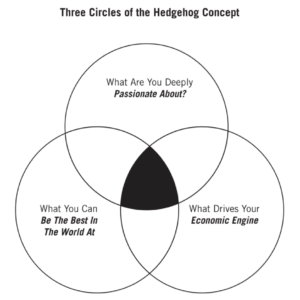
William Norvell: Cos it’s fun and tell us a little bit. So obviously you’ve got the athletics, so we’re going to jump into that. You know, where did faith and work come into your world? Where did God kind of push you down in your professional journey that, you know, obviously we’re going to get into what you’re doing on the side of being a professional football player, which takes a lot of time. Where did those intersections happen in your life to where you started seeing that there could be, you know, good holy work in the marketplace?
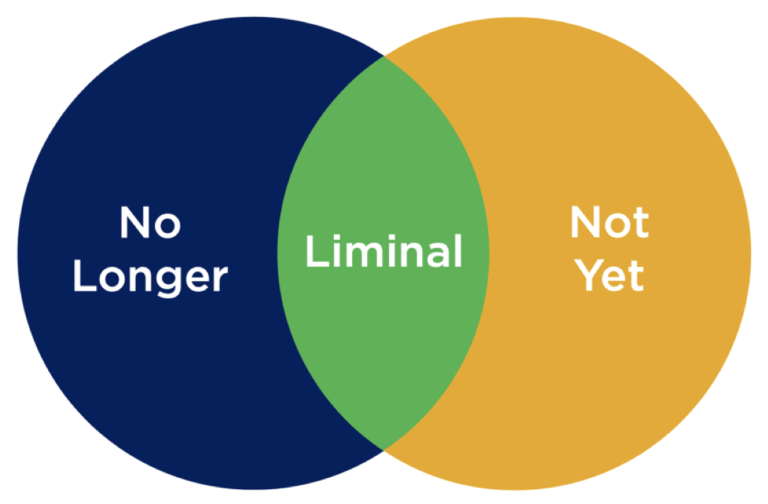
Jaylon Smith: I’ve always wanted to be an entrepreneur, probably since I was about 11 years old and I fell in love with the business aspect and not having a lot of knowledge of it, but just understanding that that’s a way that I could be able to shed light into smiles on people’s faces. Through that education, it’s all about freedom. Financial literacy. The financial freedom and develops the mentors along the way. My first mentor, Michael Ledo, became my mentor since I was 13 years old. Now he’s my business manager, operating out of a family office that he owns called Sports Advisors, which helps athletes become entrepreneurs and run themselves like entities providing governance, expert partners, et cetera, et cetera for me. My cousin, Eugene Parker Rest in Peace was arguably the greatest NFL agent of all time. He represented D.R. Sanders. He represented in the Smith, Larry Fitzgerald, Curtis Martin, Ray Lewis, where I was in a bunch of guys Hall of Fame players, and he kind of taught me how to understand the value of cost and just through platforms being able to gain access to quality relationships, quality deal flow through going through an amazing high school sports high school where we won four state championships, by the way, and then Wow. Four, four four. Yeah, and then headed to Notre Dame to be a part of the Global Institute, you know, in then the transition to play for the Dallas Cowboys, America’s team, which is the most valued franchise in all of sports, any sport. So all of these things I’ve learned from those of the most high. I’m a sponge and I saw everything in and it’s all about minimizing the mistakes and growing there. So it’s a everyday process for me. Like I said, I’ve always want to be an entrepreneur, and God has blessed me with the gift to be able to play the game. I love that I’ve been playing since I was seven years old. So it’s a wonderful thing that.
William Norvell: That is and I’m curious, was there something specific that triggered, you know, wanting to be an entrepreneur at such a young age? I don’t I don’t think that’s super common. You know, you mentioned, you know, just really 10, 11 years old, you know, did you start a business? Did somebody shed light on that journey? Is there something specific or was it just kind of in you? And you just felt that from the Lord?
Jaylon Smith: Yeah, something that was just in me, honestly and develop through time. My mom always preached to me on being observant, always seeing through a different lens and then through work with my mentors, just learning how to think or standing that it’s OK to think. The concept, the value of that is so critical and crucial to our growth as humans. You know, I’m just blessed to know that I’m on the right path. No, I’m just constantly seeking peace.
William Norvell: Absolutely. Absolutely. And so I want to transition a little bit and hear how, you know, a setback really could have shaped, you know, your life a little bit in your senior year in college. I feel like I was watching this game. I just remember this. You know, you were projected top five draft pick. You know, everything in the world was going incredibly well. And then you had a season ending injury, which I remember, right? It wasn’t even season ending. I mean, this was, you know, probably going to hold you out of your first year of the NFL as well. Yes, it was a devastating injury. How did that change you? How did that change your view of life? Could you walk us through that season of life,
Jaylon Smith: really just understanding that, you know, injury is a threat, you know, when you’re playing last gladiator sport that I play in football is something that I was definitely aware of, but I didn’t think that I would get hurt in my final collegiate game Fiesta Bowl as a bowl game, Notre Dame versus Ohio State had no intentions of understanding that that would be when I would get hurt, but it was a career threatening injury. ACL LCL. But the severity of it was I had a rodeo nerve damage, which gave me drop foot so I couldn’t lift my foot up for about a year while still I stepped out on faith. I still entered the NFL draft. I was going to be a top three pick. And, you know, because of the injury, I got worried that I would fall out of the first round and probably be drafted the next day. I didn’t know when or where I was going to be drafted, but I just needed one team to take a chance on me and I would make sure that they got their return on their investment. And that’s what the Cowboys did. The Cowboys took a chance on me and I’m just happy to continue to be delivering in their moment. It was all about my career. I knew it was all about my clear view, which is my core values. It’s how I live my life, how I walk through life and is broken down into three pillars focused vision and determined belief in our own dreams. And my focus vision is just about having a laser beam focus, really being able to see clearly what you want to accomplish where you’re trying to go. What’s the next step being in the present? The determined belief is the second pillar, and that’s about a belief. Obviously, it’s about a belief in God that he has you back, a belief in yourself, a belief in others, you know, understanding that there are people out there who do believe in you and who are writing for you. And then finally, that third pillar is about our own dreams. It’s about sweat equity. It’s about how bad do you want it? It’s about, you know, what work are you willing to put in, you know, to accomplish that. So I think everyone should have a clear view in all aspects of life. Whether you’re a firefighter, whether you’re a stay at home mom, whether you’re a janitor doesn’t matter the profession. Everyone should have a clear view that’ll help you persevere. It’ll help grounds you, for sure. So that’s how I live my life. That’s really what’s helped me by the grace of God. I’m just thankful that.
William Norvell: Amen, yeah, it had to be an amazing time. I remember watching the draft to I love the draft and I remember, you know, when they said you were going to go early second round and just, you know, it was a big story. There’s a big story that they took a chance on you there and you have earned their return, made a Pro Bowl. I mean, I’m curious, though, can you walk us through that moment? We don’t have many people in the show that have gotten a call from specifically, as you mentioned, the greatest franchise in one of the most well-known owners, if not the most well known owner in the game as well. What was that moment like when Jerry called? I mean, the face of him pop up on the caller ID? And you were like, Oh my gosh, that’s him.
Jaylon Smith: Well, I was actually Dr. Jerry yesterday, by the way, but I just walked in to my draft party and I was selected maybe like seven minutes after I walked in because I was the third pick in the draft on the second day. Right. So it was like boom, boom. But when draft started, I sat down by my brother, Rod Smith, who was actually playing for the Cowboys at the time. As soon as I sat down, maybe a minute later I got a call and it was two one four two one four. No, that’s in Dallas. No. Mind you, I had surgery by the Cowboys physician four months prior, so they had a little more inside information on my healing process and the operation and things of that nature. But to see that it was a two or four and no understanding them, it was me and my brothers dad’s favorite team, you know, America’s team, the Cowboys. And then the fact that he was on the team, it was like, Wow, I’m going to get a chance to play with my brother, you know? So that was just the first thing that was going through my mind. The answer the phone is Jerry Jones, and it’s like everybody who is Jerry Jones, but you know, you get a chance to really talk to him. It’s like, OK, it’s extra confirmations.
William Norvell: Wow, that’s amazing. That’s like dreams coming true on top of dreams coming true not only to the NFL, but with your brother to the cowboys. What an amazing story that God was weaving there. And, you know, especially through crisis. And you know, unfortunately, I found in my life that God speaks the loudest during crisis sometimes and during struggles. Is there one or two things maybe as you reflect back on that season that you could share with our audience that maybe God was teaching? You might have been in your points earlier, so apologies if I’m asking you to repeat things. But I just wonder if there’s a couple of things that God taught you during that time that you might want to share.
Jaylon Smith: God saw me say he taught me resilience. He taught me patience, the most patience, he taught me awareness. He taught me presents how to be present because I had no choice. And I had to face I. There was this. That was the first time the first love of my life football was taken away from me. Honestly, I have never been hurt. You know, I’ve been playing since I was seven years old. That’s when I made the decision that I was going to play in the National Football League, so. I’ve been laser beam focused on this drink, so really I learned a lot and I’m still learning and said his day because constantly healing constantly work in this world, there’s so many things that has happened in this world that past year, year and a half that you just got to make sure your your faith is right. You got to make sure your belief capacity is right. Like I said, what helps me is my clarity.
William Norvell: Amen. Amen. Well, I’m going to move over to investing a little bit. You know, I would love to hear just, you know, investing is sort of taking the world by storm. I feel like it’s happening in a lot of different spheres. I feel like every day, you know, even this morning, I saw, you know, Kevin Durant invested in this and Tom Brady invested in a crypto exchange with Giselle. I’m curious in investing in the NFL. I mean, you can give us some insight here. Is this something people are talking about a lot or is it still a niche industry? Tell us more.
Jaylon Smith: It’s definitely a niche industry, but the conversation is being brought up more. A lot of players are understanding that our careers are short and there’s life after football and there’s power and having more than one revenue stream of income. It’s OK to be more than an employee when it requires work and requires education. It requires trust in a team because you can’t do it alone. We don’t have the time to do it all on our own, you know, due to our main thing, which is employees, you know, playing our profession. But there’s so much room for growth out here that I think it’s just a matter of time before, you know, everybody’s on board with it. So we’re learning. We’re learning. Access matters in equity matters. Equity creates freedom. So I’m happy with where we’re headed. We just got to keep growing and got to keep digging.
William Norvell: Absolutely. And I want to switch now to the Minority Entrepreneurs Institute. I know we get connected through a good friend, Jay Hein at Sagamore. Well, I know he’s been working with you a little bit on this. Could you tell us a little bit? Tell our audience, where did the idea for Minority Entrepreneurs Institute come from? How did it get started?
Jaylon Smith: Really, like I said, becoming an entrepreneur and having this access to all quality deal flow, doing a lot of alternative investing, getting us some deals as an LP, as a GP, getting some returns, getting dividend payouts as I’m experiencing all of this. Now I was just thinking to myself, You know, how can I provide this access or this create a marketplace for people who look like me that don’t have the Notre Dame background or connection or the Dallas cowboy affiliation and connection? A platform, a huge platform that I have. There’s so many people that look like me that that have great and tremendous ideas that can add value to our world, that they don’t have the access to financial funding, to mentorship to help with putting together their infrastructure or strategic execution plan. You know, I was just thinking about how can I help provide that I can to help fix this scandal? There’s a educational and a wealth gap that exists in this world today, and that’s why I created the minority entrepreneurship necessary to help close the economic and educational gap.
William Norvell: Wow, that’s amazing. That’s amazing. And can you tell us a little bit more? What are the initiatives? You know, what is the program like? And just take us down a layer deeper?
Jaylon Smith: Yes. So there’s two parts. We have educational summits and we have venture pitches, venture pitches, this business targeting type of vibe and really investing in the black and brown, the Latin X community. We’re opening up marketplaces each year. We’ve opened up Indiana. We’ve opened up Texas. And this year we’ll be opening up to Florida marketplace, having our third annual venture pitch July 9th this year in Tampa, Florida. It’s going to be an amazing event where last year we raised a total of $600000 invested in the five companies five vegetable companies. The Jaehyun has been amazing in helping me with the structure of we are helping me with doing the due diligence with him and his amazing group, Saginaw Institute. You know, so far, our goal is to find vegetable companies that impact investors can believe and invest. So it’s a marketplace. We’re growing myself. I’ve committed two and a half million dollars over the next 10 years towards this. So I’m I’m acting as a lead investor. I’m a believer and we’re getting some great traction. So definitely anybody that wants to be involved to hear more, please reach out. Like I said, we’re just trying to help close the economic and educational gap that exists in this world. So it is really a blessing.
William Norvell: And we’ll link to everything here. So, you know, if you want to find more information, you know, that should be easy to find and always let us know if you can’t and you want to learn more. Dig it in. So we’ve had a few guests, you know, coming at this from different angles. I’d love your view. What are the needs of minority entrepreneurs? You know that you’re hoping to be able to give access to, you know, how are they different at some level or are they not? And they just need more notoriety? Just walk us through some of the people you’ve met and how you’re trying to structure the program and what exactly you’re trying to provide that maybe the world’s not given right now.
Jaylon Smith: It’s all creativity, these companies and people that we’re investing in. They have vegetable companies. They’ve either started or they’re beginning to start in and they have an amazing plan, a team behind them, a vision on where they want to go. And you just need some assistance. We all need help in some form or shape. There’s just been a huge lack in the black and brown communities. I’m just trying to fill that void that scan. These are people with great ideas, great companies that are fixing to be successful. They just need help. So there’s no real format other than that. There’s all different companies that we invest in all creativity. There’s no real shop. It just has to be what you don’t want to. Your goals has to be able to really make an impact. So my team does a great job at helping really do due diligence on each deal and each company. So it’s definitely a team effort for sure.
William Norvell: That’s amazing and it’s amazing. And so, you know, as we come to a closed jail and unfortunately, we have to come to a close with love, always. Our closing question is we’d love to hear, you know, kind of where you are right now in your life and what God might be teaching you. You know, is there anything specific that just sort of in this season that you’re walking through?
Jaylon Smith: Yes, God has been teaching the truth through for me. It’s. Important for me to operate off the truth when I’m truthful in every aspect, it brings peace to my life and that’s really what I’ve been focused on, especially these first two quarters, is just peace, a peace of mind, a wholeness as a human being and just doing things the right way and being myself really exploring and tapping into my creativity and just being someone’s who’s doing right. So that’s that’s really where I’m at. I’m thankful God is using me and I love Amen.
William Norvell: Thank you so much for joining us. It’s been a gift. We do encourage everyone to check out Imii and what’s going on. Like I said, we’ll have links there, but just please check out Jalen and his team are doing.
Jaylon Smith: Yes, you want to get involved.
William Norvell: Get involved. Don’t stop. Push forward and make that call and get involved in what the great work they’re doing.
Jaylon Smith: Thank you so much. I appreciate you. So.
Recent Posts
- Episode 374 – The Bible Mentions Money 2,300X. Here’s the Good Money Framework | John Coleman
- Episode 373 – Why Christian Entrepreneurs Must Take Their Blinders Off | Brandon West
- Episode 372 – Your Industry is Broken. Are You Called to Fix It? | Zachary Levi
- Episode 371 – 1 Billion People Still Don’t Have the Bible: Here’s the Plan | Mart Green
- Episode 370 – What @theschoolofhardknocks Creator Has Learned Interviewing Billionaires | James Dumoulin


Let me introduce you to Tim. Tim was the ideal model for anyone asking how to be a great car salesman. And he exemplified the two traits I think all business people should have regardless of industry.