


Episode 201 – You Have a People Problem with Mary Miller
Janitorial services is a notoriously transitional job that experiences a 400% annual turnover on average. Yet in the midst of a challenging employment landscape, JANCOA has discovered what it takes to solve this people problem. For them, it all began with listening to their employees and then purchasing a 15-passenger van. CEO Mary Miller joins the Faith Driven Entrepreneur podcast to share her experiences and provide insights when it comes to retention and turnover. If you’re looking to solve a people problem, then this episode is for you.
All opinions expressed on this podcast, including the team and guests, are solely their opinions. Host and guests may maintain positions in the companies and securities discussed. This podcast is for informational purposes only and should not be relied upon as specific advice for any individual or organization.
Episode Transcript
Transcription is done by an AI software. While technology is an incredible tool to automate this process, there will be misspellings and typos that might accompany it. Please keep that in mind as you work through it.
Rusty Rueff: Hey, everyone, welcome back to the Faith Driven Entrepreneur podcast. Today, we’re going to dove deep into a company in Cincinnati, Ohio. The name of the company is Jam Cola. It’s a janitorial service company that had a people problem, a 400% turnover people problem. The operative word here, though, is had because when owners Tony and Mary Miller started really listening to their employees and learning about their lives, they dramatically changed the way they manage their people. You see, knowing what really matters to employees and then partnering with them to help them realize their dreams changes everything. Mary Miller joins us today on the Faith Driven Entrepreneur podcast to share her experiences and provide insight when it comes to retention and turnover. If you’re looking to solve a people problem, then this episode is for you. Let’s listen in.
Henry Kaestner: Welcome to the Faith Driven Entrepreneur podcast again. We are on the road, so to speak, and we are going to one of my favorite cities in America, Cincinnati. I love Cincinnati. I hadn’t been to Cincinnati at all growing up. I went probably was into my early thirties that I first went to Cincinnati and I live just outside of San Francisco now. And Cincinnati is the town that reminds me maybe the most is San Francisco, the history and the hills. But there’s some things that Cincinnati does better than San Francisco. And I’m a big San Francisco fan, but I’m a better and bigger barbecue fan and ice cream fan. And I’ve we had a guy our president had been with for a long time, was from Cincinnati and in even lived out of Cincinnati for a little while while he was working it at bandWith. And he would come over to the house and bring Montgomery Street ribs and.
Mary Miller: Bring and another wonderful family business.
Henry Kaestner: I love it. I love it. And then how about Raiders?
Mary Miller: Raiders ice cream?
Henry Kaestner: Yep. So great is also good. But then when we went and when we moved from North Carolina to California about six and a half years ago, we went on a family road trip. Actually, Kimberly flew out with a cat, but it was the three boys and I, and we decided to hit as many barbecue joints as we possibly could on a ride across country. And I thought we’d would go to Montgomery Street. But another barbecue place. Eli’s got better.
Mary Miller: I was just going to ask you if you went to L.A. is so good.
Henry Kaestner: It’s unbelievable. It’s just meat and sauce. But there’s something.
Mary Miller: Very different.
Henry Kaestner: And it’s really good, right on the banks of the Ohio River and then losing it. If you’re sick of my geography and my kind of MapQuest overview of Cincinnati, this land is second. But there’s one other thing I need to mention is that one of my favorite experiences was as an endurance cyclist. There’s a bike race out there. It’s about 120 miles is called Godzilla. That goes up and down the banks of the Ohio River. And the steepness of those hills is unbelievable. I thought that Ohio is this, you know, flat. It most is surely is not but we’re not.
Mary Miller: Talking any pig is one of the most popular marathons now in the country. And it’s in Cincinnati. And the hills are killers.
Henry Kaestner: I bet they are. I bet they are. There’s a fine big have anything to do with the ice is have anything to do with barbecue. Why is it called the fine pig pigs?
Mary Miller: A big part of our history, our German history with the pigs. And we used to have a lot of pigs that are out Cincinnati. So we’re often called pork operators.
Henry Kaestner: Oh, I didn’t know that. So you may have guessed that we have a guest on our show and his Mary Miller. Mary, typically we don’t give this overview of where our guest hails from, but we are today. Thank you very much for your story. Thank you very much for being on the program.
Mary Miller: Oh, thank you. It’s definitely a pleasure.
Henry Kaestner: So in the overview in the intro that you’ve heard from Rusty, we have a little bit of an overview of an idea, of course, of what Genco is. But before we get into the incredible work that God has done through you there, we like to start off every podcast with a bit of an autobiographical flyover of the personal interviewing, and just help us to understand what your background was like before Genco.
Mary Miller: Okay.
Henry Kaestner: Why is that funny?
Mary Miller: Well, well, because it’s just I’m clear every day, you know, it’s easy reading the Bible when you read about David and Moses and everything about how God uses people that are we can not have it all together. Tony and I both. We’ve just been celebrated our 30th anniversary. He started Giancola when he was 20, and I came along 27 years ago and together we took this mom and Pop should have registered as a nonprofit cause we were never making money or our team members were working pay day to pay day. And we were working payroll to payroll literally, and turn it into this amazing company that’s helping people go after their dreams and use their gifts to be able to make life better for themselves and their family. And we’ve been very involved in our community in so many ways. That is, I would never have predicted, you know, half a lifetime ago, Henry, I had the worst year of my life. It started out with a bankruptcy, followed by my second divorce, followed by unemployment. And then I got an eviction notice on Christmas Eve. Wow. So I’m a single mom with three kids and not sure what to do next. And I just have always been a faithful person. I’ve always believed I grew up in church and I just poured my heart out to God, showed me what to do. I don’t know. When I finally realized other people didn’t have the answers for me, I wasn’t reaching out to him to show me the path I was believing. Others knew better than. I knew of how I should live my life and the choices I should make. And so I decided to change that. The first thing I did, I needed a job, right? And I got a job. And I remember still calling my parents and letting them know that I got a job. And they were excited. And they said where they were expecting, you know, Cincinnati, P&G, G.E., you know, we’ve got these huge companies and home headquarters in Cincinnati, Kroger’s. Now I’m in sales and I sold mobile homes, 100% commission. No stability, no knowledge, no experience. But God used that job and that opportunity and my willing to trust in him to lead me to more possibilities. I made more money during that first year than I had ever made in my life because I wasn’t getting consistent support from ex-husbands. And I had these three kids, and the four of us like to eat and we needed clothes, right? So that’s we were in survival mode. And during that process, I met Tony not realizing he would be husband number three. And I was in the sales job. He had this cleaning company and we were always working and we got together. We got married in 91 with this blended family and decided in 93 it was time for me to quit the sales job and put all my time and energy in this family business. And I neither one of us knew what we were doing right. I mean, we just didn’t know what we didn’t know. But we just kept moving forward. And we had strong faith. We were going to church and praying and was a big part of our lives. And we just kept moving forward. And we hired this consultant to help us to make Jan Koa something more than a survival company, more than just this mom and pop on the corner. We had 65 part time employees back then, but we knew it needed to be more because we knew one day we weren’t getting any younger. Tony had just hit his forties. I was in my mid-thirties and the kids were growing up and one day they’d be wanting college. So we knew we needed to do something different. And what could we do with this business to make it more successful? So I dove in. I’m a fact finder. I start checking into our industry and conferences and found a consultant that was going to help fix everything.
Henry Kaestner: And Rusty mentioned this in the introduction, that there is a people problem. We’re all familiar. All of us have an entrepreneur or a business owner type of background or have aspirations to us what the podcast is about. So we understand the challenges of turnover, but you had 400% turnover.
Mary Miller: Which is average for our industry. So I thought we were in a good spot because we were average with other cleaning companies. But I’ve never been one to want to be average. I’ve always wanted to, you know, be better than average or be in the top. Haven’t made it many times, but I always wanted to be better. So that’s what when this consultant fired us.
Henry Kaestner: The consultant fired you?
Mary Miller: Yeah. We hired him to make us better, and he fired us. Second day of a five day contract.
Henry Kaestner: He said it was a lost cause. What was that about it?
Mary Miller: He said that he could not do anything to help us with processes or efficiencies because we didn’t have enough people. And if we don’t fix our people problem, not that our people that we had were a problem. We just didn’t have enough people. So the first night of this contract was him and Tony going out and checking a couple of the buildings that we were going to focus on first to create some processes and systems that make them more profitable or make them profitable, period. And they ended up vacuuming all night because we didn’t have enough people to get the work done that needed to be done. He said it was probably the most expensive vacuum that we would ever have work for us. And I said, I hope so. So he left us. We went flew back home the second day and we had to figure out what were we going to do next. And, you know, failure wasn’t an option. We had a blended family of five kids. We had team members that depended on us. We needed to figure out how to make this happen. And with that, we changed the questions. We changed our prayers, and we changed our focus. And our focus was there used to be a book called The Yellow Pages. You may be familiar with. Yeah.
Henry Kaestner: I know that. I look really, really, really young.
Mary Miller: But that book listed every janitorial company in Cincinnati. Yeah. So Tony actually went through and counted them. He said, okay, there’s 104 cleaning companies. Why would people want to work for us? Of all the companies out there, why choose us? We had to look at our watch. We had to change our way. What could we do to attract people to want to work for Jan? And we spent that weekend after the consultant left because we didn’t have as much work on the weekends back then. And we really dove into a bunch of books, books that we could find that used to be more than one bookstore in the city. And we just dove into it. How to find people, how to keep people, you know, all kinds of things about each other and people. And one of the things you said, okay, let’s look at our top ten employees. What do they have in common so that maybe that’ll help us find where to look for the rest and what the number one thing they had in common was the transportation issues. Hmm. So, okay.
Henry Kaestner: So the top ten had the transportation solved. The other one, I didn’t.
Mary Miller: Know they had the top ten that we depended on the most had troubles with getting back and forth to work. They didn’t have dependable transportation. Our night managers were spending their time driving people around from building to building and back home to be able to get the work done. So we thought, well, if we could fix the transportation issues, maybe we can attract more people like them. Yeah. And get the work done. So Monday morning we went out and bought the 15 passenger bed and that was the beginning of our shuttle. We’re not a transportation company. It was a nightmare, but we did it for three years, tried to make it work. And our shortage, we were 38 full time people short at that time. Within three weeks, we were 15 people short. So it made a dramatic change in being able to get people because nobody else had transportation either. And it’s still an issue. It’s gotten better in our region with our public transit and stuff. I served on their board for six years. So, you know, when I see a problem, I’m trying to find ways to eliminate those obstacles to make things better.
Henry Kaestner: But you found that. So I want to go so I want to go back to before we go on to some of the other things you’ve done, I want to camp out on a 15 passenger van here for a second. And part of my we’ve got this partnership with Faith and Company. One of the key things we do, Mary, is we’ve got this FTE group we call Faith Driven Entrepreneur, a group where you get together with 12 of the 15 other Faith driven entrepreneurs and business owners and go through the marks of a Faith Driven Entrepreneur through different stories. And it’s it’s been a lot of fun. We had, I think, 770 entrepreneurs and business owners like yourself go through it. And the cohort that started on September, and we’ve had a lot of fun with that. And then of course people say, Well, what do we do next? And there are a whole bunch of different things to do next. But one of the things we’re working on are seasons two and three. And so we’ve been watching all of these stories to include jurors, and it’s really neat to hear Tony’s story. And so you’re able to solve a transportation problem with this van that we hear about in this movie that I think you and see featured in season two or season three of this after season two. So it should be in season two. Good. That’s awesome. All right. So there’s some advocacy there. But tell us, you know, you found out more about solving a problem. You learned about these people that are working with you. Right.
Mary Miller: We saw a different side, Henry. We brought the van to the office. Our general manager at the time was like, okay, who’s going to drive this magic band? Drive the magic of Giancola? And I love what Tony said in the video. He said, I had the least amount of work to do, so I became the first driver. Well, within two days he was invisible. Nobody getting on that shuttle thought of him and realized this is the company owner. They just saw him as a person that was driving them, picking him up from home and taking him to their jobs. But Tony got to see where they lived. He got to hear the conversations of what their day was like and what they were looking forward to and what their obstacles were. And our people are full time. That was an early switch that we did full time employment with benefits, so they worked 6 p.m. to 2:30 a.m.. So Tony would take them to work by 530, get them by 6:00, and he’d be back home and then he’d go back out to take them home and get home about 330, 4:00. And he’s got this really bad rule. If he can’t sleep, I can’t sleep. So he would wake me up.
Henry Kaestner: That’s a bad rule.
Mary Miller: It’s a bad rule. But we would talk. He would tell me about what he saw, about what he heard, and our hearts broke. You see, we fell into this trap, Henry. And I don’t think we’re alone. When we’re in business, you think of what you need. It’s kind of a spreadsheet mentality. But in our industry, you need mop buckets, microfiber rags, vacuum cleaners. You know, these different tools and people. And people just fall into that category of tools and equipment and chemicals that you need. We were not seeing the humanity. And God brought it to us in our face. This is who’s doing the work for you. This is your product. You’re a service company. If you don’t take care of the people that are doing the work for you, how is that going to work for your business? How are you ever going to do my work if you don’t take care of your people and all of a sudden the scales of justice look differently to us where we were balancing our customers never knew we were having issues with people. It was always clean. By 6 a.m. before anybody came to work, the buildings were clean. If we had to go out and do it ourselves, it would be done. But now all of a sudden the scales start changing and we start realizing we had to treat our team members, our interior customers with as much respect and dignity as we treated our customers. That paid us the ones we were paying and the ones that paid us. We had to treat them with the same respect, helped them overcome their obstacles, helped them increase their opportunities and find ways to improve the quality of their lives. And as we created these different programs, you know, he had a really catchy tune. The name went first was the Incredible Employee Retention Program.
Henry Kaestner: That’s what you call it.
Mary Miller: That’s how we got it at first sight. Sure. That it did. Anybody? It was horrible. But a friend of ours was like, you know, what you guys are doing is you’re helping people achieve their dreams and pursue their dreams.
Henry Kaestner: Tell us, what does that mean? A little bit more. So you’ve got to know. And just to fast forward a bit, you’ve got 600 employees now, so you’ve had exposure to lots of.
Mary Miller: Skills and we were up to 650.
Henry Kaestner: Now, where are you really?
Mary Miller: So yeah, we were. And now we’re just hovering around 500, okay? Because there’s not as many people in buildings. Some buildings are still closed. So a lot of stuff that we couldn’t do anything about.
Henry Kaestner: Yeah, but that’s a lot of stories, though. And when you talk about helping some of these employees live their dreams, are there any stories that come to mind? Just, you know, I think that you’re going to find that we’re going to release a video together in partnership with Faith and Company shortly. And in the video, of course, we meet some of these employees. But paint a picture, if you will, of some of the characters. Who are some of these people? Who are that people? They go to work from 6 p.m. to 230. A What are they dealing with in their lives? What have you learned?
Mary Miller: It’s really across the board. It’s like everything else in life. You could walk down the street. You don’t know what’s going on in people’s lives when you meet them. There’s Sue in Curtis. If you go to YouTube and type in Janko, a video comes up that Compassion International did years ago, and they talk about their help. We help many families buy homes, most of which were first generation homeowners, because, as Sue said in the video, she didn’t think she was the type of person that could own a home. We changed the way they looked at possibilities. We had a young man from Africa coming in and wanting to get his driver’s license, and after our original dream engineer took him out to try to teach me, he said, Now we need to find a professional to help. You know, we realize we can’t help make their dreams happen, but we can connect them to programs that exist to help make them happen. But he comes in one day and he asked for me and he wanted me to see his driver’s license that he just achieved. And he wanted a picture with us to send home to his family that still lived in Africa to let him know that he achieved his driver’s license in the US, which was going to help him get a better paying job because of not having to stick to a bus line.
Henry Kaestner: Now, you said something in there that I think somebody might miss. Dream Engineer. What’s a dream engineer?
Mary Miller: The Dream Engineer is somebody that helps people engineer their dreams, not just dream them and think of them, but be able to put them together and make them a reality. So nothing gets built. Not a roller coaster, not a building without an engineer being involved in the design and the creation of it. And that’s what people need. They need an engineer to help do it, and then they can find a way to make it real.
Henry Kaestner: And you have dream engineers at Giancola? Yeah. That’s their job.
Mary Miller: That was their job. Well, it’s evolved since then. Since when? You have 65 employees, you can do things very differently than when you have 500. So now what’s done now is everything in life evolves. Nothing can stay the same. Right. So it’s evolved into a culture of caring, of change in the conversations at every level. And so we really work at it from Tony and I to the leadership, to the directors, to the managers, to the supervisors, where we’re always doing things to encourage people to improve their quality of life. And what do you need to help move forward? And that’s really our biggest obstacle right now isn’t so much the COVID as an obstacle, because there’s always these changing. We’re master pivot tiers these days. But how do we evolve from helping people focus on their dreams to the future? How does that adapt to what the current needs are? Because the needs today are different than what they were three years, five years, ten years ago. So there’s a lot more people that are in the today that it’s hard to dream about a future when you have so much uncertainty in today.
Henry Kaestner: Hmm. Yeah. Tell me about how your faith and Tony’s faith, which comes across really clearly in the video. And then you talked about, you know, at the outset of you guys starting to work together, that was a big part. Is it getting you through the tough times? How do your employees experience that or do they?
Mary Miller: We do talk openly about our faith. Yeah, but we do it in a in a way where we feel we’re respectful of other people’s faith practices. We have a few hundred people that are from Nepal and Bhutan. And so their faith practices is different than our Christian faith. So we support them on their high holy days when they take off work, you know, we take off Easter, Christmas, those holidays, they don’t practice those, but they do have their own holidays. So they take those days off and everybody pitches in to help cover the jobs that need to be done so they can celebrate. So we really try to do it in a very respectful way that faith is important. And if we do it in that manner, I believe when people see how we live our life, it makes them curious. So like, I love to speak. I speak all over the world and I always find a way to weave my faith in the conversation. And the people that are believers will thank me for it and the seekers will ask me more and want to do it. So I think that faith doesn’t have to be something that you have to be afraid of. It’s just done in a respectful way that people have a choice of how they practice their faith and who they believe and what they believe in. But if we live the life as we’re supposed to live, more people will want to know about that and will want to follow that.
Henry Kaestner: Indeed. Indeed, some number of our listeners have employees that are entry level, so have entry level and are an opportunity to be able to have maybe refugees and recent immigrants from Nepal and Bhutan among their ranks. You didn’t stop at the shuttle or at the Dream Engineer. There are other initiatives that you’ve put in place to over 30 years that have been a big part of your culture. Share some of those different initiatives that you’ve done because maybe a listener from here and say, You know, I could do that.
Mary Miller: Well, it all starts with orientation. We talk about what are their dreams? We ask them, what is it they’re working toward? Because we want them to be more than just this is a paycheck and living paycheck to paycheck. What is it that you need or want to have happen? A lot of our Nepalis are homeowners already. They really found a way to fit into the culture and make those things happen. But we really so much so we’ve had health insurance available for employees. Affordable real health insurance is the nineties because it’s the right thing to do to help people, to help them improve their quality of life and not have to worry about that, but to invest in their future. We created a4a1k available just three years ago for all of our employees and we don’t have a huge percentage participating, but in three years we’ve already got over $1,000,000 invested in that program and Giancola matches up to 4%. So we’re very involved in helping them improve their quality of life.
Henry Kaestner: So there are some other things, though, that you also do to participate with your employee. I’m thinking that is a little bit of a leading question, but talk to you about some of the other initiatives you do, like your monthly employee dinner.
Mary Miller: And you had dinner, and we’ve had to make some adjustments on that, too.
Henry Kaestner: I bet you have.
Mary Miller: Yeah. With COVID, we can’t have everybody in the same space, so we’ve had to break it down. And it’s so crazy how God works. We moved into a new office six months before COVID hit, and in this new space, the way it’s designed, we have human resources in an area and administration and operations on the other side. In between the two, we have a nice big training area where everybody gets orientation and we have ongoing trainings throughout the year as people need to learn more and new and different things. But we have this huge meeting room that we call our family room and the family room is set up so that everybody can meet in there. But we haven’t been able to have all 50 people together since we’ve been here because of COVID. And so we have to break it down into smaller groups, but we’re still meeting in the smaller groups every month. And that’s a time to have education and promptings of what’s going on, to celebrate the things that are going well in people’s life and to be able to have a meal together, because that’s when you get to know people. So even the people in the office staff are encouraged not to eat in their office. And the kitchen area is a prep area and everybody’s encouraged to come in to the family room to have lunch so we can get to know each other better and create a community and connection.
Henry Kaestner: Tell us about what you are hearing from God recently. We like to close out and I have an offer that I’m going to make to you here at the end right after you answer this question. But tell us what you’re hearing from God. And maybe it’s not necessarily in something you read in the Bible this morning, but maybe it’s this week or something. Recently, we believe that the Bible is alive and God speaks to us through it. And we are just really, really blessed whenever we talk to a business owner and they say, You know what? This is what I think God has been teaching me through his word recently. What would that be for you?
Mary Miller: I’ve got to share with you, Henry. About four years ago, I was invited to speak at our big church here in Cincinnati’s Crossroads. And we’ve been going there, and I got to speak at Unpolished, then 2017. And I was invited to be part of a huddle group with Cathy Beecham, who ran operations for Crossroads back then. She was incredible, incredible spiritual mentor for me and many, many others in our community. And she had been executive vice president at US Bank. She was very involved in YWCA. I mean, she was just an amazing person. And in January of 2018, she said to me, What are you going to stop believing? Other people have the answers when all you have to do is listen to the whispers from God. And she challenged me to spend time in the morning before I exercise in the book and to study Scripture and listen to what God’s saying to me. And I’ve been doing that 90% of the time every morning. And Cathy passed away two months later from lung cancer. She had just been diagnosed. And what I can tell you is the thread, especially during this year, my word is embrace. And every morning as I read the Scripture, God whispers, embrace my faithfulness and embrace my grace. And He’s totally encouraging me every day to stay on track, that there’s better coming still, and that this is just a moment to strengthen us, to help us catch our breath, because we’re going to be quite busy in the future. And I don’t know what that all means, but I just know more than ever, and my leadership team is my daughter, son in law and brother in law, and their faith is super strong as well. So, you know, it’s a really important piece and I know that God’s in the middle of it.
Henry Kaestner: Yeah, indeed. Okay. Here’s the offer. When you get a chance to get everybody back together again as all the COVID protocols are gone, and you call up Justin, our executive producer who’s listening to this right now, and you say, I’m taking you up on your offer, which is that we want a bike riders ice cream for everybody. You bring 500 them together. We will make that happen. It’d be awesome to celebrate that you do such a great job of loving on people that need love and helping them achieve their dreams in homeownership and college and driver’s licenses. And my love language is ice cream. And that’s just a little way that we can say, gosh, you know, you doing an awesome job. It would be neat to be a small part of that. So remember that soon as you can.
Mary Miller: Do it, I will. I will. And I will share this podcast when it’s released with rich grader who’s a friend of mine.
Henry Kaestner: Oh. Oh, that’s awesome.
Mary Miller: That’s absolutely. We’re kindred spirits. It was his grandfather’s third wife that turned the business. The ice cream from a hobby to a business. And I’m Tony’s third wife, and he always credits me for the growth of Ted Koa.
Henry Kaestner: Oh, that’s great. Well, that is. It’s so good. So my. My family’s been in the dairy business, my case here, and I’ve got it actually on my wall that I’m looking at right now. We’ve got a patent on the milk. And so we’d been in the dairy business for 150 years. A German family talking about the Germans in Cincinnati and ice cream was back in the late 1800s, early 1900s. There is some amount of bartering, but yeah, you get paid in dairy products with, you know, you drop off milk cans in Cincinnati.
Mary Miller: It was with pigs. That’s why the.
Henry Kaestner: Pork. Is that what it is? Yeah. So in Baltimore, it was it was it was ice cream. And so ice cream was a big deal. But I got an argument with this guy is talking about that for us in Cincinnati. And I said, you know, the best ice cream is the Halo Dairy and Lawrenceville and maybe even better. You know, another great vino, of course, is Haagen-Dazs. He said, no, no, no, no, no. The best ice cream in the world is great. Or something like now I’ve never even heard of it. And he sent me a six pack and dry ice and I’ve never been so happy to be so wrong. It was awesome. And so I’ve been a creator’s fan ever since. This was not meant to be a grader’s advertisement, but it became one. Mary, God bless you for all the work that you’ve done. Thank you for spending the time to share with our audience and.
Mary Miller: Thank you so much. I appreciate the opportunity very much.
Henry Kaestner: Great being with you. We’ll put the video in the show notes and I’ll look forward to an opportunity to share this story with many more people.
Mary Miller: Excellent. Thank you so much.
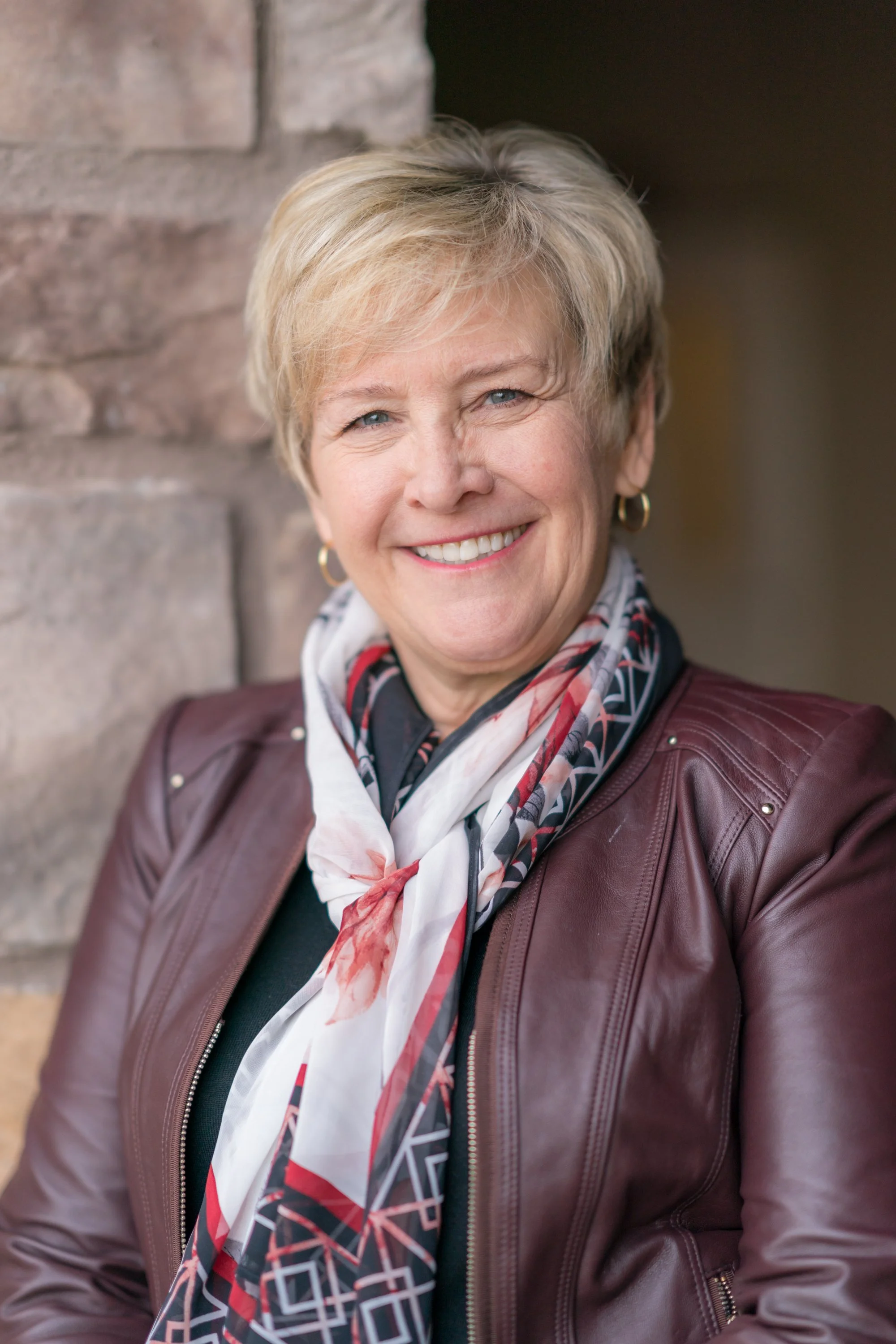
Mary Miller
CEO and owner | JANCOA
Mary Miller, the CEO and owner of JANCOA, has lived through the process of building sustainable, systems for inspiring individuals to overcome obstacles and pursue their dreams. Through keynote speeches and focused workshops, Mary showcases her forward-thinking and caring, entrepreneurial spirit. She is known for her ability to motivate individuals to focus on life’s positive aspects—including each individual’s uniqueness and personal power.
Accomplishments
Through the process of improving JANCOA’s culture and taking care of employees, Mary and her team implemented support systems and practices that:
-
Dramatically reduced turnover at JANCOA
-
Improved employee engagement, leading to increased efficiencies and profit
-
Developed The Dream Engineer program at JANCOA, alongside her husband Tony Miller, to inspire team members to Dream Big. Through conversations of encouragement and connecting individuals with existing community programs, team members improve their quality of life and work toward a brighter future.
-
Released her own book, Changing Direction: 10 Choices That Impact Your Dreams, practical choices anyone can make to move from victim to victor to create the life of their dreams.
In addition to being JANCOA’s CEO, Mary is an associate coach for the Strategic Coach working with fellow entrepreneurs to balance their careers with life, while increasing income, working less and enjoying the process.
PODCASTS FOR THE FAITH DRIVEN ENTREPRENEUR
Featured



Episode 200 – Host A Party. Watch What Happens Next.
The global Faith Driven Movement is well served by a virtual conference that is “attended” by a network of local Watch Parties. Director of Operations Sue Alice Sauthoff sits down with several Watch Party hosts who have gone on to spark a movement in their own neighborhoods as a result. Listen to this inspiring conversation. Who knows how God might inspire you to host or join a local Watch Party of your own?
All opinions expressed on this podcast, including the team and guests, are solely their opinions. Host and guests may maintain positions in the companies and securities discussed. This podcast is for informational purposes only and should not be relied upon as specific advice for any individual or organization.
Episode Transcript
Transcription is done by an AI software. While technology is an incredible tool to automate this process, there will be misspellings and typos that might accompany it. Please keep that in mind as you work through it.
Henry Kaestner: Welcome back to the Faith Driven Entrepreneur podcast. Today is, yes, you guessed it, a special episode, and I say that a lot and every time I say it, though, it’s true. And today, though, is maybe a little bit extra true and that we’re doing a little bit of a behind the scenes about what makes Faith Driven Entrepreneur work. And so I’m with the person who makes all that happened behind the scenes, our director of operations Sue Alice Sauthoff from beautiful western North Carolina, Sue Alice. Thank you for being my co-host today.
Sue Alice Sauthoff: It’s great to be with you today, Henry. And it is a beautiful day in western North Carolina today,
Henry Kaestner: and every day is a beautiful day in North Carolina and I miss I miss North Carolina. Guy called me out here to the West Coast, but I miss it. I miss it. OK, so today is a chance for us to talk to our audience and help them to understand a little bit more about what their part of this broader movement that they found themselves in. When we think about our strategic plan and where God has called us with Faith Driven Entrepreneur, we come down to two things that we really feel are things that we focus in on number one content, and the other one is community content. You’ll understand, of course, the blog and the podcast are Eric Content Community, and many of you are familiar with FDE groups. We had FDE groups in the January Shepherd cohort. I guess we had six hundred plus faith driven entrepreneurs getting together in the community from 88 countries. A place, though, where content and community come together is our conference. And yes, I think it’s probably pretty easy for people to understand about how that means great content. You’ve seen it before. We’ve had several and we have some of the very best minds across Christendom from dude perfect at Tim Keller talking about what they see God doing in the marketplace as a way to equip, empower, encourage a Faith Driven Entrepreneur. But what many people might not know is that actually really learns in the community as well. A couple of years ago, as Rusty probably told you in the intro, we had a volunteer that said, You know what? I’d love to go ahead and do it watch party. We had an online event. I guess we had maybe 800 people and there’s one watch party. Well, last year we had 300 watch parties among thousands and thousands of people downloaded from around the world. That’s a really special time to come together and even in the midst of a pandemic to be able to celebrate what God is doing locally. And that’s one of the things that’s so key because entrepreneurship can be a lonely journey, but it doesn’t need to be an a must surely is not if we’re together in local community process and content and meeting people like yourselves. So oftentimes we hear from Faith driven entrepreneurs when people say, I think I’m the I thought I was the only one until I met these other 30 people to watch party. So two hours, thank you for joining before we introduce our guests that are great representatives from the Faith Driven Entrepreneur community who’ve been such a great encouragement to both of us. Who are you? And where do you come from?
Sue Alice Sauthoff: Yeah, well, I’m Sewell’s Saraf. As Henry already said, I’m director of operations here at Faith Driven Entrepreneur. I live in a little college town in the mountains of North Carolina called Boone and have been a part of this faith driven team for just over a year now. And it is really exciting to just see how God has been bringing our team together and entrepreneurs and investors who are partnering with us in this movement as we are taking this mandate from God to go into the world as we’re called to create and find ourselves made in his image. We want to be a part of what he’s doing in the world, and so I want to go ahead and pass it over to our guests because
Sue Alice Sauthoff: they are the real stars of the show who everyone wants to hear from. So, Ryan Lacey, Martin, Bonnie, we’re really glad you’re here.
Sue Alice Sauthoff: Why don’t you tell us who are where you come from and how you got connected to the faith driven movement?
Lacey Ellis: Absolutely, yeah. My name is Lacey Ellis and I’m from Kansas City. I’m on the Kansas side. For those of you who are familiar with Kansas City. We’re kind of split in between Missouri and Kansas here. We live on the Kansas side and I’ve been an entrepreneur now for think it’s close to nine years. I can’t really believe it’s been that long, but it’s been about a year and a half since I got actually acquainted with Faith Driven Entrepreneur through a friend that has an awesome business, and we ended up figuring out we were both following after God’s call for our lives. And he said, You need to check out Faith Driven Entrepreneur. Have you heard of this? And I said, That’s a thing like what? I’ve been looking for something like this for so long. So I was so excited to hear that it was happening because, as you guys know, following God’s call and really co-creating with him is a very different path. And it’s just so encouraging to walk alongside other people who are doing it that same way. So that’s how I got plugged in. My first group was about a year ago. It actually started in January last year, so I got to go through the foundation. Eight-Week course with Steve Miller, who facilitated that group, and that’s where I got started.
Boni de Jesus: I’m Boni de Jesus. I’m 72 years old, by the way, and I’m married to one wife, Stella Sterling, and we have three adult children. One is unmarried and one I’m married, have one grandson. I’m a chemical engineer by college background. But I went into finance. I’m know freelance financial consultant and I help companies expand by accessing finance from banks and financial institutions. And we started this Facebook called Market Project Community before joining. We had small groups talking about all of these things. And then one day one of the members of the market project, I must say, I said, You called me and you attended actually one of the conferences a year ago that was 2020 during the pandemic that they called me. And he said that there’s this group called three BAM to be your best or he wants me to be in the store. I said yes and I was introduced to Christianity. And it was a breakthrough, actually, because it’s not easy to start a movement. The market projects a movement without any more. There are company. It’s not easy to do something you feel that the Lord is asking you to do and you feel like, are we the only ones globally? And when you talk to Christine, I saw God doing something globally where we were just a part of, and that’s for us very important. That’s very significant for us.
Martin Kibisu: My name is Martin Kibisu and I love working with entrepreneurs. So I think that’s important to note I really believe. But and apprenticeship is the answer to a lot of the challenges we face with exposure to reduction with eight unemployment. Yeah, I believe so. Where do we come from? I come from Nairobi, Kenya. That’s where I live. And I connected with the faith driven movement through a gentleman that I met who’s become a very good friend, Mr. Aigburth. So we met with him over lunch. I was introduced to him by a mutual friend and we met over lunch and we just took it out. So that’s how I learned about and got invited for the first Faith driven entrepreneurs meeting. Yeah. So there is no connection through it, but so I consider myself as a support system to the enterprise. So I have attempted entrepreneurship in the past, but the passion I have is to come alongside the enterprises because I have a vast experience in the corporate world on strategy development, on innovation management. And my training is I have a master’s in organizational development and I’ve worked in the aviation space for over 15 years in different roles. Whether it’s project management, change management, innovation, continuous improvement strategy. And so my passion is to be able to take that skill that I’ve learned over the years and use that to be able to put into print to support them in terms of help them put structure. I have them come up with proper strategies that would enable them build businesses that will outlive them and that will have an actual impact.
Ryan Crozier: Well, one is Ryan Crozier. Romania is an incredible country for those of you that have been and if you haven’t yet, you’ve got to come. It’s amazing.
Henry Kaestner: It is amazing. So a quick plug on Romania. Henry Kaiser. It was one of the great highlights of my professional career, my ministry career, which one in the same was being with you all in October. And this the warm reception from Faith driven entrepreneurs and five different cities in Romania. And it’s amazing what God is doing there. An incredibly beautiful country. We had an event, of course, in Transylvania, which my kids thought was really, really cool. But colder than that is just this ecosystem that’s been developed through your leadership and so many others. So yeah, Romania is awesome.
Ryan Crozier: I’m very blessed just to get to be part of it, and God’s doing some really cool stuff here. And there is, as you experience the desire among Christian entrepreneurs to wow, like you said, to find community and to be themselves and get to be an entrepreneur and talk about faith in God is it’s rare environments where you feel safe to do that. And you guys have helped create that. And so we’re really glad to just to be part of it. And it’s been fun to be on the journey here as God is moving in this country in incredible ways.
Lacie Ellis: I’m so glad to have you guys here. So let’s start with the why behind faith driven movement. How you guys got connected, Lacey, you kind of alluded to this already, but dove in a bit more to why is the faith driven movement important to you and tell us, maybe even just practically how it has made an impact in your lives over the last few months, years as you’ve been connected?
Lacey Ellis: Yeah. So it’s always been really important to me. As I started my company back in 2013, I actually didn’t even really think of it as starting a company so much as I thought of it, as partnering with God and really following this calling that I had to create this tech product found out pretty quick as I plugged into the entrepreneurial community here in Kansas City that, well, Lacey, that’s going to have to be a company because if it’s not, there’s not going to be any way to raise money for it and to really do what needs to happen to bring this to market. And so I said, OK, Lord, OK, friends, we’re going to figure this out. And so I started learning how to raise money and do everything that it takes to essentially become an entrepreneur and to start a company. It was definitely the most challenging thing I’ve ever done in my life, especially since my background is art direction and design, and I’m having to learn how to build projections and investor decks. It was a whole new vocabulary, everything. Thankfully, the Lord sent lots of amazing people that made that possible. No way I could do it alone, but the whole time I’m thinking, you know, I would love to walk alongside or being community with other entrepreneurs who are doing this, not just to build companies that are about making money, but really fulfilling a calling to co-create with God. Like, I knew there had to be other people doing this. I just didn’t know where to find them. And even though I was so deeply plugged in to the community here, nobody talked about it, even if I would bring up matters of faith. Once you get comfortable people, you start talking about your lives and you meet people that are comfortable talking about it. But still, there is no organization here, nothing even through the church that I could find. And so I just always kind of had that in the back of my mind. I wish there was community, I wish there was a space and people that I could talk about this with. So honestly, when I heard about this movement in this group, I was just so excited to start getting plugged in, and that’s kind of what got me to this point. And then it’s just over the past year really been huge for my own personal journey and my business journey to meet people continually. I didn’t really think that I would actually jump in and host a watch party or do any meetings at that time. But I was really encouraged by Steve, who was the facilitator in the group that I was in the first group last January. And then he connected me to some people here that I had never met before here in Kansas City, who were really excited about it and had some connections to faith driven. And it just started to bloom, and I could tell that the Lord wanted this, that it wasn’t me. I always know that it’s God moving when it’s not Laci willing it into existence and it just starts. It starts happening and people start coming and things start kind of falling into place. So I really just wanted to be a steward to just let this be God’s, and we were able to connect.
Lacey Ellis: So Martin and Bonnie, how did you guys pull up your event? Give us the details.
Lacey Ellis: How did you decide to host, who’d invite and all of those details?
Martin Kibisu: We got a couple of enterprise ideas about 30 give or take 30 35, and we met at a place called Harry Haight, some restaurant called Skip’s. So we had two screens and we planned to have some snacks and buy things because the idea behind it is we had then to produce come earlier and we wanted people to meet and get to know each other and get to connect and get to network and get to fellowship a little before the watch party began. And so after that, of course, we had to watch party and post the words, but we had a Q&A session, which was also very insightful and informative, where then the producer would talk about what is it that was the biggest inspiration for them? What was their biggest take home, what impacted them? And so the which part was really impactful. I mean, like because of one, the content, the different case studies. I think for me, as you remember the guy who who designed a little coffin to be interesting, but the different case studies and interpret as really being able to feel a connection because they are also in the trenches to see other people in the trenches who go on ahead of them. And maybe it’s coming back to tell them how they did it and the challenges they face and how they. Fight to stay on course in terms of I’m a person of faith and compromise my faith. I will also value people over money. That was it. I think the watch party was a very good preamble to the Faith Driven Entrepreneur groups that then I got the privilege of leading because then the words parties almost like it gives you a sneak peek into what the Faith Driven Entrepreneur ERG movement is about. What I’m going to have to done, as I’ve alluded earlier, is able to lead and FDE group of about 15 people, 15 members, different into producers from different places. And it was during COVID. So most people were holding their stuff online. But we wanted to do an in-person meeting just to be able to connect better. And it was very impactful. Literally, every single day, they kind of sometimes encouragement, sometimes transformation. Somebody would come for an entrepreneur who would come for a meeting, like a young lawyer who just tired of his law firm. And after the meeting, we had a lot of conversations like this is exactly what I needed for today at the end of myself. And today’s session has just lifted me up and given me New Hope somebody would come and say, Wow. Today’s session has clarified why I need to stand firm and not compromise my faith in my principles. And we had a lot of stories like this, and we will not somebody who gave their life to Christ through the FDE movement, the decisions we had and we had people coming out of the group of those living that then went ahead to lead other groups. So I feel like the words, but it was a good preamble to usher people into the FDE groups that then enables Faith driven entrepreneurs to understand the value of the FDE movement. Yeah. So it was really important
Boni de Jesus: that this conference in 2021, I invite that some pastors I invited some members of the market project and some of them called me up after that one Praxis. And they said, What is this? I get one taking down notes, and it’s so good. You know, it’s revolutionized my thinking. We changed the way I understood the gospel. And for me, that’s that’s a good start. There were about, I think, six to seven people and I took the number for start, and I believe that I scene was planted in the people who attended. God is a creator God, and he created us his image and likeness, and therefore we’re able to create a vision of how we see it. Why is it that some people don’t know that they should? Because like most of us in the Philippines, we were trained to think that we need money, that we need full of money, and therefore that life is going to get stronger. As the saying goes, the guy looks like a boy. Life gets even harder and harder. And if you raised in that kind of environment, the moment you reach the age of fending for ourselves, we’re looking for just an employment and be able to make money, not realizing that we have got to give things that are even more valuable than money. So that’s where either an interpreter. Dealing with interpreters. And when they saw that in the Bible, I realized that everything is in the Bible.
Henry Kaestner: Super cool. Super cool to Alice. There are likely some listeners that are saying, Wow, this sounds really cool. I think I could launch a watch party. How do I get started? But before you do that, please also mention a little bit about this year’s conference is really special. It’s going to be a little different than last year. We can have a little bit more time for people to gather and interact in between speakers. But it’s going to be broadcast from a pretty special place. Tell us about it.
Lacey Ellis: Yeah, we are so excited. September 28 Faith Driven Entrepreneur September 29th Faith Driven Investor We’re going to be coming from Nairobi, Kenya. There is such a vibrant, entrepreneurial and investor community in Nairobi, and we are so excited to partner with some of our friends there to host the conference from Nairobi. As Henry said, we are going to adapt the format just a bit so that we can do exactly as Lisa alluded to, that we’re able to open up a little bit more space in the time of day for everyone to just stop looking at the screen and start turning and looking at each other and talk about what impacted them. We have some incredible speakers that we’re just starting to share a little bit about who those are. But we are really excited. We have Andy Crouch coming back. He’s always a favorite. He’s going to be talking about reclaiming the right balance of relationship and technology. Strive Mathekga is going to be joining us to talk about opportunities in Africa if we’re sold out. Jenny Allen is joining us to talk about. Importance of finding our people, our community, which is just what we’ve been talking about, and you have Tim Tebow talking about spending weeks in Africa and just what that has done, even in his own life in his journey as a Faith Driven Entrepreneur. David Greene from the Hobby Lobby and Enterprise is going to be talking about running a family business. And then we also have Nicky Gumbel from HCB Alpha Course is going to be joining us as well and several other voices from across Africa. I’m not going to give too much away because we want to direct some of us along to keep people excited. There are so many more incredible speakers to come. But as you heard, Ryan and Lacy say, what’s so exciting is that this is a global movement. As you’ve heard us say, we are in the podcast goes to over 150 countries around the world. But what really makes it special is when this global movement takes roots in the local community. And so, as you heard, the passion from both Ryan and Lacey about what this has done to bring together entrepreneurs and investors in Romania and Kansas City, I’m seeing it in my own tiny little town of Boone, North Carolina, right now as well. There is just something so exciting about seeing transformation come in the place that you live with the people that you pass at the store and as you’re driving down the road or that you’re sitting beside in church each week. And so we want to make that opportunity just so easily available to any of you. So all you need to do to host is have a screen and a space and invite people. That screen could be in your house. It could be in your backyard, it could be a boardroom, a local church. Actually, I think there is rumor that there might be at a castle in Transylvania at some point. I mean, if you have a castle, use that too. So wherever you have the screen and the space to host people to bring them together, whether that’s five people, 50 people, 500 people, whatever that looks like for you, we want to help equip you to open that space so that you can spark this movement in your local community. Find other entrepreneurs and investors like yourself who love Jesus and want to see transformation come where you are. All you have to do is go to our website Faith Driven Entrepreneur live dot org or if entrepreneur is really hard to spell for you, like it can be for me, Faith Driven Investor live dot org as well. Go on there. It’ll give you all the details about hosting. You can connect with our team and we’d love to just start a conversation about how you can be that spark in your community.
Henry Kaestner: Indeed, to ask one of the things I want to do is close out our podcast time, like we do with everyone asking What is God telling you through his word, through the Bible? Maybe it’s today, maybe sometime recently, but we believe that the Bible is alive and hoping you can unpack something that he’s speaking to you about.
Ryan Crozier: You, for me, I have one son, he’s eight years old and I just got a Bible with kind of a margins to write, and so I started going through the Bible, just underlined and highlighted and taken notes and prayers for him and want to gift it to him when he’s 18. And man has really just let my fire
Henry Kaestner: better than scripture. That’s better than writing down trash talk, by the way.
Ryan Crozier: Yeah, I’m enjoying it, and it’s been more helpful for me and my spiritual life. You know, now that’s the benefit as well. But I came across some thirty seven trust in the Lord and do good dwell in the land and befriend faithfulness. And man Henry, I can really struggle to trust God, especially when it comes to business. And so that just jumped out for me and for me specifically because I love doing good. I have good all over lead, a nonprofit called Good Bureau, and even our agency name is the Romanian word for good. And so I just love that trust in the Lord and do good and dwell in the land. Now I live in a land that I know God has called me to dwell in. And so it just man jumped out for me, and I remember I came across that scripture right before moving here, and it was just around the same time. It disobeyed 10 years living in Romania. So it just kind of reignited that passion and the love I have for this nation and my calling. And yeah, it just meant a ton for me enough that I went to Etsy and I found a thing where I can put it on the wall. If you can get me to sign up for Etsy, that was meaningful.
Henry Kaestner: That’s a great encouragement. Super cool, lacy. I love
Lacey Ellis: it. Well, there’s a couple. I’m trying to decide which one. I think I’m going to go back to my tried and true. So my life reverse is Proverbs three, five and six, which most people know and just trust in the Lord with all your heart. Lean on on your own understanding and all your ways. Acknowledge him and he’ll direct your path. And so that’s been my first since high school, and it’s been really interesting to see how God has shown me new things in different seasons of my life. And I would say specifically, as I’ve gotten into the entrepreneurial journey to think that the Lord knew that I was going to be here is a really cool thought, right? Like, I knew that he was giving me that verse back then for a reason. But now it takes on such a different and powerful meaning because so often the journey of the entrepreneur is fraught with risk, and it’s a little bit unsettling and you just don’t ever really know what’s next, and you just have to really trust that God is there with you and that he will make your path straight, that he will guide you, and that you’re really with him. And so, so often I just think about that verse, and I am encouraged that he’s right there with me, that he’s my father, that he’s walking beside me, that he’s in control of the outcomes and that I’m just supposed to to walk, walk with him and to have faith and know that we’re going in the right direction.
Henry Kaestner: That’s a great word from you both. And I’ve got to be careful about taking God’s word and bring it too much into the thing that we’re talking about today. And yet I can’t escape the concept of dwelling in the land and what that looks like as we get involved in local community and watch parties and groups. So thank you both. Grateful for you. You’re both such incredible encouragement to me, Solis and our team here. May God bless you and all the listeners to this podcast. To find out more, two hours closes out final instructions.
Lacey Ellis: Yeah. To find out more about hosting a watch party, go to Faith Driven Entrepreneur Live dot org or Faith Driven Investor Live dot org. And you’ve heard us also talk a lot about groups. If you go to our website Faith Driven Entrepreneur dot org slash groups, you can learn all about what it’s like to jump into a community of ten to 15 like minded entrepreneurs, just like you looking for a place to connect with others like them online in person. We have groups all over the world and would love for you to join us there.
God Loves Cabinets, And The Cabinet Maker
— by Steve Bell
Where is God when businesses struggle or fail? Steve Bell, an award-winning entrepreneur, has dealt with this profound and painful question numerous times throughout his career. Bellmont Cabinets is a cabinet manufacturing company near Seattle, Washington. The company has won numerous awards for high quality, innovation, community impact, and service. But Steve’s journey has been far from easy: two near bankruptcies served as crucibles to form his faith and lead him to a new understanding of how God measures success. Steve shares a snapshot of his journey below which beautifully illustrates the differences between God’s definition of success and our own.
I was very naive, I was 28 years old. We were doing tenant improvement work at the time. We’d go into an empty space and build it out. But I was starting to have trouble getting money from these guys for whatever reason. Then I got a phone call from my attorney one morning and he said, Steve, are you sitting down? I go, Yeah. He goes, Well, you better pick up a copy of today’s Seattle Post-Intelligencer because your body is on the front page. He just got arrested in an FBI sting operation with a briefcase full of cocaine. These two guys that I was contracting for were involved in a drug smuggling ring with organized crime. They owed us about $100,000, and we owed nearly all of that money to everybody else… Suppliers and subcontractors and employees. And we just lost it all.
And I remember coming home one day. I was up in our bedroom. And I just laid on the floor and I told my wife that I had really messed up. I didn’t know how I was going to make the House payment. I didn’t know how we were going to eat that month and. Well, Carolyn came in, laid down with me and put her arms around me and said, “Steve, I believe in you… God will provide.”
I remember sitting in front of my attorney, an accountant, and they looked at me and said, Steve, you’ve just been had. And I said, you know, I know it doesn’t look good. I don’t know how, and I don’t know where. But if it takes me the rest of my life, I’m going to pay these people back. And I remember the attorney saying that’s not the way the world works. Within a month, you’ll have a dozen lawsuits filed against you. Bill collectors will be harassing your wife day and night. Your life is going to become a living hell. I said, sir, life’s already a living hell. And maybe you’re right. Maybe this is what I’ll have to do. But first, I’m going to try it my way. They sent a letter to every single person I owed money to explaining what happened. And then I followed up with a personal visit or phone call and told them that all I had to offer them was my good name. If they would trust me, I would pay them every dime with interest.
Folks had been reading these trade magazines and learning about this thing they called ‘frameless cabinet’, which was kind of a novelty at that time. To me, it looked really simple, it looked really efficient. And in 1986 / 87, I switched cold turkey and started building frameless cabinets. Dealers started asking me to build cabinets for them, and that’s when the lights went on… I realized that, hey, maybe I could build a business around manufacturing.
Eventually, he was actually making good money again. It took us six and a half years to pay off every bill. It’s often been said that overnight success in business is 15 years, and for me, it took a little longer.
In 2004, I bit off probably way more than I could chew, but we built out this one hundred and eighty five thousand square foot facility, and we moved into it in April of 2006 and we saw a huge upswing in business. We don’t apologize for success in terms of growth and finance. 2006 was a great year. Seven was a great year and 2008 was a fantastic year. And then our world fell apart in November of 2008. Someone just turned the faucet off. We had our first big layoff in November of 2008. One year later, we had gone from over 200 employees and by November of 2009 we were down to 85 people.
I’ve always made it a practice of spending time in the word and time in prayer. And I remember one night I sat here in my office. I couldn’t sleep all night long. I felt like Jacob wrestling with the angel up until I was wrestling with God, why are you allowing this to happen to us? We’ve been so faithful all these years. And God kept saying, Do you trust me?
Since that time, we’ve grown five-fold. Today, we unabashedly want to be successful because that is the scorecard. If we are successful financially, then we’ve got 300 employees that can go home with their paychecks and take care of their families… thousands of customers that can enjoy making a meal around a beautiful kitchen… dealers who make a living by selling our products and installing them, and all through that food chain, people are being blessed through God’s common grace. It really does give me a great deal of joy to know that I’m a conduit of His grace.
God loves cabinets, and the cabinet maker.
This article has been adapted from an original video series produced by Faith & Co. in partnership with Faith Driven Entrepreneur.
Related articles
Featured






OCEAN Accelerator Demo Day 2022
— by Greg Pittman
This Spring, on May 19, 2022, our good friends at OCEAN will be hosting their Accelerator Demo Day!
This is the culminating event of OCEAN’s 16-week accelerator program that helps early-stage entrepreneurs build high-tech venture-backable startups through a combination of a unique curriculum and rich mentorship while taking founders on a concurrent spiritual journey.
Even more exciting, is that for its 8th cohort, OCEAN is bringing Demo Day to Atlanta! Demo Day 2022 will give the founders of OCEAN Accelerator Cohort 8 the opportunity to pitch their companies to a room of investors, fellow entrepreneurs, and friends & family.
This is a great opportunity to meet other faith driven entrepreneurs and investors from across the movement and the growing faith driven community in Atlanta.
Demo Day 2022 is on Thursday, May 19 in West Midtown Atlanta at the beautiful Garden City Events space. Cohort 8 founder pitches will be from 3pm-4:30pm followed by a Happy Hour for all in attendance. There is no cost to attend! To learn about the Cohort 8 companies and register to attend Demo Day visit: oceandemoday.com.
Recent articles
Featured



——
[ ]
Whose “Will” Be Done?
— by Paul Michalski
data-animation-override>
“One of the biggest traps we fall into is the belief that if we have faith, God will surely lead us to success in the world.”
There are many ways to express the essential choice faced by every faith-driven entrepreneur every day in every decision:
-
Why vs What
-
Abiding vs Striving
-
Purpose vs Agenda
-
God’s Kingdom vs World’s Kingdom
-
Faithful vs Willful
For purposes of this discussion, let’s just focus on the last expression—“Faithful vs. Willful”.
“Faith-Driven” vs “Entrepreneur”?
How does a “faith-driven entrepreneur” navigate this choice? Even the phrase “faith driven entrepreneur” seems to hold the tension of the “faithful/willful” dilemma. On one side of the choice is “faith-driven” and on the other side is “entrepreneur”.
A “faith-driven” person wants to put God first. They want to follow God’s lead, wherever it may go. They understand that everything they have belongs to God, and they want to surrender their goals and desires—their “will”—for God’s “will” to be done. They want to live their life in alignment with Biblical beliefs, values and priorities. The faith-driven person measures success in terms of obedience.
On the other hand, an “entrepreneur” is a businessperson building a business in the world. They have analysts, markets, investors, employees, and customers to keep happy. They have financial metrics to track and hurdles to achieve. The world of business measures success in terms of profit and growth. They are expected to be ruthlessly “willful” in their effort to achieve increased profits and growth.
Ignoring the Tension
Some “faith-driven entrepreneurs” believe there should be no tension between “faith-driven” and “entrepreneur”—being “faith-driven” should lead to success as an “entrepreneur”. In fact, there is content floating around the faith and work movement that tries to draw people into faith/work integration by emphasizing how God will bless their business with increased growth and profit if they integrate their faith into their work and run their business as a “Christian business”. The promise of blessings may be direct, or it may just be implied.
I call this “vending machine theology”. In vending machine theology, God is like a vending machine–if you put in the right stuff, good stuff comes out. In the case of faith/work integration, that “good stuff” is a financially successful business with higher profits and extraordinary growth. It is a prosperity Gospel applied to business.
The problem with this “theology” of faith and business (other than the obvious theology problem) is that it starts leaders out with a corrupted “WHY”. It puts faith/work integration in the same bucket as Six Sigma, TQM, JIT, Lean, etc.–something that has helped others prosper and is worth a try as long as it works. When faith/work integration is adopted as a means to any end other than glorifying God, the entrepreneur will continue to be “faith-driven” only as long as it is not in conflict with being a successful “entrepreneur”. As Larry Crabb wrote:
Biblical principles are reduced to basic principles of the world when they’re followed in order to gain the “better life” we demand.
Ignoring the tension of the faithful/willful choice in this way is actually choosing “willful” and convincing yourself it is “faithful”.
Accepting the Tension
“Faithful vs willful” really is a daily choice that a faith-driven entrepreneur must accept and wrestle with. In the words of Oswald Chambers:
One of the biggest traps we fall into is the belief that if we have faith, God will surely lead us to success in the world.
To be “faithful” rather than “willful”, a faith-driven entrepreneur must first accept the tension:
-
Choosing “faithful” can’t be a means to an end–it must be the end in itself.
-
There are no guarantees that pursuing “faithful” will lead to greater financial success.
Having accepted the tension, the faith-driven entrepreneur can begin to make choices—faithful or willful. In reality, “faithful vs willful” is really just a choice of “wills”. The daily choice is “God’s will” or “my will”—“faithfully” seeking first God’s Kingdom and righteousness or “willfully” seeking first my kingdom and my worldly success.
Choosing “Faithful”
Choosing “faithful” is about “keeping first things first”. C.S. Lewis wrote “Put first things first and we get second things thrown in: put second things first and we lose both first and second things.” The Bible is pretty clear about what is a first thing and what is second thing.
-
But seek first the kingdom of God and his righteousness and all these things will be added to you. (Matthew 6:33)
-
Whoever pursues righteousness and love finds life, prosperity and honor. (Proverbs 21:21)
-
The reward for humility and fear of the Lord is riches and honor and life. (Proverbs 22:4)_
In the “faithful vs willful” dilemma, success at “faith-driven” must be the first thing and success at “entrepreneur” is the second. The hard part is keeping first things first and pursuing them simply because they are “first things” and not in order to get the “second things”.
Pursuing “Faithful”
I believe there are four keys to a faith-driven entrepreneur successfully pursuing “faith-driven” as their “first thing”: Humility, Trust, Patience, and Prayer.
Humility. Navigating the tension between “faith-driven” and “entrepreneur” requires Godly wisdom, and humility is a key to wisdom. The link between humility and wisdom can be seen in Proverbs 11:2:
When pride comes, then comes disgrace, but with humility comes wisdom.
God is the source of all wisdom, and the Bible tells us that God will give wisdom to those who ask (James 1:5). The faith-driven entrepreneur who operates without the humility to recognize the need for God’s wisdom and the need to pray for guidance is destined to run aground on the rocks of the “faithful/willful” dilemma.
Trust. Of course, even the faith-driven entrepreneur who has the humility to recognize the need for God’s wisdom will only get the benefit of that wisdom by trusting God’s process, timing, and outcome:
-
Process: God’s process is often counter-intuitive and counter-cultural.
-
Timing: God’s timing often seems excruciatingly slow.
-
Outcome: God’s best outcome for a business (the “all these things” promised in Matthew 6:33) may not be the world’s best outcome.
Prayer. The importance of prayer in pursuing “faithful” seems so obvious. Unfortunately, many faith-driven entrepreneurs do not associate God with business decisions. Oswald Chambers observed:
In spiritual issues it is customary for us to put God first, but we tend to think that it is inappropriate and unnecessary to put Him first in the practical, everyday issues of our lives.
God’s wisdom comes through prayer. Of course, praying for a particular process, timing and outcome is NOT praying for God’s wisdom, and ignoring God’s wisdom to pursue your own process, timing or outcome is NOT wise–it is choosing “willful” over “faithful”.
Patience: It is difficult to read the Bible and not walk away feeling woefully impatient. God’s story is full of people who patiently waited and persevered (the first cousin of patience) a LONG time–a VERY LONG time. Remember Abraham (waited 25 years for Isaac), Jacob (waited 14 years to marry Rachel), and the most patient of all, Moses (40 years in exile and then 40 years in the desert).
There are also stories of characters who got impatient and tried to short-circuit God’s timing (and God was not pleased). Remember Sarah (Ishmael was NOT the fulfillment of God’s promise) and Saul (he got impatient and offered the burnt offering himself–NOT a blessing after all).
Choosing “faithful” over “willful” in leading a business is “playing the long game”, and that takes Biblical patience (and perseverance).
The Risk of “Faithful”
In his book To Change the World, James Hunter warns:
To enact a vision of human flourishing based in the qualities of life that Jesus modeled will invariably challenge the given structures of the social order. In this light, there is no true leadership without putting at risk one’s time, wealth, reputation, and position.
I believe choosing “faithful” over “willful” in running a business necessarily leads to pursuing the maximization of human flourishing (with profit becoming a means to that end rather than the end of the business).
As such, choosing “faithful” over “willful” in leading a business challenges “the given structures of the social order“, which in a fallen world will certainly bring resistance. Resistance is likely to lead to dilemmas–times when the challenge for a faith-driven entrepreneur trying to pursue “faithful” over “willful” will be prayerfully seeking God’s wisdom, choosing one of two imperfect paths based on a balancing of God’s commands and then trusting in those commands and God’s sovereignty and promises. Choosing God’s “will” to be done.
Editor’s Note: This article was originally written by Paul Michalski of Integrous LLC and shared with Faith Driven Entrepreneur for publishing. Republishing must be approved by the author.
Related articles
Featured
A statistically improbable success story reveals how a difficult childhood and corporate rejections became stepping stones to purpose. Former Meta global faith partnerships leader Nona Jones shares how entrepreneurs can transform rejection from pain into powerful opportunity. Through candid stories about comparison, identity, and divine redirection, she shows how faith-driven entrepreneurs can build from calling rather than ambition.