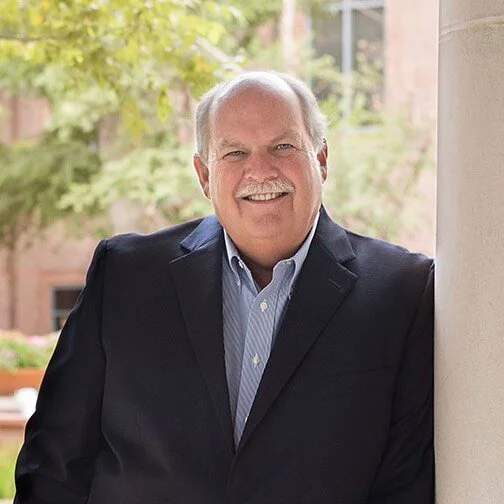





Shae Bynes

Founder | Kingdom Driven Entrepreneur movement

I’m a woman (and wife and mommy) who loves God, loves people, and is wildly passionate about seeing others experience God’s best in their lives by walking in their Kingdom identity and authority.

My life and business were radically transformed by encountering the unrelenting love of God. What I’ve learned over the past decade is that the world truly is waiting to see the people of God reveal His glory through their lives. What an amazing privilege it is to be alive for such a time as this!

I have been blessed to reach over a half-million aspiring and current entrepreneurs around the globe through my devotionals, books, courses, and podcasts.  As a founder of the Kingdom Driven Entrepreneur movement (est. 2012), my teaching and mentoring have provided inspiration and practical strategies for doing business in partnership with God for greater Kingdom impact in the marketplace.

Whether I am sharing on platforms publicly as a speaker or consulting my clients privately, you can expect me to deliver an abundance of truth with love, grace, and contagious joy.

Some fun facts about me:

I’m a native Floridian and have a healthy addiction to sunshine, water, and majestic mountain views. I’ve been with my husband since the age of 16, married for 22 years, and we have 3 beautiful daughters.

CONTRIBUTIONS TO THE FAITH DRIVEN ENTREPRENEUR

From Chameleon To Integration: Perspectives On Lifestyle Leadership

— by John Hawkins

Jim was learning a difficult leadership lesson at a time of midlife evaluation.  Interestingly enough, this realization came from having dinner with his wife, Helen, his Vice President of Sales, Rob Chittington, and Rob’s wife, Sarah.

Dinner had been a celebration of the two couples’ twentieth anniversaries.  Four years ago, Jim finally convinced Rob to come work for his company, and since then, Rob had been a great addition to the organization.  He had also been a great sounding board and friendly critic for Jim.  Launching the company had been much more difficult for Jim than he could have ever imagined.  Rob’s trusted input and proven expertise were valuable assets to the company and to their friendship.

As the friends lingered over dessert and coffee, Helen posed a revealing question to Rob.  “In the four years that you have worked with Jim,” Helen asked, “what have you learned about him that you didn’t know before.”  A quick smile brightened Rob’s face as he considered the question.  Rob loved to receive feedback and likewise enjoyed opportunities to give feedback.  Jim braced himself, realizing that his faithful friend would be candid.

With sincerity, Rob quickly mentioned several of Jim’s strengths, giving examples of each.  He then turned to a specific challenge that he believed was before Jim.  “Jim,” Rob thoughtfully continued, “I believe that your desire for security and significance hampers your leadership.  Personally, I know you as a man of great integrity.  But in your leadership at work, you are often like a chameleon, constantly changing to avoid risks and win praise.  Chameleons are a wonder to watch but an exasperation to follow.”

 Want More Content Like This? Download The FDE App...

Want More Content Like This? Download The FDE App…

Proverbs 27:6 says, “Faithful are the wounds of a friend.”   Rob was indeed a faithful friend.  As the two wives stared downward, wondering how they could redirect the conversation to the happiness of the occasion, Jim responded to Rob’s comments.  “You’ve always been an honest voice of insight for me, Rob.  You are, most of the time, right on the mark.  Let’s get together for breakfast and you can explain to me further what you see.  And let’s keep meeting each week until we both believe that I have begun to address the problem.”

Rob happily agreed to Jim’s breakfast plan and reiterated the strengths in Jim’s life and leadership.  The dinner ended as it had begun, with enjoyment and appreciation for the years of marriage and the years of the two couples’ friendships.  As Jim and Helen drove home, Helen commented on Jim’s levelheaded response to Rob’s comment.  Jim replied, “I really believe that Rob is on to something.  Too many times, I feel like a chameleon, trying to figure out what color I must become next to play things safe and prove my worth to others.  As a leader, I’m constantly shifting, not firmly planted in my convictions.  I don’t understand all of the reasons I act this way, but I know this isn’t the leader I want to be.”

“I know that this isn’t the leader that I want to be.”  This isn’t an easy admission for anyone to make, but Jim’s feeling that he isn’t living up to his leadership potential is common.  As the years of our lives pass and the weight of our responsibilities increase, weariness and spiritual erosion can begin to wear down the quality of our influence.  Our focus as leaders can become fixed on basic desires such as survival, personal comfort, peace, and success.  As this happens, our leadership shifts focus, realigning toward self-protection and self-serving goals, rather than centering on service to others. 

The character, competence, and commitment of a lifestyle leader must be coherent with a clearly defined set of beliefs and virtues.  These beliefs and virtues contain what we understand about truth and the noble purposes we are called to accomplish.  Leadership founded upon truth and noble purposes stays focused on service to others rather than service to self.  This type of leadership exemplifies constancy and stability, rather than the ever-shifting, chameleon-like leadership in which personal goals replace beliefs and virtues.

Jim, in the opening story, is a leader whose leadership has shifted.  He finds himself in his early forties with a broken leadership compass.  He is a good guy who wants to be a good leader, but the internal compass that guides his leadership points in the wrong direction.  It continuously points toward personal security and personal significance rather than in the direction of core beliefs and virtues.  Though he realizes his compass is askew, it is hard for him to determine how he is off-track as a leader and what he must do to get back on the right path.  He knows that he continually changes according to the circumstances and that this is not the kind of leader he wants to be.

For a Christian leader, God’s Word is the source of core beliefs and God’s character is the source of our core virtues.  By core beliefs, we mean those precepts that make up ultimate truth.  These we find in the Bible.  Core virtues are those aspects of right heart, mind and actions that we see characterized by God the Father, Christ the Son and the Holy Spirit in the Bible.  Alignment with God’s Word and God’s character points the leader to steadfast, principled leadership.  It is built upon a prayerful ongoing intake of the Bible that leads to reflection, repentance and right action.  Integration of faith into our thoughts and actions is an internal change of personal culture.  By God’s grace, we must displace many things that we believe and value, learn new beliefs and values, and anchor those new beliefs and values into our daily life in all spheres of influence.  Integration of faith is indeed personal cultural change, and it takes prayer, time and reflection.

Fortunately for Jim, he has a faithful friend cheering him on as he focuses on integrating the truth of God’s Word and the righteousness of God’s character in his life and leadership.  It is still a challenging path ahead, but by God’s grace and Rob’s support, he’ll get there.

The original version of this article appeared in Leadership as a Lifestyle, John Hawkins, Executive Excellence Publishing, 2001.  You can learn more about John Hawkins at https://www.lead-edge.com/john-hawkins.

Related articles

Episode 179 – The Ruthless Elimination Of Hurry with John Mark Comer

John Mark Comer, author of The Ruthless Elimination of Hurry, a book that really should be a must-read for every Faith Driven Entrepreneur. As a reference, Scott Harrison, founder of charity:water and previous podcast guest has said “As someone all too familiar with ‘hurry sickness,’ I desperately needed this book.” Does hurry sickness sound familiar? Or maybe, you’re someone who knows that Sabbath is supposedly a great thing but can’t help but ask: who really has the time for that? Well, today, John Mark Comer is going to tell you why slowing down may be the only way to stay emotionally healthy and spiritually alive in the chaos of the modern world. 


Episode Transcript

*Some listeners have found it helpful to have a transcription of the podcast. Transcription is done by an AI software. While technology is an incredible tool to automate this process, there will be misspellings and typos that might accompany it. Please keep that in mind as you work through it. The FDE movement is a volunteer-led movement, and if you’d like to contribute by editing future transcripts, please email us.

Rusty Rueff: Hey, everyone, from wherever you are. Welcome back to the Faith Driven Entrepreneur podcast. If there’s an episode that you do not want to hurry through, it is this one because today’s guest is John Mark Comer. He’s the author of the book The Ruthless Elimination of Hurry. It’s a book that actually it’s a must read for every Faith Driven Entrepreneur and as a reference, Scott Harrison, the founder of charity Water, who’s a previous podcast guest. He said, as someone all too familiar with Hurry Sickness, Hurry sickness. I desperately needed this book. Does hurry sickness. Sound familiar? It does to me. Or maybe you’re someone who knows that Sabbath is supposedly a great thing, but can’t help but ask, who really has the time for that? Well, today, John Mark Komar is going to tell you why slowing down may be the only way to stay emotionally healthy and spiritually alive in the chaos of this modern world we live in. Let’s listen in.

Henry Kaestner: Henry, welcome back to the Faith Driven Entrepreneur podcast. I am here with Rusty and William co-host great friends. How are you guys?

Rusty Rueff: I’m doing great. It’s just it just feels like a great day, and I can’t tell you why, but just feels like a great day.

Henry Kaestner: It is a great day, is a great day. It’s it’s crazy tonight. I shouldn’t regard this episode so much. Tonight, our beloved Warriors play the Lakers. It’s a kind of a big deal when you’ve got three boys in the house.

Rusty Rueff: Yeah, the play in the play in game. The NBA couldn’t have scripted it any better to kick off the whole idea of the playoffs having the Lakers in the Warriors

William Norvell: and be sure to tune in next week to see if we’re sad or happy.

Henry Kaestner: Yeah, that’s right. That’s right. And I want to make sure that everybody knows that God and we love Faith driven entrepreneurs in Los Angeles. And that’s true. That’s true. But today we may lose some of those folks, but come back, come back next week. So I’m finding myself, I’m looking at today and I’m look at my schedule and I’m thinking, I even have time for the game. I mean, I’ve got so much stuff going on and I don’t know about you guys, but you know, I find that there are things that just are filling in that the spaces you’d think and I spent a lot of time on a plane and I’d feel like I’ve got all this time that I’ve gotten back. But I don’t know about you guys, but I’m not really feeling that me either.

Rusty Rueff: And I know we’re going to get to this. It feels like everybody’s in a hurry. It feels like everybody’s in a hurry, you know, because we’ve got to get going. We’ve got to get going. We’ve got to get going.

Henry Kaestner: Somebody should write a book about that.

William Norvell: Well, it really should. So I’m not a great writer, so I’m going to defer.

Henry Kaestner: So as it turns out, if you’re listening to this right now, you’ve probably seen the title. You probably understand that we have an author who’s written a book called The Ruthless Elimination of Hurry with us on the episode today, and we’ve all been really looking forward to this. This is something this is a book that William recommended to us, I don’t know, six or seven months ago. And so I went out and I got it, and I’ve got a copy in my hand right now. And something about it is just really compelling to me. Now part of it, I think I get the theme. And of course, we won’t be talking to John Mark today, but this is a book that has as its chapters in its topics. It starts off with here. I’ve got my finger on something is deeply wrong. I love a hint. The solution isn’t more time I thought it might have been, you know, I’m always thinking, Gosh, if I only had four more hours, if I had four more hours, then I’d be able to be like completely like Rusty. If I only had to sleep two hours, I’d be completely set.

Rusty Rueff: Unless you’re Tim Ferriss, four hours is enough.

Henry Kaestner: Yeah. You know, I tell you, you hear Tim Ferriss enough. I’ve never felt so inadequate. I can’t learn taekwondo in like three days. I can’t. I can’t do anything. Tim Ferriss does the secret of the easy joke. And then this is my favorite. Wait, what are the spiritual disciplines again? And so we have with us on the podcast, John Mark Karr, John Mark, thank you for joining.

John Mark Comer: It’s an absolute joy to be along. And I’m not about to get in fights about over the Warriors vs. the Lakers, although I did grow up as a kid driving up to see the Warriors play. So maybe there is an inner

Henry Kaestner: ring or there is. There definitely is lean into it, but you’re in Portland now. Do you follow the Trail Blazers at all?

John Mark Comer: You know, I don’t much. They are demigods in the city at times, but no,

Henry Kaestner: you don’t because the warriors are your team. OK, we’re moving on. We like to hear from all of our podcast guests about who they are and where they come from. So before we went live, I understand a little bit more, as you just alluded to, that you grew up in California, but talk to us about your beginning. Talk to us about whether you grew up in a Christian home or not. What that look like. Bring us up until the time that you wrote the book.

John Mark Comer: Yeah, I grew up down near you guys, son of first generation followers of Jesus who came to faith in the Jesus movement of the 60s. My dad, I mean, classic story, was playing in a rock band in the Bay Area in the late 60s 70s. His girlfriend invited him to a Billy Graham crusade. He sat in the back of the arena, and I think he would say that he thought it was ridiculous. And at the end, he found his body walking down the stairs to the altar call. Type of thing. So they came to faith and made a decision early on to kind of prioritize raising followers of Jesus with their four kids and the oldest of four as kind of the driving priority. He became a pastor, ended up, you know, playing drums at his church and ended up as the worship pastor and then later as a church planter. But pretty much he would always prioritize kind of parenting over pastoring, and his view of parenting was very much like priority number one is not how do my kids get into a great university or make a lot of money or learn to play excellent piano or type window or whatever your thing is? But it was very much like, how do I raise up followers of Jesus? So really grateful for that legacy and grew up in the church behind the walls of the church my entire life. You know, in these increasingly kind of secular and more and more progressive cities and context moved up to Portland as a teenager church planted here when my early 20s church kind of took off and hit a spot, let’s call it 30. It was sooner than that, but hit a spot where in my spiritual journey, I began to realize that something about the way that I was following Jesus was deeply off kilter. Because my experience of Jesus and my experience of discipleship, my experience of transformation was not what I was reading about in the New Testament. It wasn’t what I was reading about from the Saints and Sages of church history. I discovered the writings of Dallas Willard. It sure as heck was not the life that he was writing about living, and my experience was basically, I think this is a lot of people in a kind of western Americanized church, and this is not. This will sound more critically than I mean it. There’s no malice in my heart at all. But I think kind of through my early years of following Jesus because I’ve been with Jesus since a very young age, but through my teenage years through college, through my early 20s, there was this sense of let’s just use progress, and I’m not going to nuance that where there’s issues with that word, but a sense of forward motion or deeper motion. I felt like year over year. If the three kind of goals of discipleship are to be with Jesus, to become like Jesus and do what he would do if he were you. I felt like year over year I was more and more with Jesus more aware of him and in connection to him by the spirit, more of becoming more like him, more about the things that he was about and doing and saying the kinds of things that he was doing and saying when he was with us and the person. But that kind of hit a plateau, I would say, I don’t know, mid-twenties, where I felt the moment my discipleship began to bump up against like deep issues of my personality. Whether you want to call that any graham stuff or whatever you want to call that or just want to call it sin like sin that had literally been habituated into my body, neuro biologically was in my body, at a at a cellular level, at an impulse level, pre conscious thought level. Like all of a sudden, the way I was following Jesus was just like banging my head against a concrete wall or family of origin stuff or wounds from my past experience or cultural assumptions that I was still living in my discipleship kind of rubric. Just it was I hit this plateau and year over year I was not becoming more like Jesus or more and more with Jesus. And then the iPhone came out in 07 or whatever it hits the airwaves, so to speak. And then you have adulting. At this point, I’m now leading a megachurch in my late 20s. We have a staff of ninety three people or something like that. I’m nowhere even close to emotionally mature enough or relationally proficient enough to do this job. And now I felt like I wasn’t just on a plateau. I was actually like in decline. You know what I mean? I was like going in the wrong direction I was becoming, if you just take the fruits of the spirit as a basic, you know, metric for where you’re at with Jesus, I was becoming less loving, less joyful, less peaceful, less patient with each passing year. And so there was just like this real kind of watershed kind of early life midlife crisis moment that I just knew something was deeply wrong. And that’s when I was introduced to the saying from the philosopher Della Swiller. And I began reading his writings, and I was introduced with something he said to a mentee of his, where he said he called Henry the great enemy of spiritual life in our day and then said, this iconic line, you must ruthlessly eliminate Henry from your life. And the moment I came across that story, it hit my deep resonance in my spirit, like a tuning fork, like my inner soul, like bones started to tremor and a real sense of like that put language that put the finger on the pulse of what was wrong at some deep fissure of my life was just I was addicted to a life of speed, to the gospel of upward mobility that our American culture is so good at. Up into the ride, everything up into the right, faster, better. And that is a destructive ideology from the enemy. And so, yeah, it was a turning point in my life. When I began to make some radical changes, I resigned or demoted myself from the large church I was leading, made radical changes to my lifestyle, crafted a rule of life and digital rule of life, and kind of explored ancient Christian practices and kind of the deep way of Jesus down through church history, across time and space. And and it’s been just it hasn’t solved all my problems. Turns out, life is still hard no matter how you live it, but it has been a beautiful journey and this book was written out of that journey.

Henry Kaestner: Take us back to I’m Still Blown Away 93 staff is a lot for a company for anything, and it’s a lot for church. What was that environment like for you? Because I think that that hurry and expectation and this kind of uncomfortable place of trying to celebrate success because it looks like all the KPIs are going in the right direction, everybody’s kind of saying that things are going well, you’re probably getting a lot of affirmation. Mm-Hmm. And you know where to go? I’m so proud of you or something like that, but maybe I’m imagining that. What was it like? Obviously, the Dallas Willard quote was something that really shook you. But just what was that environment like with these well-meaning people around you? Were they cautioning you along the way, or were they just kind of like, Wow, guys doing something great here? Never seen it. Probably this way, but we must be really special. So it’s just let’s just keep on going the trends our friend and the momentum is awesome. What was it like both?

John Mark Comer: You know, I had good people, including my dad, speaking into my life, saying, You are going way too fast, you’re going to burn out. You can’t do it all. But the problem was I was caught up in a system that was designed in such a way that there was no possible way for me to live a Jesus like life, in my opinion. Different people have different capacities. I did not have the capacity to be who Jesus was calling me to be inside that kind of system of responsibility. But then on the other side, it’s exactly what you said. You know, that’s the weird thing. And churches, even good churches can fall prey to, I’m sure what you guys see in business all of the time where you literally get rewarded for bad behavior. You know what I mean, whether it’s workaholism or I’m sure at some point cut throat deals or whatever. But that’s not the thing in the church as far as you don’t get rewarded for that. But as far as man, you can be a raging success as a pastor and a failure as a human being and as a disciple of Jesus. The only one of the Ten Commandments that we brag about breaking is the Sabbath. We literally brag about on the first one of the office, last one to go. I work this many hours a week. It’s been this many days since I had a day off. We brag about it’s one of the Ten Commandments. Imagine, like, yeah, I had three affairs last month, you know, like bragging about sin by God. But we brag about it when it comes to rest life, rhythm balance. That’s how far the culture has drifted from Jesus vision of human flourishing. It was both. There were people warning me, you know, like, are red lights on the dashboard? But I was in the system where a man, it’s like, you’re on the freeway. Do you ever like tried to drive slow on a freeway and a bicycle doesn’t work. You’re on a freeway. You have to drive at a certain pace down a certain road. And that’s what it was like. That role was like for me. And then, you know, there’s lots of people that want to reward you. So I just had this moment. You know, there’s a really important moment that everybody hits at some point. For most people, I think it comes around 30 or 40 where you realize, you know, when you’re young, you’re human. Personhood feels really plastic. It feels really malleable, like 20 somethings. We’re always asking that question. You know, who will I become? What’s it going to happen with my life, my career, my marriage, my family? Who will I become? Well, you don’t realize is that feeling goes away? And at some point? It’s replaced by a wow. This is who I became. You know, you think of the saying you can’t teach an old dog new tricks. Who says that old people, not young people, young people like, what are you talking about? I can be. I can just you do you be who you want to be? You do what you want to do. And because we have this totally erroneous and infantile view of human personality that says, we’re like just this whiteboard that we can be whatever we want rather than what the ancients have always said, Christian. And not that you are the sum total of a bajillion tiny cumulative decisions that you have made over a lifetime. That habit is a form of character and characters, Destiny and C.S. Lewis said. At first, you have a choice and eventually you have a character. You live a certain way for a long enough period of time and you are forming the inner sense of who you are that inner part of you that chooses, you’re forming yourself into someone or something good or bad. Lewis also said We’re all becoming either immortal hoarders or everlasting splendors, which is why if you think about when I say this, a lot of sensitivity and no ageism at all. Trust me, my spirit. But if you think about elderly people, if you run kind of through your mental Rolodex of people in their 90s that you know, very few of them are like middle of the road character wise, like most 20 somethings I know aren’t really evil or really good, they’re just cool or whatever. They’re just twenty five. Most 95 year olds I know are either saints. You know, they repent at church or they’re weeping to the Lord’s Supper. You’re like, What are you repenting of your sins since 1987? I don’t know what you would even repent of. Like watching too much TV guide? I don’t even know, you know, or and we hesitate to say this, but most of us know these people. They are the most narcissistic, manipulative, unhappy, critical, impossible to please, you know, depressed people you’ve ever met in your life. There’s very few in between. Whereas with most 20-somethings, most people aren’t either extreme. They’re more in the middle. And that’s because you’re becoming a person. The question is what kind of person are you becoming? That’s why I don’t think discipleship is a Jesus thing. I think it’s a human thing. We’re all, we’re all discipline. We’re all following someone or something. We’re all becoming a person. The question is, are we becoming more like Christ? And in doing so, our true self? Or would becoming more like Tim Ferriss or whoever our hero of choice is? And this is why who we follow is the defining question of life. So I did hit that moment where I was old enough now that about 30, where I could kind of plot the trajectory of my character out a few decades and I can now imagine myself at 60, you know, 30 years down the road. And I can imagine, like, alright, if I stay on this trajectory over decades, what kind of sort of person will I become? And what I saw was terrifying. It was basically, I’m in a loveless marriage. My children want nothing to do with me because I was an angry, critical perfectionist dad who was at work all of the time. You know, I’m bitter about certain things. I’m miserably unhappy. You know, that happiness is the metric, but I’m not a well person in the I can chart myself. I was still theologically Orthodox. I was probably still the pastor, but I was not increasingly like Jesus through my personality. So that was a real turning point kind of wake up moment for me.

William Norvell: Wow. Wow, that’s amazing. I just hope everyone listening entrepreneurs who are finding their identity and things that maybe aren’t that and not trying to continue their character journey. Just listen to that and take that in. And Jim are going to dig into the book a little bit. As we discussed before we came on air. I’m that creepy guy that thinks I’m your friend, but I’m really not your friend, our church. And it wasn’t

John Mark Comer: creepy until you said it was creepy. Now I’m like, I know I need to be worried. Do I need to get off this call?

William Norvell: I don’t think so, but you know you can. Yeah, we’ve got mutual friends. You can ask them. But I’ve been a big fan. Our churches have had partnerships and done series together, and it’s just amazing. I’ve read your books, your garden city, you know, we’re not going to talk a lot about Garden City, but if entrepreneurs are listening, it’s in my faith and work starter kit. I usually hand people every good endeavor with Tim Keller and Garden City by John Mark and say, Hey, start here. You know, this will tell you what work and Sabbath and life was supposed to look like in the garden. So grateful for that book and grateful for so many of your teachings. We’re going to move to hurry. And as Henry mentioned, it’s something that rocked me. It did rocked my marriage and it reoriented our Sabbath. It made me think about so many things we’re about to talk about. So I’m excited for you to dove in a little bit and I would just ask you to jump in. I mean, for those that maybe haven’t read the book, we haven’t been convinced yet convinced them that Harry is not just a symptom, but actually a root cause for so many of the problems that entrepreneurs may face.

John Mark Comer: Yeah, you know, Carl Jung said, Hurry isn’t of the devil, it is the devil. And there’s, you know, that’s just a pithy saying, but there’s something in it. You know, when Willard said, Hurry is the great enemy of spiritual life in our day. It’s hard to even agree with that much less lived that way in a culture where hustle is a positive thing, not a pejorative, you know, and where the thought is, you know, do more, do faster. Go, go, go. And of course, you have great writers even from your neck of the woods, Greg Macfarlan and Cal Newport and others that are really pushing back on the myth of, you know, business equals productivity, you know, and that’s obviously your space more than MySpace. I’ve read just enough to be dangerous, but is my clear understanding that God bless Elon Musk, but 80 hours a week of hustle is actually not the best way to make a meaningful contribution or even grow your business or whatever your thing is. There’s deep work. There’s meaningful contribution. That’s a very different thing at a different pace. But again, I come at it more a little bit less through the angle of, you know, vocation or productivity, though I think that matters, and I think it matters for Christians to be thinking about that. I think, you know, you can make a very biblical case for work productivity because time is precious. You have the whole concept of redeeming the time in the New Testament, and life is like a vapor. But I come at it more again, just to the angle of spiritual formation of becoming more like Jesus of growth and maturity. You know, let’s again, let’s just take the fruit of the spirit as our metric Lovejoy peace, patience, kindness, goodness, gentleness, faithfulness, self-control. Hurry is incompatible with that entire list. So just think about love, you know, pretty much all of my worst moments, my most unloving moments as a husband, as a father, as a pastor, as a neighbor, as a friend, or when I’m in a hurry and I don’t have time to attend to my loved ones, to my family, to my community, or I’m there in body. But my mind’s going a million miles per hour and I’m texting because I didn’t get my work done for the day. And I’m not present to the person or I’m president, but I’m too emotionally exhausted to actually have compassion on them and connect with them on an emotional level. You know, I’m just I have three kids. I have a wonderful wife who’s late for everything. God bless her. Trying to get anywhere on time as a family is just like a minor war, you know? And some of my most unloving moments are when we’re late for something. Get in the car. I don’t have time. Stop crying. Get in the back of the car. We’ll talk about it later. You know, why do you always do this? Some of my most unloving moments, you know, and really most of life is interruption. C.S. Lewis again once said something to the effect of how you respond to an interruption is who you really are, which is like, Oh my gosh, you know, I respond terrible to interruption because I’m I don’t have enough time. I don’t have time for interruptions. This is not on my schedule and I have too much to do already. But most 80 percent of parenting is dealing with interruptions, and a huge chunk of life is navigating interruptions well. And so if we’re so busy and such a speed and moving at such a frenetic pace, we’ll miss these interruptions in these moments for love. We won’t have the emotional capacity to sit with people, to listen, to attend to people with our full presence to have compassion. The Japanese theologian who’s passed away now but he wrote this beautiful essay called Three Mile an Hour God and I had to Google that I had no idea what that meant. Apparently three miles per hour is the speed of walking, and he just has this whole short meditation on how God has his speed. And it’s the speed of love and love is a walking speed. And if God could go faster, he would, but God is love, so we can’t, and I really think there’s an inner and outer speed. There’s a pace to love, a pace to the way of Jesus. That is, when you look at the life of Jesus, he’s unhurried. He’s present to the moment. He’s late for certain things on purpose. He has space. He has margin. He’s just fully available to each person, prophetically aware of what God is doing in that moment and what God is calling him to do in that day. It’s an extraordinary kind of model of human life. And then you could just go down the list joy. You know what I mean? All of the experts on happiness tie it to like presence to the moment the more like grounded in your body and your breathing and presence of the moment and gratitude for what is right now, the happier you are peace. I mean, had just imagine, you know, being late for a flight or something, that feeling in your body when you’re late and you’re stressed and you have too much to do, it’s it is not peace. Whatever that’s going through your body, it’s not peace. It’s anxiety and stress and all of that. So we can just go down through the list. And I just believe that hurry is incompatible with following Jesus and not just with following. Jesus had an emotional level like, Oh, you won’t have the love and joy and peace. Some people are legitimately very much Type-A, active, busy people that can be really happy doing those things. But at the end of the day, our discipleship to Jesus is a form of relationship and relationships of intimacy. Take a lot of time and they take intentionality. They take disciplines, they take covenant and they’re not efficient. My relationship with my wife is not efficient. My relationship with my three kids is wildly inefficient and it’s time consuming, and I don’t always enjoy it. And sometimes I really enjoy it, but they’re deeply meaningful to me. And at the end of the day, many of us are just too. It’s not that we don’t love Jesus. Ronald Ro Heisserer has that great line where more busy than bad. It’s just that we don’t have time to have much of a relationship with Jesus. Or when we do set aside time, we’re going at such a speed and our mind is so distracted by our phone and the digital age and apps and alerts and pushes that we can barely even pay attention to Jesus. And prayer becomes just a way of like trying to calm a wild mind. So at some point you reach a spot where in the same way, with my wife, if I said, I love you, babe, I want to be with you forever, no matter how many times I said that if I worked 100 hours a week, never came home, didn’t have a date night with her, I didn’t have touchpoints with her. At some point she would say, Honey, you actually you say you love me and you say you want to be an emergency, but you’re not in a marriage. This is not a marriage. This is not a relationship or this is barely one. You’re doing something else, and I’m just here on the margins of your life. And at some point you’d have to decide, do I actually want to stay faithful to the covenant I made? Am I ready to be married or not? And sometimes I wonder if that’s what kind of what our relationship with Jesus is, and that’s not to shame anyone. It’s more just like a sobering moment of wake up, like, wow, is Jesus on the periphery in the margins of my life or at the center? Is this a relationship of intimacy with the father and the son and the Holy Spirit? Or is this just like a kind of how we feel about the warriors? Like I’m a fan? It’s great. I don’t know if I have time to go to the game tonight. Hopefully, they do good. I’ll read about in the news tomorrow for minutes. Is that kind of more the relationship with Jesus? Are you a fan or are you a follower, a disciple, an apprentice of Jesus?

William Norvell: No, that’s amazing. And I want to. What of the things we like to just kind of hit a complaint potentially that some of our entrepreneurs might they might be thinking, You know what? That sounds great, but you don’t know my life. I’ve got 50 employees, you know, I’ve got shareholders. I told these investors things and you know, that’s the bargain I made. I have to work 80 hours a week. I’m an entrepreneur like, that’s what it is. Is this is this the way it’s always been? Is this technology that caused this problem? Is that basically, like, is there a way out? You know, I mean, for those type of people is, you know, hey. Because I think what I heard you say is you’re not telling you to sacrifice success. Actually, this will lead to success. But maybe go a layer deeper on that for our company leaders listening in.

John Mark Comer: Well, William, I mean, I’d love to have you answer that for me. I mean, of course, I could quote to you. You know, the Microsoft study from last year that found a four day work with our five hour workday was, you know, increased productivity by 40 percent. I could quote, do you study after study that says after fifty five hours a week of work, your productivity plummets and the difference between working 80 hours a week and fifty five hours a week is almost negligible, which is really interesting because that’s basically a six day workweek. And Jesus said the Sabbath minimum is actually two commandments. It’s for six days. You shall work, and the seven is a day of rest to God’s Rusty commanded to work, and we’re commanded to rest and work. It’s a six and one rhythm six and one and six and one. So all that to say I could quote studies at you. I can tell you about my life and how I work. You know, I still work very hard, but I think you have to work smarter, not necessarily longer. But I think I’m more productive now than. I’ve ever been as a writer, as a teacher, as a leader, but I’ve also had to make major sacrifices that I thought would permanently damage my career is kind of a gross word for a bastard years, but has actually had the opposite effect. But I still think most people would write me off because I’m a pastor and a writer. What about you, William? What have you obviously ear habituating or attempting to habituate some of the stuff in your life? It’s touched you at some heart level. How are you working it out?

William Norvell: Yeah. And I’ll invite Rusty and Henry to. I mean, I think for me, I’m I’m in in the sense that I know it’s right. And you know, some of the stories you tell in the book around, like, guess how long the average human used to sleep at night? That’s right, 11 hours right from there to like the invention of the light bulb. Right. It’s like so when you think about these titans of industry, John Rockefeller and some of these people, they weren’t working 90 hour weeks. No, that wasn’t true. And I’ve read Ben Franklin’s diary and he basically had an eight to five schedule and this guy invented all kinds of things. And you know, and we, as Christians, have the gift of the Holy Spirit to move time and space outside of us if we submit to his will. And so, you know, this is an excited disciple working through it, saying, I see the light. I haven’t put the light into practice, but the small pieces I’ve been able to. So one you convince me of a months ago as I turned my phone off every weekend, Saturday at five p.m. till Sunday at 5:00.

John Mark Comer: Well, then and

William Norvell: I tell you, I find myself, of course, seeing my children differently. I found myself seeing my wife differently. And you know what? The weird stuff I find myself just like staring at trees sometimes too, and being like, That’s a pretty tree. I didn’t know that existed, but you know, God called trees beautiful. So that’s how it’s working out for me. I mean, it’s a it’s an evolution, but I believe it. You know, it’s kind of like the gospel. I believe it. I’m still working on trying to, like, capture it. Yeah.

John Mark Comer: You know, I’m not an entrepreneur. You know, the classical sense. But I planted a couple of churches and I’m starting a nonprofit right now, so I know a little bit of what that’s like. Just that feeling of starting something from scratch. And, you know, I mean, a couple of thoughts one would be be careful how you build, be careful that you don’t build yourself into a prison. You know, it’s like you have read that book when you were kids, Mike Mulligan and his steam shovel. Anybody ever read that? OK, well, if you have kids, get it. It’s a great read. It’s about this back in the day when they had like bulldozers that were power. Yes.

William Norvell: Yes, yes, yes. Yes, there’s

John Mark Comer: no opposition who can build the fastest, and he literally builds so fast that he digs this huge seller for like a town like library or city hall. I think it’s a city hall in like small town America. It’s an old book, and he builds so fast and he stirs up the dust and it’s like, nobody’s ever done it this fast. And then he gets to the bottom and he realizes that he didn’t build a way out. And now he’s stuck at the bottom of what’s supposed to be the basement of the city hall. And it ends happy. It ends up like the steam engine becomes like the furnace and he becomes like the caretaker. So it has a happy ending. But there’s something of that where sometimes he build so fast and so furiously that we build ourselves into a prison. And all of a sudden now we can’t escape the building or the company or the organization that we start to be careful. How you build another thought would just be. Remember, there are seasons to life and don’t let a season become normal. Sometimes there are just seasons where what’s required of us as leaders is far outside of our kind of healthy rhythms of what we would say is a balanced life, you know, and balanced life can be a misleading thing. And like, you know, COVID has been that for me. Like, I went into coma, tired. I had scheduled six months. I wasn’t going to travel at all. I thought really called to just be present to my family rests more exact a month long vacation that June and the week I got back from all my travel is the week that the world shut down. And as a pastor, unprecedented global pandemic. No gatherings now for over a year. That was an unprecedented experience for us. It was some of the hardest. It was one of the I haven’t worked that hard since we started the church 18 years ago. I just worked might hill off. It was like up in the morning, morning prayer and Sabbath. Other than that, it was just like I was working till I was dog tired at night. Is that how I think we should live? No. But there’s a season. There are seasons to life, like when you’re trying to lead a church through a global pandemic in Portland, Oregon, of all places when the city was literally on fire and like anarchy, was roaming the streets. So there are seasons to life. But if I let that season, it’s one thing to have a season for a year or three to six months. It’s another thing to let that become how I live. And so now I’m having to intentionally alter my life, like even rebuild. You know that my body has this time of day when it’s done work in, you know, over the last year, it’s been several hours later than it should be. And so I’m having to rebuild that kind of muscle memory. All right. It’s time to go home now and help my wife cook dinner. Third thing I would say is, you know, and this will only appeal to certain personality types. But if you’re at all like me, I’m pretty duty base, pretty workaholic. I probably have more freedom as a leader than I let myself take advantage of. And I’ve met. A number of business owners, entrepreneurs, pastors, when you actually meet them and look at their life, they’re not nearly as busy or stressed out as you would imagine they are. You know, they get that. Is that the paretta principle, whatever is called where, you know, 20 percent of your work yields 80 percent of your results. So they’re all about that. Forgive me if I have the math off for the name of art, but they’re all about that 20 percent you and they nail the 20 percent every week and then they kind of have a house and they, you know, a big golfer, whatever they do, and they live well because part of it is like, how do we be healthy human beings for decades, you know? So I do wonder, you know, if there’s more flexibility, creativity, freedom as far as how we structure our lives as leaders, then sometimes we allow ourselves to.

Rusty Rueff: This really resonates with me. John Mark, I’ve always been a big fan of, and I think they say Napoleon said it, but I think he quoted somebody else, you know, dress me slow for my must ride fast today. Hmm. Right? You know, with the idea of preparation, you know, helping you at the time that you have to go fast. And you know, this idea of ruthless elimination of hurry also, isn’t it also the ruthless elimination of the things that might make you hurry? Yes. You know, I was I was talking to an entrepreneur and I said, You know, why should you have your materials ready for your board four days ahead of time? Well, it’s respectful. It helps them, you know, it helps, you know, it really helps you because if you don’t do it well ahead of time, you’re going to have to hurry at the end. Yeah. And then you’re going to miss things and you’re not going to have time to think. And so, yeah, I think we all need a dose of what you’re talking about here. And I know in the book, you also go deeper into some practices you’ve got for practices. Sometimes we need to list. Can you give us a list of what those four practices are?

John Mark Comer: Yeah, I mean, again, these are these are practices or spiritual disciplines from the way of Jesus. But although I think there’s broadly applicable at many levels, you know, to people that are not even followers of Jesus, but the four practices are one silence and solitude to Sabbath, three simplicity and for slowing.

Rusty Rueff: So those are great practices. But it’s interesting. I mean, there’s nothing and I want you to take this the wrong way. I mean, there’s nothing new in those things, right? And we know those things. I’m a

John Mark Comer: pastor. When a pastor has something new to say, we have a word for it, it’s heresy. So that’s that’s fine. I’m a part of something ancient that is anchored in thousands of years of tradition. That’s my whole thing is there are these ancient human practices for flourishing that we’ve lost in very recent history. I mean, my dad, you guys in Silicon Valley, my dad’s all tell stories about in the late 60s when 7-Eleven opened and it was the first thing ever open on a Sunday tell stories about Sunday in Silicon Valley before it was called Silicon Valley, where the entire city shut down. There was no shopping and you couldn’t so much as buy a cup of coffee. He said. Basically, everybody went to church. It was just a matter of like Catholic, Protestant or Jewish, and whether it was, you know, serious or more mainline. And then everybody just would spend their afternoons napping with their family like it was just the Sabbath was built into the cultural art. Can you imagine that right now in Silicon Valley, of all places like cultural architecture of a whole that was in the 1960s, it was not for thousands of years that was normative to human experience. So yes, I’m all about the ancient.

Rusty Rueff: So it might well be that on the other side of history is having good timing because you’ve had, you know, these are hitting us at a time where they’re resonating, you know, broadly. So are you seeing something in sort of modern society that, you know, says this might be why it’s resonating or maybe even help us understand what you think, why their message is resonating with so many people?

John Mark Comer: Yeah. Well, I mean, gosh, I mean, there’s hours of conversation there, right? Rusty, you know, and I think there’s practical things just like the digital age, the iPhone app kind of social media, silicon world is literally built for distraction and addiction. It’s manipulative technology for the most part that’s designed to profit off of people’s human vulnerabilities. So there’s some very practical things like our culture no longer closes down on Sunday. People no longer go to church, or if they do, it’s rare. We have iPhones in our pockets that are designed to distract us, addict us, manipulate us, behaviorally, modify us, you know? But there are much deeper, I think, cultural fissures. There’s a German Korean philosopher named Byun Chul Han that’s written a beautiful little book. It’s dense, but it’s really short. If you want to read it, it’s called the Burnout Society. And he writes about the shift in the West from a previous kind of culture what he calls an honor culture. And what he means by that is a little bit less unashamed. He just means that you would accrue social capital by being a good person, specifically by fulfilling your role in society well, as a husband or father or mother or child or a merchant or a priest like a guardian of tradition. You had a role to play in society, and you accrued social capital by playing that role well and by being a good person of honor and dignity and character and community. But now we live in what he calls an achievement society where you accrue social capital by basically success, careerism, education, how much money you make, how famous you are, climbing the ladder up into the right beauty. All of these things, it’s performative. It’s driven. It’s not rooted in who you are or your character or the people you’re with, but an external kind of up into the right metrics. And he basically writes about how what’s this done? It’s created a generation wide epidemic of anxiety and burnout because your identity itself is performative. Whether identity is based on your racial makeup or your gender or your sexuality or your company that you founded or your political affiliation is all sorts of different forms of cultural identities and intersections of those identities. But many of them are very performative. You’re only as good as your last performance of that identity. And that creates massive anxiety because you’re not love for who you are, your love for who you’re performing to be, you’re not love for. You know how you are in the world, your love for how good your business is or what the bottom line is or what this quarter was or what your, you know, whatever metrics you guys would say in the end, massive just burnout becomes epidemic because I’ve read all the studies burnout among, you know, educated digital workers is like worse than it has ever been. It’s epidemic levels. And then he writes about how that’s giving the achievement society’s actually now morphing into what he calls a doping society where whether that’s literally through dope or microdosing LSD, or whether it’s just through Netflix and Instagram and food and alcohol or whatever, people are trying to escape the anxiety and the burnout of their life. So I do think there are much deeper kind of Western fissures of this whole like identity matrix of secular culture, where life is the short thing. It’s a chance accident. And so you got to go through social capital by killing it, whether it’s at work or whatever a man that is performative, it is exhausting. That’s so different than the biblical way of doing identity where identity is received. It’s not a performance, it’s a gift. Your identity is who you are loved by. The most important thing in life is not what you do. Even though that matters, it’s who you’re becoming and the people you’re becoming that person with. It’s your relational soul. You have all of eternity out before you. This life is just a just a not even a warm up. It’s just a beginning for the soul that you will be forever with God. It’s a radically different worldview that invites us into a whole different way of life. You know, one of my mentors and I quote him in the book says So well, hurry isn’t just the sign of a disordered scheduled, the sign of a disordered heart. It’s often a heart that says, I need to do more. I need accomplish more. I need to make more in order to be happy, be OK, have a stable identity, have a sense of self-worth. Who am I if my business fails? Who am I? If nobody comes to my church, who am I? If nobody listens to my sermon or reads my book, who am I? My next book totally flops. Do I have an identity that is happy and at peace? Good circumstances that are steadily improving up into the right is not an adequate foundation for life, right?

Rusty Rueff: So I’m going to ask you to return to the pulpit and use those altar call skills here. Speak directly to our entrepreneurs. Tell them what’s on the other side if they, you know, can adopt this philosophy. Slow down. Eliminate hurry in their lives.

John Mark Comer: Mm hmm. Well, I mean, the gift is, I mean, gosh, just at a heart level, OK? Read the book. If you want to hear more about the heart level, let me just talk to entrepreneurs. I care. Don’t get me wrong, I care deeply about work. I care deeply about business. I have. I’ve written another book called Garden City. That’s all about kind of a biblical theology of work and vocation of a very robust theology of work. Not just quote sacred work, but secular work in that bifurcation is not helpful. But man, there is such a difference. There is such a freedom and joy and greater courage and boldness. When work becomes not an ambition, not a God that you are looking to for an identity, for a sense of happiness that you need, but rather it becomes just an act of loving contribution. It actually enables you to have your work come from a place of deep courage because you can do what God’s actually put in your heart, not just what you feel you need to do to make a certain amount of money or be liked or meet a certain criteria. You can actually be more bold, more daring, more faith driven, as you would say, more creative, more compassionate and more free when you get to the spot. So much of, I think, spiritual formation, discipleship, Christian spirituality, whatever you want to call it, is about coming to a place in our heart where we are detached in a healthy way from outcomes, where how we live really matters and the work that God’s called us to do. The business is called us to lead or start or, you know, whatever my case, the you know, the book is called me to write the teachings is called me to do it all matters a lot. But man, my emotional well-being is not tied to the outcomes, you know? So for me, I’m not an entrepreneur, you know, I’m a writer. And so I have a new book coming out, and I’m really worried that it’s not going to do very good. My last one did really good, and that’s totally out of my control. And so if I can. Get to the spot where, man, I know what God’s called me to do to write this book and I want to work my tail on an affair, I want to make it the best thing I’ve ever done and I want success to be man. This was born out of prayer and sweat and blood and tears in my life in our church. And here it is, and that success for the three people. Read it or 300000 people read it. I’m not in control of that. I abandoned outcomes and I’m not emotionally dependent on either outcome for me to be at a place of peace and love and joy. That is what has the potential to come, not just if you slow your life down, but if you actually recalibrate your metrics for success. We all live from metrics for success. We’re all like playing a game against some kind of a scorecard. The question it’s the you know, is it Stephen Covey who has that whole like, write your eulogy, exercise he has you. Do you know there’s something really wise, guy? Go write your eulogy. What do you want said about you when you’re 80? When you die? Just read a great study a couple of weeks ago on bereavement looking at death through COVID 19. And it said that when you die, the on average nine people are bereaved, meaning when you die, there’s nine people that like they go into mourning, you know, they’re literally grieving nine people, not

William Norvell: a lot of people. That’s that hurts.

John Mark Comer: That’s not a lot of people, you know, I’m sure there’s a lot of people that would come to the funeral, maybe or be like, Oh, I’m so sad that John Mark on that motorcycle accident died. That’s really I’m really sad about that. What’s for dinner? Nine people are going to be bereaved. That really puts things in perspective. You know, none of my book is not going to be around 10000 years from now. So some of that like, OK, what actually matters in life when I’m, you know, it’s the whole What’s your face? You did the lessons of the dying, the five top lessons of the hospice nurse. You know, the five top refrains that dying people said one of the top five was I wish I had worked less hours, and I just think, you know, you have to ask, what’s your metrics for success? Some of the entrepreneurs that we look to as heroes, you know, Elon Musk. I was fascinated by his biography. His life mission is to turn human beings into an interplanetary species. Awesome. That’s not my metrics for success. And, you know, selling this number of books or whatever, for me, that can’t be my metrics for success that I would love it if that happened. But that’s not what I’m going to grade my life against. When all is said and done, so it’s good to have goals. It’s good to have dreams for our career and our businesses and our vacations. That’s all great. But we have to abandon outcomes and we have to clearly define what our metrics for success. And then we have to try to create and craft a lifestyle to execute against those long term goals. And more and more, I think about discipleship as crafting a lifestyle that is conducive to deep healing and transformation through abiding in Christ and living in his community.

William Norvell: Amen Amen, that is a great place to move your clothes, unfortunately, but we are out of time here, I do want to remind people to pick up the book. Of course, we’ll link to it in the show, notes your sister podcast, The Jefferson Bakkie. And you know, did I think ten episodes where you went through a little deeper in some of the chapters? Maybe not a book reader in your podcast listener, which theoretically most of you are, that may be a better medium for you to go a little deeper on some of the lessons from the book, and it’s amazing as well. Jefferson was actually kind of writing a book on to fight against Hustle. Unbeknownst to you, and you all teamed up for a podcast which really cool you guys. And he’s a great hang. Yeah, we should. So everybody look at that. Our last question we loved to here, the Faith Driven Entrepreneur is we invite our guests to share our from the Florida scripture. Somewhere in God’s word that may be coming live to you in a new way could be a season could be something, he told you this morning. We just love to invite you to to share a little piece of God’s word and how it’s impacting you.

John Mark Comer: You know, scriptures meditated on this morning. I taught it a few weeks ago and it’s very applicable to my life. I’m transitioning out of the lead pastor role, and that’s a very emotional experience going very well. But it’s very emotional experience and a lot of deep into ego and entitlement and fear and power and letting go of control. Very interesting space for me right now, and I’ve just been meditating on Jesus line in Matthew. Twenty three, those who exalt themselves will be humbled and those who humble themselves will be exalted. And I think it’s really interesting. Jesus doesn’t state that as a command. He doesn’t say go and humble yourself in order to be. He states it as just a statement of reality. This is just how the world works. Christian or not and purpose. This is just people who exalt themselves are eventually humbled and people who humble themselves as a general rule. Here there’s something that God does. So, man, I’ve just been thinking a lot about what leadership looks like and the interface between leadership, humility, integrity and mercy and becoming somebody who humbles himself in order to really let my work be about others and not myself. That’s aspirational. My heart is not there at all. My behavior is not always there, but that’s that’s something that I think is broadly applicable, that I’m today as we speak, meditating on.

Rusty Rueff: Thanks so much for joining us on today’s show. We hope you enjoyed it. We are very grateful

Speaker 6: for the opportunity to serve you, the larger Faith Driven Entrepreneur

Rusty Rueff: community, and we want to stay connected. The best way for you to do that is to sign up for our

Speaker 6: monthly newsletter at Faith Driven Entrepreneur DAUG. And while you’re there, we want to hear from you. We derive great joy from interacting with many of you. And it’s been very rewarding to see people come to the site and listen to the podcast now for more than over 100 countries. But it’s even more important to us that you feel like this is your show and that you’ll help make it something that best equips you on your entrepreneurial journey, one that you’re proud of and one that you’re going to share with others. Hey, this podcast wouldn’t be possible without the help from many of our friends executive producer Justin Forman and program director Johnny Wells. Music is by Karl Queller. You can see and hear more of his work at Summer Drugstore.com audio and editing by Richard Barley of Cornerstone Church in San Francisco.

5 Ways to Narrow Your Purpose for Entrepreneurship and Do it For God

— by Zach Windahl

The following is adapted from Launch with God.

So often, when we want to embark on a big enterprise or start a business, we think we need something. We have to go somewhere. We have to study some subject. We have to meet some expert. We have to be better than we are now in some fundamental way. 

We assume something is missing, and that’s why we don’t have purpose.

I have suffered from these same assumptions, but these thoughts were just a lack of confidence in myself—and in God’s ability to bring the best out of me. I didn’t need another degree or a bigger platform. God placed everything I needed within me already to pursue my purpose. My experiences, skills, and passion were designed by God to show me the way forward. 

Your faith, talents, knowledge, and experience have prepared you for your place in God’s plan. You just need to understand what God is trying to tell you. You have a role in God’s story, and God has put all the qualities you need to play that role within you. So, here are five ways you can hone in on your divine purpose to become the entrepreneur that He created you to be.

#1: Listen to God’s Voice

In Greek, there are two words that mean “word”—the most basic component of conversation: logos and rhema. Logos stands for the whole of God’s revelation: His Son, His Book, His Spirit. These are the broad strokes of God revealing Himself to humanity. It’s like He’s using a bullhorn to address all of us with logoi that are timeless.

Rhema implies something far more personal. This is more of a whisper from God that guides not humanity but each person individually. The problem with rhema is that we can miss it. So pray to hear God’s rhema, and then listen closely as it lifts you up and directs you. Outside of prayer, we might experience rhema as a gut feeling. 

When our gut instincts line up with His wishes, things just start to come together. That person you could never get on the phone finally calls back to hear about your idea. An investor comes along eager to put some money behind your dream. Doors that were once bolted shut start to open up.

That’s God’s work in action. God speaks to us in many different ways. The important thing is to be attentive to all the ways He communicates and to meet His words with obedience. 

#2: Lean into Your Talents

If all we had from God was rhema, most of us would never achieve our purpose. It’s just so hard to know what is rhema from God and what is our individual preference. I pursued multiple careers thinking I was doing what I was meant to, but I was off course for years.

Luckily, God has given us more than a gut instinct for purpose. He’s provided us with individual, unique strengths.

People are always saying we should work on our weaknesses, but I disagree. I think we need to double down on our strengths—because those strengths are heaven-sent. He created us on purpose, with purpose, and with the talents we need to fulfill that purpose. That’s why you have strengths.

God didn’t create you to be good at everything, He created you to be incredibly good at a couple things—and to use those things you’re good at to live your purpose and spread the Kingdom. Focusing on your weaknesses moves you in the opposite direction from God’s plans. The talent God didn’t give you speaks as much to His plans as what He did.

#3: Emphasize Your Gifts

In addition to talents, God has provided all of us with spiritual gifts that allow us to positively impact the body of Christ in profound ways. These gifts can come in a lot of different forms. In the Bible, there are several lists of them, and while some gifts are clearly spiritual—prophecy, faith, miracles, tongues, interpreting tongues, healing, apostleship—many are not, like teaching, leadership, mercy, wisdom, and administration.  

Everything we do in life is spiritual.

Where do you see these types of gifts in yourself? Are you naturally a great explainer of complicated ideas to others? Does your faith often help people through their moments of doubt? Are you more adept at management and administration than anyone you know?

These gifts are meant to be used in God’s plan by aligning us with God’s wish that we love and take care of our neighbor. When clarifying your purpose, consider how you can channel your gifts into that purpose. If you are a musician with a gift for teaching, perhaps part of your purpose is to teach music classes for the disadvantaged. Or if you have a gift for administration, perhaps you help other bookstores with their inventory after you organize your own.

#4: Trust Your Experiences

I grew up in a household that seemed to be crafted in order to teach me all I would need to be an entrepreneur and writer. My father is a wise and successful businessman. My mother is an author. Faith was central to my youth as I witnessed God heal my mother four times from cancer. When you look at it like that, how could I do anything but write The Bible Study and start my own business?

God often puts experiences in front of us to prepare our souls for the great tasks ahead. This isn’t always a matter of a parent’s profession. It could be friends you meet, setbacks you overcome, or a teacher whose message really spoke to you for a semester in high school.

We’ve all had these formative experiences. Let these events act as markers in your life. Look for the direction they are pointing you and start moving that way.

#5: Dive into Your Passions

What are you passionate about? This may seem like an easy question for you. You know you’re passionate about baking or design or law or writing. But that’s not what I’m asking. Your purpose is more than your interests, it’s the passion you bring to creating a business that matters.

That’s where your passion comes in—not your passion for your talents or interests but for the things about the world that you want to see improved by God’s love and justice. God gave us His Son’s example because He wants us to be worked up about the problems in this world. He wants us to develop solutions to bring the Kingdom closer. And He wants us to work toward those solutions through our purpose.

What problems fire you up? What change do you dream of seeing in your lifetime? What cause is worth your time, energy, and dedication? Maybe you’re upset about global warming or the number of homeless we have in the country or human trafficking. That passion is crucial to truly fulfilling your purpose in God’s eyes, and it will give your business the direction you need for it to matter in God’s story. 

You Were Created For Entrepreneurship

Discovering your purpose isn’t always easy, and it isn’t always what you expect it to be. You doubt yourself, you question your passions, and you don’t take your experiences into consideration. But God has given you everything you need to hear His plan for you; you only need to listen.

Fortunately, doing these five things can help you to narrow your purpose and determine what it is God has created you to do. Understanding your faith, talents, knowledge, and experience will lead you to your business’s purpose and your business will work to advance God’s story.

If you do this right, you’ll experience the joy of walking in the freedom of your calling and living up to your God-given potential. All because you’ll have built something that matters—to you, to your community, and to God. God has a stake in your success. You are under His blessing. Earning that blessing is up to you.

——

Author and entrepreneur Zach Windahl has helped thousands of people better understand the Bible and grow closer to God through his company, The Brand Sunday. He’s the author of several books, including The Bible Study, The Bible Study: Youth Edition, and The Best Season Planner. Zach lives in Miami, Florida, with his wife, Gisela, and their dog, Nyla.

Related articles

Episode 178 – Investing In Eternity with Randy Alcorn

Randy Alcorn is the founder and director of Eternal Perspective Ministries (EPM), a nonprofit organization dedicated to teaching biblical truth and drawing attention to the needy and how to help them. Randy is also a New York Times bestselling author. He has written over 55 books including CourageousHeaven… and The Treasure Principle. His books have been translated into over 70 languages and have sold over 11 million copies. Prior to launching EPM, Randy co-pastored for fourteen years Good Shepherd Community Church in Oregon. He is a well recognized voice in the faith driven investing community and today is sharing more about the treasure principle and what it means to invest in eternity.


Episode Transcript

*Some listeners have found it helpful to have a transcription of the podcast. Transcription is done by an AI software. While technology is an incredible tool to automate this process, there will be misspellings and typos that might accompany it. Please keep that in mind as you work through it. The FDE movement is a volunteer-led movement, and if you’d like to contribute by editing future transcripts, please email us.

Randy Alcorn: In fact, I’m commending you to store up treasures for yourself, that even sounds selfish, but obviously Jesus isn’t quite us to be selfish, but it is in our own self-interest. But the bottom line of what he’s saying is you can’t take it with you. And that’s why it’s foolish to store up your treasures on Earth because either they’re going to leave you or you’re going to leave them. It’s not a permanent relationship, right? You can’t take it with you, but you can send it on ahead. And that’s what he’s saying by giving it away now, investing it in God’s kingdom. We can invest in eternity and make a permanent and lasting difference in people’s lives. That’s what’s so transformative about the message.

William Norvell: Welcome back. This is a special episode. This is a crossover episode, Faith Driven Entrepreneur and Faith Driven Investor, because honestly, we just feel that our guest today, Randy Alcorn, has a message that our whole audience should hear. It’s a message of generosity as a message of how to discern that with God, and we just think that our entire tribe needs to learn about this needs to try to discern what that means for themselves and how that could potentially impact their investing and or their business and or their lives and or their conversation with their neighbor tonight, whatever that may be. We are excited to bring this to you and sing out this special episode we are going to bring. Justin Forman, the president of faith driven movements out from behind the scenes because as we were talking before, he just had an amazing story of how Randy’s message has impacted him and his family. And I want to turn it over to him to introduce Randy through his story of how picking up this book at an airport and a plane flight changed the way he thought about generosity and how it’s transcended into his whole family. So just over to you now.

Justin Forman: Thanks, William. You know, it’s fun, especially we’ve been talking a lot about books and just the power of story. A lot of that recently, as we’ve been talking about the Faith Driven Entrepreneur book and just releasing that. But I’m just reminded, you know, on a special day like today, just the power that a book can have, how catalytic those moments can be. And you know, I can’t remember where I was flying from, but I can remember that by the time that I had gotten off a flight and landed in Dallas, then a book and really kind of changed the way that I view things. And there’s many things I’ve come to love about this book. But one of those was the brevity of it. It was a package, and it was, I think, almost like designed with that in mind that you can hit people with a concept so short, so sweet, so simple, so profound that you can live out. And it was a friend that had given me treasure principal years ago, and I picked that up and it just forever viewed as a young 20 30 something they just like how life is a gift and how we have to steward it. And what does it look like to kind of start out with the end in mind? And it just, you know, it’s one of those things that books have the power to unlock some of the things that once you see it, you can’t unsee it and it changes your perspective of things. And, you know, fast forward years later. You know, Randy and I have had the chance to be able to work together through a couple of different things. We did a video project kind of redoing the video project and retelling kind of a newer version of the story of treasure principal. And it was fun. Unbeknownst to me, last Christmas, my brother in law had been so deeply impacted by the book and made an impact on him that he surprised our 12 year old son, Tristan with that for Christmas. And so here we were in front of family, and we just kind of a fun moment to see a book that is so transformed me and transformed our family to be given that to my son. And that was a note, an challenge that really said, Man, if you can spend the time marinate on this book, go through it, finish it. You know, I’d love to take you out to dinner and talk more about it and to see that challenge that was issue there for my son to think about something that really transcends, you know, generations. There are books that do that, and this is certainly one of those. And that’s why. And to your point, William, that we just wanted this to be a message that reaches everybody. Entrepreneur and investor, like we have been entrusted with things to steward. And gosh, we just want to make sure that we do that faithfully. So with that man, it’s a treat and it’s a gift to have Randy with us. So Randy, welcome to the podcast.

Randy Alcorn: Thanks. It’s just so great to be with you guys. And thanks for that story, Justin. That was just great to hear about the treasure principal, its impact on your life and your family. That that’s why you write stuff. That’s why I write stuff in the prayer that it’s going to change people’s lives and impact them for eternity and impacting them in such a way that they’re impacting others. So that really only when we’re with the Lord are we going to hear all these great stories for people touched by the Holy Spirit through the things that we have done, not just the big things, but the small things.

Justin Forman: And that’s great. Hey, well, it really did it for us. You know, one of the things we love to do with our guests before we get maybe into the book and some of the topics and applications they’re given the fly flyover. Tell us a little bit about your story. Who are you, where you come from and how God’s led you to where you are today?

Randy Alcorn: Yeah. I live in Gresham, Oregon, a suburb of Portland. Portland, Oregon, is the world capital of weirdness. Yeah, but we love it. It’s a mission field, and we’re here to make a difference, and we know that it’s got purpose for it. I grew up right in this area and an unbelieving home. My dad was a tavern owner and had an amusement machine business that included the old pinball machines and taverns, and also he had cigaret machines and he had pool tables and shuffle boards and all of those kinds of things. So my house was actually very popular for kids because my dad would rotate his. Scenes from the different taverns and then all the access ones were in our house and our basement, so that was fun growing up having access to all those things, but it wasn’t fun and growing up in an unbelieving home, there just were, you know, obviously a lack of perspective. God was not talked about, thought about mentioned. But when I was in high school, I went to a youth group at a church and got involved, heard the gospel for the first time when I was 15 years old, a sophomore in high school, I came to faith in Christ and God radically changed my life and had the joy of living my mom to Christ a couple of years later and baptizing her. My desire at first know when I found out about missionaries and what they did, and I read Torture for Christ by Richard Worm brand and God smuggler by brother Andrew and Corey Tin booms the hiding place. All those things then that tells you the era it was back in in the seventies. I’m sixty seven years old now, so I guess that means I’ve known the Lord for fifty two years, but he grabbed hold of me in ways I cannot even begin to describe. I really came to the Lord. Reading Scripture, you know, when I jumped in and started reading Genesis, you know, people talk about how they get to Leviticus and get confused. Well, I didn’t have to get to Leviticus. None of it really made sense to me at first. But then when I skip forward to the gospels and are reading about Jesus, it had the ring of truth. God miraculously transformed my life and never been the same since we went to Bible College Seminary thought I was going to become a missionary at one point, but we decided to help plan a church and then became pastor of that church for 14 years and moved on from that to start a ministry called Internal Perspective Ministries. And that’s what I’ve been doing ever since.

Darryl Heald: Thanks, Randi, for sharing. It’s great to be here with you. Usually, you and I only cross paths during conferences.

Randy Alcorn: Right, exactly. It’s been a long time.

Darryl Heald: I also was deeply impacted when my father in law gave me a book at Christmas called Money, Possessions and Eternity, and I had no intention of reading it because I thought, what? What a lousy. Yes, how about how about a new driver or shotgun or something else like that?

Randy Alcorn: And could we could we use that endorsement on the back cover?

Darryl Heald: What a

Randy Alcorn: lousy gift.

Darryl Heald: I mean, I was not very grateful. So I mean, I needed this book really bad. And you know, it was just in God’s providence. So I was you young commercial real estate guy there in Atlanta. And I can’t tell you why I found the book and picked up the book. And that one’s a lot longer than the treasure principal, right? But it was, you know, we talked about a journey of generosity, and that’s what set me. I mean, you were my teacher and mentor in that, you know, it just it changed my life. And I don’t know if you remember when David Wills and I were trying to get the rights to take that as an excerpt. And then, you know, you finally came out with the treasure principle and so many stories on that. But can you give us a little context? Is that book in a lot of ways? I think there was a lot of ways kind of, you know, a huge kind of breakout book and a brainy book for you where I mean, you know, all over the world now, as you know, just the generosity messenger and the insight you give in there. Can you give us a little perspective of like how broad that message is gone? Number of books and things like that?

Randy Alcorn: Yeah, it is really been phenomenal and totally surprising. I think when the publisher asked me to write it, it was going to be the second book in a series of really small books, and they were kind of going to market them together. Well, the first book in the series was called The Prayer of Jabez. And so they really weren’t connected with each other, and there were good things about that book and perhaps things I didn’t feel is good about. But they decided to kind of separate what was called the life change series out into another one so that my book would be the lead book of that, largely because the project was a world onto its own. And, you know, eventually it had all the offshoots like the prayer of Jabez for left handed waffle makers and, you know, whatever. I mean, it was everything. And so here I was with this book called The Treasure Principal. But it turned out great because even though nobody would have predicted it, it’s like, Oh, wow, what book can we come out with that will sell a million copies? It’s actually sold over two million copies now. But how can we really capture people? Oh, let’s get them a book that tells them they should be giving away their money so people have to. And money on a book that tells you to give away your money, that’s just not going to go anywhere. So at the time, giving books and there were very, very few of them simply were not selling. They weren’t getting into people’s hearts and lives. I mean, individually, they were sure, you know, biography of ERG Latino and other great things like that. And then people would talk about giving along the way. But this was a book that focused on giving, and it was remarkable. And to this day, every week, I think I just read one. Yesterday we get these emails, these posts, these people using extracts from treasure principal people talking about how treasure principle changed their lives. People saying, by God’s grace, after reading this book, we liquidated our unnecessary assets and we had a lot that were unnecessary. I mean, we didn’t. This isn’t a vow poverty thing. I mean, most people still own possessions and live in houses, and probably most people are middle class people, but they’re just divesting themselves of treasures on Earth in order to invest treasures in heaven. And that’s what Jesus said. Don’t store treasures on Earth stored for of treasures in heaven. And how do you do that? Well, you do that through giving, and it’s been a joy giving message. That’s what I just love. I mean, not duty driven nearly as much as just joy and happiness driven. Jesus said, You know, it is more happy making it to give than to receive. That word is translated blessed. But what it means is it is more happy giving to give than to receive.

William Norvell: Oh, that’s so good. And I mean, I want to give you a chance. I think you might have just done it, but you know, in a sentence or two, right? You know, what is the treasure principle? Give us a couple of seconds on just kind of what is the key thesis?

Randy Alcorn: I think what Jesus was saying when he said, Don’t starve your child’s treasures on Earth. We’re moth and dust. Corrupt thieves can steal. But store officials, churches in heaven where he treasures their heart will be. Also, what he was saying is when it comes to treasures. They’re not bad. In fact, they’re good and it’s OK to store up treasures for yourself. In fact, I’m commending you to store up treasures for yourself. That even sounds selfish. But obviously, Jesus isn’t calling us to be selfish, but it is in our own self-interest. But the bottom line of what he’s saying is you can’t take it with you. And that’s why it’s foolish to stir up your treasures on Earth. Because either they’re going to leave you or you’re going to leave them. It’s not a permanent relationship, right? With our treasures on Earth. You can’t take it with you, but you can send it on ahead. And that’s what he’s saying by giving it away now, investing it in God’s kingdom. And it’s not just our material treasures and our money, but it’s true of our time. It’s true of our gifting, you know, our talents that God has given us. We can invest those in eternity and make a permanent and lasting difference in people’s lives. That’s what’s so transformative about the message.

William Norvell: Well, that is that is and I’m reading the book too, and it changed a lot. We did a group study on it and just changed a lot. And as you, as you say, some of the quotes as I’ve almost forgotten that that’s where I got that quote, right? It’s like, Oh yeah, that’s where I got that understanding. I totally forgot that it was so good. I was wondering, would you mind walk it through? How have you seen this play out in your own life? So you’ve mentioned a couple of different categories right time, talent, treasure. Get a little practical with us. You know, when when this message was given to you by God, how did this transform the way you’ve built eternal perspective ministries, how you spend your time, maybe how you pray? I don’t even know because you’re the expert. I’m not. I’m just curious from a practical view, how does your own life look different after you receive this message from God?

Randy Alcorn: Well, it’s interesting because I wrote several books and then I felt really Lord of the Lord, too, when I was still Pastor Young Pastor to do a sermon series related to money and possessions, not just the subject of giving, but including that. And so I thought, I don’t know how many weeks this is going to be. It’s going to be a four week series, a six week series, an eight week series. Well, so I started doing my research and then it was just so compelling. And I’m looking at all these passages and I’ve seen all these things that God says in his word about money and possessions and the connection to the spiritual life. Even where Jesus says, Where your treasure is there, your heart will be also. And I began to see in my own life and God had certainly led me into giving. I was sending a lot of money overseas, giving to my church, doing ministry related things. So giving was a big part of my life. But it was not so much. Based on scripture telling me to give, it was just the overflow of the Christian life. But when I’m looking at all these pastors related to money and possessions, stewardship, God’s ownership, I was stunned and I realized that I could preach two years worth of messages and just scratch the surface. And so the idea of the sermon series was God’s word overflows. I mean, God is so interested in this subject and expects us to be interested in it. And there have been different estimates. But if you take all of the stewardship parables, easily 15 percent of everything Jesus had to say related directly to money and possessions more than he said about heaven and hell. Not that the subjects more important than heaven and hell, of course, were more consequential, but it is really important. Or he wouldn’t invest all that time in it. So that’s what really caused me to turn that into a book, which was money possessions of eternity and that launched me into this area of giving. But to your question, what really was transformative in terms of our actual life was that it wasn’t long after the book came out. The original book, it’s been revised and updated sense, but came out in 1989 and I was still a pastor. But what happened later that year was I felt less of the law to get involved in peaceful, nonviolent civil disobedience at abortion clinics to save the lives of children just simply standing there blocking arms, but speaking up for those who could not speak for themselves. Well, as I said, I mean, I live here in Oregon and there were parts of the country, including Dallas and Wichita and Atlanta and places in the Bible Belt or Midwest. That’s its own kind of Bible belt where you could do that, and it could be fairly respectable in Portland, Oregon. It was not. The level of hostility was off the charts. So what happened was as a result of that, I had to resign as a pastor because they were coming to garnish my wages because of civil suits against me and others. And so one of those ended up being for eight point two million dollars, the largest civil suit in history, successful for a peaceful, nonviolent protest. And the result of that was I had to leave the church and I could only make minimum wage because the abortion clinics would garnish my wages, anything above minimum wage. So our lifestyle changed now. Fortunately, God had taught us already. We’re giving a large percentage of my book royalties away. I was making a good wage is a pastor, but all of a sudden I was making minimum wage. And so we looked at things and we irrevocably gave away the royalties from all my books. So now I’m actually looking at the pages of money, possessions and eternity, which I finish writing about one year before I could just make minimum wage and talking about God owns it all. And depending on God for everything. And that’s exactly what we were doing. That’s when my life really changed, which was ironically, after writing that book.

Darryl Heald: Well, that’s Randy. Thanks. That’s such a such a powerful story. And you know, one of the things that I think had such an impact on me is we think about the money and possessions part, and that’s really tangible. But this whole and eternity, right? The context of that. And of course, you know, you’ve had these famous books on heaven as well. But could you talk a little bit more just in terms of like where, you know, I think a lot of people listening to this right where we’re real practical, tactical, strategic, we understand the financial realm, right? We’re scaling businesses, we’re investing and all. But let’s talk about the eternity piece here, particularly in light of like from a relational standpoint, a family standpoint, things like that. What does that begin to look like in your own life?

Randy Alcorn: Yeah, know. I think of my family and the impact on my family, and I’ve told a story before about how when my daughters came out and we thought they should witness one time during the civil disobedience days and their dad, you know, getting arrested for speaking up for those who could not speak for themselves and the financial implications it had for a family. And I remember somebody saying to me, So do you realize the impact what you’re doing is having on your kids, how they’re going to be deprived, you having to make minimum wage and then having to see their dad go to jail? And I said, well, thank you for thinking of my kids, because, no, I really wasn’t thinking of them at all. No, but I said, you know, I hope that it will change them forever. That the material things now cannot be a huge part of our lives. God will continue to provide A. good and beautiful and wonderful ways, and our kids were not deprived. But the attitudes and actions I saw in my kids when they couldn’t have everything else that a lot of their friends could have. They couldn’t usually go the places and do the things others were doing. Though God provided us some wonderful trips and vacations and different mission trips around the world, different things that we did together, it was wonderful. But when my daughter Angela was in high school, she and I were out on a bike ride. She’s a junior in high school and we went down this new development and we saw a house that was the most beautiful house we’d ever seen in the area where we lived. And at the time, we looked at it and it was huge. It had this beautiful view of Mt. Hood. It was just landscaped beautifully, but it was still for sale. I’m in my yard and the for sale sign was $500000. Now I get it. Some people live in Southern California in different parts of the country where, you know, that’s not an impressive figure. Where I live, especially back in the 90s when this happened, there were no houses around that were selling for half a million dollars. I mean, you couldn’t find one. At least I’d never seen one. And so this is like the most beautiful house we’ve ever seen. And Angie was just great. Dad is just so gorgeous. And then all of a sudden it dawned on me, you know, and I said to her, And do you, do you know that if instead of giving away the royalties just from the last year, the royalties from my books, if we had kept them, we could have paid cash for this house? No kidding. And she’s got this big smile on her face. Well, she knew what we did with the money. She knew all the things. We talked to our kids about, which I, by the way, would really recommend. Sometimes parents are doing giving and they’re not talking to their kids and they’re not involving their kids. And I’d say, get your kids involved, help them even make decisions about, you know, where it goes. And all of that gives them ownership so that they have vested interests in eternity. But anyway, continuing with Angela, so I said that to her, and she’s just now kidding. And then I said, What age do you wish we would have kept the royalties? And we still could. I mean, we could get them back. We’d given them away, yes. But by that time, we could have taken them back. But but you wish we would and would buy this house or a house like that. And she looks at me and she laughs, genuinely. She just laughs and she said, Dad, he’s just a house. And I’m telling you. Tears came to my eyes because I thought people were worried about my daughters being deprived. Well, what they got instead of. They’re never going to get a huge inheritance, but they are. I hope they have received a heritage. And so that’s where it gets really personal for me.

William Norvell: Well, that’s good. That’s good. All right. I just keep wrestling. I’ve read the book and my wrestle, is this sometimes Randy when I go, OK, I get it. You know, there’s other things in the Bible where you go, OK, okay. Like, I’m not going to debate the theological points with you, right? Like this is clear, right? This is not debatable from that perspective, but how do our listeners get our head around treasure and have it? Right. And of course, that’s better. Like, obviously, that’s better, right? But two part question, right? So how do I one get my head around it, maybe theologically? And then two, you know, are there practical ways to maybe get around my own stubbornness? And you know, I’ve heard you talk about a financial finish line, right? Are there practical ways say, Hey, you know what? You are greedy and stubborn. And so here’s some practical tips to get around that.

Randy Alcorn: Well, I think one way to think about it is a lot of people think wrongly about giving where they think, OK, all right. I know it’s a good thing because they know people are needy here. I know a lot of things need to be accomplished for God’s kingdom in the world, so I’ll make the sacrifice and do the giving. And I realize God has given me a lot and so I can. Yeah, I can give some of the weight, but it’s like a begrudging. Even people who talk about tithing as if tithing were the ultimate like tithing is the training wheels of giving. It’s like the wading pool or, you know, is the end of the swimming pool where you get in. But then when you learn how to really swim, you go into the deeper water. Well, that’s how it is with tithing. So to me, the people are held back and they think that tithing is the most radical kind of giving that a person could do. Well, of course, that’s just that’s just 10 percent. And what God has provided for us is just way, way beyond that. But I think the mistake that people sometimes make is thinking of their giving as divesting. Just I’m giving it away and I’ll never see anything from it. But really, it’s investing and especially when you make wise giving choices and it’s truly making a difference in people’s lives for eternity. And so when Jesus said, you’re storing up treasures for yourself in heaven and Luke, 12, there’s a parallel passage where he says that you sell your possessions, give to the poor, and then God will give you moneybags in heaven. Or sometimes it’s translated money belts in heaven. So in other words, it’s the transfer of wealth to another location. You could say it’s a different kind of wealth, but it’s using actual material wealth as the basis for creating wealth and have it now. We don’t know exactly what that wealth will look like. We know that often it has to do with eternal rewards of ruling in God’s Kingdom of leadership in God’s Kingdom, a lot of people are thinking, Well, I don’t want to rule, I just want to go around and have fun or whatever. Well, it’s not ruling like in this era of under the fall of corrupt government or whatever. It’s going to be magnificent hearts filled with will serve at hearts of people serving the Lord in his kingdom. You’ve been faithful a little. I will put you over much. I’ll put you over five cities, I’ll put you over 10 cities. I’ve written a big book called Heaven and several other books on that subject. And I think part of what’s wrong is when we think of Jesus saying, Sorry, I’ve churches in heaven. When we think of heaven, we don’t have a biblical view of heaven. The biblical view of heaven is life forever on a resurrected earth, living and resurrected bodies with resurrected fellow believers with the resurrected Jesus in a new earth of resurrected culture and resurrected nature and resurrected animals. And it’s it’s, you know, don’t have time to develop all that and give the scriptural basis. But I’ve written whole books about it, and I’m telling you once you see heaven in that light, then when you think about investing and eternal rewards and investing in eternity and experiencing forever, the result of your giving way of your life and your time and your resources in this life, you think of that being something you will enjoy and others will enjoy forever, no matter what form that takes. That is an amazing, paradigm shifting thing. And ironically, it isn’t just that we OK. Yeah, we have to make all these sacrifices in this life. And you know, that’s that’s the pitch, you know, but at least it’ll pay off in eternity. No, it pays off in this life also, because then we have the joy of seeing where that money goes. I’ve had people say to me, or your books have sold over 11 million copies, it’s almost 12 million now. Do you realize what you could do if you had kept the royalties from those books? You realize the kind of house you live in, the kind of cars you could drive, the kinds of trips you could go on. And God has allowed us to go on some magnificent trips anyway, from speaking and missions, related trips and just all. All these kinds of things. But, you know, my response is always, well, yeah, there’s a lot we could have done with that money, but nothing that would have brought us as much joy as what we did with it in terms of giving them and what we are still doing with it in terms of giving it away. That is what is transformative to experience by the grace of God, not only change in other people’s lives as a result of our giving, but in our lives. And let me just add this my my wife has stage four cancer in the lymph nodes. It’s been a battle for four years. We had some test results recently that weren’t good. We pray for her healing each and every day, complete healing. God so far has not chosen to answer that. No, he may still and will praise him if he did, but will also praise him if he doesn’t choose to do that because the ball’s in his court. But I’m telling you to see my wife in the world daily and talking about heaven and looking forward to being with Jesus and trusting him fully. I believe that our lives and our hearts and our attitudes would have been very different if we had not, by God’s grace, learned the secret of joyful giving decades ago.

Darryl Heald: Well, thanks, Randy, that’s that’s super powerful, and we’re sorry that you know, that circumstances as it is and just it’s really amazing just to hear, though, the grace surrounding you with you and Nancy and your family despite the difficult circumstances. But you’re right, the hope of glory, right, is the driver. But so one of the things I think is really interesting. You just brought up this tension between how much do we keep, how much do we spend ahead, you know, treasure in heaven. Right. But then so a lot of people in our audience, right, are entrepreneurs, starting businesses, building businesses, investors who have capital goods given the ability to create wealth. So how do I how do I not have the begrudging attitude you’re talking about? And then at once, it’s the freedom to say this is how God created me and how do I begin to manage that tension or find a balance with, you know, using the worldly wealth right now to be a creator, to be a, you know, investor and things like that. So can I have the freedom to do that?

Randy Alcorn: You know, I think the answer is yes in a qualified way because I’ve had these conversations and heard that question, of course, many times from people, because it’s a very good question. I think the one thing we need to be careful not to do, and I’ve seen many people who have done this, and I think you have to where they say to themselves, OK, I’m going to make a ton of money and one day I’m going to give a lot of it away. Jesus did not say Where you want your treasure to eventually be there, your heart will be also. He said, where your treasure is, where you put it now is where your heart is going to be. So a lot of the people who have good intentions with that just keep accumulating and keep accumulating, and there’s no end to accumulation. There is no end. And so I think what has to be done is you have to discipline yourself to say, I am going to give generously now. I am not going to wait to give generously. Now, it doesn’t necessarily mean I will give away 90 percent of my income when I’m early on starting a business. For a lot of people, that just probably wouldn’t work with the starting the business thing, but I still will be very generous and depend on how much God is entrusted to me. Maybe I’ll give 20 percent, maybe 40 percent, 50 percent of whatever figure it is, and it all depends on the resources God has entrusted you and how it works. And there’s no biblical formula and there’s no magical percentage. I would never, ever under any circumstances go less than 10 percent because I just can’t imagine a New Testament believer changed by the grace of Jesus, who is unwilling to do the minimum that was required of the poorest Israelite. That makes no sense to me whatsoever. But the point is, yeah, there’s freedom. But then I would say not air on the side of because it’s not airing at all generous giving, but it’s just like, stretch yourself with the giving and ask God to bless. And you may find that of course, you’ll never know in this life because you can’t do it both ways. But I think in many cases, people just for their lives into the building of this business. They lose the business. The business, you know, just falls apart or the economy changes. They take the money that they made and that they invested in things out there and the investments went sour or they became very, very wealthy. And then they lost their families because their priorities weren’t right because their hearts weren’t right. So if you want your heart to be in the right place where your treasure is there, your heart will be. Also, put your treasure now into God’s kingdom, so your heart will be in God’s kingdom. Give your treasure to Jesus. Now see your heart will be with Jesus. That doesn’t mean give it all away. There are times where Jesus did say, Give it all away. OK, but isn’t. Do that for all of us. But whatever it is, do enough of it. Now that your heart is going there, then maybe not only might God bless you and your business, but your heart might be in such a place that when more money comes in, then you’re giving more and more. But if you’re always waiting for that day to come, when you’re going to become a giver that day in all likelihood will never come. And you will regret one day having really wasted your life with and your resources that were really God’s all along. Because he owns it all. When you could have invested in turn to be

William Norvell: so good and so here you tell that story. I guess I’ve heard a lot of people tell the story. You know, I’ve never heard someone say yes to the answer of Do I wish I have kept it? I’ve heard a lot of generous people. I don’t think I’ve ever heard one person say, You know what? Actually, yes, I wish we had not given that money away. And right, that’s staggering. It just hit me as you were talking. I’ve never heard someone say the other answer to that. And for someone who’s wrestling with that, for my wife and I just went through what a Darrell’s program’s journey of generosity and we were wrestling with what that should look like in our life. Fred is just such a moment to remember. I’ve I’ve never met someone who said we gave away too much. We made a mistake.

Randy Alcorn: Yeah. And I don’t think at the Jesuit seat of Christ, it’s just hard for me to imagine. Well, you know, I’m going to reward you for this and that, and I commend you for this and that, and he is going to do that. But this I have against you, as you said to the Rev.. Churches and Rev.. I have this against you, but this I have against you. You gave away too much to feed hungry children and get clean water to people and get the Bible translated into their heart language and to help persecuted Christians all over the world and to reach people with the gospel in the far corners of the world. You really shouldn’t have done that. I mean, I’m trying to imagine at the generosity of Christ him ever saying that, yes, somebody could say, Well, there’s probably a case where a guy made his family go hungry so that he could give all that money away. Well, God knows if there is such a person. And there probably is somewhere. But I would say that’s a rare situation, and I’ve had people say to me, we got to take care of our kids and living in a culture where even middle class is exorbitantly wealthy by global standards and historic standards, and people are saying, Well, we got to take care of our kids. Will you provide for your kids giving them food to eat and clothes to wear and a place to live versus just overindulging your kids constantly so they have the best of everything, which will not ultimately be character building for them?

William Norvell: It’s so good. I realize you’re one of the generous giving videos with Tim Keller to thinking about our heart boss. You’re right. He joked. You know, if you don’t know Tim as a pastor in New York and says, Yeah, I’ve been a pastor for 35 or 40 years, right? Said, You know, I’ve I’ve never had one congregant come to me and say, You know what? I struggle with the sin of greed. I think I’m too greedy. There’s just something about our heart posture that doesn’t let us go there. We just don’t assume we are right.

Randy Alcorn: Exactly. And I think that’s the nature of me. We talk about blind spots like, What are your blind spots? Well, I don’t know, because they’re blind spots, right? And that I think with greed, materialism, greed is idolatry. We’re told it’s putting something before God. It’s worshiping the material, it’s worshiping money and we do it and we do it a lot. And first, Timothy, six and other passages as well just really speak against, you know, the love of money and its impact on our lives and telling us to be rich in good deeds to give it away, laying up for ourselves treasures as a firm foundation for the coming age. The coming age is life forever on the new Earth. We got to change that perspective and when we do and we can’t just do it, you know you can’t. How do you make yourself less greedy? How do you make yourself generous? Well, this is only one way to give it away. There’s only one way to break the back of materialism that’s giving a lot away because when we give it away, we prove to ourselves that we don’t have to have it to live on. And we proved to ourselves, it’s not our God. And that’s what you do. So you don’t wait until you feel like giving in to give you give. But the more you give, the more joy you find in it. And pretty soon, giving is so wrapped up in your life you don’t even think of it as a sacrifice. Other people look on, they say, Wow, you’re kidding. You’re giving that all away. And often they don’t know. In my case, they don’t know what we give from our own personal income, from what the ministry pays us. But they know all the royalties are given away. But I don’t even think of it. I mean, I only think of it as privilege and joy and. And the same thing with my family that our kids are not going around hanging their heads because they’re not going inherit all this money or these great houses and lands or whatever. And this is where the transformation comes in. You only overcome greed through giving more and more. If you keep it, you’ll just stay greedy. In fact, when I think of the word miser, what English word is derivative of it is connected with it miserable. The miser is miserable. Think of Scrooge. Do you want to be like Scrooge? I mean, who wants to be very wealthy but utterly miserable until the transformation takes place? And Charles Dickens, when he writes that I go back and I reread that story once in a while, a Christmas Carol. And what happens to Ebony’s Your Scrooge in that strange story with the three ghosts of Christmas? And all of that is the equivalent of a conversion story. It is like coming to Jesus, and everything looks different now, and life is full of joy as you give away what you always used to keep and made you miserable.

William Norvell: So again, coming up on the Christmas season, I’m going to watch that with the new light now and the new vision. So as we come to a close, had one final question. I don’t know if we got exactly to it. Could you explain the concept of a financial finish line and how you’ve developed that and how our audience could think about that specific concept?

Randy Alcorn: Yeah, some people become highly specific with the financial finish line idea, and others take it more as not a clear line, but something that they generally strive for. There’s obviously advantages to clarity where you say, All right, this is all I need. All I could use. Everything beyond that goes to God when I reach a certain amount. And obviously I’m not going to say an amount is going to differ with what people believe about it or I reach a certain amount. It’s like in my investment portfolio. Do I need to keep pouring money into it so that there will just be way more than I could ever possibly use? Or do I need to give it away now and not leave it to my children after I die and hope they give it away because they may make more income than I do? I hope they do, but give it away now because God didn’t entrusted to my children, he entrusted it to me. So the finish line is don’t feel like you’re supposed to keep most of what comes in. If God is given you a lot of money, why has he entrusted it and given is the wrong word entrusted to your care? Well, it’s so you can make a difference for eternity. God will make us, it says in second Corinthians nine, he’ll make us rich in every way so that, OK, what’s he going to say now so that we can live in the nicest house and we can have multiple houses and the beach in the mountains and and everywhere? And so that we can go on the most exorbitant vacations and and have the most the greatest cars and multiple cars and all of that. OK. It doesn’t say that you will be made rich in every way so that you may be generous on every occasion. And Corinthians eight nine, I would just say, read and reread those two chapters and ask God to change your heart. And you see how grace it’s all about the grace of God manifested in people’s lives and showing through giving so that grace is the lightning. Grace is the lightning that comes from heaven, that comes from God. Giving is the thunder. That is our response to the lightning. You’re gonna have the lightning for the thunder to be there. And if you are not generously thunderously giving, it’s probably a sign that you’re not experiencing the lightning of God’s grace in your life the way you should and could. But the solution? Give more and ask God to give you a cheerful heart as you give. And he’ll answer that prayer. And when you see what’s being done with the giving that God has privileged you to do, you will get more pleasure and more excitement from that than you could get from any material possessions ever.

William Norvell: Unfortunately, we have to come. To an end, gosh, I feels like we could go on forever. We may have to beg you to come back and go on forever some time. But where we love to end is we love to invite our guests to share a little bit of where God’s word is working on them right now. And so that could be this morning. It could be a season in your life. It could be something that God’s brought new to you as you’ve been reflecting on a during a season. But just love to see how God’s word transcends our guest and our listeners and how it’s it’s always alive and working.

Randy Alcorn: Well, I’ll tell you right now that is both a hard and an easy question to answer. It’s easy to know what I should talk about because unless something changes and God intervenes and we still pray that he will. My wife is dying, and so we face that every day and still doing the treatments haven’t g iven up there. But we’ve said, you know, if it gets to a certain point and quality of life is diminishing, we’re going to take you off the chemo. And you know, all of that because we’re not hanging on desperately to life in this world. It’s better to die and be with Christ is greater by far to be with him. And my wife knows that and I know that. But obviously we want her to continue in this life. But I’ll tell you, when you look at that in terms of eternity, it moves your heart and it just the priorities becomes so, so clear. It’s kind of like what we’re saying before. It’s like people on their deathbed don’t say, you know, I wish I had spent more time at the office and less time with my kids. I wish I had spent less time with my wife. No, the regrets or the other way they wish they’d spend more time with their wife, more time with our kids, that maybe they hadn’t traveled around the world quite as much without their family. Or maybe they wouldn’t have spent so much time making money that you know, now they don’t have the relationships that they could have had if they had invested less in their business and more in their family or done their business in such a way that it didn’t have to sacrifice the family. OK, but for us, we are just thinking God, that by his grace, years ago he did. Some things in our life were far from perfect. And I don’t mean there’s no such thing as greed or materialism in our lives. You know, we live in a culture of it. It’s the air we breathe. But to the degree that we have been freed from that, that our hearts have been in heaven and for decades and cautions three says, set your eyes on things above where Jesus is seated at the right hand of God. By God’s grace, we have been able to do that and we have no regrets and Nancy’s talked about that not having regrets. So right now, I would say ironically, when we started our ministry now just over 30 years ago, I guess thirty one years ago, the verses that I chose that would be our theme for the ministry were in Second Corinthians four, where it says we look not at the things which are seen, but the things which are unseen to the things that are seen are temporary. But the things that are unseen are eternal. And that’s why we named it eternal perspective ministries. But it’s preceded by a verse that helps so much with understanding the meaning these light and momentary afflictions. Now think of Paul’s life, who’s talking and the afflictions that he went through are unbelievable. You’ll look at the list of those in Second Corinthians. It’s unbelievable. But these light and momentary afflictions are achieving in us and eternal weight of glory that far outweighs them all. Therefore, we look not at the things which are seen, but the things which are unseen to things which are unseen are eternal. OK, well, it’s not just we’ll have to put up with these afflictions, but then they’ll be gone forever because we’ll be in heaven will live forever on the new Earth. That’s true. But what it’s seen is these afflictions are achieving in us. God is doing a powerful work in our lives through our suffering. God has done the most powerful work I have ever seen in my wife’s life and my life through the suffering of these last four years. He is achieving eternal purposes. When I see her in the word. Every morning, I see her journaling, she reads to me from her journal. I turn some of the things that she’s written in her journal and ask her if we could use them as blogs on our EPM website. She wrote one recently called My Cancer is God’s Servant, based on a passage that says all things are God’s servants. He uses all things, and we know that all things will work together for good to them. That love God to them are called according to his purpose. And so not only in general, is that what we have been learning, but it has confirmed how grateful we are that God let us open our eyes years ago to the joy of giving. And we’ll sit and we’ll hear reports from different parts of the world and book that I hand out to somebody somewhere. And then somebody that had their car break down last week and took women or children to their house sent him some books and hearing the stories of lives being changed through the divine appointments God gives us and through the wealth he’s entrusted to us. I can say this we are not living with regrets. I mean, of course you always think should have done this better. Should’ve done that better. It’s not the mirage of perfection, but it’s thank you Lord, for helping us to discover these things and live these things out together as husband and wife for decades, even though it was costly and could no longer be a pastor, could no longer make a normal wage for, well, for 20 years. But God provided and God is gracious and kind and sovereign, and we trust him 100 percent.

Mart Green

Ministry Investment Officer | Hobby Lobby

Mart Green began his retail career as a youth in the home of his parents. With a $600 loan his family started Hobby Lobby, now a chain of more than 900 arts and crafts stores across the U.S. As the Ministry Investment Officer for the Green family businesses, Mart also serves as Hobby Lobby’s Board Chair.

In 1981, Mart founded Mardel Christian and Educational Supply, a chain of Christian education stores.

He also served as the producer for the film End of the Spear and the companion documentary Beyond the Gates of Splendor.

In 2010, Mart began a journey to “Eradicate Bible Poverty”.  An alliance of ministry and resource partners called illumiNations was birthed. Their goal is that by 2033, all 6000 plus vital languages will have Scripture in their heart language. It is Mart’s belief that by 2033, 95% of the world will have a complete Bible, 99.96% of the world will have a New Testament, and 100% will have at least 25 chapters.

A native Oklahoman, Mart and his wife, Diana, have four married children and eleven grandchildren. 

CONTRIBUTIONS TO THE FAITH DRIVEN ENTREPRENEUR