EPISODE TRANSCRIPT
*Some listeners have found it helpful to have a transcription of the podcast. Transcription is done by an AI software. While technology is an incredible tool to automate this process, there will be misspellings and typos that might accompany it. Please keep that in mind as you work through it. The FDE movement is a volunteer-led movement, and if you’d like to contribute by editing future transcripts, please email us.
Henry Kaestner: Welcome to the Faith Driven Entrepreneur podcast if you’re an entrepreneur driven by your faith or want to be driven by your faith, then you’re in the right place. The best way to stay connected is to sign up for our monthly newsletter at https://www.faithdrivenentrepreneur.org. This podcast doesn’t exist without you, our community.
One of the things that the community has asked us for is helping them connect with Like-Minded faith driven investors. We’re in the process of launching Marketplace, a new platform to present your venture and connect with like-minded investors that are serious about honoring God as you are. Everything from philanthropic to market rate deals, from here in the U.S. to emerging markets. Check it out at faith driven investor ERG Sports Marketplace. While you’re there, please send us any thoughts you have about how this podcast might better serve you or any questions you might have about being a Faith Driven Entrepreneur.
Anthony Tan: Jesus was just the most bar, none incredible leader of all time, and he could kneel down, take his waist cloth and clean the feet of his disciples. Right. If he can do that, he is God who are we? So that servant leadership, it is so powerful again.
You know, every day I just pray to God, Jesus, I just want to be more like you.
Henry Kaestner: Welcome back, everyone, to the Faith Driven Entrepreneur podcast from wherever you are on the globe. Well, if you’re in America, you may think of the company Grab as the Uber of Southeast Asia, of course, if you live in Southeast Asia. Uber is the Grab of America, whatever way you look at it. With 198 million downloads of the app, nine million drivers and 351 cities in eight countries and a $14 billion dollar valuation. Anthony Tan and Grab are making huge waves in the ridesharing industry today. Anthony shared his entrepreneurial journey, which started with a simple question “How can I best take care of other people?” Let’s listen in.
Henry Kaestner: Welcome back to the Faith Driven Entrepreneur podcast. We’re so glad you joined us. We have a special guest if you’ve listeners before. You’ve heard me say that before. We’ve got a really, really special guest today, a great friend of ours who we’ve known now for six or seven years. And his faithful leadership in this space of Faith driven entrepreneurs ship, who’s joining us from Singapore. But I want to actually ask you a question that just came to mind as we’re just getting ready. And I think that you probably have the best voice in Christendom. Have you ever considered a career in radio?
Anthony Tan: Yeah, well, if Grab doesn’t work out, you know, I could be a radio DJ? That could be an option.
Henry Kaestner: You have an incredible baritone voice. I mean, I’m just going to just listen to whatever you do going forward. As it turns out, you do have a full time gig that probably is going to take you away from doing that any time soon. You are running a really phenomenal company that God has blessed. You’re making incredible impact on culture and just an incredible size and scale. And we want to talk about that, of course. But before we do that, we like to get an understanding about our guests and where they come from. What I want to start off with you. And since we got a chance to see your daughter, beautiful daughter, we’re just getting started here. Tell us about your family situation in your family of origin before you talk about calling the kids. Tell us about your journey growing up. Take it from the beginning, please.
Anthony Tan: Wow. There’s a lot to share, but I’ll start with the most important part of my life, my wife and kids.
I’ve been very blessed. I have a very Christ centred wife who I mean, she’s probably the most… My head of people said this to me. She said, “You know, there are very few wives or husbands in the world who would let your husband work.” So nearly every lunch and dinner over the past, I guess two weeks have just been spent with, you know, business meetings or grabbers, just to keep popping up the social capital because, you know, everybody’s working from home now.
And clearly, you know, I couldn’t have gotten here. Or, we couldn’t be here without her. Her name’s Chloe. And she’s just been an incredible partner in my life. And then one of her philosophies that she’s taught me is that… we come from a traditional Chinese family. She comes from a big family business. And I came from a family business before. And our traditional Chinese parents historically say, hey, you know, you’ve got to love your children so much and sometimes even forget investing in the marriage. And my wife has taught me that we show to our kids that love for each other so much that they are looking up and modeling that love right in the same way that we learn love from Jesus and how he loves the church and how he loves us. So I as you can tell, I’ve learned a lot from her.
And clearly she’s the neck that turns the head. She makes me believe I’m the head in the house. But actually, she’s just turning the head around.
Henry Kaestner: I like that. That’s a great illustration. And she’s got the gift of hospitality, too. I can vouch for that. I remember her taking us out and just ordering an incredible stream of food and it makes me want to come back. So please tell her that we say hi. Tell us about your family growing up. Where did you grow up? What were some of the lessons you learned up and how does that influence your faith in your work today?
Anthony Tan: Wow. You know, my mother, fortunately, comes from a Christ centred background. So we had her and my aunties. So even as a child, I remember, you know, at a very young age, I remember when I couldn’t speak until when I was five, six years old. So, you know, my parents thought I was disabled in many ways. So, you know, they would bring a bell and they’ll go.
They took me to a doctor and they brought a bell and they put it on the right ear. And I looked left and he went on the left. And I look right. And the doctor was like, this kid is dumb.
Henry Kaestner: So, oh, so little, you know?
Anthony Tan: So, my mom never gave up on me and they kept praying for me. And even when I couldn’t speak, every time they prayed I would rush into the group prayer, shoved my little head in there with the group and just kneel and prayed with them, even though I couldn’t say a thing. So, that was my background. My father, on the other hand, was extremely strong Buddhist. He built temples, literally funds temples to be built in Taiwan. So, I was living and growing up in this huge dichotomy that was taking place between my parents. My father would push us to pay respect to the ancestors. And again, he pushed us because he felt that that was the right thing to do, to sort of pay respects to those that have passed away. We come from a very Confucius, very Taoist Chinese family, where you had to pay respects to those that have passed.
Anthony Tan: My great grandparents, my grandparents, carried the joss sticks. And I always felt very uncomfortable about that. And my mother would always say, “Look, just honor your father, but at the same time, after this you just pray for forgiveness.”
And then, I always had these arguments with my father about religion, as you can imagine. So much so that, by my teenage years, it just it kept chipping away. And, so I slowly fell away from the church. And, in my university days, I was essentially an atheist. I became an atheist. I studied Nietzsche, I studied Hegel. Not good things to study. Don’t recommend it at all. And, these messed with me and I fell away.
Henry Kaestner: Hmm. And so what brought you back?
Anthony Tan: Wow, you know, I was so blessed when I went to HBS (Harvard Business School). Actually, I would say even pre-HBS. Yes, there was some calling and I felt there was some pastors in my youth. Pastors never gave up on me. You know, they came I remember a great momentous event where he called me for coffee at Starbucks and then he just wanted to just hear from me. I came back from university. He was sad that, I’ve fallen off from my path with Jesus. And just want to talk with me just want to hear me. He wasn’t judgmental, just trying to help me. But I still was very restrictive. Certain events happen in my family, very dramatic events. And that helped me. And I saw those bad things that happened to my family members. And they kept with the faith and that was so encouraging to me, because I could see, wow, even when you’re hitting bottom low, you are still clinging on to his word, even more so. So that was so encouraging. But even then, I still wasn’t really convinced. Then I went to HBS.
First two weeks of Harvard Business School, there’s these events where you go and check out social clubs and all that. And, you know, people say you’ve got to HBS you obviously will get an MBA. Some say you might also get a MRS, which is a wife. But, in my case, I really found a great Christian fellowship group that I have up till today.
So I had two brothers. And Henry, I think we talked about this before, one in Hong Kong, one in San Francisco. And they were so similar to me. And, you know, one was also a party animal. And I could reflect his weakness. It was a bit of putting a mirror. But because you never judged me, he was going through the same problems I was going through. Fighting temptation, fighting pleasure. Right. Fighting short term gratification and not thinking about eternity. That really helped me reflect and grow. And I have these two brothers, we call each other accountability partners until today.
And then I have my now my board director, Andy Mills. Henry, I think you know him as well. Andy has just been amazing. He was just at our board meeting yesterday and actually, right from month one at HBS, we just connected. And he’s always said, “Andy, you know, I’m here to mentor you.” And he’s been mentoring me since 2009 until now, 2020.
Henry Kaestner: What a great guy to have in your life. I’ve gotten to know Andy well, and he’s got a new ministry that you might know about Faith in Financial Services, where he’s ministering to so many people in the financial sector in Boston, in New York and super guy. That’s a great story. And I love the way that you have honored him and his faithfulness to you and your faithfulness to him.
Anthony Tan: You know, God places very special people along this journey and you’ve got to embrace it and hold onto it, helps you and helps you both grow.
Henry Kaestner: Very, very cool. OK, so I want to have you take us a little bit through the journey that led you to start Grab. As I do that, I just want to set some perspective about how great it is, for those listening in from US. Most people in the U.S. will likely not have heard of Grab, although it could amount well. And part of that is because increasingly the press has covered you. And one of the things I love, by the way, when the press covers you, I think back to a TechCrunch article where it talked about why you did what you did or to what you credited your success. And they printed it and they said, you know, Anthony credits his belief in God and faith in God as being the root for his success. And I love that you gave that witness and testimony. And actually, candidly, I love that they printed it. It just doesn’t happen very often that knowing, you know, having talked to the press before and you try to bring in about 10 percent of the time, it actually gets through. And this time it did. And it made a really big impression on the U.S. audience.
But for those of you who did not see that article, another article I saw, I think it is one hundred and ninety eight million downloads of the app, maybe more, maybe by now, nine million drivers and three hundred and fifty one cities in eight countries, $14 billion dollar valuation. Big part of Softbank portfolio. Uber sold their business in South East Asia to you guys? It’s a big deal. But take us back to the Origin story. How did it all start? Where did the idea come from, etc.?
Anthony Tan: Sure. We started at HBS as well. As you can tell, a lot of good things happen from the school. In fact, next week I have a call with Dean; Dean Noria. He is a good friend and we catch up every month. Again, he’s just been a great sense of guidance as well. You know, the school is set up such that it allows you to explore things that you’ve never been able to explore. And I remember one of the first cases I started with, I’ll never forget it. The case was like this; it said you can create a business that both helps society and can be economically profitable as well; this concept of double bottom line. Historically I thought things were very mutually exclusive. I was taught by my father that you just try to make as much money as you can and in your 50s and 60s you give back. But, you know, they don’t mix that well together. But this case sort of opened up my mind. And then after that, I started taking classes with Professor Cash, called Business At The Base of the Pyramid. I started taking classes on launching social enterprises. And that helped me foster this belief. And I found a great, great co-founder, Tan Hooi Ling, who’s been with me for eight and a half years.
And she and I, when we started it and of course, Andy. Andy was there since the beginning, going into the business plan competition and even going through our PowerPoint slide deck right from the onset.
Henry Kaestner: I’d love to see that original PowerPoint slide deck. I’d love I think everybody would like to see a PowerPoint slide deck that led to the type of success that you’ve had, but you had to take us through that. So you’re in a business plan, which, by the way, can I assume that you won the business plan competition?
Anthony Tan: No, no.
Henry Kaestner: We got with Sam Boy drafted ahead of you. That’s a Michael Jordan joke. Sam was drafted ahead of Michael Jordan. But yeah, I’m sorry I interrupted your story and it’s a good one. Keep going.
Anthony Tan: We came up with a business plan. We got a lot of our professors still laugh about it. Actually, Ling told me recently about it. I got a “C” in this paper and Ling says, you know, if she instead invested in it, she could have done quite well here, that kid. And then fast forward and a business plan competition. What happened was and again. All the feedback, both from the professor was good that, hey, the first plan was building this fleet together. And, you know, she really didn’t like it because it was not as asset-like enough. And she’s right. So, you know, I’ll give her that. And then we evolved it and we took that feedback. We evolved it from a business plan competition. I mean, he said it’s a full virtual fleet. And then we didn’t get first. We got second. We got runners up because they said, hey, the Malaysia market’s too small. You see, because we wanted to solve the problem for safety for women. And that was the key problem. Hooi Ling and I said we don’t know if it would do economically very well, but we said we found a business model that could work. But most importantly, we can solve real safety problems for women. Hooi Ling had a lot of problems. When she finished McKinsey hours very late at night. She would jump in a taxi and would feel so unsafe. And she would pretend that she’s on the phone with her parents so that the drivers would feel that, wow, somebody online, I can’t take them and, robbed and raped them. And this happen all the time. And so that’s what we wanted to just solve; that was the immediate problem we wanted to solve. So then the business plan judges then said, “Hey, Anthony, great idea, but Malaysia market’s too small.” If it goes for all of Asia, could be different. And that’s what pushed us right out there. Again, great feedback. I always like those humbling tight slap on the face and then you wake up.
Henry Kaestner: Yeah, well, Malaysia is actually, as it turns out, is pretty big country. It’s a pretty big market. But that is, you know, that’s really stretching things know, obviously that’s what worked out for you. That’s fascinating. So just to recap, this was not borne out of this sense of, oh, my goodness, we’re going to create probably the fastest growing company in all of Asia and one of the top, fastest growing companies in all of the world. This came out of a sense of wanting to solve a problem about women feeling safe in the world and back at taxies. So tell us about some of the first steps for that as you go ahead and you get out of the HBS, now, you’ve started to commercialize it. Talk to us about some of the early journey.
Anthony Tan: Well, when we came out, just go back to the HBS story very quickly. Once you came out to give us some money again, we got runners up. So we had money to buy some AWS (Amazon Web Services) credits to host. And you got some guidance on how to create a simple shareholder agreement. So that was very helpful. Then Ling came back with me and we just went straight in and we kicked it off offline. Ling could only work with me for a short while because she was bonded by McKinsey. So she had to go back to San Francisco. And then I continued. And then, by the grace of God, when I went back to California, I think it was for GVC or one of those events. I think you guys know them as well.
I was one of the venture events and I was meeting some other investors and walking out in Walgreens. And I literally collapsed, like I literally just collapsed on the ground. And then my girlfriend, Chloe, now, my wife, she picked me up and said, “You can’t go on like this.” And I said, “No, no, I’m good, I’m good.” And I collapsed throughout the day, a number of times, I’ll just black out. So then she then took me to the hospital. Ming Maa was our president. They just invested in us, Softbank, and then, you know, six months later or something along those lines, and him and Chloe rush me to the hospital, to E.R. and they had to do a scan. They thought I got a stroke or heart attack. So then Chloe was crying and then she just spoke to Hooi Ling who I couldn’t convince to come back. But, you know, my girlfriend, now wife, can do miracles with the grace of God. And she spoke to Hooi Ling and Hooi Ling, after two years of us starting, she was back in California. She was done with Salesforce and then she heard Chloe story. She was so worried about me. And she said, look, if I don’t come back and he is probably going to kill himself the way he works. And then she came back. So now she’s been with me since.
Henry Kaestner: I want to talk. You’ve got this love of people that drove the reason for starting grab. You’re out there and you are burning the candle at both ends. You’re innovating. You’re creating you’re taking on money. Did you at any point in time along the way, kind of start losing sight of this larger social ambition that you had. Finding that you’re losing yourself and just saying this is just growing too fast and it’s gotten away from me and I’ve lost the sense of purpose. And I know you well enough to know you’ve brought that back in. I want to talk about the “Four Hs” things, but what was it like for you during this time of scale? And did you feel like you’re losing your way?
Anthony Tan: Yeah, I mean, there are times and I’ll be honest that, I’m tempted to make the non-Christ centred decisions. There’s been those times for sure. You know, I’m broken in so many ways and flawed. So that’s why I surround myself so. Those guys in my team are on the call, you know, Doleman and Hooi Ling are Christ-centred individuals. I surround myself with a lot of Christ-centred leaders as sort of accountability partners. Right? They hear me, hear me like I am talking to you right now, they’ll call it out if it’s B.S. And you know, we have that trust where we can, respectfully call each other out. So I think having these accountability partners, not just in your non-work life, in my fellowship, but also having it surrounding me, like in my board I have Andy Mills. I have my fellowship brother O.J. I have, you know, other people who are Christ centered individuals who are constantly praying for me at the board, right before a board meeting. We have a prayer. You know, we have Don here, you know, holds these weekly prayer sessions across the company. So we have Hooi Ling once kicked off Alfa. So we have all these things going on. In our workplace group, we have a great Christian fellowship group. And again, you know, I remember Peter, who’s now our CFO, Peter Oey is also very strong. He was a deacon in his church. And he said, man, you know, you guys talk and walk Christ-centred values. He’s quite new. He’s been less than six months. And he said, you know, Anthony, in the States, it’ll be so non-kosher, to speak the way you guys do about Christ-centred values. And you guys are so in your face sometimes. And we try not to be you know, we try to be as inclusive as we can. I remember Chin Yin, our head of people and a very Christ centered individual. You know, there was a big push about a we should do things that are… in the valley, I’m sure you’ve seen this where there’s a big movement about the rainbow day and all of that. And so obviously, you know, I said, hey, Chin Yin, I feel torn. What should I do? And again, because she’s just such a great loving person. We talked, we discussed and she said, you know, let’s create… until today we say God LASA, which is Love All, Serve All day. Regardless of whether you want to support gay freedom, whether you want to support a Buddhist temple, your mosque activities, you are Christ-centred and you want to serve the church, it’s an additional day of paid leave throughout the year, Love All, Serve All day.
And you do whatever, you just let us know what you’re going to do and go ahead and do it. So, you know, we could still keep to our Christ-centred values and at the same time be inclusive. And, you know, again, I have my amazing leadership team to thank for saying that.
Henry Kaestner: That is fascinating me. If I heard you right, you have an alpha course. I grab that. I hear that. Right.
Anthony Tan: Yeah. Well, I don’t know if it’s still around, but…
Henry Kaestner: but you’ve had one, and so that’s that’s fascinating because you’re unapologetically Christ centered. You’re getting on a program with millions and millions and millions of listeners worldwide, as is the Faith Driven Entrepreneur podcast, of course. And you are very serious about your Christian faith. And yet you also have this love all serve all concept. And so because you serve in a number of different countries that have a Muslim context to them, so Christ centred and yet at the same time affirming them and allowing them to do these different things in this one day, that’s a really interesting balance. And I think that that’s something that a lot of our entrepreneurs can be inspired and encouraged by. Most of the listeners to this podcast are not in serving and with lots of employees in a majority Muslim or Buddhist context. And yet you have this faithful presence where you’re able to talk about why you do what you do and yet also not judge them, but affirm them where they are in their faith walk as well. That’s a really interesting balance and that’s awesome, awesome to hear.
Anthony Tan: And I can’t take credit it. It was Chin Yin our head of people’s idea. I just ran with it and…
Henry Kaestner: Ooh…take credit for it. It’s awesome. OK, so I want to move on then to the “Four Hs”. You’ve got this way of loving your employees and I want you to roll. And by the way, I was too glib there, super important that you’ve been able to surround yourself with leaders that are able to help you stay grounded, which is hard to do when you’ve got a valuation like you have in and the growth that you have. I’m hearing from your emphasis on mentors, but also surround yourself with great people. And it’s great to hear that some of these ideas that come from them.
Talk to us about that, the “Four Hs”, because it’s a good bridge into these principles that you have that feel a lot like some of the work of Patrick Lynch Cioni. But you’ve made it your own through these for ages. Tell us what they are, please.
Anthony Tan: Now, so exciting. From Matthew, 25, 40. You know, whatever you did for one of the least of the brothers of mine, you did for me. I always go back to the story of and I can share it in this context, and I’ve shared it at church before.
You know, Jesus was just most bar, none incredible leader of all time. And he could kneel down, take his waist cloth and clean the feet of his disciples. Right. If he can do that, he is God, who are we? So that servant leadership is so powerful right? Every day I just pray to God, Jesus, I just want to be more like you. And I think that has taught us so much so. From that story, and you can just imagine it, God kneeling and washing the feet of his disciples. Who am I as a CEO? How do I serve our grabbers? How do I serve our customers? How do I serve our governments? How do I serve society? And we ask ourselves this. And again, it was another Christ-Centred individual in Grab. He is still with Grab, he was part of my office before and he came up with a concept. And again, I just took it and I ran with it and I said, guys, we had all these other values, you know, ten or seven things. I said, you know, let’s just let’s just get rid of it and let’s just simplify it to these “Four Hs”.
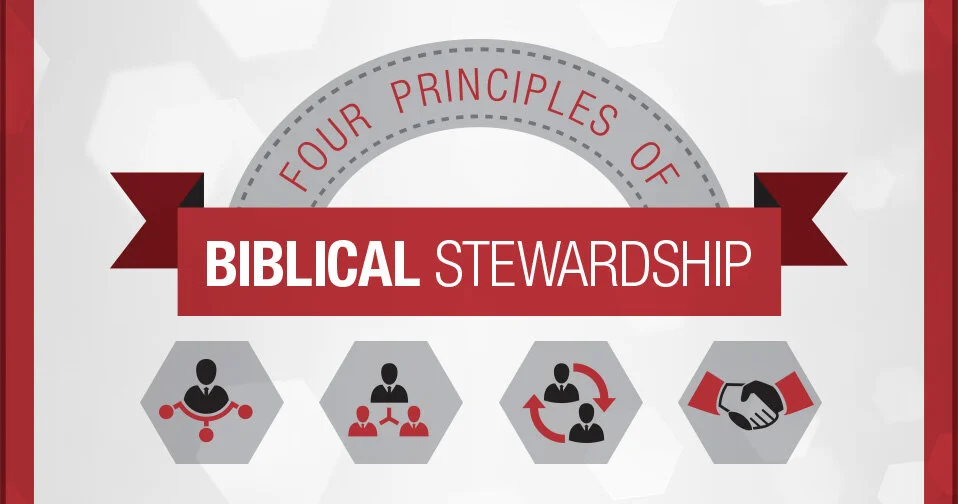
And the first “H” is a “H” for hunger
We just know that the truth is we’re not the smartest guys in a room and we just got to out-work on the guys on our right and on our left. And, you know, I’ve lived that all my life that I wasn’t very smart, as you know. When I was born I couldn’t even speak.
But I just worked really, really, really hard until I collapsed literally. So I don’t advise to you work that crazy. And that’s why Chloe has come into my life and really added this what life harmony in my life.
But that hunger to really just go all out, hunger to just fight for what you believe in and then the heart to serve society. And I always say, hey, guys, are we willing to go on our knees, and just truly serve society? And if you have that, and again, these are the DNA of grabbers, that means if you don’t have it this “Four Hs”, you can’t be promoted. Actually, we also let go of people who don’t fit our culture. And then obviously we promote and we also double down on that. Now, can we do more of it for sure?
Second H is Heart
Then there is honor, the third H which is honor
Do we honor our commitments, do we honor our word. When we sign something, do we honor it? That’s so important because people can talk, people can give all kinds of promises but in the end, do they go through with it and do they honor their word?
And then the last H is humidity.
Do we have the humidity to know that? Look, I know that we are in this constant world of move and change. Can I take feedback? You know, can my office, my teammates here, someone in this call, someone outside of this call, just give me frank feedback so that I can improve. And can we give each other feedback? We know that we are just a work in progress. And, you know, we believe in this idea of Kaizen; this idea of constant improvement.
And do we have the humility to take feedback regardless of level? You know, recently I got feedback from, you know, many, many levels away from me. Last night I was with other Grabbers taking them out for dinner and a merchant was giving me feedback that hey, he made some food and the driver didn’t come. And, you know, I was there just apologizing to the merchant. But just getting feedback all the time and having the humility to take that feedback to improve.
William Norvell: Hmm. Hey, man. Anthony, William here. That’s so good. I love how you talk to about it. We hire, fire, promote, you know, on these values.
I think I see a lot of companies that have taken time to write these values down and they don’t integrate them that way.
And you ask how they’re laid out, like, well, you know, they’re kind of on the wall and we talk about him every now and then.
But I don’t think I’ve seen them really mean much unless they’re really put into practice. And you can tell people that their review, you know, this is the ranking system, no matter what else you did, it has to fit into this. And that’s just inspiring. And I hope our listeners can hear that.
I’d love to shift this to timestamped this a little bit. We’re in kind of an unprecedented time right now. You know, if you’re listening to this, we’re in the midst of the covid pandemic. And, you know, that’s a tough time for everyone. And I would love to hear a little bit about maybe two different things. One, how you cared for people, including your employees and how you’ve had to go through that and then to adjust your business model, which I imagine had to change quite a bit or innovate around things that you didn’t have to before. How have you done that at such a scale and across different countries and all types of things like that?
Anthony Tan: Yeah. So just to go back William to your point, I mean, first of all, can we do more of a culture? We can. And we are far from where we need to be. And, you know, we have, again, great teammates who keep pushing that my co-founder pushes a culture and reinforcing this Four H a lot more.
So we are a big work in progress now with regards to this pandemic, this crisis that we’re living in today in Southeast Asia, we saw that covid-19 it just took such a impact. I mean, it was such an uneven social impact. So South East Asia, you know, close to 80, 90 percent of the economy is driven by a lot of informal work. There’s a lot of it’s not formalized. There’s a lot of I mean, you can go to a market today, a wet market today, and you see children walking in wet markets.
Right. Some are just children working with their father, mother and little shops. But there’s so much informal economy.
And, you know, when there’s no safety net for our folks, what we saw that covid-19 basically did was when they went into the lockdown’s and I talked to a lot of ministers about this, the governments were going to this dichotomy or this just poll that was taking place, which was do we provide economic livelihood or do we save lives? And because, you know, it’s poor in this region. Outside of Singapore, it’s actually quite poor. And, you know, especially with tier three tier four cities in Indonesia, Henry knows very well poverty is real. And, you know, the government had to close economies. So when that happened, literally people I mean, I know of stories. I didn’t see it because I’m here in Singapore, but I know from my friends in Manila telling me that the Jeepney drivers, the drivers of a local mode of transport in Manila becoming beggars; beggars on the street. So that’s what the toll that has taken place.
Now, what have we done? This is where our focus has really doubled down on how can we help those most impacted by the crisis. So we have gig workers, we have health care workers and we have informal economy workers. So first on gig workers, what we did was we scaled our food and grocery deliveries. That scaled, you know, by several acts, actually, that saved the company. We were very, very blessed. As economies came to a standstill because of a locked down, essentially transport dropped by 90 percent in some cities. Imagine if we just had mobility, the economies that we went into lock down, we lost close to 90 percent of our business in some cities.
But the food business just, it was the perfect hedge if you may. Because our drivers, whether they were car drivers, or the motorbike drivers, a lot of them. And we lobbied and partnered with the government and they said, OK, we will allow your car drivers even, not just only your motorbike drivers. In Indonesia motorbike drivers and also car drivers takes food and delivers e-commerce.
In Singapore, for example, car drivers weren’t allowed. And again, you know, all glory to him. We won and the government allowed our drivers to also send and deliver food and e-commerce deliveries, for that just popped. So our drivers then had lots of work, you know, clearly didn’t solve all the problems for sure. But we were able to move over a hundred and fifty thousand drivers in a very short period time. I remember in one of our cities, we moved 80,000 drivers in two days. So from just moving people to moving food and e-commerce deliveries. So that was helping out what we call our micro entrepreneurs, drivers, guys like that.
Number two, other set of micro entrepreneurs, merchants, some very, very small, some owned literally porridge store by the side of the street all the way to the McDonald’s and Shake Shack in the world. So we spend a lot of time focusing. And again, we partner governments to digitize a lot of these small businesses. So in a very, very short time, again, in the past three to four months, we onboarded over 80000 new merchants. And these are new merchants. If you include the number of outlets you’re talking, you know, some had three outlets, even though they’re small entrepreneurs, they have three outlets, you know, that’s two hundred forty thousand or so outlets and people, we provide it. The stores were closed at the front end, the kitchens was open. They send their staffs to the kitchens to pump out food for us to deliver.
The third whether it was our customers or delivering food, but because they were in lockdown and groceries, but all the way to hospitals. So we again, partnered with governments. So I just had dinner with the CEO of one of the largest hospitals in Singapore, and the center of infectious diseases and also reports to this hospital. And he said, you know, because 70 percent of cases in Singapore was handled by this hospital. And so it was very sad, you know, then got our team knows this. I didn’t know this, but a lot of people didn’t even want to take the nurses to the hospital because the drivers were like, holy cow, you know, they have covid, right? So they didn’t get the love and care. And this is a time where you want nurses to the hospitals. So our country had worked with the nurses association, worked at the hospitals. We created something called Grab Care. And in Singapore alone, over 15000 driver partners signed up to ferry hospital workers to and from work in Indonesia. We delivered thousands and thousands of covid testing kits and we created a joint venture to provide telemedicine to all our customers in Indonesia.
William Norvell: Wow. It’s an amazing story of so many things that you were able to figure out. Right. I mean, I know you said it quickly, but for our listeners, you lost 90 percent of your business. I mean, that is a very large number, you know, and you were still able to find an opportunity and work with your team and your team was on the lookout for how can we. And so you didn’t lost your business, you saved your business. And two, you saved a ton of merchants that likely would have gone under without the innovation. So it saved your business and saved their business. Just a beautiful story of sort of what’s going on there. And but also, just like you were at the forefront of your business being impacted by this pandemic and were able to come through it. And unfortunately, we have to move towards our clothes right now. Yeah, I think we have like 87 different twists and turns. We could go down and maybe we’ll beg somebody for more of your time, some other time. But we love to close our time with just asking where you might be in God’s word. And that could be the season maybe that he’s put something on your heart. It could be this morning. Maybe as you woke up today, God gave you a word from his scripture. We believe it’s living and it’s fun to see how God’s word transcends our guest and our listeners to continue to teach us.
Anthony Tan: well, if you ask me one verse that is really stuck with me is Michael 6:8. You know how we honor, how we serve humbly. You know, we’ve lived by that. And I think that’s something that I have to just keep doing.
I, frankly, have felt that it’s been really tough on many. Right. And, you know, if I can just say the whole verse,
what does the Lord require of you to act justly,
to love mercy and to walk humbly with your God?
If we can do that and everything we do, every day, everything, everything, every decision, everything we say and we live those words. I just think that we may not get what we want in this world, the secular world may not reward us, but, if we optimize for eternity, it can be so bad. All right.
Henry Kaestner: Thanks so much for joining us on today’s show. We hope you enjoyed it. We are very grateful for the opportunity to serve you the larger Faith Driven Entrepreneur community, and we want to stay connected. The best way for you to do that is to sign up for our monthly newsletter at Faith Driven Entrepreneur ERG. And while you’re there, we want to hear from you. We derive great joy from interacting with many of you. And it’s been very rewarding to see people come to the site and listen to the podcast now from more than over 100 countries. But it’s even more important to us that you feel like this is your show and that you’ll help make it something that best equipped you on your entrepreneurial journey, one that you’re proud of and one that you’re going to share with others. Hey, this podcast wouldn’t be possible without the help from many of our friends. Executive producer Justin Forman and program director Johnny Wells. Music is by Karl Kentwell. You can see and hear more of his work at Summered Drugstore.com Audio and editing by Richard Bahle of Cornerstone Church.
edit by: Dorcas Ho















































Crisis Management
Crisis Management
Even though we all deal with craziness when we must, most of the time we easily settle into our current environment, whatever it may be.
Read More →
Crisis Management