Episode Transcript
*Some listeners have found it helpful to have a transcription of the podcast. Transcription is done by an AI software. While technology is an incredible tool to automate this process, there will be misspellings and typos that might accompany it. Please keep that in mind as you work through it. The FDE movement is a volunteer-led movement, and if you’d like to contribute by editing future transcripts, please email us.
Frank Kelly: But the scripture that just for today, pop to my heart that I just love is one Thessalonians five, 16 to 18 and the apostle Paul wrote, you know, rejoice, always pray without ceasing. Give thanks in all circumstances for this is God’s will for you in Christ Jesus. And you know, so often we wonder what God’s will is. I wonder what God’s will is. And this is one of the only scriptures I believe in the Bible says this is God’s will for you. Rejoice, always pray without ceasing. Give thanks in all circumstances. Don’t say give thanks for all circumstances. Give thanks in all circumstances.
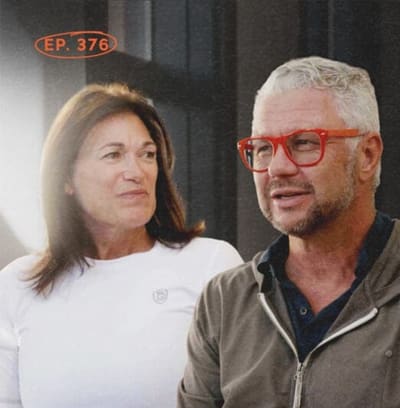
Henry Kaestner: Welcome back to the Faith Driven Entrepreneur podcast, we’ve got a special edition today because for those of you also listen to the Faith Driven Athlete podcast, which we do every couple of weeks, not as frequently as we do Faith Driven Entrepreneur and Faith Driven Investor, we had a Faith Driven Athlete podcast on an aspect of athletics, a sport that I love lacrosse. And we interviewed in our interviewing a guy by the name of Frank Kelly. Frank is the founder of FCA Lacrosse. And in that first interview that I want to really encourage you to go back and listen to, he talked about the creator’s game. He talked about while lacrosse is a unique sport, what it is is special about that sport for him and his family. Go through what I think is one of the better sports stories of all time. And yes, I would say this up there with Greg Lemond winning the Tour de France the last minute or the miracle on ice or filling in your favorite sports story. But there’s a special story about the underdogs of FCA Lacrosse going on the nation’s biggest stage of lacrosse and performing remarkably well. So if you are somebody that you know, that loves the sport lacrosse, I want you to listen to that. And yet this part of the interview is not so much about lacrosse, maybe only to the extent that athletics bonds together a family where you get the very best of a team working together in business, in a multigenerational family business and maybe some level of sibling rivalry, I shouldn’t presume or prescribe where this conversation goes. But if Frank doesn’t bring it up, I most surely will ask questions about what it’s like to do business with your dad and your brothers and your nieces and nephews and all of that. But I do really want to get into this very special story of Kellyway and the story of a business that grew up in humble circumstances and has continued to grow and prosper. And this is an area that we haven’t really looked at a lot in the podcast, which is this multifamily generational entrepreneurial experience. And so this is just a great opportunity to do that. So, Frank, thank you very much for being with us. Welcome back to the program.
Frank Kelly: Thanks, Henry. Great to be here.
Henry Kaestner: So let’s get started and let’s go ahead. And while we talked about a lot of your background last time through athletics and you biologically, chronologically brought us through your athletic career, let’s do the same this time, too. But more for a business audience. Let’s talk about. Yes, you know, where you came to faith. That’s part of it. And it involved athletics. But then just kind of talk us through the beginning part of you getting involved in the family business and really actually even before that, how, Kellyway, we got started.
Frank Kelly: Sure. But maybe I’ll start with that. My parents started what’s known today as Kelly Benefits. But under that umbrella, multiple companies, the company they founded, Francis Kelly Associates, Inc. today is Kelly and Associates Insurance Group. They started in a bedroom in the home we grew up in a middle class home in the suburbs of Baltimore County, Maryland. And, you know, my dad had been in the insurance business a little bit. He actually was born in Brooklyn, grew up in Philly, but ended up moving to Baltimore like sixty eight with a sales job selling engineering equipment. The early 70s got in the insurance business and worked for an insurance company, then ended up with an agency, then left the industry for a year and then got into the business. And he had been at this agency, was working with an association of liquor stores and bars and taverns, trying to help put together a health insurance plan and association health plan. And it never came together. While he was at that agency. He left and while he was gone, the year he had left the industry at a small association kind of stayed after him and. Can you help us put together this plan where we can get benefits at affordable rates for our members? And he ended up contacting so many Blue Cross and they put together an association health plan. Blue Cross said as long as you have over one hundred lives in one big group, you know, we’re willing to work with you. We’ll build you for the one big group you’re going to have to set up, handle all the little groups and set them up and bill and collect premiums from them. So my dad negotiated a benefit rate, which is better than any of these little groups could get on their own. And he went out and got fifty little two and three life liquor stores, bars and taverns. And ironically, six years earlier, he stopped drinking and he was sober, go into bars. And he was also new in his faith. His faith had become personal and real. Just a year or two earlier before founding this company with my mom and we went to these liquor stores, bars and taverns and got 50 of them, two and three lives. My mom helped set up all the groups and handled all the enrollments and she build the first bills, went out handwritten on carbon paper, if anybody remembers what that is. But you know where copies go through multiple pieces of paper and we got an unloaded rate from Blue Cross Blue Shield. They didn’t pay a commission, but they could add an administrative marketing fee and they did a small little fee and they build and collected and kept their fee and passed the premium through to Blue Cross, who set one big bill to my parents. And that’s how Kellyway was born. You know, it’s interesting. They had five kids under the age of 14. They got on their hands and knees at the end of their bed. And again, they’d had this spiritual awakening. They’d come into a personal relationship with Jesus Christ and be born again of the Holy Spirit. And they were about two years into that faith journey. They got on their hands and knees at the end of the bed. Said, Lord, please help us. We dedicate the business to you. Our goals, is not to be rich or do anything great, we just want to provide for our family and serve our community. You know, my dad knew that by getting into the insurance belt, the residential real estate business, he could dig his roots deep into a community. He chose insurance over real estate. And the rest is kind of history.
Henry Kaestner: So I want to get more of that in. Thirty five years is a long time. I do want to jump into the brothers thing. You know, the lacrosse is a sport, the fastest game on two feet. It’s also known for being the probably the only sport where you can legally take a six foot stick and stick it in somebody’s gut and you’ve got a brother that’s very, very, very good at doing that. Most of the Kelly family, I think of his offensive players. But you got one brother, a younger brother, who made a living on taking the ball away from other people and inflicting some amount of pain as he did that. So what’s the dynamic like growing up with four boys and your father? Get a business, you’re the first to join it, starting to show some success and you’re trying to make room for your brothers. What does that look like? I mean, I know how it ends up. I know how you guys compensate each other. I want you to get into that. But I want you to talk through this dynamic of competitive environment, all Division One athletes and some amount of sibling rivalry. But maybe I should imagine there was a sibling rivalry. Tell us about it.
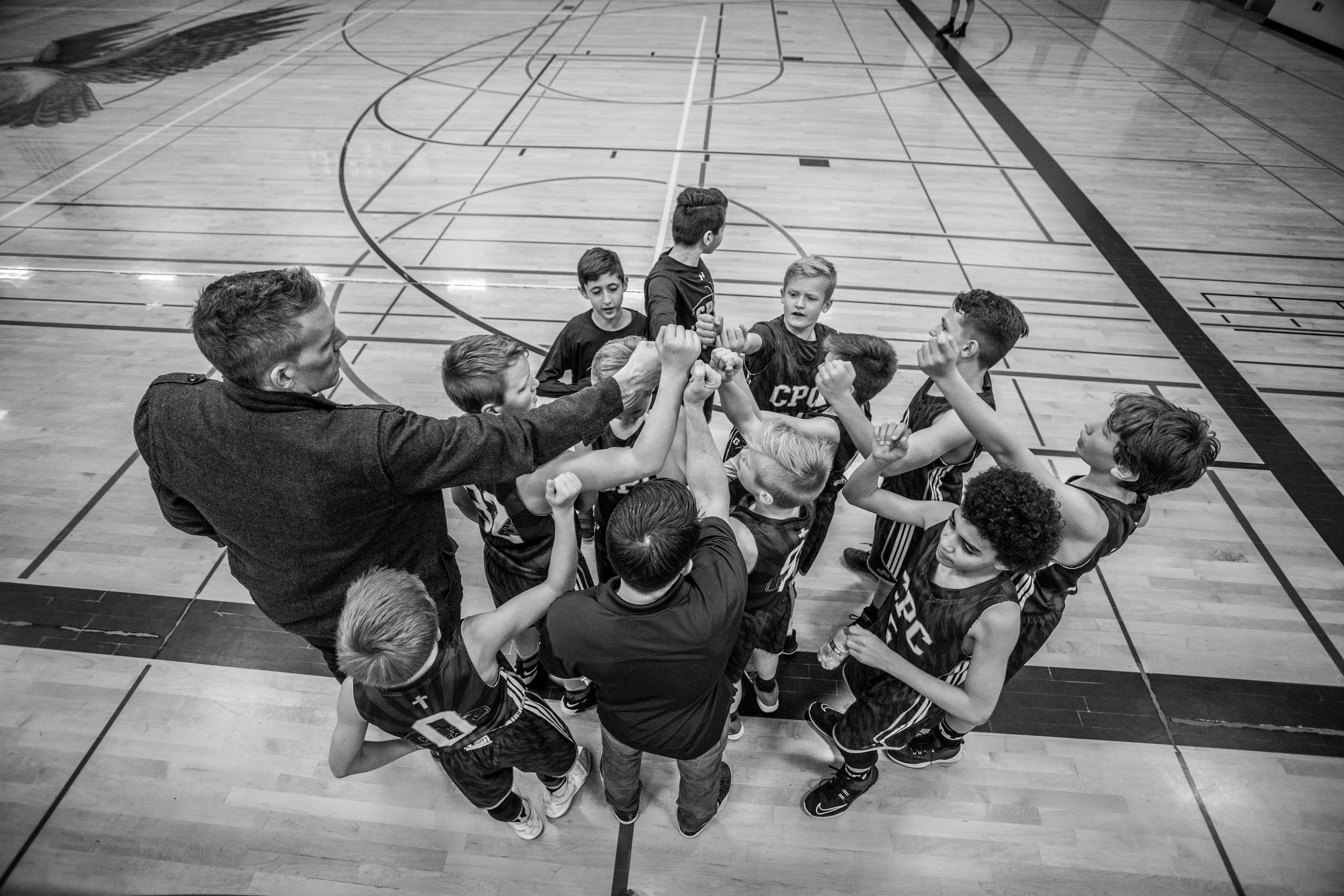
Frank Kelly: Yeah. Oh, my gosh. There’s a lot of ways I can go. But, you know, my brother John is a year younger than me. He played lacrosse Washington College, played three national championships. My brother David played at the university. North Carolina, won a national championship as a freshman. Our youngest brother, Brian, who was a defenseman, very good, all-American defensive defenseman, played at University North Carolina and went undefeated, won a national championship as a senior. So God bless my brothers and us with some levels of success in the sport. And as I mentioned in my podcast, how we got to the game, you know, we were all football baseball players. We ended up playing lacrosse at some point or another. And, you know, the game kind of stuck. And none of us really had a vision to come into the family business. You know, as the oldest, again, I was doing my thing graduate Cornell, end up in Japan. All spirit leads me back to Baltimore. At the end of that first year, God was at work. I’d gone to the high school and ended up starting a Bible study. Athletes in action that we turned to fellowship of Christian Athletes. Now is the beginning of a movement in Maryland that I didn’t know was going to happen. I mean, we’re now in three hundred schools. So when God at school, he meant so much better than I imagined. I just went to my little school and started a Bible study then, you know, lacrosse because I’m in the business. My dad said there’s flexibility in a family business. And, you know, Frank, you don’t have to punch clock, you know. So when I started doing the FCA ministry with all my former high school coach reached out, said, hey, Frank, my assistant coach can’t coach this year to want to coach me. I go to my dad, can I coach? And he’s like, sure you can, coach. You’re in a family business. You have flexibility. So next thing you know, I’m coaching at Calvert Hall. Next thing you know, half the lacrosse team’s coming to the Bible study that I’m leading because they think they might get more playing time and all of a sudden they’re coming to know the Lord and grow in the Lord. And that’s how the whole FCA Lacrosse Ministry got started from that Bible study at Calvert Hall. Now we’re in a dozen staff around the country and hundreds of teams, dozens of teams, and it’s really cool. So we got to lacrosse and then because I’m working in the business. As new pro lacrosse league started, the new interleague pro Lindor started my first year in the business. So that spring I get drafted, picked whatever. Next thing you don’t play in pro indoor. You know, I never forget my wife who dated me through college. She’d come to these games would be five hundred, maybe a thousand people. At the first game she came to, we played at the Philadelphia spectrum, sold out seventeen thousand. Wow. At an indoor game. I got paid seventy five bucks for that game by the way. I might have been less actually. But anyway, so next thing you know, I’m playing pro lacrosse, I’m coaching lacrosse, I’m leading a ministry in the school and I’m working in the business. And so this concept of living an integrated life. So for me from day one, it’s been integrated. And then, you know, my brother John joined out of college and wasn’t to plan. My dad didn’t have a plan. He just had a heart to see his sons come in. And I don’t think any of us dreamed of it. It was a little thing. I mean, I was in the basement. It was in the attic. It was in this little building, you know, and then two years later, David graduated and he came in and then Brian graduated and he came in and he wanted to be a coach. So I was coaching Varsity Cross for ten years at Calvert Hall System. Varsity coach and Brian came in coach like four or five years JV and then he’s been the head coach at Calvert Hall for the last twenty five years. But again, our family business has given him the flexibility. So this business from day one, it’s the goal has never been the business. And we always said we’d never want to sacrifice our family or our relationships on the altar of a business, but God’s chosen to bless our business. So, hey, look at a lot of people say, hey, how can you have five family members in a business? And this is crazy. So six months after I started, by the way, my mom retired and she ran all the operations for ten years, she dotting the I’s, cross the T’s, made sure everything worked. And I was a little worried, but we had all these other people there. And I’m just thinking, as long as we bring in more business than we lose, we’ll be fine. But that doesn’t always work. As you know, there’s such a thing as cash flow and accounts receivables and payables. And we ended up having an accounting error. We had a family friend who was our account that we have room and there was a big error that took three or four years after my mom left, led to a very, very painful time. We’ve got up to 30 employees and we had to go all the way back down to like 20. But since that time, since nineteen ninety one, you know, I’ve been responsible and probably a little more like my mom and I daughter t cross are very thorough, kind, kind see the big picture. But we know how to make sure we do the little things right or try to do so. Since ninety one I’ve been kind of responsible for the overall day to day operations and kind of over sales and ops. And my brothers all took on different roles in the business. Based on their gifting, it evolved. So my brother John ended up taking over our direct sales division and has done a great job. And my brother David ended up in the property and casualty business. He’s kind of been the jack of all trades. He’s very good at kind of everything type. And he helped run the small middle market direct sales. Now he runs our payroll company. And then my brother Brian, we started to partner with brokers, got open the door for us to wholesale through brokers total got thing very unusual retail and wholesale in the insurance or benefits business. But we are the largest in our area and both God’s blessing. But Brian kind of helped build the broker sales division. So they were running divisions and I was kind of helping. So we were all using our gifts to help grow and we’ve all been in at least 30 years together. We meet every Tuesday, just about every Tuesday, and we try to cram three meetings into one three hour meeting, three one hour meetings, basically an hour of the boys just busting up and talking about life and family and who scored touchdowns and goals and who got in trouble and what’s going on. You know that we spend an hour with our CFO and we spend about an hour with all key strategic operational leaders within our company. And so people know, like Henry, if you were coming to town and say, hey, can you come on a Tuesday if you wanted to get all the Kelly boys? So that’s how it’s worked for us. You know, some people will say, man, Frank, you know what to like and work with your dad and your brothers. You know, and I tell most people nine out of ten days, it’s great. I just won’t tell you about the tenth day. You know, and it’s interesting, we’ve been in the middle of some things, like a lot of businesses. And I’ve had some stresses even the last twenty four hours, but it all worked out. It’s all good. And for the most part, we’ve been very fortunate. You know, each of my brothers, we all kind of had conversion experiences in college. You know, we all had the pieces to the puzzle. I think one of my brothers walked forward at a Billy Graham crusade in eighth grade or something, but none of us were like walking with God through high school or anything like that. We all kind of had intellectual knowledge of who God was. And Jesus, none of us knew anything really about the Holy Spirit or a relationship that’s daily and exciting and abundant and powerful and challenging. But we all had college conversion experiences. God use different things, injury’s challenges, coaches things. And so we generally come from the same worldview of desiring to honor and glorify God, which has been key to us working together.
Henry Kaestner: So as a great quote, nine out of ten and I’m not going to tell you about the tenth and you get a podcast hosts is asking you to unpack that attempt a little bit without any type of sort of details and or anything like that. But I think that with working with your brothers for 30 years, you undoubtedly have come up with a framework to be able to address conflict in a way that is productive enough, that allows for you guys to work 30 years. I mean, that’s a really special thing. By the way, I want to introduce you to my co-host, William Norvell. Williams didn’t join us at the feature of an athlete section, our first segment of this interview. But William and I invest together and we try to minister to and encourage entrepreneurs together in ways that fascinated with multigenerational businesses for a long time. I just really care for his questions and his perspectives to William, bring it.
William Norvell: Yeah. Frank, good to meet you. I’ve always been fascinated. You know, you said you had twenty one children between you and your brothers, which is a lot.
And I’m interested in kind of dual perspectives. One, how you would think about in your brothers. We think about giving the business over potentially to the next generation and how you see that maybe some advice you can give people that are sitting in that situation. And then the flip as well. Maybe some advice you’ve given to your own children about thinking about whether they should come into the family business or blaze their own path. You know, I come from a world where in the old days, anyway, you know, I want to be my dad when I grew up and I didn’t have a business that I could jump into at that point, but I probably would have. I think those days are moving a little bit. And as someone with such a great seat to take a look at that, I’m just interested in how you think about that side of the spectrum.
Frank Kelly: Yeah, it’s a great question. You know, by the way, my parents are both alive. My dad’s eighty one. My mom’s turning 80 this next week. God bless her. I got to remember to call my love, my mom and dad. And again, my mom worked in the business ten years. My dad is chairman. So I’ve been responsible kind of day to day since ninety eight became president of our one company, our main company in ninety four. We did some title realignment, became CEO in twenty seven and my dad took on the title chairman. You know, I think there’s different types of entrepreneurial leaders or founders, those that. Are control freaks in here all over you and those that are not and my dad’s not, he’s looked at the business as a gift from God. I know the business is bigger than you ever thought it would be. And he knows and humbly acknowledges that we wouldn’t be where we were if me and my brothers didn’t come in. And I know the business wouldn’t be where it is if we didn’t all come in, if only one or two or three. So it’s been a total team. It’s been a God thing. And Henry, I want to close with a story, not now, but when the time’s right about my dad and his father and how it ties into lacrosse in the UNC National Championship in twenty sixteen. And I’ll tell you what, it kind of ties into this. This will be part of the story and then I’ll close with a different part. But, you know, when he was growing up, I mentioned he stopped drinking at the age of thirty one in nineteen seventy one and his father had been an alcoholic. His grandfather died, an alcoholic like know, on the streets of Brooklyn, New York. And, you know, alcoholism ran through the Kelly family. And my dad swore he would never do that drink or whatever. But, you know, if it’s in there, you got to be really careful. And but his dad got sober in his mid forties and came to my dad when he was a junior in college and said, Frank, you know, he was in the packaging business and he started his own. He became a broker and said, Frank, I love you to when you graduate college, maybe you can come in and help me build this business. And my dad was very excited that planted the seed in his heart and mind. He admired his dad and loved his dad, even though he had some issues but had stopped drinking, was doing well. And his dad always acknowledged, God love God the best he understood. And some planted the seed of the priority of God, his life and the idea of a family business. And my dad’s junior year, my dad’s dad died. He had an operation on a Memorial Day weekend and he ended up dying of an infection over the weekend. Some of the doctors weren’t there. So my dad had a daughter I don’t think he ever imagined. He says he’s constantly pinched himself, that all four of his sons would come in. It was never talked about at the kitchen table ever. There was never any pressure. There was never any talk. Like we didn’t even know what they were doing in the basement. You know, we were just totally consumed with sports in our own little world. But I know how he approached me. I don’t even know how he approached my brothers. But like, Frank would love you to spend one year before you go off to save the world. And I’m like, all right, Dad, let me think about it. I don’t think so. And then I came in. So then, you know, we’ve got these incredible lives and now we have twenty one children and we’re starting to explore what do we do? Like me and my brothers, none of us, quote unquote worked outside the business. Right. And you know, there’s family business advisors say you must work outside the business of now. What do we do with the next gen? Well, they’re coming into a very different business. They’re coming into a big business, more complex, challenging a lot of ways. And with the council we got was generally to encourage the next gen to work at least three years, two to three outside the business. It’s interesting, my nephew, David Junior, you know, we’ve gotten that advice. We hadn’t really implemented it, but he kind of came right in out of Rutgers in the first year or two, was a little bumpy. And he’s been with us five years and bring some great gifts and passion to the table. And he’s dying for some more of his cousins. And, you know, my two older sons, both graduated USC. My son Frankie got a masters of accounting after getting an undergrad history business. And then two years with our second three years as an outsourced financial consultant, I’m like, dude, why are you coming? I’m getting tired here now. I just took a position full time, a Chick fil A in a privately owned family business. And but I think someday he wants to come in sooner than later. And then our son, Steven, you know, he’s working for big benefits firm in Atlanta called One Digital in their merger and acquisition team. He’s in three years. He said, Dad, give me a couple more years. He’s playing pro lacrosse and the premier lacrosse league. And my nephew, Johnny, graduated Ohio State, was a captain there, lacrosse team. He’s with principal in DC. Give me another year, Uncle Frank and Uncle John or Dad. I’m coming, you know, and so we have a couple that say they’re common and they’re getting some great experience, you know, but we didn’t want to just pass a business. We wanted to pass values. And, you know, one of the decisions we’ve had to make is do we sell it or do we keep it and build it? You know, and as you guys know, your private equity investors or angel investors, you know, there’s a lot of private equity money out there. And we’ve had unbelievable offers. We’re not even entertaining offers. And we get offers and get called all the time to sell. And we just like, Lord, what do you want us to do to your business? And it’s sense we’ve had collectively it’s worth to continue building a legacy business. So we’re going to build a legacy. We need some of the next gen to come in. And, you know, we started work with this family business consultant in twenty fifteen.
They’ve met with a certain level of gen 3s. We called generation three that are sixteen and older. I think when it started it was eighteen and older, down sixteen and older. Now it’s like I think fifteen of the twenty one gen 3s meet twice a year and a little Gen three Family Business Council. There’s a leader from each family, you know, each of my brothers families represents in a two year term and they kind of meet quarterly or monthly to map out the agenda for the Gen three meeting. We do a they do a summer meeting. It’s a two day getaway and it’s mostly relationship building. But it’s always business. It’s always family. It’s always faith and it’s always business. At some level, the summer meeting is a little heavier on family and mainly heavy on family and faith in business that went. Our meeting is a little heavier on business because, you know, there’s probably at least two thirds that have no interest at all in coming in the business, but we don’t want them to feel like less than because they don’t want to come in. So, you know, we’re all working through and even figuring it out as we go, but we’re just trying to be intentional. And I think that’s an important word in a family business is intentionality and communication.
Yeah, it’s amazing. It’s amazing that one of the things I hear to call out and I think, you know, before, is you’ve taken God’s advice to get wise counsel very seriously.
William Norvell: I hear you keep mentioning an advisory council and the two words that come out as you talk about your intentionality and a big piece of that is getting wise counsel outside of your own bubble there. And that’s amazing. I think that’s something that entrepreneurs can learn everywhere. We try to stress that all the time of, you know, if you don’t have a group of entrepreneurs around you that can challenge your thinking, they can give you advice. You don’t know. They can give you thoughts and reasons that you’re never going to think of.
You know, it’s definitely a fool’s errand. Yeah. So thank you for sharing that. Thank you for sharing those thoughts. And yeah, I’m on edge. I want to hear your story. So, yeah, I want to hear the story. You want to Clausewitz’s. I’m ready to go in.
Henry Kaestner: I want to mention one thing before then. I just there’s a reflect on hearing your story and just, you know, part of the Baltimore and the Lacrosse and all that stuff coming in. There’s a case coming, actually, I’m looking at the patent for the milk up on my wall fromthe E.A. Kaestner back in the 80s. And a bunch of boys there, five boys, and they all were in the family business this back in the 20s and 30s. And one of them had a son, which was my grandfather. And then my grandfather had ten children. Wow. And he went to my dad and said, listen, my dad is going to Hopkins and getting a good degree, said, listen, I got to tell you, as much as I’d love for you to be in the family business, you know, you’re the oldest at ten. I got to figure out a way to get the other nine involved, you know, so that they have a vocation. And wouldn’t you know it, none of the ten went in. And just four years ago, the family business went out of the family. You know, I had a cousin that was running it now no longer after one hundred and twenty years. But you know what really impresses me about your story and having a visit with you on your campus is that there is a legacy there that goes beyond just a family business and a multigenerational business is that you guys are all very much on mission there. Not very many businesses that have four hundred and fifty four hundred seventy five hundred employees that are that bold about their faith in kind of the reception center. Everybody understands what is the mission of Kelly. And if you’re going to have that many employees, they’re not all going to be believers. No, you’ve got a legacy. And my sense is that you and your brothers really live into that. And that that’s really attractive. And I think you’re going to find that it’s going to be attractive for the next generation that wants to be about something bigger than just benefits. To be clear, benefits help and employers love on their employees is a big deal. It’s very missional, more missional than making stainless steel dairy equipment, although God, can you understand that, too? But there’s something else that’s really compelling. And I think that that may have been one of the things that drew you and your brothers in. And I think it’ll be something that draws in Gen3, too. And I hope and pray that you guys will continue to live up to that legacy and lean into mission. I want to close one is going to close this out and just ask you something that you’re hearing from God’s word recently that you might leave with our audience. But before we do that, bring us back and bring some of the athletics back into the conversation, bring us back to national championship game and in Philadelphia and tell us that story.
Frank Kelly: So, as I mentioned, you know, my dad and I started our business was born in Brooklyn, grew up in Philly. His dad had moved from Brooklyn to Philly. There had been this history of alcoholism. My dad’s dad had gotten sober in his mid forties and approached my dad about maybe coming into business when my dad graduated from college and then his dad died in surgery, led to an infection infection, killed him. It was on Memorial Day weekend. So my dad’s dad had planted the seed of the importance of a relationship, putting the Lord first. He didn’t use the word relationship to put the Lord first in your life and then it kind of plant the seed of a family business, even though my dad never worked with his dad.
So you fast forward, you know, all these years later, it’s twenty sixteen and I’m the oldest. And my son, Stephen Kelly is on the University of North Carolina lacrosse team. He’s the starting center midfielder, a very good player. He’s a junior. My brother, David’s son, Patrick Kelly, who’s now a doctor, by the way. He was a player of the year attack in Maryland, but they kept putting him admitted down there, which was a little frustrating. I love Middy, but, you know, he had a very good career, but he had a great senior year. So he’s Captain Senior, me and my nephew Timmy. My brother, David’s other son was a freshman. So we had an interesting year, but we ended up getting to the national championships. So we’re at the final four.
And so my oldest son had gone to North Carolina to Frankie. And so we’d been at Carolina at that point six years.
And the team’s head coach was a loyal high school grad like you, Henry, and great coach, good man had this incredible recruiting classes either at the one, two or three recruiting class every year. Carolina was always picked in the top four. You know, we’re going to finish in. Final four, and we never could get to the final four, like we just would fall apart in the playoff games and there was pressure mounting on Joe and everybody and my dad after like four years of it, once my son Stephen went. Now Frankie’s the senior, Stephen’s a sophomore and my nephew, Patrick Sayers. Like Joe, you got three counts. And you know what? You’re going to get there because I need you to make me a promise. When you get to the final four in the national championship, you’re going to put Big Frank on the sideline.
Now we’re telling him, Dad, don’t talk to the coach. Please don’t ever talk to the coach. Just say hi. But he would go up and talk to him. And, you know, I really think you should play Patmore. You know, you should put him in the third quarter. I can’t believe you took Frankie out, like, oh, my God, he’s the old grandfather and talking to the Division one coach who was very gracious with him. But he would always say, hey, Big Joe, when you get to the Final Four national championship, you got to put me on the sideline and you go “ok” like a joke. And we’re kind of like that. Just, you know, so finally, this is now like the fifth year of my dad, Joe. I said, all right, all right.
I’m not gonna say if I’m missing when we get to the national championship or final four, final four, I’ll try to get you on the sideline. So sure enough, twenty sixteen comes. He has three grandsons on the team. And my nephew Johnny was playing at Ohio State, having a great season, too. And my nephew David played Rutgers. But whatever. So we get to the final four. So you don’t know if you’re going to get there till you win. So you got to win. So we win this quarterfinal game and now we’re in the Senate.
It’s going to be in the final four, first time in twenty five years. Carolina is going to be in the final four and it’s like three days before the game in the final four on a Saturday, Memorial Day weekend, always Memorial Day. And this year it’s going to be in Philly where my dad grew up at the link.
So for the Final Four game, it’s like three days before he gets a call from Coach Joe Braschi. Hey, Big Frank, it’s Joe Braschi. Hey, Joe. Hey, coach. How are you doing? Congratulations.
Hey, I know you kept bugging me and asking me about being on the sideline. You’re not going to believe it, but I got a sideline pass for you for the final four. And it goes, Joe, you’re the man. You did it. You know, we’re going. I’ll be there. But Big Frank, you cannot say anything to any players. I can only have three coaches or two coach. You’re not a coach. You’re just a friend of USC and you’re getting a special pass to be on the sideline. OK, Joe. And then when my son found out my nephew like Papa, please don’t talk to us all. My dad to talk. You will not talk to restoring the game. Please do not say anything to the coaches. Don’t talk at all. OK, I won’t say a word. I won’t say a word. So in the final four, in the semi final, we’re playing Loyola and we jump out and we’re on fire and we I think, had a ten goal lead. But in the fourth quarter, next thing you know, it’s four goals. They’ve scored like four straight. It’s thirty nine. It feels like we’re going to lose, you know, and there is a timeout and the offense goes with the offensive coach and the defense goes with the defensive coach and the goalies pacing.
And he had in like six straight goals. My dad couldn’t help himself and I knew we knew the goalie Balkam, and he went “Balk!”q And he used some words he wouldn’t even normally use because I think they curse a lot on the sidelines. Say that next one them. Yes. Yes, sir. Mr. Kelly, what are you doing? So Balkam goes in and makes us say we end up winning, you know, so we win the final four.
We’re thrilled. It’s exciting. So the national championships always on Monday of Memorial Day. So it’s Sunday. And we went to our little beach place near Philly.
We’re rested and the kids are doing my dad calls me Sunday afternoon. Frank, you’re not going to believe Joe Bresch. He called me. He got me a ticket.
I’m on the sideline for the national championship. He wants me on the sideline. But he told me I can’t even talk to the goalie against anything.
So now he’s on the sideline for the national championship, which is incredible and is also incredible because Carolina hadn’t been to the final four in twenty five years. The last time they were there, my brother Brian was in the national championship. So they always honor the twenty fifth anniversary team. He was the nineteen ninety one undefeated national champs, so he’s going to be there at halftime on the field. So my dad’s on the sideline and here’s the game.
And he had three grandsons start a national championship. Basically Stephen started the center, maybe Patrick first midfield. Timmy second or vice versa. All playing And it was crazy. It’s late in the game. We’re down to about three or four minutes to go. And my dad was kind of praying and I don’t think we realized all that was going on. But here we are in Philly and he’s praying. He’s just like, Lord doesn’t look good. Can you please help Patrick? He’s a senior. Go out. Well, please help Patrick finish. Well, and he said literally the next play, Patrick got the ball, he’s running down and he throws a pass to an attack man who’s open and exhales over his head by, like, eight feet, just just slipped out of a stick. And my dad said, he’s like, Lord, you can ask for something positive. But Patrick sprinted. Man Turn didn’t know. Thump No hands off, no wine and sprint to the box. Paul gets on, goes down that pole causes a turnover. We get the ball back, comes down, Patrick gets the ball, dodges, feed some dude score. So now we’re down by one. Bowens gets the ball. We want a face off. Next thing you know, we get the ball, Patrick gets the ball, bam. With about thirty seconds left goes the goal scores ties it. So now it’s a tie game, national championship game goes into overtime. It was crazy with three seconds left, there was a bizarre penalty. So Maryland started with the ball man up and our goalie made an unbelievable save. We get the ball, we go down. And you’ll like this, Henry, because there was a guy in our team from California named Michael Tagliaferri, played at San Ramon Valley, phenomenal athlete. And I didn’t even realize that his dad told me he’d been benched like the whole third or fourth quarter.
He wasn’t playing good, but they put them in at the end zone, man up. And sure enough, he has the winning assist to Chris Cláudia. We score in overtime to win. So the place is going crazy. So there’s even highlight film on ESPN of my dad jumping up and down with the coaches and. Yep, this potbelly.
And it was forty five years to the day his dad died, you know.
Henry Kaestner: You know, it’s a great story. And another part of that story is the tragedy of the Bressay family. The head coach, he lost his son. Yes. And talked about earlier in that playoff run being Ohio State and visiting his son’s grave. And what the emotion behind that. And, you know, I can see it right now. I can see your dad hooting and hollering with Joe Braschi at the end of this thing. And just to see that, understand the story behind both of those guys. Right. And the elation they felt and both guys with an incredible because getting to know them both a little bit, just the faith behind each of those guys and what that championship round meant to both. It’s really an amazing story. It’s a story. It’s documentary worthy.
Frank Kelly: Yeah. I think the Joe Braschi story, losing his son and what happened that there was a big part of this season. And, you know, it’s one of the thing about my dad who started our business with my mom. And there’s a lot of story there. And we wrote a book about my dad. He wrote it, We help with Frankie, with Frankie called Surrender to Win. And it’s a great story, a lot about our business and family and faith.
And but two years after my dad started the business, it’s a bizarre story.
But he ended up running for state Senate over property tax. And Loni’s became a Maryland state senator and he served three, four year terms. And his last term, he was rated the number one or two senator was effective. No one was going to run unopposed. And this abortion issue came up and he ended up taking a very strong stand on a pro-life issue, basically led a filibuster that defeated a bill that would allow abortion on demand through the ninth month. No parental consent. This is nineteen ninety when there was a lot going on. I don’t want to get into all of it, but the long and short of it is he got targeted and he was a conservative, pro-life Democrat who got targeted by a liberal pro-choice Democrat and filed 30 days before the primary and won only on abortion. That was his passion. Like my dad said, Frank, if you come into business now, flexibility, that was his passion. But he knew and he was challenged by people. I just just take a back seat. You don’t need to lead this thing, you know? But he felt that that was for such a time as this. The you know, the Lord, through Proverbs 31 said to him, you know, speak for those who can’t speak for themselves. And he just felt it was such a time as this. So, when my dad made that stand, he lost his seat, Senate seat. He had no grandchildren. So he stood for life and God bless them with life. Yeah. Twenty one twenty one grandchildren and a lot of blessings that have come upon our family and my sons and his grand sons and daughters, my daughter and nieces, you know, because my dad took a stand for life and God blessed him and our family with life.
And so I’m thankful for that.
Henry Kaestner: It’s a great story to beautiful son. William Close’s out there.
William Norvell: Thanks so much for sharing, Frank. That’s just. Yeah, just amazing. And thank you for sharing your heart and being so transparent with us and sharing some stories that have deeply impacted your family. Just really grateful for you. And and I’m sure audience, too.
And if you do come to a close, one of the things we love to ask, and you mentioned a few already here, just kind of bridging the gaps in our audience and our guest and doing that through God’s word. So I’d love to ask you, you know, where God has you and his scripture could be this morning, could be the season, could be a story or verse you’ve been meditating on or something you heard this morning on the way into work. But where does God have you in his word?
Frank Kelly: Yeah, well, this is the only question Henry gave me for notice on. So I got to think about it. But look at every year I try to figure out innovative ways, get me in the words every day, you know, and I think it’s so important that we feed the Holy Spirit like we feed our bodies with physical food. We need to feed our spirit with spiritual food. So whether you’re listening to it, reading it or whatever, and I know I get two devotionals sent to me daily one through our church called “Worship Fully”, one through daily hope “Rick Warren” and I love it. You know, I need to get into a season of more Bible study, a couple of small groups of men, a CEO group with men studying God’s word as it relates to business. But the scripture that just for today, popped in my heart that I just love is 1 Thessalonians 5, 16 to 18. And the apostle Paul wrote, you know, rejoice, always pray without ceasing. Give thanks in all circumstances. For this is God’s will for you in Christ Jesus. And, you know, so often we wonder what God’s will is, I wonder what God’s will is. And this is one of the only scriptures I believe in the Bible says this is God’s will for you. Rejoice, always pray without ceasing. Give thanks in all circumstances. Don’t say give thanks for all circumstances. Give thanks in all circumstances.
How do you pray without ceasing? That’s the first thing my dad taught me after I committed my life to Christ is Hey Frankie, praise him every spare minute. You can do it under your breath when you’re walking, when you’re going to practice.
And you know, I like that first because it reminds me of what is true and I need to apply it to my life daily like I’m encouraging others to do. So that’s the scripture that’s on my heart that I wanted to share.
Henry Kaestner: That’s a great point that Amen.
































































Company Culture, Work / Life Balance
Company Culture, Work / Life Balance
Workplaces that eliminate email notifications, discourage out-of-hours communication and reduce email volume, save money and improve efficiency. When individual workers process their inbox less often, rather than continuously, they experience less stress without losing responsiveness.
Read More →
Company Culture, Work / Life Balance