3 Tips for Honoring God When Going Into Business with a Friend

— by Pia De Los Reyes

“The LORD God took the man and put him in the garden of Eden to work it and keep it.”

Genesis 2:15

When God created us, he created us with purpose. He set man in the garden of Eden to work and gave him a partner. In all that we do, we are made to glorify God, so why not apply that to our work and business?

Many of us have God-given gifts and talents. Whether that is a knack for business, knowledge, or craftsmanship, use your gifts to do good work in the name of the Lord. If you feel that Christ is calling you to use your talents as an entrepreneur, consider going into business with a friend. You’ll need courage to take the risk and build your business, and much like God gave man a helper in life, a friend can be there to help in work. When starting a business partnership with a friend, remember to keep in mind these tips to honor the Lord along the way.

1. Find ways to serve and help each other.

“Just as the Son of Man did not come to be served, but to serve, and to give His life as a ransom for many.”

Matthew 20:28

Follow Jesus’ example and bring glory to God in your work, by finding ways to serve your friend and business partner. Be clear and upfront about your duties from the beginning and work on allocating tasks that play to each other’s strengths and talents. Knowing your roles helps start your business and partnership off on the right foot. Serve each other and the Lord in everything you do. 


2. Seek each other’s counsel.

“Without counsel plans fail, but with many advisers they succeed.”

Proverbs 15:22

In business, there are both good and bad times. When you’re business partners with a friend, you will each be there to support one another. Take comfort in knowing that God and your partner will be there to guide you through taking risks and for counsel when you are in doubt. Lean on each other and your faith in times of stress and doubt. Growing together both in business and in Christ will bring you strength in your friendship and success in your work. 

3. Hold each other accountable.

“A slack hand causes poverty, but the hand of the diligent makes rich.” 

Proverbs 10:4

Your foundation as friends allows you to communicate in an honest and open way. Hold each other accountable in all that you do. Have the courage to call your friend out if they’re not being responsible for their duties or they are conducting business in a way that doesn’t glorify God. If you labor diligently and do good work in the name of the Lord, success will be made possible through Him. 

If you’re being called to do the work of God through business, consider partnering with a friend. Although the Lord is always with us and we are never alone in any endeavor, a friend in business will act as a helper, a counselor, and as someone to hold you accountable. With a faith-driven partnership, you can accomplish anything through the Lord. 

To help you decide if going into business with a friend is the right choice, use this flowchart from Mint for a nudge in the right direction. Ultimately, pray over your decision and the Lord will bless it if it is His will.  

should-you-start-a-business-with-a-friend

Related articles

——

[ Photo by Brooke Cagle on Unsplash ]

Episode 150 – Better Decisions, Fewer Regrets with Andy Stanley

Everyone has a few regrets. Some regrets are inconsequential, others life-altering. Most could have been avoided. 

Andy Stanley, founder of North Point ministries, a popular communicator, pastor, podcaster, and television host, has his share of regrets, but he’s found a way to keep the list short. His secret lies in five simple questions, which is what you’ll hear him talk about today.

Useful Links:

Better Decisions, Fewer Regrets

When Work and Family Collide


Episode Transcript

*Some listeners have found it helpful to have a transcription of the podcast. Transcription is done by an AI software. While technology is an incredible tool to automate this process, there will be misspellings and typos that might accompany it. Please keep that in mind as you work through it. The FDE movement is a volunteer-led movement, and if you’d like to contribute by editing future transcripts, please email us.

Andy Stanley: Every season will eventually be nothing more than a story that you tell. So the question is when it’s nothing more than a story I tell, what story do I want to tell? And is it a story that I want to be told? And is it the story I want to tell my children or is it going to be a story I hope I never find out about? What story do I want to tell the person I eventually want to spend the rest of my life with? And we don’t think in terms of story. We think in terms of circumstances that are right in front of us. But when we can step back and gain the perspective of story and say, OK, when this difficult situation is nothing more than a story, I tell when this bankruptcy, when this failed launch, when whatever it is, this failed, when this is nothing more than a story I tell. What story do I want to tell that leads to better decisions?

Henry Kaestner: Andy, thank you very much for joining us today. As you know, this is a show for Christian entrepreneurs. And while listeners may know you as a pastor, you’re a bit of an entrepreneur yourself. We’re talking about that right before we went live. Can you talk to us through the journey of starting Northpoint and the sort of entrepreneurial venture that was?

Andy Stanley: Yeah. Well, Northpoint started as a response to something I’d done when I worked for my dad. I worked for my dad for 10 years, the pastor of a Baptist church. The church was moving. They bought an Avon packing plant. The deacon said, Andy, we need you to go out there and kind of get things started until we sell the downtown property right downtown Atlanta. They’re going to sell the property. The whole church is going to move out to the outskirts of town. And I’ll never forget the meeting. And the entrepreneurial thing in your audience will appreciate this. They said, OK, it’s going to be really raw. You can’t have a choir. You’re not going to have all the amenities. You’re not going to have all the stuff that we have down here at headquarters, the main church. So you’re just going to have to kind of figure it out as you go along out there. And they were apologizing. And of course, I’m trying to look sad on the outside, like it’s going to be tough. And on the inside, I’m like, yes, we can just make this up as we go along and just kind of create a church the way we want to create church. And I’ve been doing student ministry for ten years, so I was all about creative ministry. So we went out to this warehouse with thousands of people. It was very raw. After the first Sunday, I remember walking to the little construction trailer that was kind of our office with my wife, Sandra. And I turned to her and I said, this is what I want to do for the rest of my life. I want to be outside of the traditional environment because it’s just it’s just better. So we did that for two and a half years. I left my dad’s employment. We lost North Point Community Church, you know, one campus, two, three, four or five, nine or ten around the city now and several different cities around the country and television. And it’s just been amazing. But as your audience knows, it’s a lot of hard work. And here’s the thing. You know, when you see somebody do something well and it looks easy, it’s because they work really hard at it. Just think. Professional golfer, professional tennis player. Right. We think it’s just so easy. None of this is easy and we always highlight the success stories, but it’s a lot of hard work. But when you’re passionate about something and you get an opportunity. Wow. So that’s kind of the short story. This month we’re actually celebrating our 25th anniversary. So we started twenty five years ago.

Henry Kaestner: Congratulations. That’s a big deal. OK, so I want to come back on a reverse like twenty five years ago. And one of the things that I think that church planners and again, I’m making this argument that I think the church planners are entrepreneurs. But you alluded to the fact that you saw an opportunity to do church differently and an entrepreneur typically will find a problem to solve or something that should be different in society and says, you know what, I’m going to go out and I’m going to make that happen. Obviously, you’re super close with your dad and value his ministry. And yet there are probably some aspects of that, the way that church used to be done that you’re kind of railing against. And you alluded to some of it. But I want you to build that out a little bit more because you’ve studied how people come closer to God through a church. And what are some of those things that you saw early on that were like, oh, my goodness, I got a clean slate. I can’t have all these other things that everybody just assumed I would want to have. What were some of those?

Andy Stanley: Well, you know, in business terms, the moment a company turns inward and is more about who’s here, the staff, the company, the amenities, our offices, all the stuff that comes with it, I mean, that’s the beginning of the end, right? If you’re not customer centric, if you’re not focused on the customer, you know, the fuse is lit, it’s going to blow up or it’s going to burn down. Right. So traditional churches, it’s amazing. Traditional churches are so resilient. They never go out of business. I mean, try to put a church out of business. It’s almost impossible. So unfortunately, you can have a completely inward facing congregation and they’re just going to go forever. It would never work in the business world to be out of business. Right. So consequently, we wanted to create an environment or church that was one hundred percent outward focused, which meant we had to do away with all the things that drew people to be inward focused. So we got to start over. And that was kind of our secret sauce. But the gravitational pull of every organization is always toward the people who are there. The squeaky wheel gets the grease and eventually it’s all about the culture and we all love each other. So the gravitational pull specifically of the local church is toward the people who are there versus the people who aren’t there. So we had the opportunity to build from the ground up a model that was outward focused. And then we have tried to be fierce in defending that model, tweaking the model. You may have heard me say you, marry your mission, you date your model, you Mary the mission, date model, because models come and go, missions are supposed to stay the same. And the mission is that outward focus part. The model is how you get there. But as time changes and you can imagine twenty five years later, our model, you know, it’s gone through lots of changes, so. That’s kind of the inner workings, and the thing is, sometimes people hear me talk in those terms, I go, Andy, that doesn’t sound very spiritual. I’m like, it’s all spiritual. We’re created in the image of God. Let’s go back. We are created in the image of God. Once upon a time, there was nothing we we can’t even think nothing. Try to think nothing. You can’t. Once upon a time, there was nothing. And then there’s all this. So the entrepreneurial thing certainly is part of the image of God in us. And for those of us who are kind of wired that way, we’re only happy when we’re in that stream and creating things and changing things and making things better. So that’s, you know, the short version.

Henry Kaestner: Yeah. OK, so I actually want to get into a little bit more so this outward focus, knowing your customer, being about them and looking to serve them, knowing that you’re kind of going against the grain a little bit because you don’t need to do that maybe in the same way business does, but having a business mindset on that. So you’re in Atlanta, Georgia. It’s the home of Chick fil A and they’re about delighting their customer. How have you or the course last twenty five years, maybe especially at the beginning, but then continuing to today understand how to delight your customer and learning from them and hearing what they want and what they like.

Andy Stanley: It’s interesting ask that question, so one of the things we did not do, we did not do some big demographic study. We realized we are the customer, something that you may be familiar with, Reggie Joyner, who was part of our original launch and we’re still dear friends and created talk about entrepreneur. I mean, Reggie is prototypical. He’s amazing. And I heard Reggie we were doing an interview together one time and I heard him say this. I thought, this is so true. He said basically we created a church that we would want to attend because we’re not unlike everybody else in the community. There are very few differences between, again, you know, don’t quote me on this. And I hope they’re

Henry Kaestner: WELL this is a podcast. That’s what we’re about. We’re recording this.

Andy Stanley: Yet there are very few differences between believers and unbelievers and there are very few differences between Christians. And I’m not Christians in terms of we get up in the morning and get dressed and go to work. We want to we want our kids to be healthy. We want our kids to be educated. We want to have enough money to retire. We want to be happy. We want to have a vacation. We want to be generous. There’s more in common than not. So I remember Reggie saying, you know what? We didn’t do a bunch of study. We just decide we’re the customer. And here’s the differentiator. We wanted to create a church that people like us in terms of just lifestyle and living would want to attend. But we’re going to focus on the people who aren’t looking for a church. So there’s an outsider focus. But in terms of creating the culture and the environments and programs and all this sort of stuff, it’s just for normal people. And we all had young kids. We were just normal people. So but then, you know, you got to defend that posture or before long, it’s all about my for and no more, especially in church culture.

Henry Kaestner: So I like that a lot. I think that there’s a lot there for an entrepreneur to get at when David and I in our audience is sick of hearing balanced stories. But when David and I were starting bandwidth, we said this is 2006 when cultural values were a big deal as to going from the suits and ties to the the jeans and flip flops and the ping pong tables. And we said, what’s our cultural values going to be about? And we said, well, rather than just creating them that we think will be attractive to employees, let’s have the ones that we care about. So that’s how we came up with Faith first, then family, nine kids between us, family, then work and then fitness and the fitness as part of we wanted to work out every day for 60 to 90 minutes and that was going to be part of who we were. So we creating the work experience that we wanted to work at. And what ended up happening is a whole bunch of people came to work and they ended up valuing the same things we did. And we end up getting a lot of life from that and enjoyed it. So the work didn’t become a chore as much as it might otherwise. If you’re trying to cater to an outside audience that didn’t matter who you were as an individual. So you created the church that you would have wanted to go to,

Andy Stanley: you know, and that way it was easier for us to invite unchurched people because we knew they would enjoy it because we enjoyed it. We didn’t just endure it while you were mentioning that, reach up and grab something that sits on my desk all the time. Yeah. To your point, this is this is a great point. Instead of doing values, we chose behaviors. These are the behaviors. And we put them on a cube so everybody can see them. These are the behaviors. And we said if everybody in our staff behaves like this, it will shape and protect the culture we want to protect. That then will keep us outwardly focused in terms of what we’re trying to do. Because as you know and again, this is a big topic, values, you know, there on the wall there on the organizational documents, but they can become static if they’re not lived out. So we decide to set of values and we have values, but they never went anywhere. You know, we’ve had everybody memorize them. But behaviors, you know, to the point that you were just making, you know, there’s some grit. This is measurable, you know, whether or not you’re actually doing this. So, yeah. And that creates the culture and it attracts people like you, which is probably who your customer base was.

Henry Kaestner: So I like that a lot. I want to talk about your book, but before I get there, I’ve got one other question I want to ask you, and that is that over time, over these twenty five years, you’ve had a culture of innovation. There are different things you’ve done from a like a drive in early on with online church. Talk to us about how you thought about that innovative luper, these just ideas. It just kind of came to you. How did you foster this kind of culture of always innovating?

Andy Stanley: That’s a really good question that I don’t necessarily have a good answer for, because I’ve been asked that so many times. I find myself kind of stumped. I know what happened, like we all know what happened. But in terms of why some of that happened and the best answer I have is I was surrounded by some creative people, innovative people. But when the mission or the vision of the organization is larger than what you can do with what you currently have, you’re forced to be innovative unless you dial back the mission and vision and say, oh, we’re just going to do what we know we can do. So what’s the mission? And vision is larger than what you have capacity to do. You are forced to be creative. There’s a CEO in our church and I went to a meeting he held just to watch him conduct this meeting, and one of the things he asked his staff, I thought this was great. This guy is extremely successful. In fact, this was a meeting with his presidents, plural, OK? That’s how big his organization is. And they were trying to figure something out. And he said this. He said, what would we do if we didn’t have any money? What would we do if we didn’t have any money now? I got plenty of money, but it’s like, here’s this big idea. What would we do if we didn’t have any money? And later I said, why do you ask that question? He says, because if your answer to that question is, well, we just wouldn’t do it, well, then there’s no vision or passion around it, because when there’s vision and passion around an idea, you figure it out even if you don’t have any money. And of course, that is the mother of innovation into the seedbed of creativity. So I think a lot of what we did were ways to accomplish what we wanted to accomplish. We couldn’t go the traditional route. And honestly and without getting into all the details, there wasn’t even the technology to do some of what we wanted to do. And then, of course, think about what’s happened in technology over the last twenty five years. I mean, it’s you know, it’s astounding. So because our vision was bigger than our capacity, technology was the way forward because there really wasn’t any other way. So, you know, having that kind of big, hey, let’s change the world, make the world a better place. Mission or vision is a big part of innovation, not because, again, innovation is like let’s be innovative. That’s not how innovation works. Innovation happens because something is forced in light of what you’re trying to accomplish. And so if an organization doesn’t have a big enough mission or vision, there will be no pressure to innovate and you won’t innovate and you won’t keep innovative people. So I think part of it was what we were trying to accomplish in our inability to do it with the tools we had and with the technology we had. So we were always looking and we were always scrambling and we were always again, you know, looking for ways to cobble things together, to do what we thought we should do.

Henry Kaestner: That’s really good. I like it. It’s mission driven. Innovation doesn’t come for innovation sake. It becomes because you’re focused so much on the vision and accomplishing that, that you’re forced to innovate, because as soon as an obstacle is thrown at you, the mission is so important you still have to figure out how to do it.

William Norvell: Absolutely. Andy Williams here, thanks so much. I’m sure you probably get some version of this a lot and you don’t know this. And I don’t think I’ve ever told Henry this, but I was one of those young twenty five year olds in Atlanta, Georgia, looking for a place and looking for a home. And because of Buckhead Church, one of the offshoots in North Point, I mean, about five or six guys that were trying to figure out what the Lord had for us two years after attending your church and being there and hearing your messages, I came to know the Lord and he’s been the lord of my life since that day. And it’s funny how God works. The last story, I’ll tell it myself because they won’t hear you. But I also heard a pastor named John Ortberg, advocate who came through. And when I came to go to Stanford Graduate School, because I had barely known the Lord, I didn’t know anything about anything. I looked around, I said, oh, I think that guy runs a church here next to Stanford. And I’ve been part of them. And they’ve been part of my life for a decade and married a young woman whose dad was an elder at Menlo Pres. And so God, using what you did and amazing ways in my life is just something I’ll be forever thankful for. And there’s little moments. And so speaking of that, I’m sure some of your books have had that impact on people, too, that you’ve never gotten a chance to probably meet and hear their story. And you’re launching a new one right now as we speak. Got better decisions.

Andy Stanley: I happen to have a copy of that.

William Norvell: might have to do a giveaway for some of the audience here. I can sponsor five books, Amen. I’m always impressed. You’ve read a lot of books, these ideas. Where do they come from? Where did the idea for this one come from? Could you walk us through why this one felt important enough to spend time to write down?

Andy Stanley: It’s kind of like a life message book. Better decisions, fewer regrets. It’s five questions that I think everybody should ask every time they make a decision of any significance. These are questions I grew up with at my dad asked me. These are questions I’ve asked my kids, and these are questions that just through the years have become central. And, you know, for your audience in particular, this is so important. There is an extraordinarily important connection between the questions we ask and the decisions that we make because we are subconsciously asking questions all the time and sometimes they’re the wrong questions, which is why sometimes we make bad decisions. You know, five questions to help you determine your next move is the subtitle adding these five questions to the decision making grid. And we all have a decision making grid adding these five questions and adding them intentionally. Always it’s a guarantee and I didn’t make any of these up always is going to result in better decisions and fewer regrets. Now, for example, the first question is called the end. I call it the integrity question. And for those of you in leadership, you’ll appreciate this. The integrity question is, am I being honest with myself? Pause. Am I being honest with myself? Really, really, because we all have internal sales person that has the potential to sell us on the worst ideas imaginable and the hardest person to lead right is the person in the mirror. And the way we lead ourself well is by being honest with ourself. For those in your audience who have employees, if you’ve ever discovered that you have a liar on your staff, you cannot lead a liar. You have to fire the liar. And so in the book, I say there’s a time for all of us to fire the liar on the inside and tell ourselves the truth. Why am I purchasing this? Really? Why am I going to why am I adding another trip? Really? Am I being honest with myself? Really? And this is the key to self leadership. So this is one of these five questions that will result in better decisions and consequently fewer regrets. And they work with family that work in relationships, that work in business. They work with the staff. So but again, the big picture is, you know, we steer our lives. We steer our companies with our decisions. It’s the front end. So consequently, getting the decision making process right is important for our success. So that’s kind of the big picture.

William Norvell: Amen. I mean, would you mind walking us through the next four questions just to get a little more teaser of the book?

Andy Stanley: Yeah, so the first question, the integrity question, the second question, I call it the legacy question. The legacy question is this is so important, so huge. It’s what story do I want to tell? What story do I want to tell? This is so important every season of our lives, a season of divorce, a season of launching a company, a season of starting a new job, a season of transitioning from one company to the other every season will eventually be nothing more than a story that you tell. So the question is when it’s nothing more than a story I tell, what story do I want to tell? And is it a story that I want to be told? And is it the story I want to tell my children, or is it going to be a story I hope I never find out about? What story do I want to tell the person I eventually want to spend the rest of my life with? And we don’t think in terms of story. We think in terms of circumstances that are right in front of us. But when we can step back and gain the perspective of a story and say, OK, when this difficult situation is nothing more than a story, I tell in this bankruptcy, when this failed launch, when whatever it is, this failed, when this is nothing more than a story I tell. What story do I want to tell that leads to better decisions? So that’s kind of the legacy question because it has to do with our future. The third question, I call it the conscience question. Third question is this. And for those of you in your audience who are leaders, I question are leaders born or leaders made? I just think there are people who have a leadership gear or a leadership intuition. And I don’t know if you can develop it, but I think people are born with it, honestly. But anyway, the conscience question is this. Is there a tension that deserves my attention? Is there a tensionthat deserves my attention? In other words, everything looks good on paper. Everybody says go. It’s what everybody does. It’s the industry standard. But if I’m real honest with myself, there’s just something and I don’t know what that something is, is there a tension that deserves my attention? And we always make better decisions if we pay attention to the tension, because if we pause, if we don’t rush by it, if we don’t brush by it, eventually, oftentimes what happens is information bubbles up, information surfaces. That wasn’t in the left hand column when we first started trying to decide whether or not we’re going to do this. But if we rush by and brush by that tension, we oftentimes end up on the other side of a decision that was a bad decision. So especially leaders or entrepreneurs who have that internal thing that not everybody has to pay attention to that tension. So the question is, is there a tension that deserves my attention? Then the fourth question, I call it the maturity question, and I’ve spoken about this many, many times. The maturity question is what is the wise thing for me to do, not what is the right thing, not what is the ethical thing, not what is the moral thing? What is the wise thing for me to do? And I tease this out in three dimensions in light of my past experiences and a lot of my current circumstances and a lot of my future hopes and dreams, what is the wise thing for me to do or what is the wise thing for our company to do in light of what we’ve just come through, in light of what’s going on right now, in light of what we ultimately want to accomplish and the power? And the reason I call this the maturity question is because at the individual level, our tendency is to live our lives on the line of ethical and unethical, moral and immoral, right and wrong. We just we have a tendency as human beings to snuggle up right to the line, which means there’s no margin for error. Right. We would never recommend our kids to live that way. We don’t want the people we care about to live that way. But the gravitational pull is right up to the edge. Wisdom pulls us back from the edge and puts us within the guardrails that allow us to make better decisions. The other way I talk about this sometimes is this. I’ll say to an audience, think about your greatest regret. And isn’t it true when I say your greatest regret, I mean that moment in time you would give anything to be able to go back and redo or undo or unlived? And isn’t it true that your greatest regret was preceded by a series of UN wise decisions and you justified the unwise decisions because they weren’t illegal, they weren’t immoral and they weren’t unethical. They were just unwise. So we’re making a decision. What is the wise thing for me to do? And then the last question. The last question has no ROI. There’s no return on investment on this question. The other four questions you will benefit from asking this question is this question will cost you is the relationship question and the relationship question is what does love require of me? What does love require of me? If I’m going to love this person, what does it require of me? And for those in your audience who are married couples or you’ve got a special somebody in your life, you know this experientially. If both people at both parties or both groups within a community are willing to ask that question, there’s virtually nothing you can’t overcome. What does love require of me? There may be no return on that question, but it is the question that makes all the difference. And it is ultimately the question that I think changes the world. What is love requires me. So those are the five questions. I just encourage people to add to their arsenal of questions every time they make a decision. And that’s why the name of the book is Better Decisions, Fewer Regrets.

Henry Kaestner: So as I hear you go through that, by the way, it’s beautiful. I love it. I can’t wait to get the book. And I think that most entrepreneurs love things that are just you can get your arms around really quickly and then you can apply them. So you got that here. So as I’m listening to you talk about this and also done against the backdrop of the innovation in the fact that you’re an entrepreneur and maybe just in that reflecting on my own career as well, I’m wondering how you started writing this book. You reflected back to the leadership lessons that you have learned to get personal on this. So over the course of last twenty five years, you look back on what you’ve learned as a leader as not to ignore over the twenty five years. What are some takeaways that you’ve got that you would go back and tell your younger self?

Andy Stanley: Well, it really starts with this first question. You know, am I really being honest with myself? Why am I doing this? Why am I starting a church in a city full of churches? I mean, the last thing Atlanta really is another church. Right. And you guys know this as Christians. Oh, my goodness. It is so easy to spiritualized the worst decision. You know, God told me God led me. OK, ok, ok. Amen, why and why am I doing this? Really? Am I being honest with myself? Jeremiah the prophet. I talk about this in the book. Jeremiah, in the context of this statement, I can’t go into it. Historically, the context of this statement should be a movie, honestly, but without going into the context, the prophet Jeremiah, because the king is just making the dumbest leadership decision imaginable. And Jeremiahs like, how can this guy be so stupid, honestly? And then Jeremiah writes: The Heart is deceitful above all things. That’s pretty extreme, the hardest deceitful above all things. And then he asked the question, who who can cure it or who containment. And the implication is nobody can. So my heart, the salesman inside of me has the potential to sell me on the worst decisions imaginable. And if I’m not willing to be honest with myself and surround myself with people who encourage me or coach me or force me to be honest with myself, I have the potential to make decisions that undermine my own success, my own future and the future of the people who depend on us. And as a pastor, the thing that breaks my heart more than anything is watching people undermine their own success by their own decisions. I mean, life is hard enough as it is for the entrepreneurs in your audience. Come on, there’s enough headwind without you making decisions that make your life or your endeavors even more difficult. So why am I doing this? Really? Why am I going really? Why am I purchasing this? Really? What am I being honest with myself? Really? If we can pause long enough to get there, then we’re positioned in terms of self leadership to lead ourselves. Well, if you lead yourself well, you know, pretty much things are going to work out. But it is so difficult sometimes to just be honest with ourselves.

Henry Kaestner: Really, when you talk about that, it makes me think of Proverbs and listen, I’m not I’m a telecom guy, so I’m not very good at quoting scripture very much. But I’ll tell you that two things in Proverbs really stand out to me and I always just challenge me. Proverbs sixteen two and twenty one to all of a man’s ways seem pure to him, but his motives are weighed by the Lord. So I love the pause. But really what’s get. That is way by Lord. So, OK, why am I really didn’t do this, I’m doing this or whatever, whatever, whatever, and then so that’s all the man’s way seem pure to him, but his motives are. So then it’s then that. No, but really. And that really resonates. Is there a time and this isn’t meant to be some sort of major self reflection? I guess not what we do here, but I’m nonetheless I’m really curious about the lessons that you have learned along the way. Is there a time when you say, gosh, I look back on that decision or this season? And I realized that I just I missed it and I just I thought I had the right motives, but I really didn’t.

Andy Stanley: Well, I assume my motives are never 100 percent pure. I just assumed that even when I make good decisions, I don’t know that we can know our hearts to that level. What we know about our hearts is the internal salesperson is constantly trying to sell us on bad decisions. That’s why when you catch yourself selling yourself, you should hit the brakes. Because you and I talk about this a lot in the book, you almost never have to sell yourself on a good idea. It’s the bad ideas that we spend so much time and mental energy trying to sell ourselves on. And one of the things we all have insecurities we wrestle with. And when I say this, people think I’m trying to be humble. I’m not. This is just true. I have very little confidence in my ability to make decisions. I promise very little. So consequently, when you have very little confidence in your Decision-Making ability, you are more prone to listen to other people. It is very easy for me. This is not humility. OK, this is fear, OK? It is so easy for me to listen to outside counsel and to seek outside counsel, which is wise. But honestly, I don’t think I do it because otherwise I think I do it because I fear making the wrong decision. But I love what Jim Collins, he wrote it one way, but I heard him say it in a talk one time. I like the way he said it better than he wrote it. He said, Aspire aspire to be the dumbest person in the room. I love that. Aspire to be the dumbest person in the room. So I have consistently surrounded myself with men and women who are smarter than me. To your point earlier, in terms of areas where I have very little expertize or no expertize, it’s very easy for me to listen. I am not a consensus builder because I feel like if I push too hard, I can get my way because I’m the boss. Right. And I’ve been doing this for so long, but I’m a good listener and I’m not I don’t rush decisions. And again, those things have worked to my advantage. But honestly, I think they come sometimes not from some great leadership inside as much as just the fear of making a bad decision. The downside of that is if I’m not careful, I’m too slow. I hold other people back. I don’t get them. The answers are the information they need quick enough to keep them moving. So one of the things I always do at the end of a conversation or the end of a staff meeting when it’s direct reports, as I say, OK, before we leave, what do you need from me? What do you need from me? What do you need from me so that you can leave here and do what you’ve been hired to do and to do what you need to do? I just want to make sure I’m not holding up. So, you know, one of the questions related to what you just said that people ask oftentimes, Andy, what’s the biggest mistake you’ve made? And honestly, when it comes to our organization, we’ve not made any huge mistakes that I’m aware of. But I promise you, I make as few decisions as possible. And I do think this is important for leaders that in fact, it’s oftentimes my direct reports get a two word response to their email questions. You decide. You decide. Thanks for asking. You decide because, you know, that’s your area. That’s that’s what you run. You’re more confident in that area than me. I’ll own the consequence of the decision. I’ll give you the credit for the decision. If it’s a good one, I’ll own if it’s a bad one. And my name’s on the line. And that’s OK. That’s part of leadership. So pushing the decision making process is far down into the organization is possible, is smart. And it’s something that’s easier for me, honestly, because I just don’t feel like I am a great decision maker when I’m trying to make a decision on my own. Long answer to your question, but

William Norvell: that’s that is what we do here. Long answers to short questions.

Henry Kaestner: So would you riff just a little bit on the role that you see of mentorship for leaders, specifically entrepreneurs, if you want to call it that way? But just talk to us a little bit about mentorship.

Andy Stanley: Well, it’s a tricky thing. So here’s and this isn’t really an answer to your question, so if you want to ask it again after I say what I’m about to say, that’s fine. Here’s what I always say about that. I say, if you want somebody to mentor you, the worst thing you can do is ask them to mentor you. Never, ever do. That feels like a homework assignment the way you get someone to mentor you, as you say. I have three questions and I would love to send them to you ahead of time. And then I would love to take you to coffee. Would you just answer these three questions for me? Most people. If you have access to him, we’ll say, all right, I’ll do that, and then you come in with your three questions, you’ve thought it through ahead of time. And if you bring something to take notes on, one of the biggest insults in the world saw somebody say, oh, I really value what you have to say. And you sit through 30 minutes or forty five minutes of coffee and they never write down a thing. And I always walk away going, that’s the last time I’m doing that because you didn’t learn anything anyway. So the way to get mentored is to never mention the word mentor. Now we’re talking about Reggie Campbell. We come back to that in just a minute because he created an extraordinary system. But for the entrepreneur who’s listening, who’s thinking, gosh, I need information, nobody has time to mentor you, the person that has time to mentor you, you don’t want them to mentor you. That’s not even who you choose. You want busy, busy people who are doing important things and they don’t have time. They don’t need a homework assignment. They don’t need a workbook. They don’t need every Tuesday at six thirty. There’s a place for that. But in terms of what I think is most effective, since some ask them, hey, I got three questions, I’ll send them ahead of time. That way there’s no homework. These are things that are in their sweet spot. And then at the end of coffee or lunch or whatever it might be, you know, if they say, hey, this was really great, if you have any more questions, let me know. OK, I’ll think about it. Next thing you know, they’re mentoring you and they don’t even know it. That’s the best way to do mentoring, especially within the context of business where you have very specific questions. This isn’t like a life coach or something like that. That’s a little bit different.

Henry Kaestner: So that’s awesome. OK, I want to throw it give a shout out to another frequent listener named Craig when he was talking to earlier today from Dallas, Texas. And I said, oh, if not going to be able to talk as long as I’d otherwise like. I’ve got I’m going to be talking to Andy Stanley a little bit later. He said, oh, and he made such an impact on my life by his whole concept of choosing to cheat. And I wasn’t familiar with the book, but he talked about it. I think that is so apropos to so relevant for an entrepreneur that is always trying to figure out how do I balance different things? What am I spending too much time here or there? Can you just give us just just a quick overview of the lesson in that book as it pertains to an entrepreneur or just anybody?

Andy Stanley: Here’s the interesting thing. So I did a message many, many years ago, called “Choose and Achieve” about cheating at work versus cheating at home. I’ll talk about that in a minute. Publish the book, a little tiny book. The publisher hated the title, hated it. But I said, no, this is what we’re titling it. So the book is still in print, but it’s now has a different title called When Work and Family Collide, which I hate that title with the publisher like that title. So it’s still in publishing called When Work and Family Collide. It’s a little book. I highly, highly recommend it because this is a tension we all live with. And in the book I tell partly my story and the story of a friend of mine who’s still a friend who is wildly successful but just found himself in that place where there just wasn’t enough time to do family and to do work. And the assumption of the book and the assumption of this tension is it’s not a matter of time management, that there’s not enough time. We’re not imagining that I can’t be everything I need to be at home and everything I need to be at work. It’s not time management. It’s impossible.

So we have to decide we’re going to cheat. We’re either going to cheat work or we’re going to cheat family. And the point of the book and the point of the message was you choose to cheat work and you don’t cheat your family. And here’s what I believe. And you may disagree. And this isn’t scientific. This is just my experience and observation. I’m convinced the people and in most of these are men within my context. But this is men or women. The women just they just have an intuition where they get this right more oftentimes than men do. But the people who are super successful. Or the people who are just successful, who sacrifice their family on the way to success. I’m 100 percent convinced they would have been as successful if they hadn’t. And in their mind, in the process, they’re thinking, no, I again, that whole am I being honest with myself, really? They weren’t being honest with themselves, really. They convinced themselves that in order to achieve whatever it is they were going to achieve, they had to sacrifice family. I do not believe it’s true, because when you get to know these people, they’re amazing. They were going to accomplish great things. If they only spent half the time they spent, it was just in them. So what happens is you men in particular, they get in this doom loop of I love to be at work. I don’t love to be at home. So if you love to be at work, you don’t love to be at home, you’re going to gravitate more towards work and you’re going to lie to yourself and sell yourself on the fact I need one more trip. I need one more dinner out, I need one more weekend, whatever it might be. So the whole idea of choosing to cheat is you choose. And the way this work for me is I prayed a prayer. I don’t suggest this. This isn’t a model. This is just what I did out of desperation. When we first started the church, we had two in diapers and Sandra was pregnant. And I said, God, I don’t have time to launch a church and be the husband and father I need to be. So I’m going to give you again, this isn’t a model. This is just what I did. I said, God, you got 40 hours a week. That’s it for this church. That’s all I can do now. So you build whatever kind of church and organization you can build on 40 of my hours. But I’m going to go home every afternoon and I’m going to be for Sandra and the kids what they need me to be, especially in this season. That was the deal I made. And it was really difficult because I told my staff, hey, I’m leaving every day at four now. We can start as early as you want. But before I’m home because I asked, Sandra said, what can I do? Because we were having some tension. She said, I know this is unrealistic, but the most difficult time of the day for me is between four and six. I’m done. I said I’ll leave work at 4:00 every day. She’s like, what? What’s her body going to say? I’m like, I don’t know. I’ll be here. We’re not we’re going to do this the right way. So I did, by God’s grace. And, you know, great things have happened now as empty nesters, essentially, she would tell you all those hours I cheated the church. They’re getting them all back now because I don’t play golf. I don’t hunt. I don’t collect anything. I just work all the time. But I’m just convinced we sell ourselves. We make decisions because, you know, there are things we love to do. And a lot of men, not all men, a lot of men just feel incompetent at home anyway. But that’s no excuse. You know, am I being honest with myself? Really. So I have three kids. You talked about Andrew. They’re all in their 20s. Two of them are married. Andrew has a girlfriend that we love. And in this season, I’m just telling you and this season I would trade all of my success to have what we have now with our adult kids. And if you don’t have it at this season, you can’t get it. You know, you’re sowing seeds all along the way. So and I know there are military families that listen to something like this. They’re like that didn’t work for us. I realize there’s not a one size fits all, but there is a principle and the people at home know when they’re our priority and they know when they’re not so right. Whatever extent we can prioritize that way, everybody wins in the end.

Henry Kaestner: Yeah. I want to underscore that if you heard before we talking about faith first, then family, then work and then fitness and bandwidth. And I’m really grateful for that. And I think that while this may not have been the intent, I think that a good amount of the success that came out of bandwidth and Republic Wireless is because we prioritized that because people wanted to be a part of a culture that did that. And my sense is that the shadow of a leader at North Point, as you did that and your staff saw you prioritize that, allow them to have healthier, more happy families and allow them to be that much more committed to the cause and the mission of North Point. And maybe that was one of the reasons why, aside from divine Providence, that Northpoint was as successful as it was.

Andy Stanley: Well, when Jeff Henderson, he just transitioned out about a month and a half ago from our organization and in his final farewell to still emotional to me in front of our online audience, because we weren’t meeting, that’s what he thanked me for. He said, Andy, thank you that in these 17 years at North Point, I never felt the pressure to neglect my family in order to be successful in this organization and as his leader. And for those of you know, Jeff, he’s extraordinary. I mean, my goodness, he’s an amazing guy. But that was his kind of his sign off. And you know what? There’s nothing he could have said that would have meant more to me coming from someone who’s been in our organization for that long and who has who has accomplished what he’s accomplished. So, yeah, it’s a big deal.

William Norvell: Amen as we come to a close, mainly because I need to go give my two and a half year old son a hug and go do that very quickly. You know, we love seeing a way and the God’s work continues to live and breathe and transcend thousands of years in between our guests and our listeners. And so if you if you would, we’d love to invite you. Is our last question to let us in to maybe where God has you could be in this season of life. Something you’ve been meditating on could be something you read this morning that he just tugged at your heart with your you told me about 15 years ago to read to God, opened your heart in something as a Bible reading planner. You gave a sermon on that

Andy Stanley: needing to bump into something.

William Norvell: Didn’t you bump into something? Sometimes that’s for words and sometimes that’s for chapters. And I’ve been I’ve been doing that for a long time. And I invite you to share that with our listeners where God has you today.

Andy Stanley: Yeah, well, I’m sixty two. So, you know, once you hit 60, everybody is like, oh, how long are you going to do this? So there’s that whole thing. And Joel Thomas, who used to be with, as I mentioned a few minutes ago before he left, I said, OK, you don’t work for me anymore. Just, you know, give it to me. And he gave me some great advice. He said and he said it appropriately, this was not offensive. He said, make sure that your season of life in the way that you determine what’s next for you doesn’t become a lid or an obstacle to what God wants to do at North Point or through the churches. And so that was great. If I in fact, I have a little office over here just with books and I have some sayings hanging up there. And I took what he said and I shrunk it down to something that I can look at pretty often. So right now I’m trying to figure out how to get out of what I’m doing because I love what I’m doing. But how do I position our network of churches in Atlanta specifically to continue to be an incubator for great leaders, great ideas and innovation as it relates to the local church? And we have all these labs because we’re all kind of within drive time all over the city of Atlanta with all these amazing churches and facilities and everything else. And so I’m trying to figure out that season. And I went spent two days with Todd Wilson and allowed him. He took us through a process of, you know, what do you want to do? How do you want it to go and how do you envision the future? You know, I came back more excited than ever about the local church. So that’s the season I’m in, which is exciting. And then our season with our family right now is just amazing, just enjoying our kids. But here’s what breaks my heart. Two things I mentioned one. The second one is this. I’m still so frustrated by how easy it is for 20 something year olds and thirty something year olds and forty something year olds to walk away from the faith of their childhood over things that have nothing to do with faith or with Jesus. It’s just maddening to me that we have left a generation with such a fragile, fragile faith and I don’t know what to do about it. And every time I get out on the edge talking about it, all the social media Christians just criticize the heck out of me, which I don’t care. It’s just I’m thinking this is just maddening. The foundation of our faith and the foundation of our worldview is so extraordinarily solid, but it’s been built around the wrong foundation. So I find in my free time and my free thinking, I’m constantly thinking, what can I do? What can one person do or what can be done about this? Because it just drives me crazy. And if I read another book about another pastor or another worship leader leaving the faith and then you listen to their back story, you’re like, wait a minute, that doesn’t even have anything to do with our faith, you know, what is that? So and I understand where that comes from because I grew up with that. You know, the Bible tells me so kind of faith, but it’s so much better. And because of social media and because of the Internet specifically, if we don’t make the change, you know, it scares me to think about what happens to this next generation because think about it. And you guys know this. You live in this world. All the information in the world, all the misinformation in the world is not just a click away, but think about this and I’ll shut up. Once upon a time, if somebody wanted to know what was in the Bible, they actually had to find one. Now you can find. Everything that’s in the Bible and all the things that pastors never talk about and never pick up a Bible, but our approach to ministry is still based on a world that doesn’t even exist anymore. So, you know, we’re constantly addressing that within the context of our local churches, but trying to figure out how to get the church to wake up and acknowledge this. That’s the thing that has the potential to wake me up, not keep me up, but to wake me up at night. So that’s that’s what’s going on in my head right now.

Henry Kaestner: Fired up about what an entrepreneur and innovator is going to do in answering that if we completely get it. Father of three teenage boys. And of course, my greatest hope is that they have a mature Christian faith like your three adult children do, and that they have a deep, deep faith based on the rock. And so I think we all get that. Thank you for spending time with us. Thank you for your leadership. Thank you for your authorship. Fired up to get the book. Love to have you back on. There’s so many different areas that I’d love to get into better decisions. Hold it back up for those who are looking for fewer regrets.

Andy Stanley: It’s a cute book.

Henry Kaestner: And the other one we talked about is When Faith and Family Collide Better Better titled Just for Our Audience. When you when you pick up this book, When Faith and Family Collide, the better title is Choose to Cheat.

Andy Stanley: Right.

William Norvell: I found that last year on a used copy. They still got their choosing to cheat. You can find it. And if it fits inside of better decisions, fewer regrets. It’s like it’s like it’s like three quarters of that book.

Andy Stanley: And I wrote it with men in mind. I thought, I

Henry Kaestner: thank you for that. Thank you for that. Thank you for being with us.

Andy Stanley: Absolutely. Thank you, guys.

Tony Evans

Senior Pastor | Oak Cliff Bible Fellowship

Dr. Tony Evans is one of the country’s most respected leaders in evangelical circles. He is a pastor, best-selling author and frequent speaker at Bible conferences and seminars throughout the nation.

Dr. Evans has served as the senior pastor of Oak Cliff Bible Fellowship for over 40 years, witnessing its growth from ten people in 1976 to now over 10,000 congregants with 100 plus ministries.

Dr. Evans is founder and president of The Urban Alternative, a Christian bible teaching and resource ministry. His radio broadcast, The Alternative with Tony Evans, can be heard on over 1,400 radio outlets daily and in more than 130 countries.

The first African American to earn a doctorate of theology from Dallas Theological Seminary, he has been named one of the 12 Most Effective Preachers in the English-Speaking World by Baylor University.

Dr. Evans has authored over 100 books, booklets and Bible studies including Kingdom Man, Oneness Embraced, The Kingdom Agenda, Kingdom Disciples, and Victory in Spiritual Warfare. He holds the honor of writing and publishing the first full-Bible commentary and study Bible by an African American.

Dr. Evans had served as chaplain for the NBA’s Dallas Mavericks, a ministry he has done for over 30 years. He is also the former chaplain for the Dallas Cowboys.

Through his local church and national ministry, Dr. Evans has set in motion a Kingdom Agenda philosophy of ministry that teaches God’s comprehensive rule over every area of life as demonstrated through the individual, family, church and society.

Dr. Evans was married to Lois, his wife and ministry partner for nearly 50 years. They have four children, 13 grandchildren and 3 great-grandchildren.

CONTRIBUTIONS TO FAITH DRIVEN ENTREPRENEUR

DEVOTIONALS FOR THE FAITH DRIVEN ENTREPRENEUR

An Entrepreneur’s Reset Plan to Deal with Anxiety

— by Dr. Gregory Jantz

How The Tentacles Of Anxiety Affect Your Life

Millions of people live day in and day out with the negative—and sometimes severe—consequences of uncontrolled anxiety without ever recognizing it as such. For many, anxiety has been a part of daily life for so long—often developing in early childhood—that it is accepted as “normal”.  That’s bad enough for each individual, but we must multiply that number by all the others who are also negatively affected: parents, spouses, children, employers, co-workers, friends, neighbors, and even strangers they interact with at the coffee shop or grocery store.

Untreated anxiety can negatively influence every aspect of life, including areas you may not consider:

Physical and Mental Well-being

Anxiety can take a toll on our mental and physical health—and that’s before you consider how anxiety can disrupt healthy eating and sleep habits and inhibit proper exercise. Furthermore, anxiety has been linked to other disorders, including heart disease, migraine headaches, insomnia, chronic respiratory disorders, and gastrointestinal disorders. Untreated anxiety often makes dealing with associated physical conditions much more difficult.

Social Freedom and Enjoyment

People with severe symptoms of anxiety report being terrified to ride in an elevator with strangers. They fear ordering food at a restaurant, answering an unexpected phone call, being caught in casual conversation with a coworker at the office copy machine—or any of a thousand other daily contacts with people that are bound to occur.

What are the chances, then, that they would choose to spend a day at an amusement park with friends, or attend a crowded concert, or say yes when invited to a going-away party for a coworker at a popular nightclub? Anxiety has a way of shrinking a person’s world down to a handful of places, activities, and experiences that feel “safe.” 

Professional Opportunity and Success

Imagine a company employee who takes the stairs to avoid elevator small talk, rarely enters the break room, never accepts a lunch invitation from coworkers or supervisors, and speaks mostly in monosyllables on those occasions when avoidance fails. This person probably is the first to arrive and the last to leave every day, but their work may be only so-so because they never ask for help or feedback for fear of being thought incompetent.

How would you rate this person’s chances for career advancement? Or of being among the first to be laid off when the need arises? It is impossible to overstate the cost of untreated anxiety in the workplace—measured first in misery for those who live like this but also in lost potential, lower wages, and job insecurity. Beyond that, businesses themselves lose the full, productive services of otherwise qualified and competent employees.

Civic Engagement

Imagine how a person who is afraid of crowds and who avoids confining spaces at all costs would feel about going to vote on election day. How would the prospect of attending a public meeting on an important issue feel to someone reluctant to speak up even when ordering fast-food at a drive-thru window? In a very real sense, untreated anxiety has the potential to rob people of their voice in society—and, conversely, to rob society of their unique and valuable perspective.

Spiritual Resilience

People of faith often find it difficult to acknowledge that prayer and other spiritual healing practices must be accompanied by the help and expertise of medical professionals. It is sadly common for those people to conclude that their inability to get the upper hand on their disorder by appealing to God alone is a sign of failure—theirs or God’s. As a result, they can lose faith at exactly the moment when they need it most.

Faith and medicine do not stand in either-or opposition to each other. Instead, they work hand in glove, because committing to and successfully sticking with treatment very often requires inner strength and resolve that only trust in God can deliver. Left untreated, anxiety can ultimately cut you off from both sources of help.

Your Personal Reset Plan

One effect of living with untreated anxiety for years is that you lose sight of what life could be like without it. You adjust to a distorted view of normal. Use these exercises to break that pattern and reclaim your hope in a better future.

1. Engage with others who experience anxiety. Self-isolation is often one of the first things people in mental and emotional distress do to protect themselves. It is also one of the most detrimental. Left alone, it’s easy for you to conclude that your condition is simply who you are, with nothing more to be done. Listening to the struggles of others and seeing the similarities between your story and theirs can break that spell. Furthermore, others may have found solutions that will work for you as well, or you’ll have something to offer them. Community is always a step in the right direction. 

Answer these questions: Who do I know who has experienced anxiety that I can talk to? What online, national, or local groups or communities support people who experience anxiety? (A Google search might help you answer this question) 

2. Make a wish list of things you would do, if not for anxiety in your life. Be bold, and be specific. Think back to dreams you had when you were younger—to learn to sail, take an art-history tour through Italy, write a screenplay, or start a business. Considering these things will help you see more clearly what anxiety has cost you—freedom, enjoyment, opportunity, and achievement. The purpose is not to remind you of pain but to fuel your motivation to do what is necessary to reclaim all that you’ve lost. Give yourself permission to dream big. You are worth it!

3. In your journal, explore your reasons for wanting to heal from anxiety. Write this sentence and then complete it for each reason you can think of: “I yearn to be free of anxiety because . . .” Some examples might include, “I want to feel more healthy,” or “I want to build better relationships,” or “I want to explore the world, not hide from it.” In this exercise you are reclaiming two powerful words that you may have lost along the way: “I want.”

4. Pick one thing from your wish list above and start planning for it to come true. Your mind may still tell you it’s impossible, but that doesn’t matter. Make a plan anyway, in detail. Courage (and healing) is found when we act in spite of fear, not wait for it to disappear.

5. Create a storyboard or collage of imagery that describes what you want from your life. Yes, this will make you feel that you are back in school—the magazines, the scissors for clipping out images, the smell of Elmer’s glue. Let the art embody your desire. Place it somewhere you’ll see it every day.

So there’s good news: YOU get to decide which path you will take—and I have faith that you will take the path toward healing.

# # # 

Taken from The Anxiety Reset by Gregory L. Jantz Ph.D. Copyright © 2021. Used by permission of Tyndale House Publishers, a Division of Tyndale House Ministries. All rights reserved.

Dr. Gregory Jantz, founder of The Center • A Place of HOPE in Edmonds, Washington, is an expert on depression, anxiety, eating disorders, technology addiction and abuse. His new book is The Anxiety Reset: A Life-Changing Approach to Overcoming Fear, Stress, Worry, Panic Attacks, OCD and More

Related articles

——

[ Photo by Hedgehog Digital on Unsplash ]

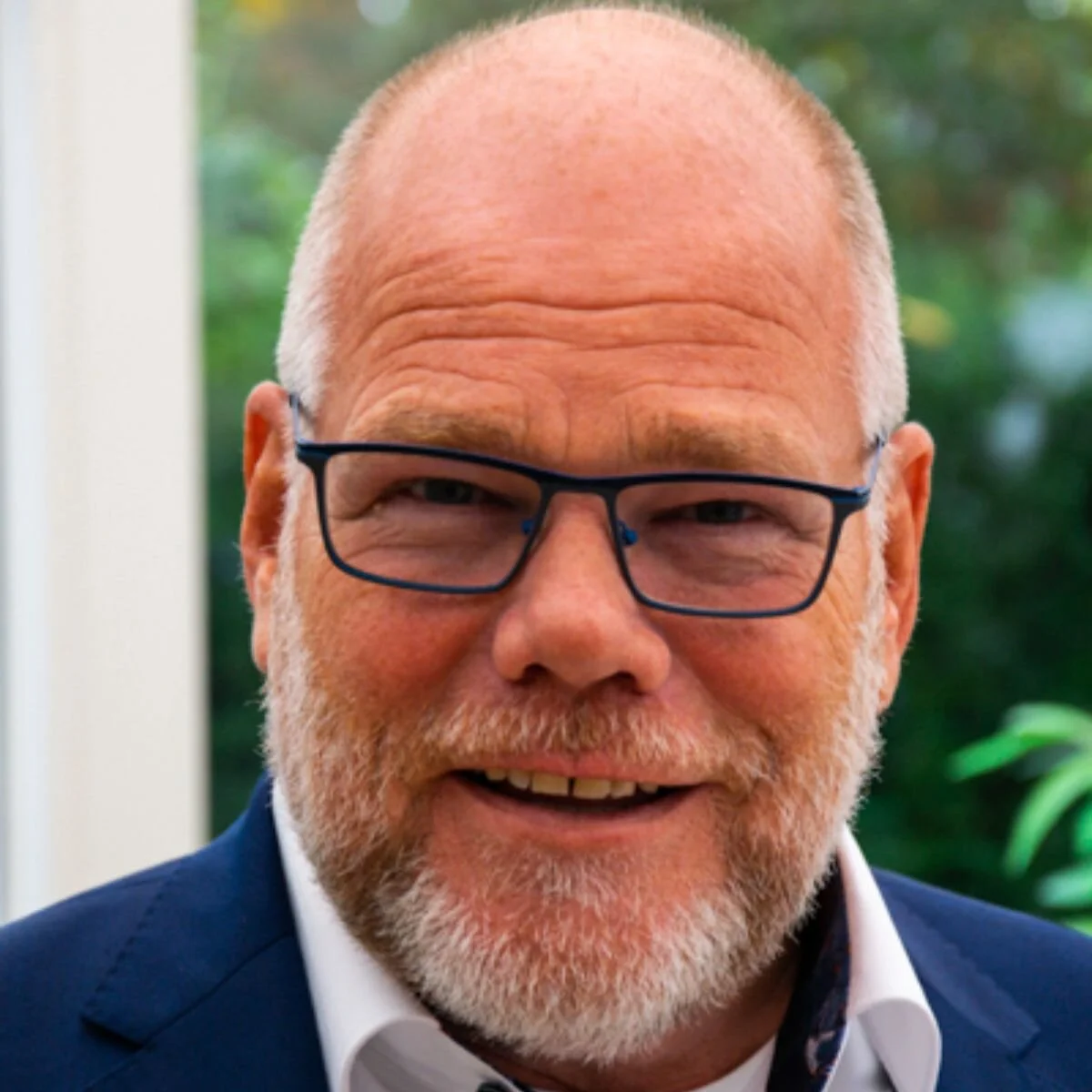
Wouter Droppers

President | Europartners

Wouter is president of Europartners and author of the book ‘The Jerusalem entrepreneur, becoming a source of well-being. Wouter Droppers has come alongside leaders in the business world for more than thirty-five years. He has served as the president of several companies in the automotive sector and currently is the director of Europartners, an international movement for Christian Business leaders, where he advises, supports, and encourages Christian entrepreneurs throughout Europe. People seek Wouter for his wealth of business experience, his wisdom for life, and his very practical and down to earth approach. Wouter is married and has two children.

LINKS

CONTRIBUTIONS TO FAITH DRIVEN ENTREPRENEUR

In Defense of Standing Out

— by Thane Ringler

The history of hipsters is fascinating.

With roots extending back to the beginning of the 19th century, the word “hipster” contains many layers of cultural formation. It is a term that has been shaped by an array of people and places, from the Jazz reformers in the 40’s, to hippies in the 70’s, to the modern-day version seen today in cafe’s and local goods stores across America. While this is a captivating subject and one that could take much of our time here, that’s not the point of this post. So feel free to read all about it here, here, or here.

The point is this: the culture of “hipsters” is pervasive. It has been around for a long time (probably much longer in form/function than the 19th century). Hipsters are characterized by non-conformity to mainstream culture, progressive views, and a dogged individuality. At the heart of being a hipster is the desire to go against the commonly accepted way of life, bucking the traditional norms and expectations of society. At its core, this is the desire to: stand out.

WHAT STANDING OUT OFTEN MEANS

Standing out is individually desired but corporately scorned. This is equally true within the “hipster” subculture. Even those who want to be known as first-adopters, economically-savvy, and ahead of the trends – they still don’t enjoy being labeled as a “hipster”.

(I promise this isn’t a post solely about hipsters.)

Standing out often means you possess something that makes you different than the majority of everyone else. Transfer this mindset to the social media world and it’s easy to spot the pervasiveness of this desire. People will go to extreme lengths in order to be “seen”, to stand out among the sea of images and profiles that fill the vast expanse that is now social media. But the root of what “standing out” stands for isn’t tied to modern society, it’s tied to the human condition.

Whether it involves social media, socioeconomic status, or simply personal intellect / ability, we all want to elevate above the crowd, to rise above the common existence of humanity. We want to stand out. But what standing out often means is only an appearance. Standing out is based on the external state of a person and not the internal reality. It is evaluating a person outside-in instead of inside-out. It is putting the emphasis on what is seen by others, not by what is experienced within you and through you.

TALL POPPY SYNDROME

If you have never heard of the Tall Poppy Syndrome, it is another interesting ideology within social psychology. It is a phrase common in Australia and New Zealand that describes a culture where people of high-status or class are resented and attacked. The tall poppies – the successful and talented outliers – are “cut-down”.

This cultural phenomenon can be seen as the opposite side of the hipster-coin. It is the societal stance against standing out. In its worst form, this is the culture of envy: where anything that isn’t shared by the whole of society is opposed and removed. In it’s best form, it is a view that sees each human being as just that: a human like the rest of us.

The good within the Tall Poppy Syndrome is the understanding that no human is ultimately “taller” than the rest, and when certain humans start believing or acting like they are taller than the rest, the society will help remind them that they aren’t. The bad within the Tall Poppy Syndrome is that achievement, progress, and the pursuit of excellence are devalued and discouraged, at the very least passively if not actively.

I bring up the Tall Poppy Syndrome to highlight the tension within this desire to “stand out”. There are opposing views on each side, and there is merit to be found on both sides. Yet, I believe that both sides are only telling half the story… and it’s the other half of the story that really matters.

THE OTHER HALF OF THE STORY

Most of what has been said thus far has addressed the external reality of standing out. The other half of the story is the internal reality, and this is the half that matters most. Instead of thinking about standing out from the outside-in perspective, we should be viewing it from the inside-out.

Integrity is often defined as: who you are / what you do when no-one is around – and more specifically, doing the right thing when nobody is watching. Integrity is concerned with the internal, not the external. It is concerned with someone’s character from the inside-out point-of-view.

This is the most-telling point-of-view, because the external will never tell the full story. What stands out to people, the thing that truly stands out, is less in what you do and more in who you are. Your actions flow out of your true identity – who you are at your core – who you are when no one is looking.

WHY STANDING OUT MATTERS

Standing out matters because it’s hard. Truly standing out, from the inside-out, takes more than just a new habit, lifestyle, or mindset. It takes a transformation of the heart, a supernatural act of God. Because if we are honest with ourselves, who we are at our core isn’t often the person we wish would be. The evil that pervades this world is found within our hearts – it is a heart-issue. It could be categorized as: natural.

“Wrong is easy; gravity does the job. Right is difficult and long, but it frees our mind to move from shadow to light.” – Wendell Berry

Wendell Berry is saying that entropy is the norm. Left to ourselves with our natural bent, we will decay and self-destruct. Degradation simply happens, we don’t have to do anything to help it out – gravity does the job. But to flourish, to create that which is beautiful, to make things new and good – that is “difficult and long”. We see this with the things we build constantly needing repair and maintenance, and we see this within our own bodies that will slowly and surely lose functional ability without exercise and training to build it up and make it stronger.

Yet, this reality does not just apply to the external world, but also to our internal selves, our inward being. The natural state of our being as humans is toward that which is harmful for us, and if you make no efforts to strive against it, we will live in bondage to the desires of our flesh, what our heart truly wants… and most of the time it isn’t something we wish to expose for all to see. Pursuing that which is good, that which is honorable, noble, worthy, and true – pursuing the intent and instruction of God’s original design – that is the thing that “frees our mind to move from shadow to light”.

Wendell brings up another powerful point in the last part of that quote – the power of light…

THE POWER OF STANDING OUT

The night before I wrote this post, I decided to go to the local park to do some reading at dusk. After situating myself on a vacant bench, I settled in to enjoy the fading colors of the evening, the cooling of the temperature, and the bliss of learning from the book in front of me.

As I immersed myself in the text, I subconsciously increased my proximity to the words, closer and closer as the light continued to wane. What started as a leisurely reading, quickly turned into a squinting interpretation as darkness settled in. But suddenly, lo and behold, I found I had been blessed with foreknowledge! To my surprise, I had chosen to sit on the bench that was 20ft. away from a nearby streetlight. And through the trees and foliage, the rays of light were able to reach the page in front of me, and continue to illuminate the words I longed to consume.

This is the power of standing out – the power of light over darkness.

Darkness can be understood simply as “the absence of light”. Light is the thing that darkness has no power over – zero, zilch, none. The smallest ray of light can overcome the darkest black of the night. It pierces through with incredible strength and power in a way that can shock the mind when we pause to think about it. Even through limbs and leaves and a sizable expanse of darkness, the light from the lamp shown upon the page of the book in my hands, and darkness couldn’t do anything about it.

Standing out, from the inside-out, is the pursuit of being a light in this world of darkness.

The fact that we live in a dark world is hard to deny. The news testifies to this fact daily. The harder thing to admit is that we all possess this capacity in our hearts. Take away the light and we all have the capacity to morph into monsters. This is illustrated even more by the fact that the majority of crime takes place at night, in the darkness. There is something about the absence of light that takes away the accountability for doing what is right.

To me, what truly “stands out” is: a person who, from the inside-out, is striving to be a light in this world – striving to share the love of God through the person of Christ and the transformation of the heart that He brings.

Why does this stand out? Because it’s so rare.

Andy Crouch makes this point in his book “Culture Making” with the stark comparison of Princess Diana (the celebrity) with Mother Theresa (the saint). He says:

“For nearly all of us, becoming a celebrity is completely, categorically impossible. For all of us, becoming a saint is completely, categorically possible… So why are so many trying to become a celebrity and so few trying to become a saint?”

… outside-in vs. inside-out.

THE LIGHT-GIVER

Jesus, the Son of God, who lived and walked on this very earth just over 2000 years ago, had this to say about being a light: “You are the light of the world. A city set on a hill cannot be hidden. Nor do people light a lamp and put it under a basket, but on a stand, and it gives light to all in the house. In the same way, let your light shine before others, so that they may see your good works and give glory to your Father who is in heaven.” (Matt. 5:14, ESV)

The way our light “shines before others” is only done from the inside-out, because those are the works that truly stand-out. There is a clear and apparent difference. Yet the only way to accomplish this in a lasting capacity is through the one who is the ultimate Light of the world – Jesus Himself.

“Again Jesus spoke to them, saying, “I am the light of the world. Whoever follows me will not walk in darkness, but will have the light of life.” (John 8:12, ESV)

Jesus is the light-giver, the one who unlocks our individual ability to shed light in the world of darkness. This is the power of light. This is the power of truly standing out. This is the reason why the world needs us to stand out, to be forces of light that a world of darkness desperately needs.

PERSPECTIVE ON LIFE AND DEATH

I want to give one last illustration to close on.

A few months ago I was running through the hills behind my former residence. It was a beautiful evening and nature’s beauty was on full display.

As I ran through the trees and prairie grass, through the valleys and up on the hills, I was struck by an image that caught my eye. In the midst of a field of live (albeit dormant) grass, there stood one tree that was completely dead. This was a stark contrast that stood out to me – to see something that was dead in the midst of all this life.

Yet this contrast sparked another thought in me. If this dead tree could stand out so abruptly in the middle of a field full of life, how much more-so would a live tree stand out in the midst of a field of death? The first scenario makes sense, the second would prompt awe and wonder. Death always occurs – it is a natural part of life. But for something to be alive while being surrounded by death on all sides – THAT is a powerful perspective.

My plea to stand out is based on Jesus’ plea for us to be the “salt of the earth” and the “light set on a hill”. My belief is that this can only be accomplished through faith in Jesus alone, the faith that transforms our heart of stone into a heart of flesh, the faith that unleashes our ability to pierce this world of darkness with unquenchable light.

Now it’s our duty to go forth and shine.

That’s my take on it, what’s yours?

Related articles

——

[ Photo by João Jesus from Pexels ]