PODCAST CONTRIBUTOR (no devo template to duplicate)

Title

LINKS

PODCASTS FOR THE FAITH DRIVEN ENTREPRENEUR

Episode 170 – Alone in the Corner Office with Rick Lytle

If there’s one topic that makes its way onto this podcast more than anything, it’s the importance of community. Starting your own business can be a lonely journey…but it doesn’t have to be.

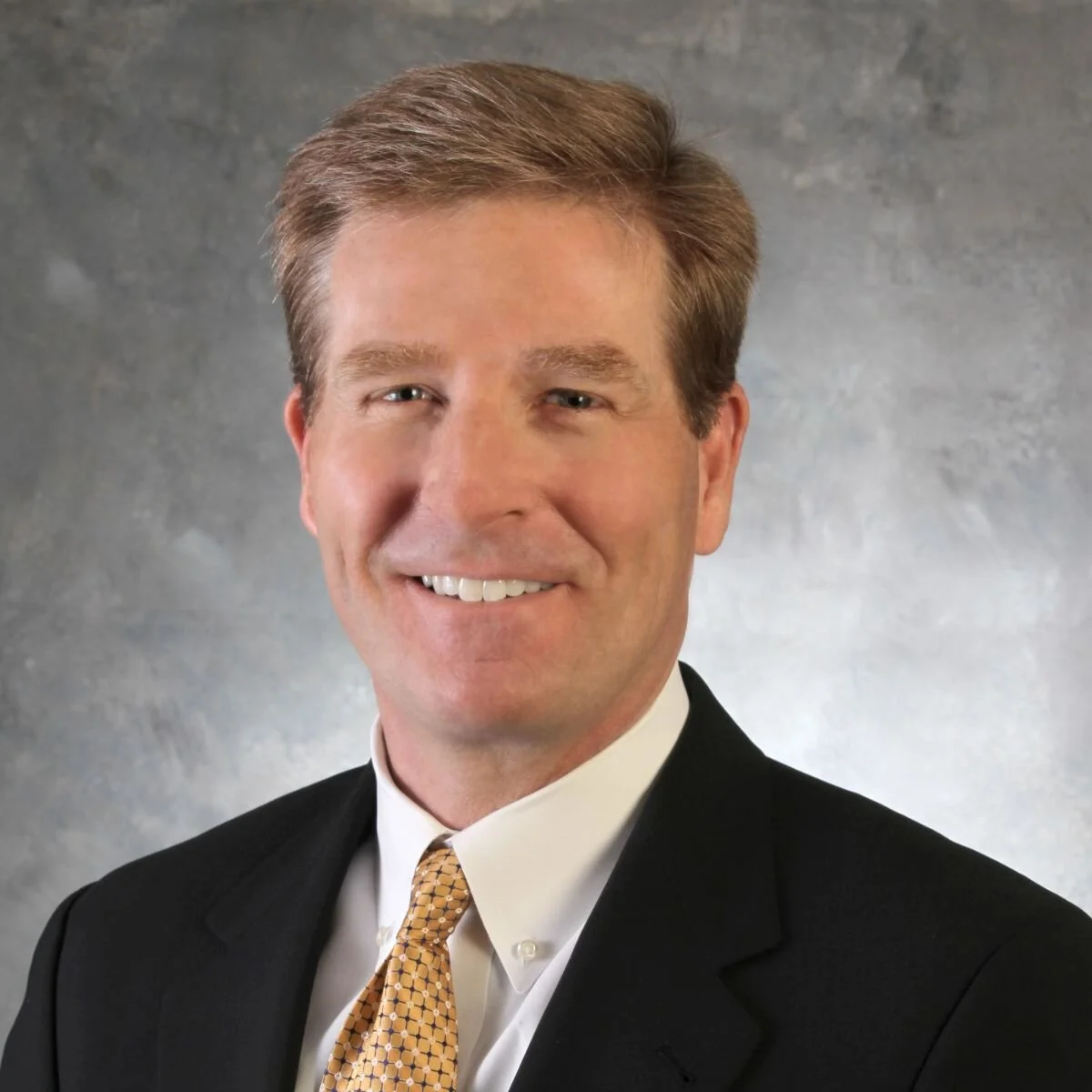
Today’s guest is an expert on what it looks like to be lonely at the top—and what it looks like to be surrounded by a support system. Dr. Richard S. Lytle currently serves as President and Chief Executive Officer of CEO Forum, Inc where he is helping business leaders find community.
If you’re tired of going it alone, give this episode a listen. And afterwards, if you’re looking for a place to belong, find your Faith Driven community.


Episode Transcript

*Some listeners have found it helpful to have a transcription of the podcast. Transcription is done by an AI software. While technology is an incredible tool to automate this process, there will be misspellings and typos that might accompany it. Please keep that in mind as you work through it. The FDE movement is a volunteer-led movement, and if you’d like to contribute by editing future transcripts, please email us.

Richard Lytle: There’s always this maybe misunderstanding that, oh, wow, they made it to the top and it’s been yeah, they had an easy oh I can tell you story after story after story of heartbreak, of rejection, of being shamed in front of their colleagues and being walked out of the room as president of a major brand that you guys would know about as a story of their faith being tested in a story of resilience and bounce back. That I think especially in these covid times, is last year, you guys, I think if you didn’t have spiritual grit, you didn’t make it.

Henry Kaestner: Welcome back to the Faith Driven Entrepreneur podcast. Today, we’ve got a great guest on Rick Leidel is the CEO of the CEO Forum, which is a ministry that ministers to some of the biggest leaders in the marketplace, some of the Fortune 50. They’ve been doing this for a long time. We’re going to take that a little bit. Increasingly, they’re doing that with some younger, fast growing leaders as well. We’ll talk about that, too. But, Rick, first of all, welcome to the show.

Richard Lytle: Thank you. It’s great to be here.

Henry Kaestner: Awesome having you. We want to get into the background and the personal history of all of our guests. And I know enough about some of your history to know that it’s really, really relevant. It’s a story about the marketplace. It is obviously shaped you in your life and in your ministry. And so let’s start there. Who is Rick Leidel? Where have you come from and what’s the legacy that you’ve picked up from your parents that informs your work today?

Richard Lytle: Yeah, thank you, Henry. Thanks, guys. It’s great to be here. I was born in Detroit, Michigan, to two extraordinary parents who happened to be deaf. Both of them lost their hearing somewhere around 12 months of age. And so you can imagine go back one hundred years now when they were born and think about how they would get along in society. Back then, they were called deaf and dumb. I experienced that as a child growing up and actually got probably into a couple of fist fights because of my wanting to defend them and just tell people they weren’t deaf and dumb. So that’s a very unique approach to life that I was confronted with. What’s so cool? The quick story here, Henry, is my dad went to the Detroit Day School for the deaf. His dad was a Detroit police officer. And in the seventh grade back then, the classes were not coed. So it was all boys in the seventh grade class. Henry Ford Senior. The machine that changed the world walked into my dad’s classroom and with an interpreter talked about Ford Motor Company and talked about business. And he made a promise to the class that if they would graduate from the 11th grade, which was the highest grade that was attainable at that time, that if they came down to the company, he would give them a job. My dad remembered that and I’m on Zoome with you. But as my mom, he would tell me because he’s very animated, my parents are very animated and my mom grabbed my ear and we walked down. The Ford Motor Company applied. And as far as we know, my dad was the first ever deaf employee to be hired at Ford Motor Company, was a journeyman in the factory. Once he met my mother, he had another dream. I mean, his dream was always to go to work for Ford. And then once he got the job at Ford, which was unheard of. You guys, it’s hard today because of all the emphasis on trying to be friendly to folks who are struggling with disabilities like this was unheard of. Deaf people were pandering the streets. Deaf people were always looking for handouts. They had no opportunities to work anywhere. Nobody knew what to do with them. So this was huge. Well, then he had a dream after he met my mom that he didn’t want to be quote on quote a factory worker. He wanted to be a white collar guy. When I talked to my college students, they don’t even know what that means. Nobody works. What does that mean? When my dad wanted to work in the office and so what he did was he enrolled in a class in the evenings. It was for to become a draftsman. And he went for four years, you guys, he went for four years at night after he worked his full shift in the factory, no interpreter, no assistance. And he would tell me as I was growing up, all he saw was the back of the teacher’s head as he was writing on the chalkboard. Then he would stay after he would learn from the professor, the teacher, as much as he could, even though he was the only deaf guy in the class. Nobody knew how to do anything with him. In his fourth year, he took his final exam and he failed. And he told me he looked at me and he said it’s one of the biggest disappointments of his life. He was so embarrassed and he was so frustrated. But his mother again took him by the ear, marched him back down. He did his fourth year again and he graduated with an eighty percent degree. And my favorite picture, my dad. And I have it in my office, he’s on the drafting floor, world headquarters, Dearborn, Michigan, Ford Motor Company, and a white shirt and a tie. And he’s got his two bosses leaning over him. And he has a white collar guy at Ford Motor Company, the first deaf person ever employed professionally as an exempt employee. And what’s so cool about that? It’s kind of scary. But my dad told me when he got to his job the first day, his boss came to him and wrote on a sheet of paper, just nobody to talk to deaf people. So he wrote on a sheet of paper, said, Frank, I’ve heard your story. I’ll give you two weeks. If it doesn’t work out, we’ll send you back to the factory. Back to the journeyman. And I thought, man, in business school today, we do not teach motivation that way, right? We just don’t do that. No, but my dad said after his first few days, the bosses came up to him, gave him a thumbs up, physically showing him the sign of a thumbs up. My dad worked forty two and a half years before when he retired, he was supervising twenty six men on the design floor of world headquarters of Ford Motor Company. And when we were boys, my brothers and I would go with my dad down to the auto show in Detroit, Cobo Hall Auto Show, always pretty girls in dresses and all the paint and all the stuff. Dad and Jim and Bill and I are on the floor sliding under the new cars and dads pointing out, you see it open. I designed that open. You know, you see those shock absorbers. And so it was just an amazing story. Yeah. No shift to my mom real quick. And I’ll tell you how the Lord kind of put all this together where I got my passion for faith in the marketplace. So mom was born on a farm in Tennessee, Nashville, outside of Nashville, Burns, Tennessee, Dickson County, super poor again, my dad’s police officer. So they were middle class. You know, they had money. They had wealth, mom, dirt floor literally during the depression. Or Dad comes up to Detroit up by seventy five to try to find work. He ends up working eventually. Ford Motor Company. He’s trying to find education for her. He discovers the Detroit School for the Deaf. He sends my mom to school for the deaf where my dad went. For the for the women that only went up to eighth grade, for the girls, it only went to the eighth grade. My mom is extremely bright and very hardworking. I’ve got a picture of my favorite picture of my mom. It’s of her up on stage. They would take my mom because she was so gifted to Minneapolis, to Chicago, to Detroit to try to convince educators that deaf people were smart and they could contribute to society. Right. So I have a picture of my mom. She’s on stage. She’s a little girl. She’s looking off to the side with her eyes closed. So she’s away from her teacher. She has her hand on the throat of her teacher. Next to her teacher is one of her classmates, a boy named Ronald Silow. He has one of those old wooden sticks with a rubber tip, a pointer on it. He’s pointing to words on the easel. My mom’s teacher is saying the words, my mom’s eyes are close with her hand on the teacher’s throat. And my mom is saying what the teacher is saying by reading the easel from the words is incredible. And they went all around and BAM graduated valedictorian the eighth grade and eventually met my dad. And I told you the story. But here’s what I think is just so cool. Because of the influence that my mom and dad had as individuals who had a faith in Christ and a belief in God, that was very simple, very rudimentary, my dad then would go to all of his deaf friends from the Detroit school and say, you could get a job at Ford, you could get a job at GM, you can do this. And his friends all started doing. And then when my dad got the white collar job, he went back and said, you guys can do this and they went to training school. So when I was growing up, the circle of deaf friends that I hung around with my parents were all these deaf men, mostly some women who by my dad and mom’s influence, were able to create a standard of living for themselves and their families. That was unbelievable at the time. But then on top of that, where Jesus comes even more directly is my mom’s father, who brought them up from Tennessee, said we need to have a church for the deaf. There were no churches in Detroit for the deaf. So my grandpa, who is uneducated from Tennessee, scoured the country and found how he did this. He found a deaf preacher that was in a Bible school approaching school down in Alabama whose name was Harry Woosley. This guy comes to Detroit at my grandfather’s leadership. We start a deaf congregation in the bottom of the church building. And guess what? All those people that my mom and dad had pointed to, Ford and GM and Chrysler and set an example of faith and raising three boys going to church, they went to them and said, we want you to come and come to church with us and learn about Jesus. And so this congregation grew to about 50 or 60 deaf people, which it’s not a megachurch. Trust me, guys, but 50 deaf people in Detroit, Michigan, back in the 60s and 70s unheard of and because of pop spiritual leadership. But I go back and I say it was Henry Ford who cast a vision. My dad caught it. My mom caught it all. They had five loaves, two fish and a very simple face. But they’ve raised three sons. They’re all faithful Christians, all business guys, raised Christian families and now grandchildren. We’re on the fifth generation now from my grandfather, spiritual leadership and all of us are engaged in the marketplace. And I believe in my heart that that lesson that I learned from my folks and watching them with a simple face. Just to give you an idea of where I started from. I’m five years old. I’m a kindergarten mom, always fix my lunch. But one day I don’t know why, because we don’t have much money and stuff, but I got to buy my lunch. And so I was going through the line. I was so excited. The biggest thing I was excited about to get dessert. And I remember very distinctly I got to the end of the line and it was a classic older woman with a hairnet on. And I pointed down and I said, Fenelon? And she said, Excuse me. And I said, and I pointed Fenelon. I pointed to the ice cream Fennimore. And she said, Oh, vanilla. I said, Oh, that’s how you pronounce it. Wow. Think about a deaf person. How do you know the difference between and and you never heard a sound in your life. Yeah. And so what happened is I was growing up, I was the guy that was calling on the telephone to order me to talk to people, to communicate. There was no captioning on TV. So when President Kennedy was shot, I remember coming home to tell my mom and she was floored. And I so I became kind of a newsman, the anchorman, the information conduit when we went to buy cars because we were in Detroit, which was almost every year my TED, he did have a habit of buying brand new cars. And I would say as I got older, that you waste money on a brand new car. And he’d say, give a man a job that’s verbatim, give a man a job. But I could tell as a young boy that used car salesmen sometimes and car salesmen would take advantage of people and I would stand up to them and my parents would tell me that the guy would look at them like, who is this young son of yours? So it’s a story of faith. It’s simple faith. But I’m telling you, they touched everybody they came in contact with. They were just changed by the presence of my mom and dad. Then I was a benefactor of that. And so I went on to get my Ph.D. in business and I worked at a Christian university as a business school dean and faith in the marketplace. It’s just always been just so important to me because most people don’t go to church anymore. And so the only vision they may have of Jesus is their boss, their coworker. And I’ll stop it at that. Henry, I don’t want to keep going.

Henry Kaestner: That’s super cool. That’s super cool. That’s an incredible legacy to through. You come out of this amazing environment with your parents and you find yourself getting a business. You value faith in the marketplace. You’re at Abilene Christian and you hear about this thing called the CEO Forum somewhere along the way. Tell us about that a bit. But then especially, of course, tell us about the CEO forum. Tell us about the ministry. It’s probably because it’s been working with some of the top CEOs of industry. It’s not maybe as well known as C12 or an FCC or some of the other workplace ministries are out there. Help us to understand what CEO form is about.

Richard Lytle: Let me tell you the two questions, I think embedded in that, so as a business school Dean, I was always a marketplace guy. I wanted my students not to just have the theory, but I wanted them to be exposed to businesses, to be there, to touch it, feel it, to taste it, and to talk to Christian business leaders who’d gone down the road before him. So I ran across the question. I don’t even remember actually how, but I was invited to a luncheon in Dallas of Christian business leaders. And I sat down and one of the newest members of the forum was a guy named John. John at the time was the CEO of Mac Tools. John had just reignited his faith. And I mean, he gave a 10 minute intro that put your hair on fire. He was fired up for Jesus as CEO mocktails. So I just went up to him afterwards. I had never met before. And I just said, do you ever speak on college campuses? And he said, I never have, but I’d love to. That began a relationship with John. John came to Abilene Christian many times and works with me and a thing from the mountain that I do for the college students for twenty three years. But I was always looking for people that were on fire for Jesus, but they were also competent. And I built the car. I tried. We all built it. But to me it was competence because too many times Christian people, in my opinion, I’ve met a ton of Christian people that think they don’t know can slide a little bit in terms of excellence. But I was like, look, Jesus didn’t sign on anything. And he was excellent cognitively. And he was smart and so was Paul and so was Peter. But we wanted the character of Christ. So I intersected with Mac and eventually they asked me to join the board and I got to know more and more about the ministry. And basically where it started was twenty six years ago, Mac met with six CEOs, publicly traded companies, Fortune 50, Fortune 100, Fortune 500 companies. They all met in Chicago and basically said this is really hard. Now, remember, this is twenty six years ago. The culture is pressing in on us. We’re lonely. We feel isolated. We don’t tend to relate to our pastors, except possibly they want our money and there’s nobody within our church fellowship, so there’s great people that really understand our world like we’re in different orbits. And so Mack said they had about a three hour breakfast. And by the way, five of those six guys are still in the forum today, which is kind of amazing. And it’s grown into we serve about two hundred leaders of at least one hundred million in revenue or more. We do life on life discipleship with them just like Jesus did. We eat with them. We pray with them. We visit with their families. We go see them. Now it’s through resume and a variety of technology venues. But we do life on life, discipleship over a lifetime. We don’t give business advice. They can pick up the phone to call anybody they want to. We’re all about spiritual leadership development and creating what I would call a sacred space for them to enter that’s trusted and confidential, to share things that they wouldn’t share with anybody else. And our only goal is to just try to help them be closer to Jesus, try to help them come in to encounter Jesus in a new way with a support system that’s encouraging them to see what God sees. And one of the passages that really grabs me all the time, and I heard it again today, but in Matthew six twenty two on the Sermon on the Mount, where Jesus said, if your eyes are good or if your eyes are healthy, your whole body will be full of light. But if your eyes are dark, if your eyes are in healthy craters of darkness, it will be within you. And what I’ve seen in a lot of these leaders is they haven’t necessarily made the connection between the secular and the same, their solid Christian people, but they’ve not seen their platform as a platform of stewardship and leadership for God’s kingdom. And so a lot of our people now that are in the forum, they tell me they feel like their pastors now. In other words, their eyes have shifted, their perspective has shifted that, oh, this is my ministry. Oh, this is my calling. Hey, hot dog. I don’t have to be embarrassed. I’m a wealthy businessman. I can actually use my gifts and my talents to be a blessing to humanity for human flourishing and create value and to be a light for God. And so that’s what we do in the forum. We have also an institute. So we do biblical discipleship. We have curriculum that are designed for CEOs, senior executives. We just launched new female boards and then we’ve launched the new next generation initiatives. Henry, because I just when I came into the forum, it’s awesome organization. It’s got a great legacy and it’s authentic. There’s no chest beating. It’s just like we come to the foot of the cross together. We’re lonely together. We all experience humanity together. But I just was like, we can’t just keep this among ourselves. What’s tied down to the thirty five year old? It’s show him the way, if you will, from our mistakes and and from what we’ve learned so that they don’t have to wait till they’re fifty five to be able to be a part of a ministry like this. So that’s the form that’s the word of the form specifically, it’s to engage, encourage disciples of Christ following CEOs and senior executives and their families to advance God’s kingdom. That’s our mission.

Speaker 3: It’s amazing. Here, thanks for sharing and thanks for sharing the story. Your parents, I can’t get one question out of my head. I’m going to jump into the forum. But I’ve got to ask you, what kind of car do you drive?

Richard Lytle: A Ford F 150. I got a new one.

William Norvell: OK, I didn’t know where it was going, but I had to ask. I was hoping for the right answer. I always

Richard Lytle: know my dad somehow, somewhere in heaven, he’s looking down to make sure I’m faithful to the legacy

William Norvell: Amen Amen. I think that’s the right answer so we can spot you on the road now. So that’s exciting. So I do want to talk about the CEO forum. So as Henry mentioned, you know, a lot of our listeners are entrepreneurs. Some probably I’d say we would likely skew more towards the younger entrepreneur, the younger business leader, as you mentioned, just hate asking questions like this. But I feel like you’re probably prepared two or three lessons that you think our audience could learn from your long obedience with CEOs who have sat in that chair. What would you like to pass along to people and just encourage them with that they can take with them today?

Richard Lytle: So I would start here. It’s a road full of failure, oftentimes shame, pressure. And eventually what wins for me is what I call spiritual grit. It’s not for the week in the 60s. I could just tell you that it’s a very even today, especially if you’re a publicly traded company, it’s a tough row to hoe. The average tenure, as I understand it, for CEO is three to five years. So you’ve got an opportunity to pop in, to make a difference, to try to be God’s person. And probably you’re going to be out in just some of it is physically. You just can’t do it. You can’t endure at that pace. But I think there’s always this maybe misunderstanding that, oh, wow, they made it to the top and it’s been yeah. They had an easy oh, I can tell you story after story. It’s true story of heartbreak, of rejection, of being shamed in front of their colleagues and being walked out of the room as president of a major brand that you guys would know about as a story of their faith being tested and a story of resilience and bounce back. That I think especially in these cold at times, is last year, you guys, I think if you didn’t have spiritual grit, you didn’t make it and you’re not going to make it. That’s one thing. The other thing I would say is the loneliness is pervasive. I mentioned it before, but that’s probably there’s a couple of things that you’re probably the most front facing thing that we get to understand as we meet people is they’re very lonely and they’re very isolated. And we know that if that’s your condition, you’re pretty easy to be picked off by the enemy. And so, again, that form becomes a place of refuge, a safe haven, where they can talk to Mac, they can talk to me, they can talk to any of our team. But they the ones that I see who flourish, they have accountability groups. They’re intentional with that. And it’s what sustains them because nobody’s pouring into that’s part of the reason for the minister who’s pouring into the leader. I mean, who’s refilling the gas tank and the leader. At that level where they don’t sense that coming from the church in terms of understanding their orbit, so they’re very lonely and they need it. But the other thing that I would share with you that I’ve just sort of analyzed in my own mind the last three months, over the years that I’ve been involved in the forum, I’ve been in this capacity for five years, but about 10 years on the board and doing some work with the forum. I think the number one prayer requests by all of our CEOs is for clarity. They will constantly beg for prayers, for clarity, for what to do next. Right behind that will be wisdom or maybe tied with that would be wisdom. And those that are serious and they walk with Jesus is for humility because they know the trappings of the job. But relative to clarity, this became clear to me. I went back and started thinking about what God has to say about clarity. And there’s not a whole lot of examples in scripture where there’s a lot of clarity, there’s a lot of conviction by Abraham and Moses and Noah and Esther, but not a lot of clarity about the road ahead. But what it seems that everybody’s desiring is just tell me, God, which way to go. And it seems to me that the lesson learned by these great leaders is direction as a matter of conviction, not clarity.

William Norvell: Amen Amen, I had someone, a mentor, tell me one time about the story of Jonah and how, you know, the beginning is go to Nineveh and preach. Right. And that’s all he said. There is no outcome. There is no nothing else was attached to it. It was just simply go do my work and I’ll fill in the gaps as I see fit. Right. And that’s kind of our call. I want to jump into a phrase you mentioned. I want to go one layer deeper on it, if you wouldn’t mind. Spiritual grit. I love that my mind goes to a couple of different things. I feel like I kind of know what you’re getting at, but I want to give you a chance to go one layer deeper on what you think that phrase means and what our leaders need to be prepared for.

Richard Lytle: So thank you. What allowed Jesus to make to the cross? I mean, how did he he knew where he was headed. He was born to die, but how did he actually get there? That abiding presence that he had with God was amazing, was fundamental right to him. And he would have been wiped out in the wilderness when Satan came after. I mean, he’s standing dripping wet the Jordan River. Right. And his first said the Bible says he was led by the Holy Spirit into confrontation with Satan. And he just said yes to God, yes to God, yes to God, yes to God, and I think that’s part of the deal. But one of our leaders who if I were to mention the brand and the national publicity over the last two years, I’ve just been honored to walk with him. And I’ll tell you what he told me, and this is to me, kind of foundational. He’s a bike rider, and he puts in about 70 miles a day, and after this public tragedy and public hearings before Congress and all this, he was really struggling with God. Why is this happening? I thought you gave me this position to serve your glory and for your kingdom. And it’s all dismantled and I’m out. And so he said about three weeks and he’s out in Missouri countryside and he said he just kind of heard God say to him so and so that’s the last time you thanked me for anything. And he said it just Florida and what he shared with me over the next six months was he believes that his humility and his gratitude for God’s goodness, regardless of the situation, led him to his grace and then led him to growth to be able to face the trial that he was not. So with some gratitude to grace, to growth. And his proposition is, if you don’t start with gratitude, you’ll never grow. And the trial will take you down or keep you at the same level. So these fundamental elements of faith, gratitude, joy, humility and spiritual tenacity are etched in the DNA of these leaders.

Rusty Rueff: Rick. It’s amazing the story that you’ve had. One of the real advantages that William and Henry and I did have by hosting this podcast is, you know, we get the vantage point of listening to somebody’s history where they’ve come from to where they are today. And you know, it just to get to be the fly on the wall. And your story about your parents reminded me. My wife and I watch that current movie that’s out right now called The Sound of Metal about the rock drummer who loses his hearing. And he’s trying to figure out his acceptance of that. And one of the biggest issues you could tell that he’s dealing with is loneliness. And you mentioned, you know, the loneliness of a CEO’s job and you’re, you know, picking up on that. And as I heard that, what I also heard is, you know, you grew up in a family with parents who had to deal with loneliness. Right. And that, you know, you were equipped during that time to do what you do today, you know, and that’s that’s God’s grace there.

Richard Lytle: No. Yeah, Rusty. You’re right. In fact, the spiritual grit of my parents is just popping into my mind was unbelievable. And they would tell me if the one thing that they would tell me over the years is it’s hard because we’re lonely. They could be sitting in a room, you guys with 500 people and they could be right in the center. And nobody’s talking to you because they don’t know how to communicate and they’re lonely. And so even as hearing sons, we were like, wouldn’t that great mom and dad, you’re in the middle of it. And they’re like, we don’t even know what went on, you know? And so they face it all their, you know, just all their lives. But they had the spiritual grit, you know, to push through it.

Rusty Rueff: Yeah. So as you work with CEOs, is there a distinction between the issues or maybe even the nuances of the issues that CEOs who are entrepreneurial, that might have their own start up or their own business that they founded and grown versus those that have come up through the inside of an organization? Do you see differences there?

Richard Lytle: I think you do. I think we’re entrepreneurism is sort of squashed. Is in the corporate structure, in the corporate culture of an organization, even if the CEO grew up in the organization and is entrepreneurial in his or her approach, I think the biggest hurdle for the big companies is to get past the culture the way we do it at Wal-Mart or the way we do it at Procter and Gamble. Frankly, I see most of the CEOs that I interact with. As very entrepreneurial. They’re visionaries, they cast dreams, they have dreams, they work to fund those dreams within the organizational corporate structure or not, they’re intentional driven might be another word that we might want to back away from a little bit, because that’s where they get caught up and they don’t take time to remember who they are before they figure out what they want to do every day. But there is a spark. I frankly Rusty don’t rub elbows with very many CEOs at this level that I would categorize as not entrepreneurial. OK, I think that spirit and that spark is part of the DNA to get you to that leadership position, honestly.

Rusty Rueff: Yeah, yeah, that makes sense. So one of the things we try to do on the episode is we want to encourage and equip our entrepreneurs. What are some of the downsides of not being in a group or not having, you know, someone who’s walking inside you?

Richard Lytle: Well, I think the biggest thing is it goes back to Matthew six twenty two. Your vision, the Holy Spirit works in you and my way of understanding scripture through his word, through his promptings within you, but also through the company that you keep in the experience of others. And so when you journey together in a group with people at your side, supporting your vision is much healthier than if you get isolated. It’s the emperor with no clothes. And it does remind me of one of our leaders who was very driven, very smart, climbing the ladder very quickly, very entrepreneurial. But his head got a little too big. And there’s a whole story of how that derailed and how he lost his influence and how he lost his position and his position of influence. And he became known as that kind of person. And there’s a redemptive side to that Rusty so much so, because I would want everybody to know that whatever God allows, he can redeem. And this particular individual, actually, by the very CEO that fired him was asked by that CEO. To mentor him, so get the picture, he’s being fired and let go because of everything that’s happened and how he’s kind of gotten off by himself and on the wrong real. The CEO, let’s go looks at him and says, I want you to mentor and this particular CEO who is now a very well known CEO, said to me, what was so cool about that humbling experience was in the next 18 months, I baptize that CEO and all five of his sons. Amazing. Amazing. So God can do anything right when we see him as we should there.

Rusty Rueff: One more question for me and then I’ll turn it back over to William. Bring us to a close. Is there an advantage or a disadvantage of being yoked with someone of your same industry? I get this question a lot because we have a lot of tech entrepreneurs like they’re like, well, should I get in a group or should I be mentored by someone who’s in the same industry? Or does it open the aperture for me if it’s somebody from another industry and, you know, you’d probably be the best person to give that answer to.

Richard Lytle: Yes, I have an opinion on that. And I think it’s like a lot of things in church go to a church. Do you just hang out with people your own age or do you intergenerational? What’s the pro and con there? Yes, when you’re together in your own industry, it’s awesome because I know exactly what if you bring a bunch of higher education guys around me, I’m going to click and we’re going to go. But it becomes very narrow. It becomes very limiting. So one of the things we do intentionally in the forum is we cross Polland eyes at the same level, but across industry. So that wisdom is opened. I think your aperture, as you said, is open. So we try to do both. We convene in the same industry or same function as marketing or finance people or technology people. But my purpose in our institute, when we do our deep dove in biblical discipleship, we don’t do that. We bring people from all across the country, all different walks of life, all different industries. And it’s beautiful. And people are opened up, I think, and become better leaders because of.

William Norvell: Thanks so much, Rick. It’s been a gift to have you on. Unfortunately, we do have to come to a close. And as we come to a close, one of the things we just love to do is to see how God’s word continues to live and breathe and how it transcends between our guests and our listeners. And so the question I would love to ask you is, if you wouldn’t mind sharing with us, we’re just going to have you in his scripture today. It could be something you’ve been meditating on for a while. It could be something that the Lord shared with you this morning. But just invite you to share that with our listeners.

Richard Lytle: Well, thanks, William. I’ll be a little vulnerable here. About 14 months ago, I was surprised with a life threatening condition. I was healthy all my life and it knocked the wind out of my sails. And I remember going through that time, it’s hard to explain, it’s kind of it’s one of those things that you hadn’t been there. You hear people talk about it. But I was kind of coming to terms with Jesus. I didn’t know I was going to be around very long. And the passage that came to my mind that I’ve clung to had always been my favorite passage on page six out of Romans for. And you guys know it, but it’s the passage where. Paul’s talking in Romans about Abraham, and he said Abraham faced the fact that his body was as good as dead and that Sarah’s womb was also dead. Yet he did not waver and unbelief regarding the promises of God, but rather gave glory to God. And here’s being fully persuaded that God could do what he said he could do. And I just held on to that promise, Lord, whatever the outcome, I believe that you’re the God that brings into existence things that are not which Paul just said to versus before that. But whatever your will be, I believe that your promises are true. And I believe you can do what you said you can do and then I’ll be with you forever. And that has stuck with me for these last 14 months.

William Norvell: BAM, thank you so much for sharing that, Rick sticks with me now, and I’m going to see that verse in a new light. I did not remember it when you said it, but thank you for sharing that with us. Thank you. Share with our listeners. Thank you for sharing so much of the story of God’s faithfulness throughout your life with us today.

Richard Lytle: Yeah. Oh, it’s an honor. Guys.

Richard Lytle

President & Chief Executive Officer | CEO Forum

Dr. Richard S. Lytle currently serves as President and Chief Executive Officer of CEO Forum, Inc. Additionally, he serves on the business faculty at Abilene Christian University as Director of the Lytle Center for Leadership and Faith Development in the College of Business Administration after having served as dean of the College from 1999-2016. He served as one of only 7 deans in the school’s 75-year history and has been a member of the Abilene Christian University faculty since 1991.

Of most importance in Lytle’s life are faith and family. He and his wife, Jeanne, are active members of the Southern Hills Church of Christ and often teach together. They have three beautiful daughters, Kelly, Hannah, and Michelle. Together, they enjoy teaching about family matters and leadership. They enjoy a variety of activities including Great Lakes boating, water/snow skiing, hiking, running and global travel.

LINKS

CONTRIBUTIONS TO FAITH DRIVEN ENTREPRENEUR

Episode 169 – Inside the ESOP Journey with Kris den Besten

Today, we’re talking about ESOPs, which stands for employee stock ownership plan. For businesses looking to transfer ownership of their business, many are looking to ESOPs as a way to keep the culture they’ve created within their company. 

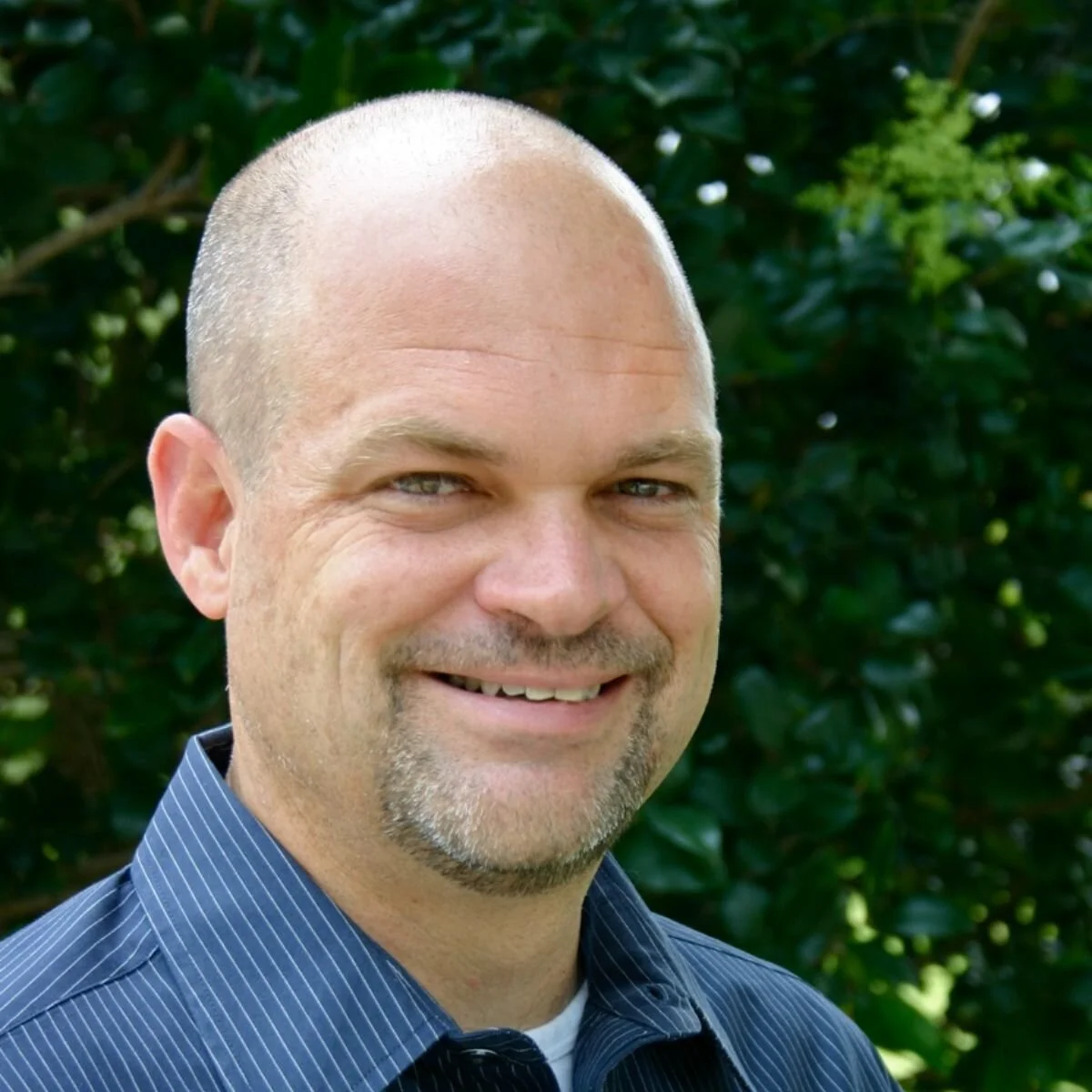
We invited Kris DenBesten, President and CEO of Vermeer Southeast, to share his experience of turning his business into an ESOP. He gave us the full scoop on what he and his company walked through, the questions they asked when making the decision, and the reasons they made the move.


Episode Transcript

*Some listeners have found it helpful to have a transcription of the podcast. Transcription is done by an AI software. While technology is an incredible tool to automate this process, there will be misspellings and typos that might accompany it. Please keep that in mind as you work through it. The FDE movement is a volunteer-led movement, and if you’d like to contribute by editing future transcripts, please email us.

Kris DenBesten: One day I was with her all day long, my wife had gone to do something and we had watched TV all day and I just hung out with her like we did every day in the hospital. But when she came, she my wife came to relieve me. I was going back home to actually go to work and do a few things. And she said, How was today? And Grayson said, it was a great day, Mom. Dad’s phone rang 12 times and he didn’t answer at once. Wow. Here’s my little girl playing life in an intensive care unit, and the thing that made it a great day for her is that I didn’t answer my phone when it rang. And what that had told me is that all these years I thought I was a present parent. I thought I was. But the phone was always more important than they were. And she noticed that.

Henry Kaestner: Welcome back to the Faith Driven Entrepreneur podcast Rusty William, good morning.

Speaker 3: Good morning. Good morning, sun shining where you are?

Henry Kaestner: Oh, very much so. It’s an absolutely beautiful, beautiful California day, which makes me think there’s probably shining where you are. But, you know, Burlingame, it could be a little bit dicier.

Rusty Rueff: Yeah, yeah. You know, microclimates. But it is shining today. And and I’m I’m excited about shining. We’re going to hear about shining.

Henry Kaestner: Oh, that’s a good one. Where are you going with that? Yeah. It could have gone to the Jack Nicholson movie. It could have gone to a lot of different places. But I’ll tell you one thing before we move off the weather and people aren’t going to want to hear about the weather. But before I moved out here and so William lives between us in Atherton and before I moved out here, I was used to having a weather report on a TV station, which is this is the weather. Everybody in the Baltimore metropolitan area. This is going to be your weather. But out here, these microclimates are actually a thing. And so actually, it’s not a foregone conclusion that the weather will be the same for me as it is for you guys, even though you’re 10 miles away.

Rusty Rueff: I actually have a I have a video that I took in my house when we lived in Hillsboro, where it was raining on one side of the house and dry on the other. Wow. And I could walk back and that was a mild climate. But but it’s usually, you know, I find it’s about a degree a mile from San Francisco down. It’s, you know, give or take. But, you know, yeah, it’s it’s crazy.

Henry Kaestner: But coldest winter I ever spent was a summer I spent in San Francisco. OK, so more to the point of what we’re talking about today, we’ve got a great guest on. And, you know, we’ve been writing about this theme and there’s this image that we talked about recently and just kind of an observation that no one has ever seen somebody wash a rental car unless you work for the rental car company. Right. What does that mean?

Rusty Rueff: Doesn’t happen. What’s the difference between owning something and renting something? Right. You know, what’s the old lines? The fastest car on the road, a rental car. I mean, you drive it is somebody else’s neutral driver.

William Norvell: The great sign of that in Days of Thunder, if anybody wants to go back to nineteen eighty eight with Tom Cruise. Great rental car, Jason.

Henry Kaestner: I don’t remember that one.

William Norvell: That’s where I stopped real, OK? I mean, this is a big day. This might be the end of my FDE.

Henry Kaestner: Yeah, that’s very good. That’s very good. OK, we’ve got a special guest with us, Chris Den Besten. Am I close?

Kris DenBesten: That’s that’s perfect. Well, that’s

Henry Kaestner: perfect. Thank you. Thank you. My last name is Kaestner and ninety five percent of people mispronounce German and Dutch last names. And so I feel like I’ve won something. And the reason why we just talked about the fact that you don’t see anybody walking around car, of course, is because it has a lot to do with ownership. And so we’re going to be talking about a number of different things with Chris today. And we’re going to be talking about ownership through ESOPs. We’re going to be talking about his personal story. He’s got a book that’s coming out called Shine, and we delve into all that. Chris, thanks for being on the program.

Kris DenBesten: Absolutely. Thanks for having me.

Henry Kaestner: So, Chris, we’d like to get an autobiographical flyover of all of our guests and just understand who you are, where you come from, to what degree faith has impacted your life, of course, on the Faith Driven Entrepreneur podcast. We sure hope that it’s impacted at some level. But tell us about your story growing up and who you are, please.

Kris DenBesten: OK. Well, sure. I was born in Pella, Iowa, which is where Vermeer manufacturing plant is in. My dad worked there and when I was three years old in 1967, he was given the opportunity to start a Vermeer dealership in the southeastern United States. So we moved from Iowa and my dad started here in Orlando, Florida, in nineteen sixty seven, our business. So I was born in Iowa, but I’m as close to a Floridian as you can possibly get.

Henry Kaestner: Where did you go to college?

Kris DenBesten: I went to college at the University of Arkansas, which is an interesting place for someone from Florida. I was a pretty good golfer in high school.

Henry Kaestner: Feels like halfway between Iowa and.

Kris DenBesten: Yeah, there you go. Halfway back to my roots. I was a pretty good golfer in high school and got a golf scholarship there. And when I got up there, I found out that there were people that were really good at golf and that I wasn’t one of them. So that’s what got me to Arkansas. But I did play at Arkansas about the same time as a guy named John Daly who did OK.

Henry Kaestner: Oh, yes. Yes, he did. The great golfer. Not as good on the health food side.

Kris DenBesten: Yeah, I don’t think we want to go there, so we’ll just go stick with the bull.

Henry Kaestner: One of the great stories of all time. I don’t know if some of our younger listeners will remember John Daly, but really did bring in a question as to whether golfers or athletes are not

Kris DenBesten: absolutely what

Henry Kaestner: they are. To be clear, they are.

Kris DenBesten: Oh, yeah. And he was incredible. I mean, to be able to hit it that far and still be a good putter and actually a really nice guy. I know maybe some other things get heard about him. But anyhow, and

Rusty Rueff: apparently a pretty good father I saw him play and that father son thing recently with his son, who’s a really good golfer. I mean, it looks like he’s on his way.

Kris DenBesten: Yeah, I just heard actually that I actually heard that his son just signed to play golf at the University of Arkansas. So he’s following his father’s footsteps. Yeah.

Rusty Rueff: Nice school.

Henry Kaestner: OK, so you grew up in a Christian home?

Kris DenBesten: Yeah, yeah. Definitely grew up on a Christian home. I guess would jump in a little bit to the business. You know, my dad started it and when I returned from Arkansas in 1985, I needed a job and he needed employees. So it seemed like a natural fit. But it wasn’t really my passion at the time. But I went to work at the company and bounced around. Did a bunch of I say, I’ve done every job within the company except I’m a mechanic and there’s a reason for that. I can’t fix anything. So but I grew up after that in the company and it began to thrive a few years after I got there. In fact, it grew from about six million in sales in the early 90s to almost 85 million by the end of the 90s. And that’s when I ended up getting the opportunity to buy in and become an owner at that time. So but my dad and his partner were great faith driven entrepreneurs, which is perfect for this show. They were equipped for starting something from scratch and then growing it to a certain point. And what was great is myself and a couple other business partners came in and we were more an organizational builder type group where we could take it and hire people and grow teams and lead them. So we were there during those great growth years and then we were able to take it even farther. And now, just recently, two years ago, we sold the company to our employees through an ESOP, which I know you want to talk about as we go.

Henry Kaestner: Indeed we do. I also want to delve in a little bit just to set the stage and some of the, you know, the personal story with your family and just how that shaped you and the business. And, yes, absolutely. We want to get into, you know, how you made a decision to sell to an ESOP. I think that that’s unique. And I don’t know. William and Rusty, if we’ve had another guest on the program this ever delved into that, but before we do that, to the extent you’re comfortable with it, share a little bit more about your personal story.

Kris DenBesten: OK, sure. So when I started at the company, I actually had a light bulb moment. I wasn’t much of an employee and I heard some of the other employees who didn’t know I was within earshot talking about how worthless I was and how I’d never amount to anything and that my dad owned the place. And that’s the only reason I was working there. And at that moment, I kind of it was taken a little bit back and realized that they were right. So I won’t call it the right kind of motivation or the right kind of vision. But at that moment, I looked ahead and for the first time in my life, I had a vision and it was, I’m going to run this business someday better than my dad. And I wanted to prove to those guys that what they were saying about me was wrong. So with that in mind, I really began to apply myself and work really hard. And I did. I learned all I could about the business, worked my way through sales and then management and then eventually owning the company. And one day I closed the biggest deal in the history of our company. And I walked in to tell my dad about it because I knew my day had come. You know, now I have reached that point and told him about the deal. And I shook his hand when he congratulated me and instead of saying thank you, I said, what’s the biggest deal you ever close, dad? And. He thought for a minute and he said, you know, I don’t know that any deal stands out, but I think what stands out most to me is that this company has provided for so many families for so many years. And I’m just thankful that God’s allowed me to play a part in that. So here I am thinking I’ve finally reached this vision, this pinnacle of I’m going to do better than my dad. And he hits me with that, which, you know, a light bulb moment, you know. And it didn’t happen immediately. But over time, I began to realize that the vision I had was all for myself and the vision that I really needed to have if I wanted to be a faithful business owner, would be to seek a kingdom vision, something beyond just myself and over time and studying the Bible and different things, just trying to think, how do you apply work and faith? A Bible verse stood out. Matthew five 16. Let your light shine before men that they’ll see your good works and glorify your father in heaven. And thinking that through it didn’t mean that I would do good things that others would look at me. To glorify me, it meant that he would do good things through me that could glorify my father in heaven, and that’s the vision that we should have for our work, not I want my work to be about me, but I want my work to glorify him. And what does that look like? So over time, he began to reveal to me what that might look like. And it was pretty neat because my wife, when she was trying to help me, I didn’t know how to communicate that vision. I mean, I knew how to communicate a vision like we want to be 100 million dollar company. We want to be known as the best in our region. We want to. But how do you convey a vision like that? And she said, what if you could take that word shine and make it clear that way? And over time, the acronym Shine, which became our company’s vision we founded. So it’s five key principles that we wanted to show others that our work would look like Christ. What might that look like if he came to work at our place? So shine the five principles of shine our first of all, the S’s to serve others because we know the son of man came not to serve himself, but to serve others. If he came to work with us, he would definitely be serving others. The next is to honor God, the H the works he did. He came to glorify his father in heaven who sent him. And we if we want to be like trying to do the same, I is improved continually taking those gifts and talents that he’s given us and improving them not for ourselves, but for his glory. And then in his navigate by values, he gives us values in his word, scriptures that teach us how to live. And if we’ll navigate by godly values, we’ll end up where we need to be. And then finally, the reason for it all is to excel in relationships, to take the relationships that he puts in our lives and make an impact in other people’s lives. So it’s more of a this is what it would look like to let Christ be seen in your work. And it became our company’s vision. It’s definitely not a look at us. We shine because we can’t possibly do it on our own and we fail at it every single day. But it’s what keeps us pointed in the right direction. We want others to seek Christ in us, and we do it by following these five principles.

William Norvell: It’s amazing. Chris, thank you for sharing that. I just gosh, every time I hear a story like that, I’m just amazed at the way the manifestation of the Holy Spirit within different organizations, within different leaders. We bring so many people on. And I keep waiting to hear the exact same talk about how their culture is identical to someone else’s. And it never happens. It’s you know, God is as uniquely worked for you and your leadership group and and your formation with him to give you a slightly different vision, but still obviously using the principles of God. And so that’s just so much fun to hear. You know, you’ve got to introduce to us by great friend Mike Shero, a former guest here, C12, an organization we love dearly. And so I’d love to switch to a little bit of the scale of the business. Could you let our listeners know a little bit about the size of the business when you did sell it to your employees and kind of just a little flyover of what you did and what the organization looked like?

Kris DenBesten: Sure. Well, yeah, as you know, I started where my dad and his partner founded it from nothing in nineteen sixty seven this past year, we did one hundred and eighty five million in sales. We have eleven locations, two hundred and ten employees. So over fifty year period it’s grown from from two young men from Iowa to that size. And it’s, you know, it’s all businesses. We have some good years and some bad ones. But when we did put the ESOP together, we’ve had a great run over these two years, which is a great thing. And ESOP needs a few years of a good run and we’re off to a good start as it relates to that.

William Norvell: Oh, that’s great. And could you dove into the ESOP, even the acronym? You know, a lot of listeners are probably here and maybe I’ve heard that somewhere talk about the acronym and maybe even a little bit what you just said to wow, an ESOP needs a couple of years. How did you come to this conclusion? What other opportunities did you look at? Why did you finally choose an ESOP? So what is it and why did you choose it as the right option for your company?

Kris DenBesten: Sure. Well, ESOP is an employee stock ownership plan. That’s what the S.O.P stands for. So I just went over, say, Giani. So that’s what S.O.P is. But it’s basically the employees retirement plan ended up owning the shares of the company. So it’s a great. Vehicle for the right circumstance, so yes, we did look at all the different possibilities, we knew, you know, that it was time to begin looking at succession plans and what that might look like. And, you know, we didn’t want to sell it and walk away. We didn’t want to turn it over to someone else. That might change our culture, might change the concepts that we had had in place. We had a great team of leaders that had been developed and were there and basically were already running the company. So turning it over to our management team was definitely the way to go. But the most important thing being a faith based organization was we wanted to continue our culture. We wanted to continue the ministry that the company had been doing. And what better way to do that than to turn it over to the people that have been with you and running it for many of them over 25 plus years?

William Norvell: That’s great. I love the word you used there. I love the word you use circumstance. So I’m going to be slightly provocative. I feel like when I hear the talk about an ESOP, it just sounds amazing. Every time it’s like, wow, that’s obviously the answer. Man is really an answer for a Christ driven company. I mean, just obviously. Right. But I know there’s trade offs. I’ve studied the model a little bit and it sounds like you have to and I love the phrase you said that was the great option for our circumstance. Could you walk through, you know, why wouldn’t someone do this? If an entrepreneur is listening in, they’re hooked and they say, of course, I want to sell my company, the employees. What are reasons maybe they shouldn’t pursue an ESOP?

Kris DenBesten: Well, there could be a lot of them. You know, they have a sweet spot at a certain size below, maybe five to 10 million in sales as a little small. That could be one thing. But more than anything, it’s do you have the management team in place that can take it not only and continue it, but take it to the next level? That’s a key element. And a lot of situations like that, when you have those people, they want to buy in and you might have a scenario where especially if they could come up with the resources that it might be best to sell to your key people. And ESOP is the shares go to everyone. In our case, you know, the business had grown so big that none of our key people who grew up with us had the resources to try to buy the shares. And an ESOP basically becomes your funding mechanism to get that done. And so in that case, it works perfectly. Now, if there were one or two people that wanted to own the whole company that were your key people, they might not be real keen on an ESOP. So that’s an area where, you know, it may not work in other areas where the owners just want to sell out for the highest possible sales price they can get. You don’t get that in an ESOP. You get fair market value. There’s a valuation that takes place. And in order to make it work by the tax codes and things like that, it has to be sold for fair market value. So you have to have an ownership group that isn’t trying to maximize the dollar they sell for, but is trying to put the fair deal together. And it works in that instance because you want what’s fair for your employees and you want what’s fair for you as a seller. You also can stick around in an ESOP and run the company or you can choose to move on. In my case, I had a three year CEO contract and I’m in the third year of that. So we’ll see what happens come the end of this year. I’m sure I’ll stay on at the company. I may not maintain the CEO role, but so yeah, it’s not for everyone but those that is right for it’s amazing. And I’m like you like you said before, I was like, OK, what’s the catch? I got to hear the bad part of this. I know it’s coming because this all sounds too good to be true. In our instance, there was no catch. It was exactly what we needed to do and it worked out so far wonderfully well.

Rusty Rueff: You know, it also has the Esaw program underlying. It really has a lot of amazing values and principles that are embedded. Right. First of all, you’re transferring ownership, right? You’re giving up something which is also a bit of a power transfer. And at the same time, as you just mentioned, that, you know, your role may change and the company will live on. You’re also leaving legacy, right? It’s legacy. And I I know you have a personal story that shapes your thoughts around sort of next generation and story about your daughter. And if you’re willing to open up and tell that story for us, I think it would be really powerful for our listeners. And also to see into Chip a little bit about really who you are in a holistic way.

Kris DenBesten: Sure. So back in 2008, right after a really nice run up of the business where we had had really grown the business quite a bit, it had really taken off around Christmas time. My then nine year old daughter wasn’t feeling too well and she went to the doctor and they said she’s got what everybody has just a little virus going around. She’ll be fine by Christmas. Don’t worry about it, but by Christmas Eve, she wasn’t feeling well at all, and we took her back to the doctor and they said, you need to go in an ambulance right now to the hospital. When we got there, we found out that a virus, she indeed had a virus, but it had settled in her heart. And that’s a condition called viral myocarditis. And what happens is the virus settles in the heart. The body’s immune system attacks the virus and in doing so basically destroys the heart. And people that get this one third can survive with complications. One third need a heart transplant and one third die. So that was our Christmas Eve diagnosis. By Christmas Day, it was clear she wasn’t going to be in the good one third of surviving it with complications. And in fact, she was put in a coma and put on full life support. They basically told us there’s nothing we can do for your daughter. Her body is going to have to heal itself. And I I’ll never forget that moment because. That’s when my faith became real, instead of just a I thought to that point, I’m a faithful person, but at that moment I realized how real faith was and what I heard when the doctor said there’s nothing we can do. Was God saying only I can do this? And I told my wife, Robyn, that and she goes, that’s unbelievable. At the same time, he said that what I heard was she’s not in the doctor’s hands anymore. She’s in God’s hands. So together, we got a message of faith that allowed us to get through that moment that no parent would ever want. I mean, you think that’s the worst parent moment you could possibly encounter is to hear a doctor say there’s nothing we can do for your child. And the Lord just gave us peace. And we began to pray that whatever his will was, that it would be done. Obviously, we wanted him to give her back to us, but we knew if she was in God’s hands and she was going to keep her in heaven, that that’s where she was supposed to be. A couple of days later, they said there’s an experimental process. We can’t do it here, but there’s a doctor at the University of Florida that’s done it. This would be his fourth time. It’s a machine that’s not approved by the FDA, but they’re trying to get their approval of it. Basically, it was implanting this machine that became her heart and it seemed like the thing to do. So we did send her there. She got put on this machine called the Berlin Heart. Basically, it kept her alive. Until she could get a heart transplant and that became a four month wait in an intensive care unit where she survived barely day to day on this machine, and it was the journey of faith. That we just had to ask God every day for enough strength to make it through today. But can I have enough strength to make it till tomorrow? And I’ll never forget on April 15. So she had gone to the hospital on Christmas Eve on April 15 is when they said they had a heart that might work for her. And we gathered to pray and I prayed the dad prayer. Dear God, I pray that this heart will be perfect, that everything will work out, you know, wonderfully, be with the doctors, make this be exactly what she needs. You know, God, do what I want you to do. And I think obviously he tells us to make our requests known. I was making my request known. I told him exactly what I wanted as a dad, and it was her turn to pray. She was the last one to pray. And she’s nine years old. And she says, Dear God, thank you, that you may have sent me a heart. I pray that it will be the right heart and then it might heal me. But I want you to know if it doesn’t work out the way I want it to, I’m still going to trust you. Wow. It wasn’t God, do what I want. It was whatever you do, God, I’m going to trust you that the faith of a child and that’s that is the kind of faith I know that the Lord uses to move mountains. You know, it’s not what we do. We can’t move the mountain. But he can move our mountain us. If we’ll have a little faith, you can say to that mountain move and it will because he moves our mountains for us. And she did get a new heart and a new opportunity at life. And, you know, that was the year April 15, 2009. She’s now 21 years old and actually a couple of months ago got engaged and she’ll be married on June five. So really amazing story of faith, of getting through difficult times and, you know. That vision that the Lord gave me, that how can Christ be seen in us at our work? I thought it was all about work, but what I learned is it was really all about life because as we walked through those four months, my wife more than me, she was a light in the pediatric intensive care unit. She was the one everybody knew. It was her daughter on the machine that was temporary, that was experimental, that could die today. But she was singing praise songs. And I called her the kitchen of she’d share her faith every chance she got with his parents in an intensive care unit. They’re looking for something. And, you know, our lights most needed, not when we’re standing on the mountaintop saying, look at my business, how much is glorifying God. But when we’re walking through the darkest, roughest places, that that’s when the lights needed the most. And that’s when we’re really called the shine is in the darkness, more so than on the mountaintop. And, you know, just having that vision to make it through that rough time was what a kingdom vision is all about. You know, like I said earlier. It’s easy to have a personal vision or a company vision, but to have a kingdom vision, you know, how can I make it through every day? How can I let others see you and me? It’s made all the difference.

Rusty Rueff: Thank you for sharing that. You know, as we record this, you know, we’re in the beginning of twenty, twenty one and we’re in a time of extraordinary loss of loved ones. People are losing people unnaturally at this point because of the pandemic. And I think your words, you know, and your faith journey there just so encouraging. And the testimony of your daughter, I mean, don’t we all wish we could have that, you know, that level of faith? Just amazing. Just amazing. I’m going to bring it back to your leadership and your shine principles, and that will let William close us off. But, you know, post that moment in 2009. You know how that changed, Chris, as a leader?

Kris DenBesten: Oh, man. Oh, well, if you’ll also recall, that was a big downturn, so we had lost 60 percent of our revenues and I had just experienced a miraculous healing of my daughter, yet come to a business that was basically failing and needed to make some very, very tough decisions. One evening I remember then just weighing on me and I was sitting with my head in my hands and my wife walked through and she goes, it can’t be that bad. And I’m like, it is. You wouldn’t believe how bad it is. Some of the things we’re going to have to do, we’re going to have to shut stores. We’re going to have to let people go. We’re going to have to do this to survive. And she said, remember when the doctor said there was nothing they could do for Grayson, what did we do? We placed our daughter in her creator’s hands, don’t you think he’d like you to do the same thing with your business? Here I am, I had just witnessed that, yet I’m sitting there thinking, what can I do? What do I have to do? I’m the CEO, I have to save this now. I had to do the same thing that I did with my daughter. So we placed the business again in God’s hands and just said, Lord, take it where you want it. And every decision we made was based on prayer and trying to do things in a way that would honor and glorify him. And, you know, we were as compassionate as we could be with the people we had to let go, but we did what we needed to do and we trusted that he’d bring us out on the other side. And he did. So it changed my life completely. As a leader, but more so and more importantly as a father and as a husband. One real quick story, one day I was with her all day long, my wife had gone to do something and we had watched TV all day and I just hung out with her like we did every day in the hospital. But when she came, she asked my wife came to relieve me. I was going back home to actually go to work and do a few things. And she said, How was today? And Grayson said, It was a great day, Mom. Dad’s phone rang 12 times and he didn’t answer it once. Wow. Here’s my little girl playing life in an intensive care unit, and the thing that made it a great day for her is that I didn’t answer my phone when it rang. You know, what that had told me is that all these years I thought I was a present parent. I thought I was. But the phone was always more important than they were. And she noticed that. So, yeah, it. It’s those rough times when you grow the most, it’s those times when you have to rely on the Lord, where you grow the most, and he shows you how to live and how to, you know, not only how to run a business, but how to be a present father, how to be a present husband. So it was the biggest crucible of my life, but also the biggest growing moment of faith.

Rusty Rueff: So, hey, I just want to encourage you. Thank you for shining. Thank you for shining.

William Norvell: Absolutely. Thank you for sharing with our audience and then with us just kind of where God’s taken you and how he’s continued to walk with you and teach you and show you new parts of his faithfulness. So thank you for walking through that with us. And as we come to a close on our podcast and invite you to share maybe a little more, and what we love to do at the end is, is ask where God’s word may be coming alive to you. And, you know, it could be today, could be in the season, but just kind of share what part of God’s word and his scripture, you know, you might be meditating on today and share that with our listeners.

Kris DenBesten: While sure. As you know, Matthew 516 is my life. First, let your light shine me for others if they’ll see your good works and glorify your father in heaven. It’s what carried me through my business time, carried me through that time with my daughter, and it will continue to carry me through. But as as we’ve spoken today, I’ve been two years now of where I, I basically gave up my business. It was what defined me for all these years. And when you turn it over to your employees, you know, I had a time there where I was like, now what? You know, I did the best I could to bring the team along and train my replacement and all that. And when we got there, I was like, they don’t need me anymore. Now, why it should have been yay, they don’t need me anymore, I’ve done what I was supposed to do, but now it was a little bit of I don’t know what now, but over the last couple of years, the Lord’s been showing me that, you know, to just continue to use my experiences and the gifts he’s given me and and the talents and use them for his glory. And he’s provided some opportunities to use that through ministry and and help others to do workplace ministry, help others to understand that their business is indeed their platform to do ministry. So I wanted to continue to shine in whatever the Lord has in front of me. We’re not just defined by the business we ran. We’re defined by the life he gives us to live. And we’re only given one life. So if we can shine at work, we can shine at home, we can shine in the community. That’s what we’re called to are called to shine where he plants us. So that would be the journey now is wherever that may lead. I want to be led by his life.

Kris DenBensten

President/CEO | Vermeer Southeast

Kris currently serves as president/CEO of Vermeer Southeast, a construction equipment company covering Florida, Georgia, Alabama, The Caribbean Islands, and Central America. Under his leadership the company has experienced growth in annual sales from $6 million at one point to over $100 million. Beyond his corporate responsibilities Kris is a board member of The Jobs Partnership Florida, a ministry for the under-and unemployed which teaches God’s principles for work and then helps graduates find jobs that provide hope and a future.

With early experience as a television sportscaster, Kris is a down-to-earth, from-the-heart communicator who effectively connects with all audiences. Kris shares his message of hope and Christ’s empowerment speaking at corporate events, churches, ministry organizations, in prisons, and through media. He and his wife, Robin, live in Windermere, Florida, with their three children: Cole, Gracyn, and Brooks.

LINKS

CONTRIBUTIONS TO FAITH DRIVEN ENTREPRENEUR

Episode 168 – The Boosterthon Bounceback with Chris Carneal

Chris Carneal is the founder and CEO of Booster Enterprises, better known by their brand Boosterthon, where they put on fitness fundraisers at schools all throughout the United States. 

Since founding the company 18 years ago, Chris has turned Booster into a behemoth. They’ve helped schools raise more than $350 million, and they’ve served more than 7 million students. 

But then COVID hit. And a team of 1,000 full-time employees dropped to 140. Chris takes us there and shares the feeling that every entrepreneur has experienced at some time or another—that the weight of the business is on your shoulders. Hear him share how his perspective has changed on who really holds the company and how he’s leading his business forward today…

Visit the Booster website: https://www.choosebooster.com/


Episode Transcript

*Some listeners have found it helpful to have a transcription of the podcast. Transcription is done by an AI software. While technology is an incredible tool to automate this process, there will be misspellings and typos that might accompany it. Please keep that in mind as you work through it. The FDE movement is a volunteer-led movement, and if you’d like to contribute by editing future transcripts, please email us.

Chris Carneal: We were hoping for a in revenue terms, a 50 million dollar fall, that was the projections on March the 12th. By July the 16th, we were praying for a five million dollar fall and we’re not talking like I hear our reports, our revenues down 20 percent, we’re down 50 percent now. We were down one hundred percent for one hundred and seventy three days and we were running out of money quickly. No matter how efficient you are, when the revenue faucet shuts off, you eventually run out.

Henry Kaestner: Welcome back to the Faith Driven Entrepreneur podcast, I’m here with my fearless co-host, Rusty Rueff, William Norvell, morning.

Rusty Rueff: Hey, Henry, how are you?

William Norvell: Good morning. No better place to be.

Henry Kaestner: There is no better place to be. We’ve got Chris Carneal in the House today. So many different things to talk about. I will start off, though, with a personal reflection, and it is as follows. I think that we all would think that we have really risen to prominence if we have had a ticker tape parade, if we are fettered, if there is such a word, I think there is the just channel, my internal French, if we are fed as if we were celebrities, if we were important, as if there is something to celebrate, who we are and what we do. And I think the pinnacle of that is a ticker tape parade. I have had one. I bet you guys didn’t know that. And I’ll tell you the story behind it. Three years ago, I was visiting Atlanta and I was going to meet with our guests today. Chris Carnel and Chris Carneal called me no fewer than three times as I went from the airport to his office to make sure I was still coming and what time I was going to get there. I thought I’ve never had somebody so eager to meet me ever. This is really awesome. And I found out why he had every one of his employees felt like hundreds. It probably wasn’t that. Many give Luke and I a ticker tape parade as we got there to his office. And I’ve never been that celebrated. Maybe my wedding. Maybe when people threw rice at me. Maybe, maybe not. But it was amazing. And that’s the type of guest we had today. He makes everybody feel special that encounters him. He has this spiritual gift of encouragement. He’s got great energy and enthusiasm. He’s got a great joy of living of his lord and savior. And he’s running a really cool business and he’s got a really great story. And that story is only getting better over the last couple of years and maybe even more so over the course of last year. And covid. And you’re about to hear why. But without further ado, Chris Cornell is a friend and is our podcast guest today. Chris, welcome to the studio.

Chris Carneal: Henry, I’m honored to be here. Thank you for that introduction.

Henry Kaestner: Yeah, well, thank you for making it happen. And thank you for making Luke and I feel that special all those years ago. OK, you’ve listened to the podcast before. You know a little bit about the format. And one of the things that we like to do with every guest is to understand a little about who they are, where they come from. Give us a little bit of background sketch, then we’re going to get right into Booster’s. Found what you do and we’re going to just run from there. OK, who are you? Where do you come from?

Chris Carneal: All right. Well, first of all, I love this podcast. Listen to it. As recently as this morning, driving my daughter to school, I feel like this podcast was made for me. So for all of you to put so much time and attention into it, I listen to a weekly, it fuels me. It gives me even more mission and purpose. Feel like I’m part of a community that’s thinking the same ways and struggling with the same things, but all in it for God’s glory. So thank you for that. So I am forty one years old. I live in Metro Atlanta, Georgia, Johns Creek. I am the husband to Lindy of nineteen years, father of four amazing kids. Grace is almost sixteen. Ms 13, Christian is ten and Camden is eight. I love my kids are adventurous, they’re fun. Someone asked me recently, what’s your hobby? And at this stage of life and hopefully for the rest of my life, my kids are my hobby. Our family is our hobby. Currently coaching both my boys, baseball teams, America’s pastime. I was actually at the Braves game last night on my wife’s request for Mother’s Day. So we love baseball. I play college baseball for a few years. I’ve coached twenty seven of my kids teams. It’s just an awesome opportunity to connect with them, spend time with them, encourage them and their friends and their peers and make a difference in the community. Grew up in South Florida. Amazing parents grateful for the upbringing community. I had went to Stanford University in Birmingham. My wife and I actually in eighth grade, met when she moved in town from Kentucky. Our lockers were next to each other, but I had to chase her for a few years, still chasing her. But we fell in love at Stanford our freshman year, decided to get married before we started dating, so then decided we should start dating and

Henry Kaestner: we decided to get married. Before you started

Chris Carneal: dating, we knew we were going to get married. We told our parents and both of them said, Are you guys dating? I must have missed that. We said, no, not yet, but we’re just freshmen. We should. And so we started dating that summer, got married after we graduated. I was religion major then went to seminary for three years at Southern Seminary in Louisville, and I’ve been in Atlanta for sixteen years.

Henry Kaestner: OK, Bruce Morton. Well, Gusterson, what is it? How does it work where the idea come from?

Chris Carneal: All right. So I finished playing baseball at Stanford University, then I went to UAB for a year. Then I went back to Stanford. I realized I love baseball. I do not have what it takes to be a pro, but I want to be around sports. I love it. I enjoy it. My first business was a sports. Tutoring business creatively named all sports tutoring, creating room for other sports, which eventually came, but I started doing one on one baseball lessons for elementary kids, which is crazy because this is what I do right now as a dad. My kids are the ages of the kids I used to give lessons to. So second through fifth graders in Birmingham, Alabama, Crestline Field and Mountain Brook. And I saw very quickly I had the ability to simplify and communicate with students and they got better. Then I realized I have a platform. Let me communicate some character traits to students. Let’s talk about attitude and hard work and teamwork and efforts. So I kind of made up this simple basic curriculum content that I would use as a platform to speak, live and encourage these students. And then it felt so good when parents would say, my kid couldn’t hit it all. He didn’t have confidence. Now he’s hitting. And you know what? I don’t know what’s happening, but he’s a better brother or he’s a better friend. It’s some confidence and just kind of virtuous cycle of that. So one day, one of the students that I was giving a lesson to, Carter Gannon, was his name. He was a fifth grader. He said, hey, coach, before our lesson begins, my school’s doing a fundraiser, can you buy magazines? And there was also the second half. The catalog was wrapping paper. And I thought, I’m a college student with no money. I don’t want to buy wrapping paper or magazines. But wait a minute. When I was a kid, I did that. And at the same time, I also participated in a fund run that my dad organized at the school that I grew up. So I finished the lesson. I call my dad dad, that fun run we did when I was a kid. Where did that come from? The schools do that like, well, some schools do it. It is an unbelievable amount of effort. He was a volunteer, but he raised a lot of money. Hey, Chris, I got an idea. This is just a prophetic moment from my heavenly father to my earthly father to me. Hey, I’ll bet schools would hire you. You’re good with kids. You can motivate, you can organize. They trust you other. They’d hire you to host a fun run to put one on. So I said, OK. Then I called my mom, the educator, college professor, walk me through what teachers and principals think about in terms of fundraising. So I just briefly educate myself. And then I went around to schools, people in new schools, principals, friends, kids that I did baseball lessons for their parents. And I said I had an idea to replace the product sale fundraiser with a fun run and everyone was extremely gracious. OK, wait a minute. Yeah, that sounds good. We’ve had a fun run that’s not too new, but you’ll do the work great. We’d love that fundraisers are time consuming, but we don’t want to be your guinea pig. OK, so once you’ve done it a few times, come back and tell us. So this is the entrepreneur’s first dilemma, right? I’ve got a big idea. It’s so bold. I just need one client to say yes. And I knew as confidently as anything I could pull it off. I could raise a ton of money. It would be magical. So I traveled around. I literally was oh, for my first forty nine meetings. This is a college. No way here over forty nine. And I’m kind of running out of time, about to graduate in six months. One of the schools that I’ve met with, Shadowman Christian, the athletic director Bill Wylder who I call every year on April 15th and thank him my first client. Never forget them. Why on

Henry Kaestner: April 15th,

Chris Carneal: that was the anniversary of our first ever fun run event. So Coach Walter said, Chris, all right, I need to raise four thousand dollars. You think your program will do it, coach? Guaranteed. Oh, guaranteed. OK, well, since your guarantee and can you guarantee the four thousand I said yes. Done now four thousand to a twenty one year old college student who’s saving for a wedding and a honeymoon was a lot of money. It’s a lot of money now. There’s really a lot of money. Twenty years ago. So I said done, I guarantee it. So I didn’t tell my now wife at the time, Linda, but I guaranteed our honeymoon money. And more shocking to me than the school, the school profited nineteen thousand dollars. They were hoping for four. So I mean, I made every mistake. I don’t know what I was doing, but I just knew that overall the program would work. People would give pledges. Instead of buying a product, I can host a fun event for students. We’d emphasize fitness. Kids aren’t going to sell stuff. They’re actually going to participate in something that’s good for them and holistic and athletic. And then, boom, it was amazing. I worked great. I mean, I was running this literally out of my college dorm, filled up my college dorm with prizes and posters and everything. I had to sleep on the couch for a month or two because I ran out of room figuring it out every single day as I went, but then graduated in a few months and thought, OK, well, that was awesome. But now what? My wife and I got married, went to grad school seminary in Kentucky, and then as soon as I get to Kentucky, the school calls me and says I let’s schedule next year. So then it began. Well, now I live in Kentucky, the schools in Birmingham, then another school called in Florida. And then about three years of me trying to figure out what do I do this do I not? Where do I do it then? Fast forward three years. We were pregnant with our now almost sixteen year old Grace. So when we’re pregnant, driving around the country living in people’s. We realized we eventually have to figure out, are we going to pursue this full time? Am I going to do the seminary route and the church planning route? Or am I going to do the business route and the commerce growth route? So that was a big decision and a big conversation.

Henry Kaestner: OK, so lots has happened since then. You’ve got much better than one for 50 hit rate tortas about booster’s done today. And I think that William, later on our conversation is going to get into what it’s look like, particularly over the last 18 months. But talk about Booster’s on from that first deal with Bill Wylder up to the zenith. And then as you rebuild toward that point and beyond. But give us an idea of size and scope, because you’ve been doing this at lots and lots and lots and lots of schools, right.

Chris Carneal: To work with about five thousand schools next year where currently we’ve raised schools about four hundred million dollars nationwide, school profit not total raised. That’s after every expense, that school profit. Let me jump back in time a second. The big struggle in my mind in those early years as a believer was I had what you talk about a lot, a false dichotomy. I thought I was a religion major. I went to seminary. I wanted to move back to South Florida, start a church. I wanted to change the world with the gifts that I had. So I thought, well, I’m entrepreneurial. I like risk. I like the unknown. I like starting things. I know I’ll start a church. That’ll be my way to mix entrepreneurship with ministry in a sense, because I put ministry in one box and then I put growth business in another box. And it literally took me a decade to figure out there’s only one box. It’s all sacred. It’s why we do things, not just what we do, but that was a long conversation journey. Lots of amazing people help me kind of connect those dots. Had to see it lived out. See, missional business owners live out their faith every single day. But I was going back and forth for a while. Do I do the church nonprofit route or do I do the business route? But then once we committed to move to Atlanta, let’s just try this for a couple of years, that’s what it was going to be. Let’s just see and then maybe still move to Florida. But after a few years, I was stunned and energized every day, realizing the team members I get to work with, I get to have an impact on them and they have an impact on me far more than I thought I could have if I did the nonprofit route, if that makes sense. So my heart was sparked that I’m becoming a better person. I’m having a missional opportunity in the context of a for profit business, just with the culture in the team members, not to mention the external impact of serving schools and taking work off of teachers plates and helping organize things. So that was just a huge light bulb moment in the moment. Probably lasted five to seven years of this is really is one thing I can use business to do it. So we grew like crazy with, of course, lots of ups and downs. The recession at eight and nine, just all kinds of challenges. So let me give you the size and scope. On Thursday, March the twelfth, two thousand twenty, we had almost a thousand team members. We were on pace to raise schools over one hundred million the following year, about eighty five. Ninety million in that current school year. We’re about to finish and have revenue of a little bit less. But in that range, I mean, we were I was about to turn 40 actually in two weeks. So, OK, what are the forties look like? We got this almost hundred million dollar company and a thousand team members and then we’re off to the races. And then Friday, March the thirteenth was day one of one hundred and seventy three days of no revenue. So to remind the listeners, we host events for schools. And in twenty twenty after March the 13th, every school and every event in America was paused, canceled on hold or somehow ritualized. So, you know, two weeks to flatten the curve, no big deal. Lose a few million dollars. What’s our worst case scenario. Oh man. CFO, what do you think. Well man, we might lose revenue for a month. That would be the worst case scenario. March goes by. I turn 40, maybe by late April, mid April, maybe by the end of April. Well, now we’re down six, seven, eight million. And what about now? Well, we basically five different times. Our worst case scenario became our best case scenario. In other words, what’s the worst that can happen? We don’t have revenue for a month. We don’t have revenue for two months for three. And then we’re like, I pray it’s only a month. I pray it’s only three months. I pray so. The spring was extremely rough. Thank goodness. My CFO, our managing team, we had a good balance sheet. We could survive it. That brought us basically to the summer where we thought, surely ninety days summer in America, things will open back up in the fall. We’ve never done this as a society before. Shut down schools, tell people and the whole country to quarantine. Surely the fall will be fine. So the day after our kickoff for the school year, July 15th, our booster university did kick off that night when I went to bed after this great celebration. Here we go. Here’s next school year. I started to get text at midnight from my San Francisco general manager, my New York general manager, even in some southern red states, I don’t think schools are going to open on time in the fall. I think the fall is going to look, unfortunately, more like the spring. So that began the last and final, thank goodness we’re out of options that are worst case scenario was we have no more clients I’ll spring to we’re going to have a very, very choppy fall. So we were hoping for a in revenue terms, a 50 million dollar fall. That was the projections on March the 12th. By July the 16th, we were praying for a five million dollar fall and we’re not talking like I hear our reports, our revenues down 20 percent, we’re down 50 percent now. We were down one hundred percent for one hundred and seventy three days and we were running out of money quickly. No matter how efficient you are, when the revenue faucet shuts off, you eventually run out. So, I mean, literally coming home and praying and crying with the family and all four kids, you know, listen, let’s pray for the family. Let’s talk about it. And it was so great now in retrospect that the dependance on the Lord trusting him, prayer, faithfulness, community, I mean, I’m looking back now just a little over a year later saying it might have been the best year of my life, certainly the deepest, definitely the most connecting to my heavenly father and to friends and community, my family. But, boy, it was the most challenging professional season that I’ve ever had to go through and hopefully ever will.

Rusty Rueff: That, as you describe that, Chris, I mean, I actually could feel like a little bit of sweat kind of breaking out all around me, because I can only imagine, you know, that feeling because was totally out of control. I mean, you can’t do anything. You know, schools aren’t going to open up, you know, no matter how much you want to have a fun run, that’s just not going to happen. So talk about total dependance. You know, I think I’ve actually run a number of your fun runs throughout the years all across the country. I love fun runs. So it’s a school and it’s a fun run. From now on. It’s Christmas. I know it’s yours. I know it’s yours. I want to take you back actually to where Henry kind of started with his ticker tape parade. And we know it wasn’t ticker tape because ticker tape went away. Fifty years ago. There was confetti, some type of confetti,

Chris Carneal: celebration, confetti cannons,

Rusty Rueff: celebration, confetti. You must have something in the culture of the company that would make you want to do that. And we love talking about cultures of companies. So take us through your culture and also take us how you got to that culture.

Chris Carneal: Oh, man. Well, our culture was this is what I love to talk about. This is my sweet spot. This is my passion. I feel like culture eats strategy for breakfast is, Drucker says, but it eats it for breakfast, lunch and dinner cultures. How you change people’s lives. I mean, this is what I get up thinking about passion about every day. Can I create the best? Can I cultivate, build, grow the best work environment in America? That’s what I want to do so I can get the best talent. They could be unleashed, that they can go home as better husbands and fathers and mothers and and siblings and community members. I want to work to be so fulfilling. It still has its thorns and thistles, of course, and challenges when you had a lot of them this past year. But I want the 40 hour work week for our team to make us better people, and I want to use it as a platform to do that. So culture is what I live and breathe. I’ve always loved it intuitively and even before any Crouch’s culture making book came out that I devoured and got the galley copy and had the privilege to listen to him talk through, I’ve always just intuitively know that the best environments bring out the best in people. How do we pull out and draw out potential? How do we see a firm something that exists inside somebody that they might not even see themselves? And how do we make it the best it can be for their and their communities thriving and flourishing? So I’m actually wearing my booster wristband that has our six virtues on it right now. The last virtue is celebration. So we don’t just view celebration as something fun. And confetti is just a novelty. It’s actually one of our values. We call them virtues. Now, two years ago, I kept looking at the values we had on the wall that I came up with 17 years prior. And I thought, you know, they’re losing a little bit of their stickiness. They’re not quite as distinctive. They’re not quite as meaningful as they used to be. So I said if we were to start the company all over again, what would the values be? So researching values, I discovered a word that’s ancient and timeless and also timely. And I discovered the word virtue and virtue seems to imply values, but it also seems to be something that can be agreed upon over generations, something that calls out the best in us, something that’s not just popular in the moment, but something that’s a truth for all time. So I said, you know what? Over the next year, I’m going to think and pray and talk to people about rebranding, recreating our values and turning them into virtues. So that began the process of me just thinking through who do I want to become personally? Who do I want the people that I have had the opportunity and privilege to steward a portion of their lives and work together who I want them to become, who don’t want our nation to become. But what are words that are distinctively booster? They’re us and it makes sense. So we came up with our six virtues and they’re in order on purpose. I actually begin my day when I wake up and drive to my morning Crosthwaite class thinking and praying through these in order personally before I lived them out for. So our six virtues and these are the words that define our culture. Gratitude, wisdom, care, courage, grit and celebration, gratitude, wisdom, care, courage, grit and celebration. If I wake up every morning grateful for what has been given to me, that just changes the posture of my heart in my day. I want to learn and listen. So I try to grow and wisdom. Then I’m motivated to do something and care for others. Every day there’s a decision that requires some courage or a challenge that evokes that in me usually lasts a little longer. I’m going to need a little bit of grit, persistence, perseverance. And then at the end of the day, there’s always something to celebrate. And then when celebrations, either individually or corporately, are done, well, you feel a sense of gratitude and we call that the virtuous cycle. So those are six adjectives, our virtues that define who we are and who we want to become. So they’re aspirational and they’re also actionable. We can never fully become those words, but we can head in that direction. And at the same time, I can do something every day practically. That makes me more virtuous.

Rusty Rueff: I love that. I love it. A lot of entrepreneurs, they know they should they should tackle this and they should have values and they should have virtues, but they just don’t quite get to it. Right. It’s like it doesn’t become the priority. Oh, yeah. We’re going to get to it, but they just never quite get there. Put out your plea to them on why they should.

Chris Carneal: Wow. Well, the best way to start is now find a time in the next month we can at least give yourselves a half a day alone and then eventually in some maybe in a community. But do you think short term Rusty, you’re right, you don’t need values and virtues for next quarter. You might not even need to sell the company next week. But if you intend to make a difference, use your company that you’ve been given as a platform for missionary work. If our work on Earth is to be as if it is in heaven and we view it as a Garden City of sorts to cultivate, then let’s use this moment. These people, these talents, these treasures, the team, the clients as a platform to bring out the best in them. So how do we bring out the best of them? Do we feel called as a steward? Do we come up with this or do we feel like God gave it to us for a season to steward? And if we’re stewarding lives, either a team members or clients in some small way, we need to be intentional. And that’s the word to think about. How are we stewarding them? To what direction? To what aspirational ideas? To what big picture mission are we challenging and pushing and raising each other’s sights to hit so good people? I want to be like have big term, long term big picture views. And then every day they’re working to get there. So never too late to start.

Rusty Rueff: Yeah, that’s excellent. That’s excellent. I hope our audience is listening and taking this to heart.

William Norvell: I would love for you to go back. You talked a little bit about, you know, what happened to the company. Maybe give us a little more details then really want to focus in on you as the leader. How did it affect you personally, psychologically? How did you fight through that? Who came around? You just give us a little sense of how all of that went in your life over the last 18 months.

Chris Carneal: Wow. You’re going deep. That’s the type of question my wife would ask. Tell me how you feel. It always takes me a few minutes to get my heart around that question. I answer with my head, answering with my you know, I am an optimist. I’m as optimistic as any person you’ll ever meet. I even spin things positive when they shouldn’t be spun positively. I could just I see the best in things. But as the spring and then summer started to wear on and realizing this thing that I created God and me and a lot of amazing people, there’s a very good chance that it does not exist by the time the year is over. And if any founder entrepreneurs hear this, I call Booster, my nineteen year old son. We celebrate Booster’s birthday in our family, not just to work and my kids think of Booster’s their older brother, because it’s personal. I’ve spent more time with him than anybody. So seeing Booster on his deathbed and I don’t want to overly dramatic size up, but something you created a company that really represents people, the flourishing of other people. There’s a chance this comes to an end. You know, we’re going to run out of money. We’re burning one hundred thousand a day. We trim that from one thirty. We eventually then trimmed down to sixty. But at some point you can’t trim too much more if you’re going to have anything coming out of it. So there was the moment I talked about a little bit earlier. Let me go in a little more emotional depth of it where my wife said and she’s the key. Any entrepreneur out there with a great wife, a wife listening, shout out to all the and not just wives, spouses, husbands, spouses of entrepreneurs. You bear a great weight, but you are one of the many reasons we can make it through. So the Lord and Lindy are the two answers to your question on the short end. My wife is an Enneagram nine and she is deep and thoughtful and steady and peaceful and the opposite of what I was in that moment. So she said we got to get out of town. So we went to western North Carolina just to sit in the greenery in the mountains, plains. We go off and we went to climb a mountain white side mountain in Highlands, North Carolina, and my prayer was, God, give me a vision, because I just I cannot see what’s next. I’m out of options. My playbook is empty. I can’t open up the market and I’m running out of cash and my clients won’t respond. And what do I do? I’ve done everything I I’m giving speeches to the company literally every week. Total transparency, ask any question. I mean, we’re like 18 weeks in. We go up to the top of this mountain where we go off and we see this beautiful view. And literally it’s the foggiest I’ve ever seen it. I mean, I’m praying for clarity and I can’t see the hand in front of my face. My wife took a picture of me staring at it. We prayed and she just said, you know, how do you feel right now? I’m like, I’m sad, but I’m still in fired up on in the arena. Let’s go kick some tail mode. And I just I had to pause for a moment and at the time, four months. And she said, where do you see yourself right now? And I said, I see myself in the middle of this storm and I’m holding this boat with my hands. And it’s the booster boat. It’s got hundreds of people in it and I’m running out of energy. I can’t hold it any longer. It’s the middle of a hurricane. So I started crying. I’m drowning. I feel like I’m drowning. There’s nothing I can do. Feel I’m going to let my people down, let my clients down. And she said, that’s the problem. You’re not holding the boat. The truth is, God is holding the boat. You are in the boat. And at that moment, I knew that in my head, but that was it, that was the moment I just broke down and realized that’s it. This is it’s God’s story. He’s the captain of the ship. He built the ship. It’s bad theology and will be for me to think that’s too much responsibility. That’s not for me to bear. I am in the boat and he’s holding it. And that was just the moment I needed. And my wife is who I needed to just kind of break me. So at that moment, hey, my hands are open. I didn’t create it. I hope we come out of this. But if we lose it all, very real possibility. You know, I’ll have a story to tell you the way we’re going to do the right thing and glorify God. We’re going to treat people right. But God’s in control. I don’t think I would have had that truth hit my heart if I hadn’t lived it in that moment. No, I meant we were praying for five million or even five year survival. That was it. We’re out of business if we don’t have five million revenue hoping for 50. Once upon a time, we ended up with 15. So we call that the miracle, the fall. So, you know, once your expectations are set to zero zero zero, not where they should have been once upon a time, I’m like, wow, this is great. Look, we have cash clients and culture. And I remember nineteen years ago we had none. And the buckets of cash, Klein and culture, that’s it. How can we pray for favor in those buckets and how can we work to that end and cultivate favor in those three areas? And the Lord bless us to get to the fall, have a way better follow than we thought. And right now the spring is double what the fall was. And we’re looking to have our best school year yet next school year.

William Norvell: Chris, thank you for sharing that visual. I think it’s something that probably whether it’s a boat or whatever the visual most entrepreneurs have had, they know that feeling of it all being on their shoulders. I’m interested if you had any practical applications. So you come down from that mountain, right? This is a very biblical story. You come down from that mountain, you have a realization, God has shown you that he’s carrying it for you. How did that change the way you lead? How did that change the way you managed and some of the decisions you made then but also, I would imagine are still making today?

Chris Carneal: Oh, yeah. You know, I never liked hearing hey, you got some control issues that that’s not control. That’s leadership. I care a lot. I want excellence. So it’s one thing to not care enough and just to delegate too much maybe. But there’s no doubt the posture of my heart to match the posture of my hands, which is my hands are open, the Lord gives and takes away. So decisions I used to make or have to make or meetings I had to be part of, at least at our size. Different sizes of organizations, of course, determine this. But I just I trusted my team that went through it with me. Your question earlier. You know, I did not go through it alone. I think there is a myth. It’s lonely. At the top is a myth. It does not have to be that way. I never felt alone with my heavenly father, with my spouse, with my top team. There was Steven, my business partner that was by my side the entire time. Total rock complemented. Perfect. I mean, we this is again, God’s favor. We didn’t lose one member of our senior leadership team or any of our twenty four GMs in the field. And we prioritized if we can get through this and keep our best talent that we spent decades now putting in every city and major market, then we’ve got a shot. So a shout out to them. My best friends were closer than ever. I mean, you find out who your true friends are who’s texting me on a Friday night. Chris, you’re I’m a miner praying for you. I mean, Chase showing up with ice cream on a Friday night. Hey, man, we love you back. We just pray for you for five minutes. They knew it. They got it. You know, at the same time, it was just a crazy year in my life. I had perspective. One of my best friends, Reed, who went to college and played college baseball with got diagnosed with leukemia. The week after covid, I mean, literally face time me from the hospital and said, the doctor told me, I have 48 hours to live. It’s covered. It just started. My wife can’t visit me. This might be it. And I said, how are you? He said, well, my body’s dying, but my soul is good. And the song that he was listening to that became our company mantra Greatest Thy Faithfulness, Strength for today and bright hope for tomorrow. I’ve concluded every email and call for the past nine months with strength for today and hope for tomorrow. That’s what we need as entrepreneurs, as leaders, as fathers and husbands and wives strength. That’s why I pray God give me strength for today and give me hope for tomorrow. At the same time, our general manager of Atlanta, the same month at his best friend, has leukemia. Let me finish that story, by the way, by a miracle pill and modern science, this is read played in the NBA. I mean, he still is the best athlete I know and he’s going to live a long and healthy life. But it was a rough few days. My general manager of Atlanta, Jonathan Daughter, got diagnosed with cancer a few months prior and actually passed away later that spring. So to have a very close GM lose his daughter and a best friend get diagnosed with cancer, it just put in perspective. My company is struggling, but now look at all these other battles around us, so the empathy, compassion and depth of emotion in my own life, if anything, God used it just to bring out the fact that everyone is going through a struggle. Thank you, Lord, for making me aware of it to a greater degree so I can do something in some way to to help and serve.

William Norvell: Thank you for sharing that story with us. And unfortunately, we’re going to have to come to a close here on this episode. But I got a good feeling we’re going to bring you back maybe during the school season and get some updates on what’s going on out there. What do we love to do at the end? Chris, if you wouldn’t mind blessing our audience. We love trying to see how God’s word can transcend between our guests and our listeners and wherever they may be, wherever they may be listening, whenever they may be listening. And we just get to hear some amazing stories. And we’d love to ask you, you know, we’re in scripture. Does God have you during this season? Could be today, could be on that drive this morning. Could be something you’ve been meditating on for a while. Just but invite you to share that with us, if you would mind.

Chris Carneal: Yeah, thanks, William. So Reed is one of the guys my Bible study we plan on every Friday morning for about three years. We probably meet three out of every four Fridays for breakfast, either around someone’s firepit or at a restaurant. And we said, you know why there’s so many books, so many leadership stuff. Let’s actually just go through the Bible. Just the Bible. Let’s just go New Testament, Matthew, to Revelation. So we’re currently in it. We’ve been in this now for three years, the epistles during the pandemic. I mean, it’s just amazing. Just one chapter at a time, one chapter. We got set. We read it every day and then we come together. We just read through it, discuss, pray over it. And we’re in Hebrews. And this past Friday, the verse I read many times to provoke or stimulate others on towards work or love and good deeds, love and work, to provoke, to stimulate others on. I say, guys, I feel like we encourage each other towards love and good deeds. But this is a whole different meaning here to provoke, to stimulate, to push, to challenge each other towards love and good deeds. So being neighbors and literally just a couple of days ago we said, hey, we’ve got to let’s just take our friendship to the next level. We’ve been friends. And then we started a study. But what does it look like for us to challenge each other, to love and good deeds? We have to know each other really well. We need to know what our days look like. Let’s not just encourage. That’s good. That starts it. But let’s let’s provoke. Let’s push let’s stimulate one another on towards love and good deeds.