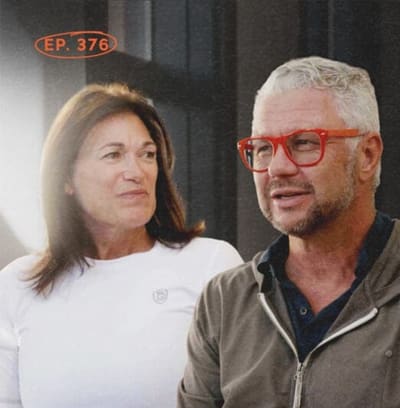
Episode 174 – Giving Away 51% with Bertie Lourens

Today’s episode takes us all the way to South Africa, and we couldn’t be more excited about it. And the question we’re going to start by asking is this: How can a garbage-collection company in South Africa undo the legacy of Apartheid? 

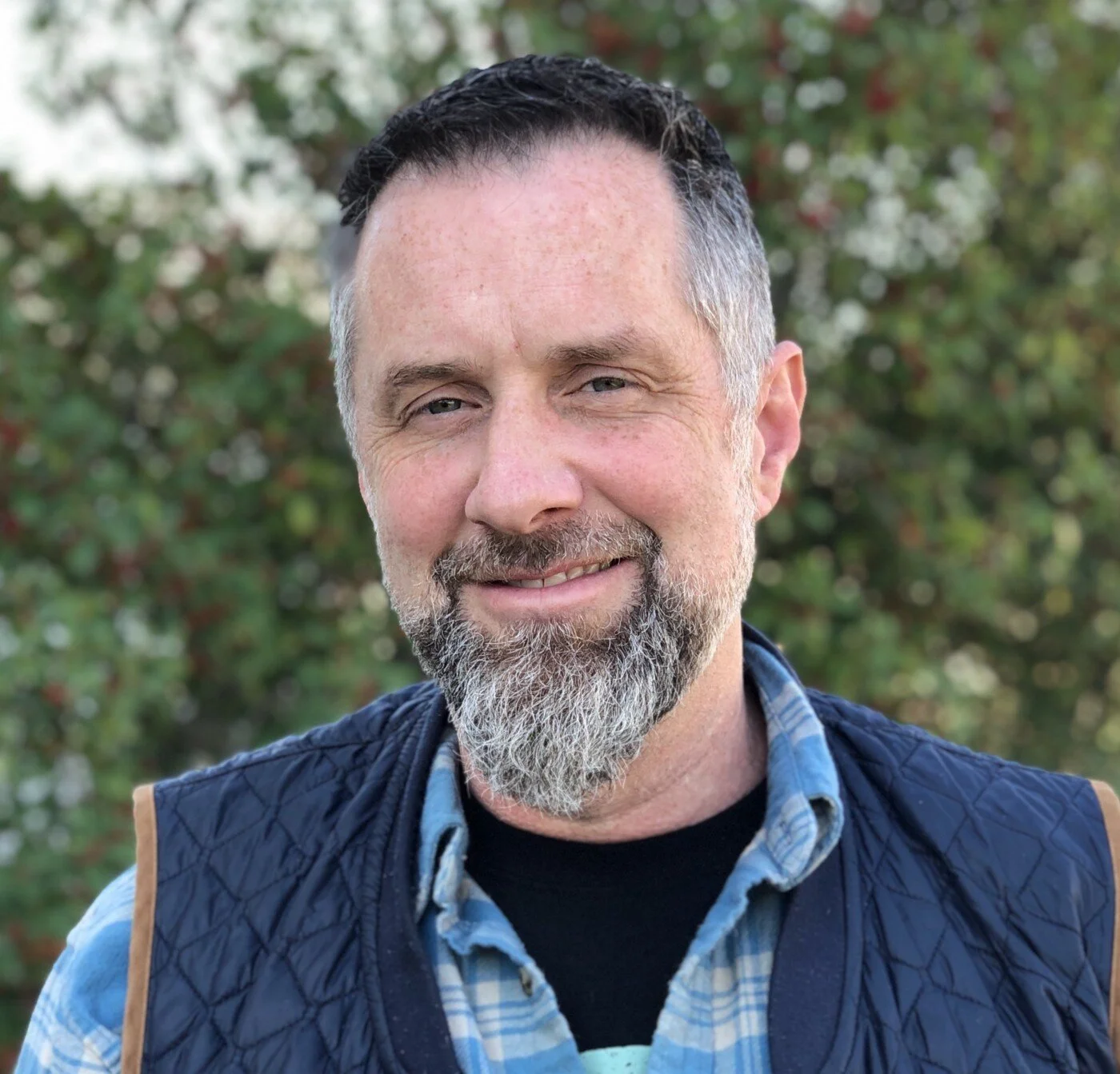
Bertie Lourens, CEO of WastePlan is here to share how their company is working to divert the vast majority of customers’ waste-stream from landfills and converting it into valuable, recyclable resources. They do this by employing hundreds of local workers, caring for their families, and investing in local schools to educate the next generation of South African leaders. 

And, as Bertie shares today, stewarding God’s creation has now grown into giving God a majority ownership stake in the company. Listen in to find out how…


Episode Transcript

*Some listeners have found it helpful to have a transcription of the podcast. Transcription is done by an AI software. While technology is an incredible tool to automate this process, there will be misspellings and typos that might accompany it. Please keep that in mind as you work through it. The FDE movement is a volunteer-led movement, and if you’d like to contribute by editing future transcripts, please email us.

Bertie Lourens: I think God went after the very thing that could become a mammon stronghold in my life, that very thing that I believe I’m building, something of massive equity value. He said he wants that. And it was very difficult, but at the same time, I knew this thing is actually really worth minus something to deal with. I said, OK, God, I’ll give you shares.

William Norvell: Welcome back to the Faith Driven Entrepreneur, it is an amazing day and we have an amazing guest, Bertie Lourens, who I just told, I will not try to mimic his accent, even though it’s very difficult, has joined us today. And we also have a special guest. Darryl Heald is joining us as a guest host today. Darryl, how are you today?

Darryl Heald: Hey, William. Doing well. Excited to be here today, especially to hear from our friend in South Africa.

William Norvell: I know. It’s amazing. It’s amazing to have you and Bertie and Darryl have known each other for a while. So it’s going to be fun to tease out the story. I know our audience is going to hear something that they probably haven’t heard before, and we hope the spirit can use BAM story and what got him and his faithfulness to encourage and inspire other faith driven entrepreneurs as we’re listening. So, Bertie, welcome to the show.

Bertie Lourens: Hello, William. Thank you for inviting me.

William Norvell: We’re happy to have you. And, you know, as we get started, one of the things we just always love to do is just to hear a little about you, who you are, where you came from, where you grew up, how you ended up becoming a Faith Driven Entrepreneur and you know, how you ended up sitting in that chair today with us telling the story.

Bertie Lourens: Thank you, William Norvell. First of all, I’m a son of God, God Almighty, the creator of the universe and everything in it. And I’m married to a beautiful, gentle Canadian lady. And she calls South Africa home for 15 years already and Foljambe grandkids. But I was really born and raised in a small mining town in the south east of Johannesburg in the 70s. I grew up in the 70s and 80s and that was during apartheid South Africa. It was a very difficult time for South Africa. And everything that we are facing today is the legacy of apartheid. And a lot of things that we do today is still trying to fix all the wrongs of the past. So I grew up as a young teenager seeing all these wrongs, and I just thought it might be wise just to give a little bit of context about apartheid and what the past is and was. But it was really a governing system that denied all nonwhite people any decent education, no voting rights and no rights for any managerial jobs. So you can understand what that means over a period of 40, 50 years of a father that needs to work in the best job we can get, as in a mine, as a general worker or in a factory or a construction company and a father teaching his son, this is the best that you can ever be. Just try and be the best general worker that you could ever be. And hopefully you could become the supervisor of general workers. And if you just keep perpetuating that over decades, a whole lot of anger happens, a whole lot of hurt and a narrative of blaming. So that’s that’s the South Africa that I grew up in. And I saw how apartheid came to an end. I saw how a new era was born for South Africa, and so how Nelson Mandela was released from prison and how he was elected as the first democratically elected president. And I started seeing how the entire country started rallying together to try and correct the wrongs of the past. And it’s been two decades and we still doing that. But it almost feels like we fail every decade. Our failures are bigger than the decade before. So that’s the context where I grew up. And personally, I was a very insecure teenager when I grew up because my father never told me that I had what it’s like. You never told me that he loved me. So I always grew up never knowing what that real lack was that I had inside of me. But I always knew that I just do not feel complete. Of course, I ran to alcohol and women and I was also a very good salesman when I was in school. And I very quickly learned that I could make money. And that’s when I realized how hold on, money will maybe fill that gap and it will make me popular among my teenage friends, which I did, of course. But luckily I got saved very early in my twenties. It’s just off to the one relational failure of the next. I realized that I just do not have what it takes to keep a life together and a surrender to Jesus at the age of twenty three in the late 90s. And it was wonderful. It almost felt like it was the beginning of a healing journey for me. Shortly after that I found a mentor that saw something in me and decided to help me to build the business because I knew I wanted to be a businessman because I could sell stuff and I thought if I can sell something, I can build a business. I started a business in 2004 and I am still running that same business.

William Norvell: Well, that’s amazing. Thank you for walking us through that. I’m going to ask if you would would you maybe spend. A few more minutes for our listeners. I mean, I hear that I’ve you know, I’ve read a little bit about apartheid maybe, but maybe it’s been a few more minutes on what it was like growing up. Like what did you sense in the air? What did you sense was was there and sort of from your perspective, because we have a listening audience as a white man. Right. What did it feel like at school? I don’t know. I don’t even know the right question to ask. But I’m just really curious for I just always learn, obviously, from people in different worldviews. And they grew up in different scenarios than me. And I just want to give you kind of an open mic for a couple more minutes to say just kind of what were some of those experiences like for you?

Bertie Lourens: William, you know, when you’ve become a teenager, when you hit your 10, 11, 12, 13 age, you start asking questions, you know, just things around you, you know, just that there are no black kids in your school. You notice the kids that you play sports against are all white. You’d notice that when you drive out of your town, you drive into a we call them townships, but it’s really chanty towns. And you just see black people there and you see that the people who work in the white people gardens are black people. And you don’t see black people driving cause they’re driving bicycles and their clothes don’t look decent. She’s noticed all these things and then you start asking you questions, you ask your parents these questions. But why you see beggars at the traffic lights are only like people and not white people. And you ask them, but why are beggars only black people? And then they answer you. But you can see it’s almost a governmental brainwashed answer that does not make sense for a 12 or 13 year old. And that’s when you start realizing. But hold on. Yes. Something wrong with the entire system. And you listen to adults, the way they talk around the barbecue, around the Sociales about them and us, and you ask yourself, but we are all one, we’re all one country wiser, them innocent. You know, you ask these questions and you get answers that just do not make sense. And to take it one step further. For most of these answers, there was a biblical scripture to, quote, to justify the system of apartheid and. You see black people doing the hard labor, almost like the Hebrew slaves, that both the infrastructure of Egypt, I saw how the black people, the majority of South Africa was like people were building the infrastructure for the minority. And something inside of me just said that is wrong. It just doesn’t make sense. It’s not sustainable. And then you start watching news, you start understanding what you hear on the news. You start hearing the conversations in the kitchen and around the dinner table with your parents, really as the tension started building up of the masses of South Africa, just saying enough is enough. We want voting rights. And you start hearing those conversations, the family conversations, the fear. And it’s a fear is a massive bloodbath, revolution coming. And we just do not have answers anymore. And I saw all of that and the fear also gripped me. But then I saw the miracle of a peaceful negotiation between Nelson Mandela and the ruling president, F.W. de Klerk, back then, and all of a sudden, very quickly, the tension released and there was an election. All the black people were granted voting rights and the ANC, which is the party that represented them, won, and there was joy and there was fear all at the same time, the wealthy whites that were able to flee, fled, packed up all the goods, and they fled everywhere else in the world because they believe that all the white people in South Africa were going to be murdered, that they believe in communities rejoiced and they sang Hallelujah. And you started hearing these messages of the fearful and the jubilant all more or less in the same space. And something inside of me said, that’s a miracle. What happened here. And it really was looking back now, it was a miracle, and very shortly after that, in the 90s, we just had a great leader and Nelson Mandela, who was very verbal in his communication. He understood the fear of the white communities. And he spoke to us on public television, where he made very, very bold statements of how you will protect us. And he made very bold statements to the angry majority black community in South Africa, saying we need our brothers, our brothers in our country to help us rebuild this country. And you just hear that propaganda coming from him and eventually you start believing this is going to turn out to be something beautiful. And that’s why we named it the Rainbow Nation, because we really believed something beautiful that was going to come out of it. And we still hold on to those hopes in those dreams because it’s still beautiful, but it just sometimes feels like it’s taking too long. But our timing is never the same as God’s timing.

William Norvell: Man, thank you so much for it. Such a beautiful job of taking us into some of those moments. And I just thank you for walking through that for our audience. And I’m interested in how did all of those experiences impact you as an entrepreneur, as someone who was studying what God wanted you to do? Right. And what was your part of that story that was being written in South Africa? Where did God find you and push you to an entrepreneurial journey?

Bertie Lourens: So I knew that I wanted to be a businessman for selfish reasons. I wanted to get rich. And that’s the end of that story. So I pursued that dream of becoming rich and I could see how this new South Africa attracted so much foreign investment. This was truly the hope for the continent. And we achieved amazing GDP growth. And I just realized I am in this ecosystem that is filled with growth and I have the skills to sell and I want to be a businessman. But as I went on doing this, I noticed that the people that we employ in business are poor and they are, many of them general workers that work for a very, very low salary. And that started bothering me. Now, the salary we pay is equal to what competitors in the market pay for those laborers. And when we pitch for contracts with clients, a big chunk of our service costs is labor costs. So if we overpay, then we are not competitive and we can grow. So we were forced to pay the same salary, but we realized we can do much more. So it’s just an awareness. It grew over time that while we employ poor people, we have the power of influence over them more than what political leaders have and more than what the church could ever have. Well, they work in our business. We found out that the one that receives a salary submits quite easily to the one who pays the salary. So the one who pays the salary has tremendous influence. And we I thought, let us use that and help people learn how to better themselves so that they can build a better future for themselves. And all of that comes down to education the way you think, because if you could educate yourself, you can acquire more skills or a higher skill, you can bring it to your workplace, you can get more responsibilities and then the higher salary. I’ve personally worked with some of the guys in the early years, and I’ve seen once they get that, it’s almost as if you’ve put them on a perpetual path out of poverty because he’s connected the dots. You said, I see how this thing works. It’s not a secret any longer. Bring more value, take more responsibilities and more money and then repeat. And that made me excited that we have this influence that we can help people out of poverty.

William Norvell: Amen, amen. Yeah, you’re sharing a gospel. You know, you share in the good news with people that you’re holding this good news that they don’t know about yet and educating them. What a beautiful reflection of the gospel where God placed you and where he put you. And and what are the unique things I’ve heard you talk about before that I’d love to have you share with our audiences? You know, you set out to build a business also where God would be a shareholder. And could you tell us a little about what that looks like to you, what that felt like to you as you dug into that and prayed about that? What does it look like to make God a shareholder of Voice Plan?

Bertie Lourens: Will needs to understand how that started. First of all, if you have a really good mentor and he is building a really successful business, all you need to do is just listen to him and do what he tells you. And that’s what I did because I didn’t know much. And what happens is if you enjoy enough success upon success and if you do not have people around you that are willing to hold up a mirror to you so you can see who you become and you will become proud. And I became very proud because I enjoyed tremendous success quite quickly and in the first years of the business. And I had to define later on to myself what is pride and pride to me is the conversation with self that says that I am better then and you can fill in the gap there with any name. I’m better then. And very quickly after that, pride leads to strife or strife and striving says that I would like to be better than so-and-so. So it’s a situation of measuring and seeing that you’re better than some, but then coveting the success of others. And that just put you on the spiral of destruction, which I didn’t see. I didn’t see it coming, but God did. And and luckily he rescued me there again shortly after the business, about seven years in, we started losing a tremendous amount of money, buckets full of money. And it came as a shock because I his Blue-Eyed Boy, I’m so successful. What happens? Why all of a sudden all these losses, whatever I worked so hard for over seven years, could be gone in a moment. And I found myself in my garage a year later on my knees, crying out to God to have mercy on me and rescue me from the situation and repenting of my pride and my arrogance and my striving and building it in my own strength. And he did. He came and he rescued me. William, it was very shortly after that the situation turned. It was miraculous and it turned. So you could imagine early the next year, I was still very raw and I was covered in the fear of God and just asking him, how do you want me to build this thing out now? I do not ever want to make the same mistakes again. And I felt God say to me, he wants me to give away, well, what did I have? I had detonated an insolvent company and I asked him if he wants that. But I heard God say the word equity to me. And that’s a very interesting word. Now, the founder of a business always believes that the equity value is hundreds of billions. The balance sheet could showed deep zeros that the founder always believes it’s worth more. And I think God went after the very thing that could become a Maymont stronghold in my life, that very thing that I believe I’m building, something of massive equity value. He said he wants that. And it was very difficult, but at the same time, I knew this thing is actually really worth minus something to deal with. I said, OK, God, I’ll give you shares that you’re going to show me how. And I asked him if he does if you about by 30 percent. And he remained quiet and then I gave him 30. And that’s where we are. So from three very shortly after that, we grew to fifty one because I immediately so I started understanding the benefits of inviting God Almighty, the creator of everything, to have him as a shareholder in your business. The value proposition is just so big at first you don’t know it. But once I did it, I started realizing what I did and I realized, but hold on, let’s let’s give him a controlling stake and then I can sit back and watch this thing grow. And that’s where we are today.

William Norvell: And hey, man, I love parts of that story that, of course, because we have a God that runs after us harder than we can imagine that he rescued you. But hearing a practical it just gets me every time when you hear of God coming to the rescue and the audience knows I cry a decent amount. So, you know, I may cry again now, but it’s just a beautiful story of you submitting. And, you know, and it’s not a prosperity gospel. It’s a reality of the scripture. Right. That like, when we do turn to the Lord and when we do repent and we do give it back to him like he’s here and he’s there for everyone listening and not everyone’s in that spot. People have already done it. But, man, if you are run to him, be with him. It’s an amazing story. And, you know, and I would imagine the the way God wants to run in their business or be a shareholder may look different, but to submit that to him is the point. Right.

Bertie Lourens: William, I think, is going after the one thing that he knows will drive the biggest wedge between you and him sometime in the future. And he’s going to go after that thing. And all he’s really asking is just to surrender, to surrender, whatever it is, just surrender. I’ve got this. I know your future better than you will ever know. Just let me do this with you and it will be so worth it. It’s always asking,

William Norvell: hey, man, I’m going to turn you over to Daryl after one more question here. I realized, of course, we got so excited about the wisdom you have here. I forgot to ask you. Could you tell our audience a little bit of what a waste plan is, how many employees you have, what you guys do in South Africa? I think the name tells a little bit. I think people are already on the edge of their seat knowing a little bit. But could you tell us a little bit more just about the business and who you try to serve and how you try to care for God’s world through the business?

Bertie Lourens: Yes, absolutely. So most companies have ways as part of the production or service offering, and we found that that’s normally an afterthought and it’s a liability. It’s an ever increasing cost that somebody somewhere has to manage. But there’s no specialist or an expert or dedicated person to do that. So we offer a service companies, food companies, factories, hospitals, hotels, shopping centers. We will bring our personnel onto your site. We will segregate your waste. We will divert as much away from landfill as possible, and as we divert the waste away from the landfill, we turn it from a liability into an asset and we have enough data to show it’s an appreciating asset. So we take waste with segregated at the source in separate streams. We sell those streams. The value of those streams we sell increase in value year on year. We return the biggest part of that value back to the client. But what happens in the process is that person that did that sorting and the handling of the waste, he realizes. But I was part of turning a wasteful item that’s a liability into an asset. And in that process, we generated new revenue. I earned a salary. And with that comes dignity because I was part of turning value out of something with no value. And that’s the beautiful part of what’s happening here. We have about a thousand employees scattered over 10 cities and we have about six hundred and thirty clients that we service and waste gets segregated from all the sites moves into big processing centers, which we call recycling centers. Where we do final sorting, we compress them and we sell them to the highest bidder. So we always try to put

Darryl Heald: a lot of that waste trader in a variety of ways. Just love hearing the story. And, you know, my love for South Africa, I mean, it just we’ve had lots of great adventure. This a lot of fun to be have a chance to tell more people just how God’s moving in your life and your business in the country, things like that. So I want to take us back when we first met. I think our audience has already heard there is a deep thinker and I just remember where we have a mutual friend. He invited you and Leslie to this journey, generosity. Why don’t we just start there? What did you think about that? And just the process that happened yesterday?

Bertie Lourens: It was mind boggling to process all the information that was presented over that week. And now I saw how very, very poor people gave everything in those videos. I mean, those discussions. And I saw how excessively wealthy people did the same. But what struck me was that the richest and the poorest were equally happy. Joy, Joy, that is deeper than what a dictionary can define for you. And I think that’s what hooked me, that I was chasing really after satisfaction all my life. And you think that wealth will give it and then you’ll meet people and they’ll tell you, no, it doesn’t. But that we can realize. Hold on. I think I got the secret. Yes. This is the thing that I’ve been chasing after all my life. This deep satisfaction and joy comes only from a place of true generosity. And I was just trying to piece that together. What would that look like for me when I leave this weekend? And I wanted to just take in as much as I possibly can while I’m there so that I have as much to work with when I go back home on the Monday.

Darryl Heald: Thanks for sharing that. I know there’s a hope and desire that all of us as entrepreneurs and investors, that we understand that value proposition that is more blessed to give and receive and that we can truly live in that point of joy. So a couple of things, though, that I just when I think about Botein, I just I love how you are walking out this jury. One of them is when we were driving home from the office to your house for a dinner one night and up ahead of us, there are some guys at the light who were begging for money and things like that. So take the story from there. I thought that was just I forget the date of its day, but tell our audience just what you do. I mean, this is just like everyday generosity. I just love this piece.

Bertie Lourens: Is there so the South Africa that I just told you about, I just want to give you a little bit more context. The unemployment level now sits at thirty eight percent unemployment. The amount of school dropouts is ridiculous. Something like forty eight percent of people at starting grade one get to grade 12. So you could imagine the amount of people on the streets that do not have jobs. His name is Bennett, is a baker, is bent over. He was hit by a car. A drug is back and he’s never been able to get surgery. So he’s bent over almost 90 degrees. And he’s just let the traffic light on my way home. And he’s got the brightest of smiles. So it’s easy to be generous to him. But surprisingly, most people are not. After the Jörg weekend, one of the first discussions that I think you see every time is, well, is it right to give to a beggar? It’s just going to buy alcohol. And I remember that weekend someone say that I don’t know who it was. So that person said, but it’s his job to give account for the money he received. It’s not your job to give account on his behalf. You just gave your job is to give account for the money God gave you. And the way you live with that, so I just decided my wife and I, we decided we are going to give to every beggar we went ERG we started changing money to have as much money as possible. We quickly ran out of money. So that plan didn’t work well. We then became a lot of Budweiser and we broke it up into smaller denominations of money and so that you can give less but give to more people. And then it is just one of the beneficiaries of that decision. And they love seeing my car. And if he hasn’t seen my car for a while, especially now during covid, if I drive past it on my way to the office and he sees me, he will stop all the traffic just to get to me because he knows he’s going to get something.

Darryl Heald: Well, I just love the relationship you have. I mean, it was obviously that was I mean, that’s happened dozens and dozens of times. You’ve talked about education and the importance of education. Let’s talk about what you and lesslie is from a kingdom investing side. We think about this giving. What are your particular passion about? What are you excited about giving to right now?

Bertie Lourens: There are it’s really the education the education states and South Africa are alarming. It is a bomb that will explode if nothing happens. There’s another state. About four percent of kids that start in grade one will pass. Math increased above four percent. So you have ninety six percent of your population that cannot count. So the quality of jobs and the amount of jobs that they’ll get is few. And so the amount of unemployed people, the volume of people that are unemployed is growing year on year. And it just doesn’t make sense that one should live in this country and think that that’s OK. So we put as much effort into educating people and just basic skills. So first of all, a capital is the foundation that reform really is the structure we formed where we could have got as a legal shareholder in our company. And the Nyko Capital uses all of its funds and it throws it into schooling. So there’s a few schools up here in Pretoria and Johannesburg, Christian schools. So we try and throw all our skills in there, all the networks, all our relationships, and as far as possible that we could use our resources and our assets. And money is just a very small part of that. The lady that works in our kitchen, who cleans our house, looks after the kids when we are not there to try and do as much as we can for her and her kids in terms of housing, schooling, the gospel, help them understand the gospel of the gospel and preach the gospel in the communities. The guy works in our garden and we just felt that that is practical in South Africa. If one just starts there, you’ll stay busy for the rest of your life just there. You do not have to go after big things, just those immediate lives around you influence them and help them educate themselves.

Darryl Heald: Yeah. Thank you for sharing. Some of that is a real joy for me to see some of those schools with you on that last trip. I mean, how many students do you have in these schools now?

Bertie Lourens: They’re all there’s about a thousand students, I think in all the schools where we’re involved. I’m particularly drawn to one school with its two hundred kids. It’s in the middle of Mamelodi township. It is a Christian private school. It’s private because there’s no other support coming from the government. So it’s really donations. And some of the parents are paying fees to keep the kids in there. But it’s beautiful what’s happening there. It’s kids that have all the odds stacked up against themselves. If they did not go to the school, they would go to one of our failing government schools that are producing the results I’ve just mentioned. So here we are creating an environment for them where they have great education, great principal with a great teaching group that we teach the gospel, we model the gospel, we show the gospel, we model grace. We model generosity. And we try and show them what good fatherhood looks like because that’s the one big lacking thing in the poor communities. There are no fathers there. So the way I see it is zero two hundred kids that will become two hundred families one day and 200 families. We’ll have a chance at success in South Africa because of the school and that on its own is so rewarding because you look in the eyes of these kids and you interview them and you hear what they say and you hear kids say, I need to live generous with my fellow students. That comes from a kid that has nothing. And that’s beautiful because that kid gets it and that kid is going to enjoy success and joy because they get that concept of generosity.

Darryl Heald: That’s great. Thanks for sharing that, Betty. You also have a real passion for leadership so that you’re studied this for your own self as a leader, your company and your community and your family things. Tell us a little bit more about these. What’s driving you to do these interviews with other leaders there in South Africa?

Bertie Lourens: Daryl, I just started with interviewing my mentor when he was getting old, and I needed to have some video footage of what he’s taught me over the years. So I asked him and questions some of the questions are ones I’ve never had time to ask him. And some of the questions that I asked that deeply impacted me. So I asked him that. I took a video of it. We broke it into 10 little snippets, videos, and the purpose was really just to release it into our organization. But the value was so much that we thought, let’s literally just start a YouTube channel called Stories that Inspire. We posted on there and then for anyone to enjoy. And I thought, that is wonderful. And I asked God if he wants me to continue with that and felt free to go find another leader like him. And my deal with God was if he had to keep sending me people that are willing to be interviewed by me, I will continue to do so. And we are on series six, I think, right now. And I am just enjoying hearing from these people because everyone who has achieved the level of success are always keen to share it. They’re not stingy. Everyone who has had success wants to share it. So that’s what I do. Like I ask them and I try and package it in snippets that other people can enjoy and use and benefit from Amen Burty.

William Norvell: As we come nearer to close, I want to give you an opportunity just to maybe speak, just to have an open mic a little bit again to talk to the entrepreneurs out there that may be listening. And any other advice that you might have about, you know, just how God taught you to lead a business from a faith first perspective.

Bertie Lourens: Thank you, William. Yes, this all comes from the journey of starting to surrender, and I have developed a conviction that our father wants us to steward his stuff on his behalf. Now, we’ve heard this. This is all tacky, but if we can just pause for a moment and think of your earthly dad had assets with hundred billion dollars and he asks you, my son, would you take over the running of this company while I’m alive, then what would you do? How would you do that? Well, the first thing is you’ll be very fearful and respectful. And as you step into those very big shoes, but you will honor him and every one of your decisions, you will seek him in every one of your decisions. And you must check in with him daily. And our father, the creator of the universe, has created resources that generates about 90 trillion dollars of GDP every year. We are his sons and daughters and he wants us to stay with these assets on his behalf. So why do we get caught up so much and what we create and what we hold onto this such big journey out there? And by calling for us and I almost feel like our father is sitting on the edge of his seat waiting for us to surrender and let go of our stuff and the power that our stuff has over us and said, God, I’m your son and I’m here to steward your assets on your behalf, for your glory. God showed me in Romans eight. I’m about 19 and this is my translation of the all of creation is waiting eagerly for the Sons of God to stand up and reveal themselves and say, here we are. And then to do what? To risk your creation out of the bondage of corruption and to then steward it in a way that gives glorious liberty. What is glorious liberty? It is it’s a freedom that gives glory back to him. And I think that’s our calling our sons and daughters. So when he gives us assets to steward companies and people, he wants us to steward in a way that brings liberty, freedom to the resources of the earth that we stewarding the animals, the plants, the rivers, everything, the resources in it and the people and all of creation should the glory to father because of the way that we is sons of stewarding his assets. And I just think it’s such a big calling that we cannot waste time to get caught up in stuff and status, you know, and accolades. And I just felt that the only way that I was able to do this is to reach a place of complete surrender. So when I gave God shares in the business and I gave him control, it almost felt like that was absolutely necessary for that to happen before I could really stupid things on his behalf. Before then, it was all for me, as for me, my family, their inheritance, my legacy and all that nonsense.

William Norvell: Oh, I love that the it wasn’t something you begrudgingly did or maybe you did, but it was necessary. It was like that was the only way for it to work, actually, in sort of God’s world is to take that step of obedience.

Bertie Lourens: Yeah. And I want to add one more thing. The second point to that is the idea of generosity, how to be generous lives. I realized that a father is a generous father and the father of lies is a stingy father. And selfishness and stinginess come from the fear of scarcity. And generosity comes from the understanding of abundance and abundant provision from our father. And it’s almost as if we could live our lives in either one of these two veins. You can’t be in both. And when you realize that my father is the father of a Bynum’s and I can share my resources abundantly with the ones around me and I can live abundantly gracious with the people that I lead, employ my family, my friends, my neighbors, then you see the lie of the enemy. But until you make that choice, you live in the lie of the enemy. You always think, especially in South Africa, in a declining economy. How can I put away as much as I can now so that my kids will be OK? The day when I die. And I think we all live with that fear. That is the father of lies that are whispering those lies until years. And he whispers little lies. He puts little packets of lies and fear around our lives, neatly wrapped as gifts, tiny little packets. And as soon as you take the one and you open it up, you give him legal right to enter and cause havoc. And you cannot live in faith and fear. So Faith says, my father is abundant, is my provider, and he will look after me and my family. And fear says it’s up to me to put away as much as I possibly can so that my kids and my family are going to be OK one day.

William Norvell: Amen, I almost hate to ask another question, a wonderful place to end, but we do have to get to our closing question because we always ask it. And so usually I would cut myself off. But thank you for sharing that. And our closing question, will we love to ask, is just where God has you in his word today, where he has you in his scripture. And that’s something that you could have been meditating on for a season. It could be something God revealed to you this morning. But just to let our audience in to where God’s walking with you in his holy word today,

Bertie Lourens: William, I want to share something that happened over the last week. I got busy. I had to travel to Capetown, came back, went on a mountain bike race, traveled again. And this morning when I sat down, I opened my word. I saw it for the last eight days. I did not have a quiet time. So the last eight days, I got so busy that I didn’t sit with my father and I speak with him. And I realized the day before I exploded in the meeting because I acted out of my flesh, out of anger. And when I said with God, I repented for not seeking him daily. I allowed business to come and take me away from him. And I felt the father showed me the picture that the enemy wants us just to move away from my father slowly. You’ll never come with a big bang for your give away. His plan will come slowly. You’ll distract us with things that he knows will move us away from our father. And if you can get us away for long enough, then introduce a stage to riches, lies and fear. Because if we’ve been away from our father long enough, he know that we will not hear this Holy Spirit in the moment and introduce introduces little lines once we take them. He comes in with a lot of lies and after a week I was operating fully in my flesh, making fleshly decisions and exploding at people. I’m making bad decisions and that’s just a fresh revelation that I did not set before my father every day. And I ask him advice and if I don’t sit in his word, so his presence and I listen to the Holy Spirit, I do not care how long I’ve been a Christian. I will fail. I will act in inflation, will make bad decisions, and I’ll disappoint them.

William Norvell: Amen Amen, so grateful for you joining us today, so grateful for your story, so grateful for sharing what God’s done and through your obedience and at times your disobedience. And thank you for sharing both of those and how he still comes to the rescue through all of those examples. So grateful for you and grateful for your story.

Bertie Lourens: And give William.

Randy Alcorn

Director | Eternal Perspective Ministries

Randy Alcorn is the founder and director of Eternal Perspective Ministries (EPM), a nonprofit organization dedicated to teaching biblical truth and drawing attention to the needy and how to help them.

EPM exists to meet the needs of the unreached, unfed, unborn, uneducated, unreconciled and unsupported people around the world.

“My ministry focus is communicating the strategic importance of using our earthly time, money, possessions and opportunities to invest in need-meeting ministries that count for eternity,” Alcorn says. “I do that by trying to analyze, teach and apply the implications of Christian truth.”

A New York Times bestselling author, Randy has written over fifty books, including Courageous, Heaven, The Treasure Principle, and the Gold Medallion winner Safely Home. His books have been translated into over seventy languages and have sold over eleven million copies.

Before starting EPM in 1990, Alcorn co-pastored for fourteen years Good Shepherd Community Church outside Gresham, Oregon. He has ministered in many countries, including China, and is a popular teacher and conference speaker.* Randy has taught on the part-time faculties of Western Seminary and Multnomah University, both in Portland, Oregon.

CONTRIBUTIONS TO THE FAITH DRIVEN ENTREPRENEUR

Dave Munson

CEO at Saddleback Leather Co.

Dave Munson, from Portland, Oregon, owns Saddleback Leather Co. based out of Fort Worth, Texas. He first started selling the leather bags he designed off the tailgate of his old Toyota Land Cruiser with his Black Lab, Blue. He has since opened a factory in Mexico, married the girl of his dreams and has a daughter and son.

In 1999, Dave was a volunteer English teacher in Southern Mexico and sketched out a leather bag to be made to carry his books. Back in the US, 4 or 5 times a day people would stop him to ask where they could buy a bag like his. In 2003, he finally moved to Juarez Mexico with his dog just across the border from El Paso, Texas. He had a father and son send bags up to the Juarez bus station and he would pick them up there and take them to El Paso to sell on eBay. He and Blue slept on the floor of his $100/mo. apartment for 3 years with no hot water, A/C, or heat, for all of the money he saved on living expenses, he reinvested into buying more leather bags.

In 2006, he met his wife on Myspace and moved to San Antonio, Texas. In 2008, they started their factory, Old Mexico Manufacturing in Leon, Guanajuato to make their own leather goods. He found that nobody cares about your stuff as much as you do. It has been humming ever since. But not without some very difficult situations and learning 1000 ways to get cheated.

CONTRIBUTIONS TO THE FAITH DRIVEN ENTREPRENEUR

Michelle Tunno Buelow

CEO | Bella Tunno

Michelle Buelow is the founder and CEO of Bella Tunno, a personality-filled baby and parent accessory brand launched in 2005. Bella Tunno is a certified B Corp and was recently named the 8th fastest growing company in Charlotte, NC. Bella Tunno has two fully-owned brands that are sold in over 3000 independent boutiques and numerous mass retail outlets including Nordstrom, Target, and Buy Buy Baby. With a core focus on philanthropy, one meal is provided to one child for every product sold. It’s all part of Bella Tunno’s commitment to Parenting with Purpose –Bella Tunno makes great products with an even greater purpose. Since the launch of Bella Tunno, over 5 million meals have been provided to hungry children in the USA.

Michelle and her husband, Todd, are also passionate about drug and alcohol rehabilitation efforts and are founding members of the Endowment Board of the Charlotte Rescue Mission.

Michelle sits on the board of Fashion & Compassion, an organization committed to transforming the lives of women in destructive situations in 7 countries. In the summer of 2017, Michelle had the opportunity to travel to Africa and see the life-changing work being done in Uganda, Rwanda and Ethiopia first-hand.

Both Michelle and Bella Tunno have been recognized at both local and national levels for business, entrepreneurial, and charitable awards including Charlotte’s Top 40 under 40, Charlotte’s Woman Business Achievement Award, Finalist for Ernst & Young’s Carolina Entrepreneur of the Year Award, Charlotte Business Leader Women Extraordinaire Recipient, The Mecklenburg Times Most Influential Women Honoree, Ernst & Young Winning Women Award Recipient, Corporate Volunteerism Award Winner, Winner of Babble.com’s Top 50 Mompreneurs, Charlotte’s Top 50 Entrepreneur Award Winner and most recently, Michelle was named a Vital Voices Global Ambassador.

CONTRIBUTIONS TO FAITH DRIVEN ENTREPRENEUR

Episode 173 – Redeeming Brokenness Through Business with Michelle Buelow

What began in 2006 as a passion project to help vulnerable children has since grown into a booming mission-driven business. Michelle Buelow, Founder & CEO of Bella Tunno, is on a mission to create fun, safe, and innovative baby products and with the sale of every product, give one meal to one child. Over the past 16 years Bella Tunno has provided over 6.4 million meals to children in need. Michelle joins us to share her story, how God redeems broken situations, and the challenges of running a business and raising children.


Episode Transcript

*Some listeners have found it helpful to have a transcription of the podcast. Transcription is done by an AI software. While technology is an incredible tool to automate this process, there will be misspellings and typos that might accompany it. Please keep that in mind as you work through it. The FDE movement is a volunteer-led movement, and if you’d like to contribute by editing future transcripts, please email us.

Michelle Buelow: I came across some research that said food insecurity in early childhood has a link to addictive behaviors in adulthood and things like that, then that is the breaks. That’s how I can continue to fulfill my passion project and honor my brother and change lives, but do something that aligns with the mission of our brand. So we got our product and our purpose in such a powerful alignment where we’re selling kids, feeding products or selling bowls and spoons and plates and bibs and we’re feeding children.

Henry Kaestner: Welcome back to the Faith Driven Entrepreneur podcast, William Rusty, greetings,

William and Rusty: greetings, greetings indeed.

Rusty Rueff: Hey, I know you’re going to figure out a way to weave in the USC Tar Heels here shortly. So I’m going to I’m just going to get it out in front of here. This is more for the past. This is March that we’re recording this like the year that we’re going to like they’re not going to make the big dance.

Henry Kaestner: No, no, don’t say that. I don’t know. Why do you have to go there? I think that that’s an appropriate thing to talk about with regards to Duke. Right. But I think that I think that we can I think we can all agree that Roy Williams will not be denied that the that the Tarheels absolutely will be in. And I’ll tell you, though, to bring it kind of into our speaker here the last time where I think

Rusty Rueff: I think that was very sensitive to you. I think you took that very sensitively

Henry Kaestner: and may have I may be wanting to kill it, but right now I may be really fired up that my son just got into Carolina. And this may be more personal information than our listeners.

Rusty Rueff: That’s awesome.

Henry Kaestner: But I’ll tell you another time when Carolina was not great and basketball was back in 2000, 2001, when Carolina lost to the alma mater of our guest that’s on the program. And the NCAA is they lost to Penn State. And in that game, Julius Peppers, the football player, was Carolina’s leading scorer. We have Michelle Tuno, Bülow from Beltana with us. Michelle, welcome.

Michelle Buelow: Thank you. Thank you. I’m super excited to be here. I totally fell out of my league on the sports fuck. So just roll with it. Just talk about. And that is kind of one of.

Henry Kaestner: So what was it like? Did you ever go to a Penn State football game in the big what’s it called? You know what it’s called? It’s not the big house. It’s a that’s Michigan, but it’s it’s happy Valley. Right? Just called Happy

Michelle Buelow: Valley. Yeah, it is Happy Valley. And I went to pretty much every game. I mean, that’s that’s college at Penn State. Yeah. Go up and shop there and you show up early and you stay late. And it was it was so fun. I was actually there. I don’t know what year it was. You probably do, but we made it to the Rose Bowl. And so that was a really. Really. Yeah.

Henry Kaestner: That means unless it’s in a covid year, that means a trip to Southern California, which is a welcome, welcome trip from State College in the in the geographic center of Pennsylvania is not a very warm place in early January.

Michelle Buelow: No, that’s not it. It’s funny you say that because that’s how I met my husband. There was a woman out there who offered her house kind of without ever meeting my husband super, one of those super strange college stories. And he stayed there and she came back and he’s like, I mean, you’re going to marry. Well, I don’t think you did, but that’s how it happened. So I have the Rose Bowl to thank.

Henry Kaestner: Wow, that’s a great story. How many other times it had been told to you up until then, I’ve met the man you’re going to marry, or is that the only time?

Michelle Buelow: So, again, it’s like you’re Kenia for things you don’t even know. But I actually said, no, you’re not. And because I wasn’t interested in dating at that point. And about a year later, my husband, his name’s Todd. We had this thing at Penn State called the Ride Board, where you grabbed a Post-it note and took a ride from a completely random stranger wherever they said they were going to go and use like gas money. And another one of my friends is going that. And she needed a ride home back to New Jersey. And she rode home with him, completely random. And she came back from that trip and she’s like, I met the guy you’re going to marry. And it was the same guy. No way. Different people at Penn State. And it was my husband. So I was like, you know, I don’t even need data. Let’s just do that.

Henry Kaestner: Yeah, let’s just get it done. That’s really impressive. That’s a great that’s a great guy.

Rusty Rueff: It’s a little bit like saying I met my husband, who is an Uber or Lyft driver, but we’re

Michelle Buelow: a little bit about some years, right?

Henry Kaestner: Wow, that’s cool. OK, so there’s such a great story behind Bella, you know, with your mission and your history and the purpose. But we want to start with history and let’s start first before we talk about the history of Bella. Let’s talk about your history, who you are. We now know where you went to school, of course. But talk to us through up until the time that you launched Bella to know about who you are, what shaped you and your history and your faith brings right up to the launch of Bella to now.

Michelle Buelow: Yeah. So I grew up in the smallest, smallest town in Pennsylvania. Pittsburgh was two hours away. It was literally a dot on a map. We don’t have one person that I could say their name that, you know, from our town, pretty girl. And I always knew it wasn’t quite my home, if that makes sense. It was just I could not wait to kind of get out and see the world and do all this kind of stuff. And then I grew up in a very, very religiously extreme family and. A very fire and brimstone church, the God that I met when I was young was a god of wrath and judgment and that kind of thing. And I remember spending my summers at church camp and truly hating it, just hating it. There was one summer, I think I was maybe in fourth grade and I got to get a snack at the I think they called it the canteen and I got a soda because of course I was to have that at home and I drank and it tasted terrible. And I was so bored, I just kept chugging it and I had someone else taste it. I’m terrible, but maybe I’m just not used to soda. Turns out it had all these cleaning products in it. And I got to call my parents. This is on a Wednesday and I got to leave camp early. And I was so excited. I had my blood drawn for every six weeks for like two years to make sure I carcinogens weren’t in it. And it still was worth it because I hated church. Oh, my God. I did like the best soda I ever had. And so after that

Henry Kaestner: happened, I mean, just that sounds so Mebazaa, right?

William Norvell: This is not a promo for church camp

Henry Kaestner: or apparently this brand of soda.

Michelle Buelow: No, it gets better. And I won’t say that brand of soda, but it was a root beer. But anyway, I don’t know how it happened. And they reported it and there was a recall and all that. But I guess my point in all that was I was raised just in a way that God was terrifying, just terrifying to me. And I really when I went off to college, I did not attend church at all. And growing up, I spent every Sunday at church. We were involved with the musical and my parents did everything. They played the instruments. They led Sunday school. They were the elders. They did literally everything. We spent every Sunday at church, every Saturday night, every Wednesday. So when I got to make choices for myself, I didn’t I probably took 10 years off church, you know, it just wasn’t going to be part of my plan. So anyways, I went to college and I took every opportunity to see the world through college. I studied abroad in Australia. I gave internships at Disney. I traveled Europe, just really wanted to come in from that small town. I just wanted to experience everything. So when I graduated, I came down to Charlotte and I got a job that big consulting. And the reason I love that job was because I was on a plane every week and I get to see everything. And I should I should back up and tell you that I came from a family of a mom, a dad and a brother. My brother was three years older than me. And from day one we were so opposite. But we were each other’s kind of soft landing and we were just kindred spirits. We just the memories just out there, the best MIT was the funniest person, so witty, so kind. But he was always a free spirit. And when I lived at home, I very much played by the rules. So if I go up to Charlotte, I get my first big girl job. I’m climbing the corporate ladder like literally two, three runs at a time. I just couldn’t climb fast enough. I couldn’t get enough promotions. I left that job at twenty five because I got offered to be the head of grand strategy at an agency here in Charlotte. I had no idea how that happened, but I was like, as long as they don’t find out, I’m just doing this. I loved it. And then travel was international and it was exciting. At the same time, my brother was in his fourteenth struggling with drugs and alcohol addiction. And so as I felt like I was truly living like that, it felt like I was exactly on track. This is what I dreamed about from that small town. It’s level of freedom, this level of early success. My brother was just in this downward spiral and when I was twenty seven, I got a call on August 3rd, 2005, and it was that call that for 14 years I would put my head on the pillow every night and be like, don’t take it, God, don’t take and keep my brother safe. And so I finally got that call that my brother had passed away. And, you know, this time it wasn’t like he was missing or he was on a binge or he got in a car accident and we couldn’t find him. It was like he was really gone. And so I feel like that was the beginning of my life 2.0 and also really the beginning of my own faith journey, like finding God for myself.

Henry Kaestner: Wow, that’s awful. I’m very sorry to hear that, tell us. Walk us through that time and what finding God look like, as you are just wondering, maybe even if there is a God or just. Yeah. What did it look like?

Michelle Buelow: Yeah, absolutely. I mean, I still it’s been over 15 years and I still have a hard time to put into words what that kind in my life was like. You know, I was raised in a church with parents that gave literally everything they have to God every moment, every gift. And so when my brother died, my parents all of a sudden were like, what God, we’ve been you know, we’ve been praying forever. We you know, we knew he strayed, but he’ll always come back. And there began to really be tested. And my faith was already tested because the God that I watched them worship wasn’t God that I felt safe with. So when my brother died, he was just like, what in the world? What is happening at watch? These super faithful people just be old. And of course, you can imagine what happens to parents when they lose one of their only children and they have been so faithful and everything’s being questioned. A lot happens to them personally. And so I guess to answer your question, it was this moment where I was beyond angry, beyond disappointed. And I I really was like, there can’t be a bad because God wouldn’t do this. God wouldn’t bring us here just like literally drop us with no parachute. And then I think it’s just one of those things where it is all the light went out of the world, all the brak felt like it was taken from every group that was in. And yet there was this piece and I can’t really describe it, but it was so beyond me and it was so much more powerful than anything I’ve ever felt. And, you know, I remember being at my brother’s funeral and this is MIT me sound crazy and I’m OK with it. But we were all standing around praying at the end and I truly was not crying. I was like this, you know, this is my moment where I’m so angry I can’t private. Someone was praying and I it was open casket. So I’m looking at my brother and as luck would have it, it was raining terribly and the lights went out, which, you know, lights out an open casket. Funeral is about the most freaky thing ever. And it’s a God you can can you sign if you really are there? And I know that you’re not supposed to do that to God, but, you know, all bets were off at this point. And I was like, you’ve got to give me a sign. And I remember right then the lights came back on and probably be coincidence. I don’t know. I’m not saying God listen to me by any means. He’s so much bigger than that. But that’s what I needed at that point to be like, OK, I’m listening. Not that I’m fully there, but I’m listening. And there were so many just little things that happened, just people showing up and people showing love. And I’m telling you, this piece, it just the piece wouldn’t leave me in the darkest moments of my life. I just knew things are going to be OK even though they didn’t feel OK. I don’t know if you can relate to that or not, but that was really the beginning of knowing that there’s something real here. There is a real God as far as I’m trying to run. He’s so good. Just kind of cradle me a little bit

Henry Kaestner: and said, what are you talking about? This is very, very special gift, of course, and it’s very, very personal. And there’s no way that I can know exactly how you feel about that. But when I had my aorta, which is the main artery coming out and heart dissected in an emergency dissection with some amount of drama, the piece of God came over me at a time that you would think would be very characterized by lots and lots of anxiety, because as you’re being rushed to the hospital and on the shoulder during rush hour, the only feeling I could describe was one of being peaceful. And it was really, really special. Gift is a special gift that God allowed me. And I think that maybe it’s a gift that he gives to his children at a time when they really needed it. I really needed it. And obviously that happened for you. And that’s a special thing. Thank you for sharing that. I know that’s very hard to talk about. Bring us through your career and just tell us about Beltana. Tell us about your mission and what you’re doing there.

Michelle Buelow: Sure. So after my brother died, I quit that job that I told you about and I just didn’t know what I was going to do next. But that didn’t matter anymore. Getting on the next flight and working on the next project, that didn’t matter. And I found out that I was pregnant probably almost a year after my brother died. And I knew I wanted to do something to honor him, because one thing that bothered me so much was on top of all the grief. That we were going through there felt like there was just this stigma of drug addiction and alcoholism that was like he died. He was an addict. And as you know, he wasn’t an addict. He he was an addict. I’m sorry, but he died from drugs. But it wasn’t really what it’s what killed him. You know, he was funny and he was witty and he was kind and generous. Man is Hillier’s needs my best friend. And I’m like, I’m not going to let just that label Bilquis remembered. And so I knew I wanted to do something, but I didn’t know what. So I find out I’m pregnant and I start looking for things for my soon to be daughter. And the look out there just wasn’t anything related to. I’ve always been expressive in how I dress and I’ve always loved, just not afraid to make a statement. And the things that were out there were very bland and boring and yellow and teddy very much just nothing that appealed to me. So I have a lot of free time. I wasn’t working and my only job at the time was to try to grow baby. And so I’d go to a fabric store and I’d buy these really cool prints. And I my mom actually bought me a sewing machine because she was getting nervous that I was doing nothing and that I needed a hobby. And that was one of her favorite hobbies. Turns out I hate terrible things, but the thought was very kind. So she buys me sewing machine and I start trying to make burqas and bibs and things like that for my daughter because I couldn’t find what I wanted. Well, I tend to make long stories longer, but what ended up happening was I started giving these gifts to my friends because I was in that age range that everybody was having babies. And so I would give them showers. And people are saying where to get that. And there seem to be whitespace. There seem to be this opportunity to put a very fashion forward, a double look that was almost a Puji need fully pullets or type look on baby products. And I had one good friend who, like, you’ve got something here, you’ve got to get out. You’ve got to show people what you’re doing. And I thought they just feel bad for me. You know, there’s nothing here. They just want me out of my pajamas. They want me to brush my teeth. And so I finally get a few prints off my back. I need appointments with 11 of the local boutiques and I showed them what I had. And ten out of the eleven, when can we get it? We lock this lock and side. No, I did get the eleventh Otik just three years ago, so I got all of them. But wow. But anyways, I ended up realizing maybe there is a way that I can sell these products and I can give the proceeds back and I can try to change some stories and I can do it in my brother’s name. So simultaneously I launched Balakian now and the mats make a different size and we just started selling products and go in the markets and FOMO it. We were in the Gap and Target and Doors just opened that I never thought would open and we were able to do the coolest work. So we’ve never today sold a product without getting back to the market, going to make a different fun. And for the first seven years of our business, it was all about drug and alcohol rehabilitation. So we did some awesome projects that we did in Extreme Mission Makeover, where we brought together seventeen companies and about 80 volunteers and we added five bedrooms to a local rescue mission so that that allowed 40 more clients to go through the program per year. We did a one night kind of shopping event where we were able to do any thirty thousand dollars to the doubleness, which is our women’s recovery program here in Charlotte. We gave scholarships to unwed teen moms because they’re in a very vulnerable group and the work was so meaningful and it was so healing and it was all in my brother’s name. But what we’ve realized with that was that there was this sizable disconnect between the products they were selling and the people we were targeting, parents bringing new life into this world and the mission we were supporting, which is drugs and alcohol. And people think of addicts because of the stigma, is like people in Skid Row, you know, people that are just out on the streets looking for their next hi. And I think. Sometimes addiction really terrifies people and especially people that are bringing into this world the people that they think are going to be the first female president or cure cancer. We’re talking about addiction and that story. And so in 2013, maybe 2014, I came across some research that said. Food insecurity in early childhood has a link to addictive behaviors in adulthood and physical death, think that is the brigs? That’s how I can continue to fulfill my passion project and honor my brother and change lives, but do something that aligns with the mission of our brand. So we got our product and our purpose in such a powerful alignment where we’re selling kids, feeding products or selling bowls and spoons and plates and bibs and we’re feeding children. And then there is a tieback. Q Addiction, but, you know, even behind the scenes, we can still do all that work but forward facing, we now for every single product sold, give one meal to one child. And so just last week, we crossed over the five point four million meal donation point and products are sold in the US. We partner with Feeding America to make the meal donation happen and the products are sold outside of the US. We work with the Global Food Network to make that happen.

Rusty Rueff: That’s very cool. Yeah, we’ve heard you, you know, put the statistic out there that one in six children, you know, are food insecure, which is just a huge number when you stop and think about it. Right. So, you know, getting to that problem is such a wonderful thing that you’re doing. I’m curious, though, because, you know, obviously a decision making process had to go through what organizations, you know, how much when and I think a lot of entrepreneurs want to give back, but they’re a little afraid that, you know, they’re not going to do it well or they’re going to give to the wrong organizations. Just go through that a little bit with us for our listeners.

Michelle Buelow: Yeah, sure. And just quickly before I jump into that, actually, due to the pandemic, the statistic is now one in four children going to bed hungry said. Twenty five percent of kids in the U.S. are going to bed hungry. It’s it’s heartbreaking. But anyways. Yeah, so we actually need. I don’t really do anything without making spreadsheets. We need this huge spreadsheet. And we got on things like Charity Navigator to see reviews. And then we interviewed a bunch of different organizations. And I am really proud of our decision to work with Feeding America because they are such a good source of our money, what they do. And there’s so many organizations that are doing really good things. But because they’re so big and because they’re a network of so many food banks, the money isn’t going to overhead. The money is going to connecting people to meals. Because the food insecurity problem isn’t one of a food shortage, it’s one of a distribution model. And so that’s what they’re phenomenal in doing, connecting people to food that already exists, but they just have no way to access it. And so that was why we chose to work with them. The touch on the point about building some type of get back into your model. I think it used to be like this nice to have thing, and some people did it for marketing, I actually think in twenty, twenty one it’s almost mandatory. I mean, we see there are so many challenges in the world and all the statistics about why people buy the underlying purpose behind a brand really matters. And with transparency and with social media and just with being able to find out everything about everyone and every brand, it’s really easy to find out what brands stand for. And standing behind a brand that really makes change or wants to make positive change in the world is a driving decision about why people buy. It’s not why we do it. We’ve been doing it for 16 years. I mean, we’re a B corp now, which means we’re certified as using our business as a force for good. But even before we were before we were always living that way and following that methodology. When I speak to young entrepreneurs and I tend to do a lot of mentoring, I say build it now. It’s almost like it’s either like tithing or just comes off the top and you don’t ever expect to see that back. And you want it to be invested in something bigger than you, where it’s almost like when you get your first job and you think, in my case, I’m only making thirty two thousand, how am I going to give you a 401k? But the minute that you never see that money and you just live off of what’s left and you put that aside first, it just becomes the way that you function. And so that’s what we’ve done. It, you know, we actually to keep ourselves so honest, everything goes into a fund that we can’t pull from no matter how bad things get. I mean, the pandemic pushed us, the recession pushed us that no matter how bad it gets, it goes into this fund that can only come out to the one C three organizations. And I love that. And I suggest that everyone, like it’s easy to give when times are good, it’s easy and a banner year to just be like, here’s some free and here’s some free because there’s plenty to go around. But what about the years where your dipping back into your savings? What about the years where you just don’t know? Because that would come for any entrepreneur almost any more times get tough. And I always wanted to be the brand that doesn’t have the option to cut that out. So I think you just built it right into your model. And the key to that, in my opinion, is finding what you’re passionate about because it never feels like a sacrifice if you figure that out. I mean, the fact that children are going to bed hungry kept me up at night and I’d wake up in the morning and I think about them. It’s like, how how can I help my kids? I’ve never gone without a snack. Like, I want to be part of the solution. And so if you find the thing that you super passionate about fixing and you don’t mind giving the money away, it’s a gift.

Rusty Rueff: That’s great. You mentioned B Corp and I’m glad you did, because that question comes up occasionally from our listeners about, you know, should I be one? How hard is it to be one if I sign up to be one and I always one, you know, can you enlighten us a little bit about the B Corp?

Michelle Buelow: Sure. So it is definitely a multistep process and it takes the better part of the year, I think from start to finish the best ten months, they just peel back every single layer of your business. And what happens is you start by doing this assessment. It’s out of two hundred points. There are these different pillars of social responsibility, environmental responsibility, how well you treat your team and your people. And it’s just financial giving. So it’s all these I think it’s five different pillars. And you get points on the assessment for where you rank, but you don’t just self select your answer. You have to send in so much verification and then you’re going to interview and then you lose or gain points based on that and then send in more verification and more documentation. And at the end, if you get over 80 points out of the two hundred you’re certified, which in any other test, I mean, is miserably failing. And if you slip on by with eighty one point, you’re like, oh my God, I mean, it’s the coolest thing ever, but you’re not certified. You’re certified for three years and then you go through a recertification process. And one of the things that I love most about before is that you get your congrats. You are officially part of it. You are certified in using your business as a force for good. You have a legal obligation to do so. And then they say, okay, but you only got X amount of points. So here are the ten things that we know you can improve on. And they’re constantly pushing you to do more and to do better. And there is nothing more empowering than being surrounded by a group of people who are like, OK, that’s good, but what’s next? And that’s I mean, it’s just the energy from that is contagious. And then we all want to shake. How we’re doing, lawn care, how we’re growing and whether it’s with racial justice or sustainability or good ideas for how to treat your team better, there’s always ways to learn more and do better. And I just I’m like, I’m obsessed.

William Norvell: Oh, that’s amazing, Michelle. William here, thank you for sharing. We’re on video, if you’ve noticed me being a CIMMYT train wreck over here. I was just kind of living through your story a little bit. I lost my longest friend about 19 years ago in college. And I just all the visions of being in the church with her and like what is happening right now and and then in the midst that we start talking about hungry children, but my son walks in and gives me the first gift he’s ever given me that says to Dad loved William. And I’m just like, I just I just fall apart. So I’m a train wreck over here. But I’m going to ask you a question, but I’m grateful for your story because it’s God’s way of telling us where we’re a community and we’re together and we can walk through things together and we can see his light through other people. So thank you for that. And so I have a three year old and one year old. So one of the things I’d love I don’t think we’ve gotten deep, but I’ve already texted my wife, your website, because I’m excited about getting more things. Tell us a little bit about the product line and where it is today and and how you’re trying to reach children with the continuation of your unique products.

Michelle Buelow: Yeah. Thank you. Our products are mostly feting. Products are best sellers are BAM. And then we have these great suction plates and suction bowls that they say on the table. So when kids are in that early feeding phase and they’re knocking everything off just to watch it all because it’s fun, we’re trying to come up with solutions for that. And that’s really what we’re trying to do. We’re trying to be part of the solution for the hunger crisis, but we’re also trying to be part of the solution for parenting to try to make things a little easier on parents. And also, if you look at our products, if you check out our website, it’s just a reminder that parenting time, we try to have such a sense of humor in our products. So our main collection, it really is just these fun things that hopefully when you put that bag on, your kid takes four weeks or so and we literally have like three hundred different views. And I can only think of destress right now.

William Norvell: But if I see a picture of Kellyway, you’ll be like kids for weeks that

Michelle Buelow: will work now and works or like I like my lunch or, you know, stuff like that. You you just remember this is fun and I need to stop and enjoy it. But one other thing we’ve really been able to do through our products is launch collections. And my favorite collection that we’ve ever launched is called The Kindness Collection. And for that collection to get two meals instead of one for every product sold because we believe there’s really no better investments, we want to double down on that. But the much things like Lovemore, Choose Joy, Stand Together Kind is cool. And I just think putting that on a child as a statement that the parent believes that this child is walkaround pudding, that kids are eating from that. And it’s just a really, really sweet and innocent and a great message to be putting out in the world from the very beginning. We also had collections. We do a lot in different collections, but that is by far my favorite collection. We have one that is a little advocate collection and that one says things like there are more about saving the world and your statements about really wanting to create the world that we want to live in. And so it’s fun to get to use our products at the larger voice as well.

William Norvell: Amen. And it sounds like, you know, you’ve lived you’ve used your life to create this voice. And I think that’s something we see in a lot of entrepreneurs. And I love the word you use passion. And every time I think about that, I think about, of course, you just going into the cross and, you know, the passion meaning to suffer with. Right. And he was willing to suffer with and for us. And that’s what kept him. And you said the words, it doesn’t feel like a sacrifice. And I feel like one day we’re going to talk to Jesus. How he’s going to say wasn’t a sacrifice. Like I knew I knew what the suffering was for him was for you. And I love you so much. It was a gift. It was something I loved to do. And so I would love for you to maybe walk through some encouragement and maybe some thoughts for other entrepreneurs that maybe listening how to use your life and your personal stories to find the place God may be calling you to make a difference.

Michelle Buelow: Yeah, I think that’s such a personal journey to get there. But that’s kind of my best piece of advice. Like to actually own your story and use your story. I mean, it’s what makes you uniquely you and therefore uniquely qualified to do something nobody else can do. And so I think so often when people look up to someone else and want to be just like them, they’re robbing the world of what they had to offer. And so it’s taken me a long time to realize that my story isn’t what I would have authored myself. And there’s been a lot of pain to it. But I’m grateful for my story and, you know, through that pain. I found my passion, and that’s led to my purpose and then that’s done some really powerful things and so I think that’s No. One, I do not back away from your own story. Get to the point that you can face it and use it instead of running from it. I also think when I look at young entrepreneurs, I think find your own measuring stick for success. I mean, the world is going to tell you it’s your profit and loss statement. Probably think, you know, in our case, it’s meals and that’s how we measure things and that’s how we reward our tough sales people. It’s not like how much money did you bring in? It’s how many meals did you. And we send them. Thank you. With those meals, are we commission? We actually commissioned a brand to make a custom necklace for our top salespeople, and it was made by homeless people out in L.A. and it’s and it’s stamped into it. It’s like those are the things where we just we want our measuring stick to be giving and we want it to be so much more than just about the dollar. And so I think it’s important for everyone to find what success is to them. And that’s a very, very it’s a personal journey. And then the other thing is, like I share with you in our story when we started sharing our story and it was all about drugs and alcohol, and then we were doing photo shoots with these sweet little babies in these sweet little soft blankets. And the connection wasn’t there. And I think it’s really important you can support whatever you want to, but to make sure that you’re forward facing products and brands and mission aligned with your purpose, because that’s when it’s like jet fuel. You know, it’s just becomes like this rocket launch when everything can be digestible. And I think that’s a really important thing.

William Norvell: Oh, I love that. On your story, I understand your own measuring stick and alignment is what I hear at the end. Just what amazing advice. And unfortunately, we’re going to have to come to a close here in a minute, which is always the saddest part, but sometimes is the most fruitful part. With the last question. One of the things we love to do is to see how God continues to weave his story through his scripture and how it continues to be alive and well and always teaching us. And we love seeing how our guest and her listeners can learn from each other. And so what I would love to ask you and invite you to, if you wouldn’t mind sharing where God has you in his word today could be something this morning he told you could be something a friend texted, you could be something you’ve been studying for years. And it’s the season. But love to invite you to share with our audience.

Michelle Buelow: So, you know, there’s two verses not to use the Bible like a fortune cookie, but there are two verses that I feel like I hold on to for dear life. And the first one is Jeremiah Twenty nine eleven and talks about the plans God has for us and its plans to prosperous and plans for good and not evil. And I just kept hearing that over and over in my head after my brother died and when I was pushing God away and truly tried my best to forget everything that I learned in church growing up. And I just kept hearing. And then more recently in my life, it’s it’s a verse in Romans, I think it’s Romans eight twenty eight. And it’s that verse for God works all things together for good for those who love him. And I think that’s so long. I believed that all things had to be good, like everything I gave was good. And that’s certainly not been my story. There have been terrible things and some really bad things, but I started diving deeper into that and I’m in a Bible study. We talk about this a lot. It’s the God works all things together for good. And so even though there is so much pain and I feel like so many times where seemingly I fell, he was always there to pick me up. And it was like, this is part of the story. So looking back, there was this weaving going on and at the moment, so much of it was so bad. But together it can be something beautiful. Right? And it doesn’t mean that the bad turns good and it doesn’t mean that all things have to be good. It means that God works. All things together are good. And that’s still a journey I’m on. It’s still something that, you know, if I’m truly alone with my own thoughts, there’s still a part that’s like, why me? Why is this my story? But I’ve seen enough and I’ve felt enough. And I’ve witnessed where his hand has been in things along the way, especially in hindsight that that’s the person living by these days.

William Norvell: Amen Amen, thank you so much for sharing. Thank you so much for sharing your story for your time, coming soon and sharing your products in my home. And so all of those things are very, very grateful for you.

Michelle Buelow: Well, thank you. I’m very grateful for the opportunity. I really enjoyed speaking with you.

When Your Church Invests In Entrepreneurs

— by Luke Dooley

One of the best parts of the OCEAN story is that our work launched out of the vision and generosity of a local church. Whenever I tell our founding story, I relish celebrating Crossroads Church, our founding partner, and their entrepreneurial nature. 

It all started with a simple act … leaving the doors to the building open.

Like many churches, Crossroads had a building that could have been left unoccupied most of the week. Instead, they allowed the community to access the well outfitted space (great coffee, fast wi-fi, and comfortable seating) from 7am-9pm each week day. 

That simple act created countless collisions, opportunities for people to meet and dream together… many of those dreams were of entrepreneurs focused on starting new businesses to help the city and its people flourish. 

And so OCEAN was born — in a collision of entrepreneurs who all worked out of a church lobby, who were empowered by the church leaders to live out their calling.

Two Key Questions

Notice the two implicit questions Crossroads asked to make this all possible: How might we leverage the resources we have for the most good for the most people? and How might we catalyze individuals to live in the fullness of their faith and calling?

Embrace the common good.
Empower and release people to be everyday missionaries.

These ideas are core to the DNA of any church who seeks the flourishing of their community. The church is a place that, at its best, understands the problems of their community, asks good questions about those needs, and empowers people to create solutions.

We call those problem-solvers & solution-creators entrepreneurs.

When Your Church Invests in Entrepreneurs, Your Mission has Exponential Impact

What has happened in Cincinnati does not have to be a unique story. The day your church invests in entrepreneurs doesn’t have to be an unattainable dream.

If the local church and Christian leaders in cities across the country decided to invest in and unleash entrepreneurs as kingdom-partners, the investment would see immeasurable returns. Think about the benefits to a local community when a healthy entrepreneur launches a thriving business:

  • Positive economic impact

    1. Job creation

    2. Cultural overflow (more on this below)

    3. Wealth creation

    4. Increase of generosity

One of the most significant aspects of a healthy entrepreneur launching a strong business is the fact that a full-time employee will spend close to 2,000 hours per year under the leadership of these entrepreneurs. More than 2,000 hours every year — what an opportunity to shape lives! Vocation shapes us; our workplaces change the sorts of neighbors, spouses, parents, coaches, and church goers we are. If most of the workplaces in our city are toxic and unhealthy … how can our community help but trend toward unhealthy?

It’s not hard to imagine, however, the inverse. What if more Kingdom-oriented workplace cultures were launched and led by entrepreneurs who were on a mission to positively impact on their employees and communities? 

Entrepreneurs Need Support from the Church

But, entrepreneurship is hard. It’s lonely and isolating. The same people who shape places of business — and subsequently our neighborhoods and cities — are at great risk in terms of their emotional, physical, and spiritual health. Entrepreneurs deal with higher rates of depression, anxiety, divorce and suicide than the general population. They need the love, training, community, and support of the local church.

There are many great opportunities for the church to love their city. At OCEAN, and in Cincinnati, we’ve proven that serving entrepreneurs is an innovative and upstream way to serve the city. Engaging both the people already in churches and also those outside the walls — people with latent dreams secretly begging for support, who are lonely and beaten down by the entrepreneurial journey and need a safe place to build their dream into reality — with practical help and meaningful relationships.

What if the local church in your community viewed entrepreneurs as a group of dreamers who require great investment and yield exponential missional returns?

All I can tell you is that when one church in the rust-belt city of Cincinnati decided to do that, the city and the nation started talking about it. Articles in publications like The Business Courier, The Enquirer, Bloomberg Business, USA TodayWired Magazine, and more have chronicled the efforts and impact over the years. 

When the church cares about and invests in entrepreneurs, the whole city celebrates. When the church invests in entrepreneurs, they are healthier in every dimension of life. When the church invests in entrepreneurs, a tide of mission-minded leaders are sent into the city. 

This article was originally posted here by OCEAN Programs

Recent articles