We’re so excited to finally launch the Faith Driven Investor podcast. Over the next several weeks, we’ll feature episodes tailored for fund managers, investors, business owners and pastors that believe God owns it all and who care deeply about how we steward our investments for financial return and gospel-centered transformation. If that sounds interesting to you, tune in today!
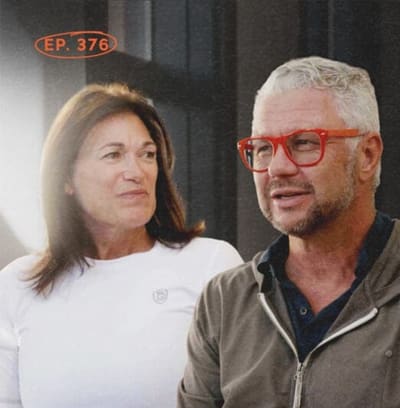
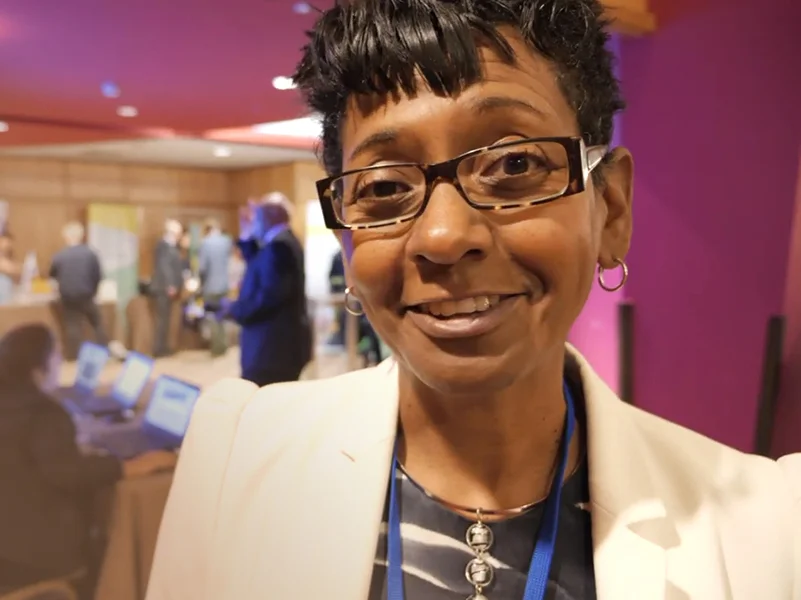
This week’s episode features Henry Kaestner of Sovereign’s Capital and Aimee Minnich of Impact Foundation. Together they discuss the faith driven investing movement, what God has been and is doing, and what the future of this movement looks like.
As you listen, we hope you get as excited about the launch of the new Faith Driven Investor website and podcast as we are. Our hope is that both of these resources will help you on both your spiritual and professional journey. Check out the link below to see the new FDI site and don’t hesitate to let us know what you think! As always, we’re relying on you, our community, to make these resources the best they can possibly be.
Useful Links:
Faith Driven Investor Website
EPISODE TRANSCRIPT
*Some listeners have found it helpful to have a transcription of the podcast. Transcription is done by an AI software. While technology is an incredible tool to automate this process, there will be misspellings and typos that might accompany it. Please keep that in mind as you work through it. The FDI movement is a volunteer-led movement, and if you’d like to contribute by editing future transcripts, please email us.
Henry [00:02:14] What I want to do is I want to make sure that we do introduce a concept, the feature of investing, of course. But I also want introduce my co-host on this episode. And you’ve been kind enough to do this interview. And for those folks that are listeners who don’t know you, I’ve known you, Aimee, for several years. First when you were at the National Christian Foundation in Kansas City, and I’ve come to understand your heart for God and his word and the work that he’s doing on entrepreneurship. And then also, of course, investing for several years. And we’ve had an opportunity of being in lots of conferences together. And as Justin, I thought about how we might start this podcast and who we might collaborate with. Your name came top to mine. Somebody we wanted to work with. So thank you for that. Once you also just kind of supplement what I just said. Give us another 20 seconds or so about the work you do in your day job, what you do at the Impact Foundation, and then let’s get right into it.
Aimee [00:03:06] Yeah. Well, thank you for that, Henry. I’m really glad to be here with you guys. So I am a recovering attorney and the youngest of five kids. And my mom and stepdad started a business when I was growing up. And now we call them startups. But back in the late 80s, we just called it a struggling business.
[00:03:24] So I went to work every single day with my mom because that’s just what you do when you have a bunch of kids, you take your kids to work. I grew up with the language of business and entrepreneurship, as much a part of my family conversations as really anything else we talked about. And I’ve always been drawn to the questions of business, of capitalizing on an opportunity, of figuring out the most strategic ways to accomplish something in the world. And so it’s just a natural fit that when we had Giver’s asking us at the National Christian Foundation to begin making investments for them with charitable capital in businesses that were just doing amazing things in the world and seeing gospel transformation happen when they were asking us to do that, it was a perfect opportunity for me to bring together my law background with my bent to entrepreneurship to create something kind of new. And that’s what we do at the Impact Foundation. We make it easy for people to use charitable capital to invest in For-Profit Businesses or as loans to charity so that God’s people can advance this kingdom.
Henry [00:04:28] Awesome. And that’s a really big part of what we can be looking at. Feature of investing, feature of investing is getting copies so much. It’s going to be ordinary stocks and bonds and mutual funds and hedge funds, private equity and public equity and real estate. And a big part of what we’re going to look at is also impact investing, whether it’s using charitable capital. One of the things that Aimee and Jeff or partner ideally equipped to do, or whether it’s using regular for profit cap or regular investment capital, are going to be looking at a whole bunch of different things on this podcast over time. And as we look particularly at entrepreneurs that are impact investors, funds that are making an impact in the world, maybe even funds that have a patient capital mindset in Africa and other places like that. We’re gonna bring Aimee back in and she’s going to help us to interview some of the folks, the players that are in that space, people that are putting money to work overseas in a way to really make an impact for God’s kingdom. Now, to be clear, when we’re talking about impact investing, all the things we would do as faith driven investors have an opportunity to make real impact. And we’re going to be talking about what that looks like and the nuances. And we’re going to talk about the definitions and the words and what different terminologies mean. But I think of Aimee as being a particular expert at. Only putting charitable capital works, something we don’t often think about how to take our money from our donor advised funds and foundations and put it to work, but then also how to find ministry partners in the field that are doing great work. And then also, how do you even think about putting money to work in 10 hydro projects in Honduras or a or a cattle farm in Ethiopia or someplace like that, while those are all things that Aimee’s done. So quick word of my background. I grew up in Baltimore, Maryland, and end up going and working on Wall Street for six years and having originally caught the entrepreneurial bug at college. I wanted to start a business in the process of doing that and running it. I came to no gun at age 28 as an adult convert. I came to understand that God so loved me that he gave his only son for me and it changed everything in my world. As is often the case with adult converts can be very black and white. For me, it was just that way, and I felt called the sell the business that I had had, and to take that money and to start something else. And so I did that. I did that with a guy who became my best friend and business partner, David Morgan. When we started bandwith, it’s much more the story if anybody ever wants to know more about it on my bio and in other places. But we started bandwith with the cultural values of faith first, then family, then work and then fitness. For two and a half years, we muddled through and pivoted a couple of times and then finally came up with the business model we thought was going to stick. And we thought that was fundable, which was good because we were then out of money and we went up and down Sandhill Road out here in Northern California where I now live and try to raise capital on the first visit. We must have surely didn’t talk about our faith openly. We don’t have fish on our business cards, but we did start talking about our faith and our cultural values on the second part of the third visit. You see, we understood that we’re going to be bringing on board a partner, somebody who’d be strapped to the mass with us, and we didn’t think we’d convert them on the way in or anything like that. But we wanted them to know what made us tick and a bit about our values. We made it very clear to them that we weren’t gonna have a holy huddle at bandwith. We’re gonna hire the best person for the job. And yet we wanted to do business for God’s glory. And what would that look like? While we might pray before board meetings or something like that, as we talked about that, we got a lot of blank stares and really feel that in a best case scenario, we were misunderstood. Worst case scenario, I think we’re prejudiced against. We went 0 for 40 and venturers is a long, hard slog. As you fast forward 20 years. Republic Wireless was born from that bandwidth of courses, born from that band with us since gone public. And God has really blessed both businesses. And that experience taught us two things. One, of course, Christian led businesses can compete and win. And number two, institutional capital really does know what to make of that. So we started a fund to invest in companies that might be like a bandwith founded by people who are serious about their faith. Wanted to integrate their faith in a culturally appropriate way into their culture and come alongside young men and women, some cases old men and women, as they pursued their entrepreneurial ambition. And we’ve done that now at Sovereign’s Capital through 44 different businesses. And it’s been awesome, has been incredibly fun, very, very rewarding. Through the grace of God, things have gone well. Challenge we have is that with time we came to understand that while venture capital, private equity is a great way to be able to put money to work behind entrepreneurs that are cultural change agents, the venture capital private equity is a difficult way for the average price follow to dip their toe in the water in being really intentional about investing their assets. You see, private equity venture capital tends to be pretty liquid. Our fund 3 is a 12 year fund. That’s very liquid. We have a very high minimum investment. And so it was really a conversation I had with Luke. One of my partners at Sovereign’s who talked about wanting to take his young family out to sushi, his wife and he are very into sushi and wanted to go out on family dinners to sushi. He said, you know, if the first time I introduce my kids to Japanese cuisine is sitting them in front of a bunch of sea urchin nigiri, that’ll be the last time we go to a sushi restaurant. What we really need is a California role and we need a California role in faith driven investing, too. How do we have a language and aid inventory, a menu, if you will, of different places that across CROSSFIRE can put their money to work in a way that honors God and participates in the work that God is doing as he brings about his kingdom on Earth as it is in heaven. Now, to be clear, for the last 20 or 25 years. There have been some major inroads in that. There are a number of different funds that exist that don’t invest in alcohol or tobacco or gambling. A number of different things that are against human flourishing. And there have been ways at CROSSFIRE for years now. Of course, I’ve been getting down on their knees and thinking about how might God have them invest their capital and what might they do with it. And yet there isn’t a wide variety of real estate funds out there that incorporate chaplaincy, say, 300 unit complex it that might give up one of those complexes to an apartment life chaplain and put that in investment product where. You can put your real estate investment money to work in a way that extended a gas war. What might it look like to invest in publicly traded companies that advocated for things like chaplaincy or maybe just even faith driven employee resource groups? And what might that look across public debt and in public equity and private equity and all the different asset classes together. And so we started a conversation with a lot of different people that were in the space to try to understand what is in existence, what happens out there, who are some leaders that are in the field. I’ve been really intentional about putting money to work with excellence in a way that honors God. And as we get out there, we found dozens and dozens of people that were doing it. Now we’re thinking about it. I only thought there’d be great opportunity to bring us together, have some conversations about it, learn from each other and encourage each other, and then get to a spot four or five, ten years from now where every Christ filer goes through the discipline of understanding that they God cares very much about how they invest their money and where they invest in money, and that they might experience the joy of participating in some great marketplace movements without necessarily having to sacrifice market return, but that the very process of creating wealth might extend God’s kingdom on earth as is in heaven. So that’s what this movement’s about. That’s what faith driven investor dot org is about. It’s a website to explore things like this. This podcast is going to be coming out once every two weeks and we’re going to be exploring a different aspect of that industry every two weeks with some great folks from the world of public equity, from the world of private equity. We’re gonna be talking to folks at some of the leading venture capital funds and private equity funds in the world. When we talk in a partner at Andreessen Horowitz, for instance, we’ll be doing the same thing across real estate. We’re going to be doing the same thing across hedge funds. We need to be doing the same thing across impact investing. We’re going to be looking at regions like Africa and Asia and we’re going to be looking at incredible work that’s been done in Angel Networks right in our backyard. And we’re excited about doing that. And Aimee, thanks for being with us at the start of that journey.
Aimee [00:12:49] Absolutely. Thank you for a little bit of your story. So we mentioned in the introduction that this isn’t necessarily a completely new thing. What other movements are you aware of where people of Christian faith or another faith even are incorporating serious desire to follow their beliefs in the way that they place capital? I’ve heard you talk some about Sharia compliant funds and the amount of money that’s out there in the faith driven space. Are you aware of how big the market is and how much might be at play?
Henry [00:13:21] Yeah, I think the market opportunity is huge. I think Christ followers control many, many billions, hundreds of billions, probably more than a trillion dollars of investment assets. Ours is a faith that seems to be kind of. It was early and coming around and and investing according to our faith. And the Mennonites had been doing it for hundreds of years and others have been doing it as well. And yet it seems to be other faiths. Within the last 50 years that have been a little bit maybe more intentional about it, folks that share an Islamic faith have been doing it on Sharia compliance for a long time. There’ve been other faith groups that have been doing the same Christ far as generally haven’t. And I think there are lots of reasons for that. I think that when you’re the majority religion and a lot of Western countries, as has been the case until recently, there is not a need to go ahead and bond together and trying to think about how do we help each other out because we’re a minority on the outside looking in and how do we pour our resources and be very intentional about community? I think that there’s part of that. I also think that there is an element of the fact that Christ followers, particularly the West, are reticent about investing with other people that share their faith because so many of us know stories of having invested in somebody from church and the world is littered with the dead bodies of people who have lost money in investing with people who came in under the faith card. And so, so many of us have said, you know, it’s just probably just easier for me not to look at that. I’ll go ahead. I’ll invest my money in look for maximal return without thinking about it through other filters. And then I’ll take that money and I’ll give it to charity. And so as a result, I think that we as Christ followers over the years have missed opportunities of coming alongside and really being that type of cultural impact and influence where we put our investment dollars to work. It means that we tend not to engage very well in publicly traded companies and calling them up and asking them what does it look like for them to watch faith driven employee resource groups? You know, this isn’t an environment within the last twelve 18 months. Are new or resurgent Christian faith driven employee resource groups at places like Google on Facebook and Apple? And we haven’t, as a body of Christ, have really developed an industry or an awareness about how our investment dollars really matter. On another side, of course, we’ve seen chaplaincy really take off in places like sports. We had a Faith Driven Entrepreneur podcast recently. We had an interview with Trade McClain, who started off chaplaincy and doing it with the Houston Astros. Now it’s pretty much every major sports team in America. That’s because their owners understand that their employees are a pure play on human capital. But that’s also the case, of course, in software companies. We as a body of Christ, have not leaned into what does it look like to be able to put our investment dollars to work in a way that is intentional about cultural formation?
Aimee [00:16:12] And yet it’s so interesting to see how many people are coming together around the same types of ideas.
[00:16:18] So, you know, we run into people all the time who believe, like we do, that business isn’t just about making money. That it has all sorts of beneficial effects for the people who are part of it. And we also see a whole lot of people who are beginning to read books like Toxic Charity and When Helping Hurts and come to understand that jobs, not just aid, can make a difference in the world. Could you tell me who is faith driven investor? And is there a team behind it?
Henry [00:16:46] So yes, feature an investor is really a movement of a whole bunch of different people. And part of the genesis comes from an annual meeting that you attended back in September where we had the limited partners in Solomons capital come together and talk about what are ways in which we might invest in other asset classes beyond private equity. And what are ways that we can invest in other funds beyond sovereign’s capital? And we started thinking about what might the industry need? How can we encourage each other? How can we challenge each other? And I guess there’s probably a couple of dozen of us that got together in a restaurant and out of that, a white paper that was kind of a collaborative Google doc was formed where a bunch of us weighed in with opinions on what might be needed and what might some unifying principles be and how could we be big tent and how could we make sure that faith driven investing was a movement that was inviting and descriptive but never presumptuous, prejudicial or prescriptive? And so faith driven investor is a couple of dozen people who are really interested in seeing this industry flourish, who are interested in highlighting the work that’s already been done by a number of godly investment managers and also lay out some of the work that could be done. What’s missing in the movement? So it’s a bunch us. We do have a couple full time staff that work behind the scenes to make sure that the lights are on and that there’s a podcast that happens and there’s audio recording and there are blogs to be featured in a website that does its best job possible of inventorying what’s going on and developing maybe even a taxonomy of all the different moving pieces and players. And yet it’s not an organization that’ll ever raise money. It’s one that’s meant to be fostering one and encouraging one. Maybe even a coordinating one might be overreaching a little bit. But the hope is that five, 10 years from now, because of our collective work, the few dozen people that are core to this and then the contributions of others that might be listening to this podcast, five to 10 years from now, we see hundreds of funds in ways for Christ Farmer to be able to put their money to work in a way that honors God and not just about what we’re against as Christ followers, but what we were for as Christ followers. And as we do that, as we work together, hopefully will allow investors will experience the joy of of getting multiple types of return. In some cases, they might give up willingly some of their market based returns. In other cases, they may find out that they get great market returns, not because of biblical values, but because of them. And that’s something that a whole bunch of us can be looking at doing together.
Aimee [00:19:17] Yeah. So how would you describe the specific problem that faith driven investor is trying to solve?
Henry [00:19:24] We’re trying to solve a bunch of problems. You know, we live in a sinful, broken world. God’s kingdom is not yet completely come on earth as it is in heaven. And there are things that are just broken. We’re trying to solve for the fact that by and large, Christ followers don’t have a very rich selection of fund managers and funds that they might invest in. We’re trying to solve the fact that a lot of Christians, including myself, of course, haven’t been as thoughtful as I speak for myself. I haven’t been very thoughtful about getting down on my knees and pray that God might use my investment portfolio for his glory. Let’s me or anybody else get distracted by the thought that having a couple hundred new investment funds would solve the problem. That’s not going to solve the problem. What really needs to happen, of course, is a pastor of an investor to understand that God owns it all, to include, of course, our investment assets, and that we seek his wisdom and his will about how to steward those investment resources, the heart pastures, above all, the most important thing that we’ll ever do. And I think that having a community and a language and a process and a framework to think about that may be the biggest problem that we’re trying to solve. And we’re going to try to start solving it right away with me, because I’ve been woefully inadequate in that. And then beyond that, we are trying to solve a problem that by and large, Christ followers with their investment funds are known for what we don’t invest in. And I think that negative screens can be important. I think that it’s only part of the overall opportunity we’re trying to solve the problem that there are by and large, not well-known funds that are out there that allow Christ to invest multifamily real estate or extended care facilities or a shopping center, real estate investment trust or corporate real estate that cash flow as well. As a deliberate and culturally appropriate spiritual integration to it, I think that that’s some of the low-hanging fruit that’s out there. And yet it doesn’t really exist. I think most of us would be hard pressed to name a half a dozen great investment funds that focus on real estate include things like chaplaincy is part of what they do. And then that, of course, exists in private equity venture capital and it just in public equities. We’ve seen some great exchange traded funds develop. We’ve seen some great mutual funds develop. And yet, by and large, they are known for either screening or generally about human flourishing, whereas a company make that it redeems some aspect of an industry. But by and large, there is not a fund that we’re aware of that invest behind principled and valued and faith driven CEOs of companies. And we think that that might be something worth wading into. Now, of course, something like that is fraught with different types of questions and complexities. How do you draw the line? Was that mean? But we hope that by having this conversation that people can answer that a whole bunch of different ways. And without us suggesting what the right answers are people and then say, actually, I do think there’s an opportunity to run a fund that invest along this type of a mandate or looks to invest proactively in what crossfires are known for, or I want to have an investment vehicle that’s going to invest in faith driven leaders.
Aimee [00:22:30] As I’ve been listening to you. I’ve been trying to come up with a definition of what a faith driven investor is. And is it accurate to say that being a faith driven investor might mean simply surrendering one’s investment capital to the lordship of Jesus Christ, somebody who’s trying to steward investment capital from the perspective of it’s all his. He doesn’t need my assets, but he’s allowing me to participate in his working world through all my investment capital.
Henry [00:23:04] I think that’s a great working definition. I also think, though, that there may be real success in hundreds of listeners, thousands of listeners listen as podcast and coming up with a different definition, I think it might be a bit of a win for an investor just to be thinking about. Has my faith driven my investing up to now? Is there an opportunity for my faith to drive my investing going forward? And then what does that look like? And I do hope, as a committed Christ follower, that in my case it means that I do indeed understand that God owns it all and that I’ve been given an opportunity distorted and that there’s an opportunity to participate in all he’s doing. And I think that there’s a framework that might work for me and maybe some other people. And yet I think it’s a win just for somebody to understand that their faith can drive their investments. I don’t know that that’s commonplace. And one of the things that I think men have coming from this is I think that reasonable people who are serious about their faith may come away from a conversation like this and have 100 different ways that they end up applying their faith. Some people may say, you know what? I spent time in God’s word and in prayer. And I’ve come to understand that all of my investments really need to be focused on creation care and whether it’s a fund that’s run by a Christ follower or not. My faith has me convicted that I need to be investing in things that are focused on clean energy or something like that. Somebody else may feel that they know that they’re completely committed to investing in real estate because they understand there’s real estate where people live. And when you have a resident chaplain in some of these facilities that it creates a great opportunity, have a great conversation and inviting people to church or to an alpha course or young life or after school group or something like that. And that’s where they need to be. Somebody may think that they just want to invest with secular managers and someone else may think that they just want to invest in faith driven managers. I don’t think that we should ever be prescriptive on what it has to mean for people. And yet from the conversation, we may throw up different frameworks that may resonate with some people and not with others. But I think that what is a win looks like a win looks like five to 10 years from now. Every investor that is driven by their faith, where they would say their primary identity has been driven by their Christian faith, might see just very naturally where their investment allocation, their investment portfolios need to be driven by their faith and are driven by their faith. And as a function of that, come more alive in their faith because of the work that they are participating in.
Aimee [00:25:32] So it’s early in this whole faith driven investing movement. But what are some of the hopeful things that you’re seeing in this space?
Henry [00:25:40] Well, one of the things I love talking about real estate. I love apartment life. A personal life is a ministry that’s in Dallas, Texas. That’s like 99 percent sustainable because they get fees by placing chaplains in apartment complexes. And the majority of the states in the country. And I spent some time with Pete Kelly and we’ve got some time with him on a podcast is coming up, talking about how apartment owners hire him for the work they do in loving on people in a way that points to God that loves them, and that most of his customers don’t have a Christian faith but hire him because they understand that the chaplains they have increase the residency, decrease the turnover of their tenants. They increase the online reputation of their properties. And so for secular, pragmatic reasons, by investing in something that is according to biblical principles, it actually helps their bottom line. And I think we’re going to see a lot more of that. We’re going to find out that when a company like an Apple or a Google that have them invest in faith driven employee resource groups at their company, looking to minister and encourage the articulation of faith and faith communities in the workplace, that that delivers better bottom line results. That’s something that’s relatively new over the last couple of years out here in Silicon Valley, where they’re doing the same thing in Newburn, a salesforce and a Dropbox. I’m incredibly encouraged by that. I also come to know some folks that are in the exchange traded fund industry that are able to engage with some of the companies that they’ve invested in and ask them about different giving practices that they have and being able to see that shareholder engagement at a respectful level by asking about different practices and policies that the company that they are a shareholder in, where they see that that goes against biblical values. You’re able to have conversations with some big companies like Exxon Mobile and see real change happen. So I get excited about that. I get excited about a group of angel investors that are banding together in Dallas, Texas, that are driven by their faith, who are looking at new deals to do together through the lens of what advances the gospel in the best way. I get excited about people that are getting together in San Francisco and doing the same. So there are lots of different things that are happening in a just a lot of it’s just a conversation. You know, it’s a big one. If three people listen this and get together over a beer or a coffee and debate it and think that there is one way to proceed. According to their faith and and somebody in a different environment sees something completely different. But there are a bunch of different things. It’s just really just it’s the increased dialog. The fact that there is dialog around issues like this maybe in an increased way than has been in the past.
Aimee [00:28:20] So that much diversity in what faith driven investing can look like. What are some of the unifying principles or markers that you’re seeing emerge in the industry?
Henry [00:28:31] Well, and again, I want to make sure this isn’t a movement necessarily that’s about being prescriptive, about what it must mean for people. It’s a win when people can answer the question for themselves about what does it mean for me to be driven by my faith. And yet I think that there is a guiding framework, maybe some unifying principles that were seen in some conversations with people that may be universal concept of stewardship, that God owns it all. You talked about this just a little bit ago to me about the fact that God owns it all. He owns our finances. It influences everything will be held accountable to some extent about our faithfulness and storing his resources. You look at the parable of the talents. Interestingly, in that parable, it doesn’t talk about what the servants invested in. So there are places in the Bible and hopefully we’ll get at this with the podcast that will talk about the concept of gleaning and in different ways that we are indeed invest in yet. There’s also a lot of lessons about investing that don’t specifically dictate what kind of investing we do, but speak more to the heart posture and the motive of the investor. But stored chips, one excellence is another one. I think that, you know, paraphrase Francis Schaeffer, it’s the degree that we do our work well that we have an opportunity to witness and be heard. Hopefully we’re known for excellence. And again, I alluded to this before. There are some significant cultural headwinds in investment according to faith, because all too often it’s meant investing with somebody that we met at church who we love their heart. And yet we maybe didn’t do the same type of discovery or diligence we would do if it was a secular investment. And so so oftentimes we see people that have lost money on that and we need to endeavor towards excellence. Our discoveries got to be excellent or diligence got to be excellent. Our managers have got to be excellent. We’ve got to be above reproach in terms of integrity in the movement. And we’ve got to be really good at what we do. There are, by the way, thousands and thousands of Christ followers that are at the helms of fantastic investment funds, most of whom look like to the outside world is completely secular and maybe inside they look completely secular, too, but they’re driven by people are serious about their faith. Those people who have shown that they can have great results year in, year out. Those are the types of people who are excellent at their craft. That guy’s given a gift and experience in a town at being a great real estate fund manager. Our hope is that this is a movement that’s characterized by lots of those people rolling out funds and products that allow for more spiritual migration. Next thing is that hopefully this is a movement that is characterized by the body of Christ coming together. And I’m always fascinated by this story of the Tower of Babble in my office. I’ve got a picture of Brueghel is painting of the Tower of Babel, where we were all spread out because we’re trying to make a name for ourselves. Hopefully there’s this undoing of the Tower of Babel as we all look to make a name for God, not for investment portfolios or returns or this fund versus that fund, but we look to make a name for a god. Hopefully this is a a movement that’s characterized by people coming together in community and working together, speaking the same language, if you will, and coordinating and encouraging and sharpening each other. Hopefully that’s another principle. That’s part of it. And then the other thing, of course, the root of all of this is the hard transformation that comes from all the participants in this, from the investor to the investee. God wants us to be in communion fellowship with him. That’s the most important thing. If we’re an investment manager, we shouldn’t rejoice. The fact that we’ve got a 20 percent plus net IRR or that we’re top quintile fund. We should rejoice in the fact that our name is written in the book of life with that realization. Hopefully we come out of that with this sense of gratitude that allows us to see our investment work as this meaningful form of worship that brings us in communion to God rather than I’m a Christian. But the fund management work that I do is really the core thing. There’s not that type of faith in work, integration, sense of identity and purpose and mission in our heart posture. There’s just so super important for all people that are as a part of this. So hopefully people never come away from this and say, OK, the answer is this fund or this fund manager. But hopefully it starts with what does it look like for me to be in communion with God and endeavor and understand his will for how I allocate my portfolio. And then this is a movement that’s not characterized by any type of judgment. When somebody goes through a process just like that and to be just as supportive of them as the different things that I feel called to.
Aimee [00:33:01] That’s so good. I would love to come to a place and have the opportunity to celebrate with others the winds that God is bringing in the midst of our work, but also to celebrate that our names are are written in the book of life. What a beautiful picture. So what can we expect from the faith?
Henry [00:33:20] An investor podcast and website, what you can expect, we’re to make lots of mistakes and there times is going to look pretty, Javy, we’re a thinly staffed organization, but one that’s really committed. And fortunately we have so many different people around this that want to see a movement like this succeed in a community like this flourish that I think that will minimize some of the mistakes and yet will make a line. But I do think that you’ll see us get out there and find some really neat people to have conversations with. I think you going to find us talking with people that may not share our point of view and may sharpen us. I think you find us interviewing people that are coming from all different types of walks of life, from different asset classes. We’re gonna find people that are investing in different regions in the world. We can understand what it looks like to be an investor. And so in those regions, we’re going to learn from some investors over time about how they’ve been guided by their faith and some of the investments that they’ve made that have worked out really well in some of the ones that have not worked out well and some of the lessons that they’ve learned along the way. We’re going to be interviewing people that are working really well together in collaboration and understand what that looks like. And then we’re going to hopefully respond back to the feedback that we get along the way about what people like and what’s encouraging to them and where they think that we’re going down the right path. And that will be quick to make sure that we get better when we need to get better. Hopefully anybody from somebody who’s got $10000 in or a diamond account up to somebody running an endowment or a foundation is going to find something in the content we bring about. And it may be the way that we look at what the Bible says about investments and money and some talk with some theologians and then also some fund managers about unpacking the story like cleaning in the Bible and the parable of the talents and and the dozens of other investment stories that we find in the Bible. So I think you’ll find that for anybody who has any investment dollars. The other thing I think you would be able to find as you gonna learn about new funds, you know, learn about people that are out there putting funds, putting money to work in a way that advances God’s kingdom. And we’re going to see lots of nuance about that, going to see lots of different stories across all sorts of different asset classes. And we’re going to look to make sure that we’ve got a good weighting of those that are available, more sophisticated institutional investors, but also ones that are accessible, hopefully with people that have just the money to invest in a retirement account. I think it’s really important that this isn’t something that just focuses on the institutional investor. We come to understand that, that it’s the widow and her mate that made the best investment story in God’s kingdom. So hopefully we’ll have something on that. But Lord willing, after a year listeners podcast, you’ll know a whole lot more about a lot of different asset classes.
[00:35:59] You’ll know a whole lot more about how Christ followers in this space are acting. You’ll hear about the hopes and dreams and aspirations as they continue to grow. We’ll learn more about what the investment climates were like in different countries around the world. And you’ll get a sense of God bringing together his people as they seek to steward his capital.