
Episode 326: When Death Knocked Twice: Travis Penfield’s Blueprint for Scaling During Crisis

Episode 326: When Death Knocked Twice: Travis Penfield’s Blueprint for Scaling During Crisis

Podcast episode

Episode 326: When Death Knocked Twice: Travis Penfield’s Blueprint for Scaling During Crisis

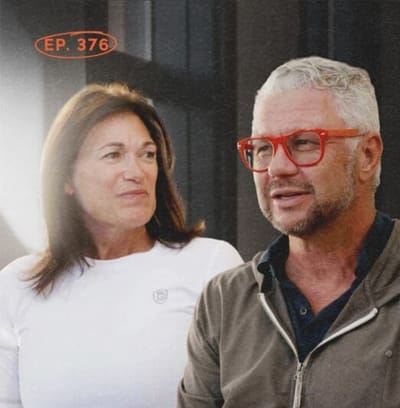
Can you build a thriving business while facing back-to-back life-threatening crises? Travis Penfield did exactly that, transforming his brush with death from a brain tumor and his wife’s cancer battle into clarity for scaling 49 Financial to 200+ advisors. His blueprint for bridging the trillion-dollar advisor succession gap prioritizes mentorship over metrics, revealing how personal trials became his greatest business advantage.

KEY MOMENTS

  • Travis shares his recent experience meeting Jack Nicklaus and John Maxwell, highlighting Nicklaus’s emphasis on family over golf achievements
  • The powerful story of Travis’s brain tumor in 2016, requiring him to relearn basic functions
  • His wife Jacqueline’s cancer diagnosis and the emotional journey of shaving her head during chemotherapy
  • The doctor telling Travis to “prepare as if she’s gone” and taking his daughters to San Diego while contemplating single fatherhood
  • How these health crises fundamentally changed his approach to business success and identity

BUSINESS INSIGHTS

  • 49 Financial’s three-pillar strategy: handling more complex issues, offering more services, and building more community
  • The company’s focus on young advisors (22-year-olds) in an industry where the average advisor is in their upper 50s
  • How 49 Financial is addressing the industry-wide 9% retention rate for new advisors
  • Travis’s shift from “quantity over quality” to “quality over quantity” in building his business
  • His vision for bridging the gap between aging advisors with trillions in assets and the next generation

FAITH PERSPECTIVE

    • How facing mortality transformed Travis’s relationship with God and clarity about priorities
    • The role of childlike faith in entrepreneurship versus the challenges of maintaining bold faith as a business matures
    • Using their platform to help clients turn “tax dollars into giving dollars” through strategic charitable planning
    • The daily struggle of enjoying present moments while awaiting his wife’s five-year cancer-free milestone

    Quotable Moments:

    • “I think maybe a lot of entrepreneurs out there, it is so easy, even as believers, to make our business our identity. And it’s such a sneak.”
    • “It puts you in a different place in your faith when each one of you experience the thought of losing the other one within a day.”
    • “If the business doesn’t make it, it’s okay. If the business does hit that growth goal, it’s okay… I’m going home to my bride.”
    • “My heart and why 49, as long as I’m around, is going to be for the young person.”
    • “We’re going to turn tax dollars into giving dollars.”

    Stay Connected to the Movement

    Listen on your favorite podcast platform:

    Subscribe to the newsletter

    Stay Connected
    to the Movement

    We know that as an Entrepreneur, your most valuable asset is time. So each month we take the very best of the podcast, the blog and all the news, resources, and upcoming events happening across the space and bring it to you.

    JOIN A FAITH DRIVEN ENTREPRENEUR GROUP

    You need allies. We have groups.


    No Cost. No Catch. Online or In Person.
    Journey with 10-15 other Entrepreneurs through the
    8-week Study. Don’t Journey Alone. Find your Community.

    Episode 304: Redeeming Your Time with Jordan Raynor

    Episode 304: Redeeming Your Time with Jordan Raynor

    Podcast episode

    Episode 304: Redeeming Your Time with Jordan Raynor

    Jordan Raynor talks about how entrepreneurs can redeem their time.

    EPISODE NOTES

    In this episode, Jordan Raynor discusses his book ‘Redeeming Your Time’ and how entrepreneurs can uniquely struggle to manage their time. 

    He emphasizes the importance of discerning the essential from the noise and finding peace in Christ before seeking productivity. Jordan also explores the concept of grace-based productivity and how Jesus can serve as a model for time management and shares some of the 32 practices from his book,

    Find the book here: https://www.amazon.com/Redeeming-Your-Time-Principles-Purposeful/dp/0593193075

    Stay Connected to the Movement

    Listen on your favorite podcast platform:

    Subscribe to the newsletter

    Stay Connected
    to the Movement

    We know that as an Entrepreneur, your most valuable asset is time. So each month we take the very best of the podcast, the blog and all the news, resources, and upcoming events happening across the space and bring it to you.

    Episode 305: Surrendering to Trade Up

    Episode 305: Surrendering to Trade Up

    Podcast episode

    Episode 305: Surrendering to Trade Up

    Justin, Henry, and Joey talk about how entrepreneurs trade up and find significance through surrender

    EPISODE NOTES

    The conversation explores the themes of surrender and significance in the context of being a faith-driven entrepreneur. The hosts discuss the importance of surrendering personal ambition and aligning one’s vocation with God’s purpose. They also emphasize the need for community and the dangers of pursuing worldly definitions of success. The conversation also touches on the upcoming Faith Driven Entrepreneur Conference and the hope that attendees will walk away with a deeper understanding of the true significance found in surrendering to God’s plan.

    Find more at https://faithdrivenentrepreneur.org/conferences/

    Stay Connected to the Movement

    Listen on your favorite podcast platform:

    Subscribe to the newsletter

    Stay Connected
    to the Movement

    We know that as an Entrepreneur, your most valuable asset is time. So each month we take the very best of the podcast, the blog and all the news, resources, and upcoming events happening across the space and bring it to you.

    Episode 306: Why Faith Driven is Merging with Halftime

    Episode 306: Why Faith Driven is Merging with Halftime

    Podcast episode

    Episode 306: Why Faith Driven is Merging with Halftime

    In this episode of the Faith Driven Entrepreneur Podcast, Henry and Justin discuss a merger between Halftime and Faith Driven Movements alongside Halftime co-CEOs Jim Stollberg and Tom McGhee.  The four highlight the power of partnerships and the importance of getting clear on one’s unique calling. They also explore the roots of Halftime as a book and an organization where individuals reassess their lives and seek to live a life of significance.  The merger aims to serve more people and help them discover their purpose and make a greater impact in the world.

    For more information on the merger visit https://faithdrivenmovements.org/halftime/ 

    EPISODE NOTES

    Joey Honescko You’re listening to the Faith Driven Entrepreneur Podcast, a show dedicated to the movement of founders and leaders around the world who are using their businesses for the glory of God and the good of others. Let’s get into it. 

    Henry Kaestner Welcome back to the Faith Driven Entrepreneur podcast. I’m here with Justin. Justin, we’ve got a summer edition. And it’s great to be back in the studio with you, the. 

    Justin Forman Virtual studio that is remotely located this week. Where? 

    Henry Kaestner We are at the Basin Harbor Club in Vermont for gens Vermont. One of the prettiest places on the planet. And, I would love coming to here. But a good amount of time on the road this summer. I know that you spend some good time with family, too. But we’ve also spent some good amount of time on mission. And, I’ll tell you that the the trip and the story I wanted to share with you all comes from Kuala Lumpur, Malaysia. Where I gave a presentation. At the end, I had two entrepreneurs who came up to me. I had many entrepreneurs who came like very encouraging, but two of them right back to back. The first one was a chocolate entrepreneur. This entrepreneur makes their money and has done very well by selling chocolate. And the second one that came up right after that and you cannot make this up. Was a peanut butter entrepreneur. And I’m like, you guys, you guys. Do you hear what this guy does? You guys got to get together. And they both gave me these, like, blank stares. And in America, where some amount of our listeners are from, you’ll know that chocolate and peanut butter go together because of Reese’s Peanut Butter cups. And the marketing that’s been dripped to us over the last 50 years. But that marketing campaign never got any airtime at all in Malaysia, and they looked at me like I had five heads. Okay, so of course, back to you. Justin is who would be the chocolate talking butter who. 

    Justin Forman Removed chocolate to the peanut butter? Well, I’ll tell you this. I grew up in, I grew up in a Christian home that I’m so thankful to have grown up in. And yet, one of the things that I think that we didn’t spend enough time on growing up is, those chocolate and peanut butter moments or those sliding door moments of life and seeing the Holy Spirit in the way he works. And, you know, you talk about conversations and sliding door moments. One of those for me was about 20 years ago. And so a good friend, Brian Mosley, had picked up, a book called halftime. And we went through it together as we had both started, started off in building this thing called Right Now Ministries. It was passionate about connecting people, to ways to find, opportunities to make a difference. And so we read that book 20 years ago, when we were both 23, 24, 25, in that strike zone. And I’ll tell you what, we were far from that halftime moment, but that book struck a chord, and it struck a chord deep with us to say, man, what does it look to live a life fully alive? What does it look like to live for something significant, as Ecclesiastes would say, beyond the sun and something that will last? And that book really, really, really struck a chord. In the time that we had with Bob since being here in Dallas, being his backyard was just, just a gift to really, really think about. What does it look like to not wait? What does it look like to put your passions into action right now? And so I know that’s, been a guiding thought and a guiding principle for for all of us here on this call and for so many others that are listening to this. And, so, yeah, at the top of my list, I’d, I’d put that is the chocolate and peanut butter combination using your, your language there. 

    Henry Kaestner I think it’s really good. I think that when I think about the different things that faith driven does and that the Lord has allowed us to do, we have, through the grace of God, had groups of more than 130 countries, and we’ve, used the, the, the storytelling from our team to help people get really excited about getting involved and getting in the game. And on the flip side of the back end, we’ve been able to find some incredible accelerators and incubators and funds and and feature and entrepreneurs are doing incredible things in emerging markets and right behind, right in our backyard in America. And yet, one of the things we haven’t been able to do as well, though we have referred quite a few people to some incredible ministries that do this. But there’s none better than halftime like you talk about he. So it’s been really fun to talk with the team at halftime over the last several months about what does it look like to work more closely together? What does it look like to be able to have a partner that we can point to and entrepreneurs and feature of investors, too, that want to get more intentional about understanding about how God has uniquely equipped them so that in light of their giftings and their experiences and their talents, they might get in the game in a way that helps them to be fully alive. But there’s no generalities. While we can all understand and agree that the call to create an identity crisis, there is a specific calling. God wants to have a personal relationship with each of us. Halftime to such a great job of helping people to understand their unique calling, coming up with a roadmap. And so we’ve got some special guests on the podcast today doing. 

    Justin Forman We do? We do indeed. It is, been a lot of fun over the last couple of years to get to know Tom and Jim and just to hear their story and their heart, whether it’s at Christian Economic Forum and different events or just in their backyard here in Dallas. So, Tom, Jim, welcome to the podcast. 

    Speaker 4 Appreciate it. Absolutely. 

    Justin Forman Well, to start us off here, Tom, I would love for you. I don’t know who the resident historian is yet of us here, but I feel like that you’ve got just such a great, unique perspective on some of the story of half time. So we know that so many people that we serve with faith driven, are familiar with it. Their lives have been changed by it and the lives have been impacted by it. But for those that might, be discovering peanut butter cups for the first time in Malaysia or in Nigeria that haven’t heard of half time. Can you tell us a little bit about the story and and give everybody some context? 

    Tom McGhee Sure. So there was an entrepreneur by the name of Bob Buford. They ran a cable television company, and, he sold it and made a lot of money. And, when he did, though, he, he really wanted to pour it others. And he wrote the book halftime, which had the tagline from Success to Significance, because that was his story. And in a vision, halftone really is somebody who is 40 years old at that time. Bob said, this was 25 years ago. And, and Bob said, you know, if you’re if you’re to live to be 80, 40 is sort of half time, you ought to take a pause and say, if I keep doing what I’m doing and look at, I end up where I want to be, you know, just like we would take a half time in a, in a ballgame of some kind to reassess. And that the other side of that, he believed, is that, you know, you. You’re willing. Your life is its totality. Really. At the end of it, you’re able to say, what have I done? How have I accomplished? Who have I become? All those things, you know, the latter part of yours may be much better even than the former. And now you can build on success and build on your network and all those kind of things. So we wrote this book and it took off 25 years ago. You had Rick Warren talking about purpose, and you had Bob Buford talking about calling. And that was the telling. The main ideas out there in the marketplace and in the society about what is what am I created to do and what does God have for me, and how do I use who I am and my gifts? And, my, you know, all those things and the idea of a calling that says, well, there’s a purpose for me, you know, that I was created for such a time as this that literally is a child of God. I’ve been created uniquely to do something at this moment in the history of the world, to do something literally nobody else in the world could do, because that’s why God created me. And whether it’s something very specific or even something little, whether it’s large, whether you know what that impact is or not, it’s worth thinking about and being intentional about. And that’s what Bob wrote at half time. And so he she wrote the book. So people started coming together to see him. He would be able to speak to him and kind of speak in their lives. And I had the privilege. I had been a partner with Ernst and Young. This is about 2001, and I left Ernst and Young to become an entrepreneur, to start my own company. And I was doing that, and I was working primarily as a consultant, my own consulting company, doing strategy with fortune 100 companies. But I also wanted to do it for the Kingdom. And somebody said, hey, I live here in Dallas. Somebody said, hey, have you ever heard of this guy Bob Buford? He work for churches, which he did also besides time. And I got to meet Bob. I actually had the privilege of designing for him the very first half time program some 25 years ago when they said, you know, we can leverage everybody’s time and effort better if we can maybe get six or 8 or 10 people in a room instead of just one on one meetings. And so with that, the ministry as it is, was bought was never intended to be sort of a formal ministry. It was just an outreach of this book. And the, the, the nerve it hit in an awful lot of business people that wanted to know, you know, what was beyond success and what else is there in life. And am I doing especially as a Christian, if you realize the the what you’ve been able to do with all your gifts and talents, there’s a lot of hard work you put in, but it’s all because of the talents and things you’ve been given by God the opportunities, the timing, all of those things. And, and most successful entrepreneurs or businessmen would say, you know, I recognize that there’s a force at play much greater than me, much greater than what I’ve done. And because God has allowed me whatever level of success I have, I want to make sure I’m a good steward of that, that I’m giving back on it, that I’m using it for the right purposes, and I’m doing more than just, you know, serving myself. And so it hit a big nerve. It took off. The book sold, you know, gazillion copies around the world. We have had the opportunity to be formalized as a ministry. Few years later or early 2000, we served probably somewhere between 3 to 5000 people around the world, men and women, to help them understand who they are, how God has created them, and then to begin to live that out in their life wherever they are. And so it’s just been a pleasure, Jim and I, and I’ll, I’ll turn it over to him for any kind of, color commentary on this, but, I had been around half time. I helped start it. I continue to work in my own company for a while. In about three and a half years ago, they reached out to me to help. Asked me to help halftime with a global strategy. I was glad to come back in the family to start work with them. Jim was on the board at that time and we started working together. And, you know, one thing, one thing you kind of learn Jim’s been a consultant to is a consult. You should never recommend a strategy. You don’t want to run yourself. Right. And so we recommended this strategy go along to the board came to us, said, you know, maybe it’s time you guys should step in as co-CEO and try to help, create this vision for after we’ve been working over the last few years. 

    Justin Forman That’s awesome. Now. And Jim, you you were able to interact. Was it through the book or was it through the course which was the which came first for you? 

    Jim Stollberg The book. You know, I wasn’t quite as young as you when I read the book the first time, but it’s quite often that that is the first introduction to half time. I can’t tell you how many people we’ve met over the years and say, oh, somebody gave me the book. I read the story, and it changed my life. Some of them we never see come through half time. They just read the book and it had such an impact on them. For me, I had a mentor. I was in management consulting, as was Tom. Different firm. Maybe a better one. I would say lesser firm. 

    Tom McGhee Yeah. That’s right. 

    Jim Stollberg But but was in management consulting and a mentor gave it to me. I think it was shortly after it was published and I was probably 30 at the time. I don’t remember exactly my age, but it it had such a profound impact and, unfortunately, just and I wasn’t as wise as you and said, I’m not going to wait. I read the subtitle and it said From Success to Significance. And I said, well, I don’t I don’t think I’ve checked that first box yet. So I’m going to continue to pursue success. And I and I did that for the next 20 years. But here’s, here’s the God moment in that, right? I said how I love how God plants seeds. He used that. 20 years later, when I was 52, I left the marketplace and I, I pulled the book back off the shelf. I read it again, and it was just as profound as it was the first time, maybe even more so. And I called my mentor because he had been a long time friend of mine, and I said, can we do lunch? And, we had a we had a great lunch. And he basically said, Jim, you’re in a half time. You need to you need to go through half time. And so I did that. In 2019, I went through what we call our fellows program. So just over five years ago, and it was nothing short of transformational for me to reframe the context of how I think in my life. Yeah. You know, so grateful. 

    Justin Forman Yeah. I love one of the things that you guys are both hitting on here that I think is. It’s been a journey that Henry and I have been going on, just to realize and appreciate the power of space and the power of a chance to really kind of reflect. I think oftentimes as entrepreneurs and investors were quick to do or quick to build, were quick to take action, we default towards action. And when we think about discipleship, we think, oh, well, it should be just a checklist. 1234567. Go down the list. And if we do that, it can just be facts. And it could be a checklist. And it can maybe be something we bolt on to our heart. But we really need to give it space to capture our heart. Can you talk about that, Tom, when you talk about this coaching process, when you talk about the program, of what it is like, how important is it to have that place and space to to really breathe and let something kind of marinate at its own pace? 

    Tom McGhee You know, it’s critical. And I think we need after I would try to bring sort of three things to bear. Right. There’s a process models, tools, those kind of things. There’s coaching. An individual coach is going to take you through that kind of help guide you. But then we do everything is a cohort model. You have others around you that are all that journey with you that can help you think your confusion out loud, as Peter Drucker used to say. And I think, you know, one of the greatest things we can do, all of our programs, spend, you know, several months at least, just because it’s an iterative process. We think God reveals something to you, and you’ve got to be willing to lean into it to understand where it’s going. I mean, rarely, you know, I remember when I started my own company, like, like every other, guy who does a man or woman who does it. You know, I had a business plan. And as everybody knows, as soon as you actually step out and start most of a business plan, it was right in the trash. Right? But it was a great foundation to begin strong. You needed a place to start. And our tools and the models that are things we do, they give a person a place to start, but then you need a coach and, a cohort around you to help you work through those regulatory things that come up as you go. So so we talk a lot at halftime about the head journey and the hard journey. And this is always a challenge, right? We can get it in our head if we don’t get it. If we don’t use our head we don’t do things. We just sit around and, you know, maybe, maybe I’ll do this someday. Maybe I’ll get into that. We talked about getting clear, getting free and getting going. And there’s a there’s a specific order to that. If you try to say, I’m going to get free first, you almost never do it. You know, it’s always, I’ll get free. Will I get this much money? Or when the kids are out of the home or whatever it is, if you get going first, you can kind of trade just kind of sort of trade one treadmill for another, right? I was working, you know, working my tail off in business, and I’m going to work my tail off for Jesus. You know, there’s no there’s no heart to it. There’s no time to really think about what you’re doing because you’re so busy doing it. And so we really try to work with guys, say in your head, what are those actions that you need to take? What are those things you can do one of those, shifts you can make in your schedule and your abilities and where your platform is and all those things. But right along, integrated with that is where are you on your heart journey? How are you hearing from the Lord? How are you having a rhythm in your life that allows for enough, space to know that what you’re doing is not just the right thing, but the best thing at the right time. You know, I think so. So we try to blend those things together, you know, as we go along the journey with guys. 

    Justin Forman Hey. You know, one of the things I love, about that is it’s a combination. It’s not just a coach. It’s not just a peer. It’s really this beautiful mash up of all of it kind of coming together. Was that something that instantly that you guys discovered in the process, or was it somewhere along the journey that you realized that there needed to be that kind of combination of peer learning, coach learning, and kind of everything together? When how has that evolved? 

    Tom McGhee My background had been in collaborative work. That’s that’s what I did, bringing groups together, and helping them have these conversations that would let new ideas emerge from in companies or whatever they were. So when I was asked to design the forum, I knew it needed to be co-work based. It needed to be in a group. And that was a better way to to work through things. It went on a few years like that before we added the coaching aspect to it. They really said, you know, there’s this a group of peers is great, and it provides a perspective that’s invaluable. But it’s also often necessary to have somebody who can kind of see down the path a little bit of where you’re going and can help point you in the right direction, you know, for what you’re doing. We think then together is a pretty good programs, and it kind of evolved that way. 

    Justin Forman That’s great. Hey, one other thought here before I pass it back over to Henry. But one of the things that, has been our favorite phrase has been just Bob’s phrase that we’ve seen and will be sharing with others is the fruit of our work grows on other people’s trees. And hearing that in your 20s you see one inside of the tree, but in your 30s and your 40s. And as you get older, you see some of the different angles of that tree, of just how God sometimes brings you together in partnership for seasons or for long periods of time. And sometimes you don’t even know all of the fruit. That happens from the faithful work of a team and, and a mission or a ministry that’s there. And I’m struck by that. And, Jim, and I’d love for you to speak to just kind of how that guided half times model with some of these international partners. And just what was Bob’s approach to that? And it was so great for Henry and I to be on that call with many of them last week, but can you just speak to how that has guided half times model in partnership around the world? 

    Jim Stollberg Yeah. So true. And still love that phrase. It’s so it’s so meaningful even today. Right. Tom and I have talked over the years. I think Bob actually planted orchards and you know, he as, as Tom mentioned up front when he, he wrote the book, he was really just telling his story, and it created this movement of people came to him. And I don’t believe he had any intention of creating, you know, a business or a ministry or a franchise, right, to roll this out. And when people came to him, whether here or from around the world, he was so giving with it. Right? He was looking to just have that impact. And so many of the half time hubs, as we would refer to them around the world today, Bob just leaned into and he said, this is what I know. This is what I have. These are the tools, this is the content that we’ve been developing. Take it and go. And how can I be of help with you? To to bring that to life. And so there were no strings attached and, and because of that, it really created that movement mentality. And it still exists today. That, that people can step into half time. And therefore it’s also taken on an expression in the context of every country that it’s in right now, trying to over corporatized it, if you will, or hold it too close to, to the center, but to really let it grow in the context of where it makes the most sense in that environment. 

    Justin Forman Yeah, it’s been a gift. I remember, gosh, being on video shoots when we’d be sitting there and we’re asking people questions and you spend a whole day with somebody and you get a chance to hear their story and hear everything. And it was always a fun surprise or a couple of times I remember distinctly in Singapore when we were interviewing people and they were saying a book that really shaped me, and you almost kind of wanted to stop them and, you know, take a guess at what it was. And sure enough, you heard the story of how Bob’s book had just really impacted, just so many people in so many places that, you know, Bob never got a chance to see or would never have had a chance to see even if he was alive at the time. I love that that orchard language to it. 

    Jim Stollberg And it was never about him. Right? It was never about him. And Tom and I tried to keep the same posture of this is it’s not about halftime, right? It’s really about the stories of the people who go through the halftime experience and come out that experience living in a completely different way, right, making an impact in the world. And but that is that’s the privilege that we get to see from R.C. it’s a blessing. 

    Tom McGhee One of the legit really attracted us to a faith driven movement is the movement word. You know, I really think you guys are about the same thing. It’s not about, you know, building a franchise, building an empire. It’s about what I would call the power of Christianity. Turn it into active power wherever they are. You know, getting people in the game to realize that how they are uniquely made and and what they are called to do and just, you know, living that abundant life that we’ve been promised. And I and I think that that promise that Jesus made that that you’d have life and have it more abundantly. To me, that comes when you are doing what you were created to do, whether it’s big or a little bit. You wake up every morning. You know, this is the best day of my life because of today, because I get to do what I was made to do. And I just the more we can get people in that game, just the, the, the the better. It’s not just the better it’s going to be. It’s just an honor to try to put people in that direction. 

    Henry Kaestner I love the emphasis on getting people in the game. I think that’s so important in a world in which we might read a book or listen to a podcast or listen to a sermon. We can get inspired. But for us to actually then take action on that is something that’s, it’s it’s easier said than done. And one of the things that you’ve hit on from the very beginning in this cohort model is the same thing, of course, that blends us together in our shared DNA, and that’s to do it in a partnership in a group of people as they’re able to talk through. Okay, let’s let’s go through this together. So what does it look like for all of us to get clear on what the opportunity is and what God is calling us to, and how he uniquely loves us? And the thing that I really think bonds our DNA together as we merge. Is this concept that there’s a God of the universe, and how much he loves us more fully than we might otherwise ever understand. And getting clear first and foremost on that, and then understanding what he is calling us all to in this battle that we’re all in, we are in a battle. It’s a battle not necessarily against flesh and blood, but against. The enemy that wants to distract us from the life that’s fully life. And then you’re getting free. Getting free of the things that might otherwise encumber us. To get in the game. And to do that in a group of people, a squadron. And I don’t want to overly militarize it. But there’s some great analogies. Of course, it comes from basic training and having a group of folks that have your back and in this case, praying for you, challenging you, encouraging you each other, being vulnerable, being transparent. And it’s with that that we have always, as our different organizations sought to serve each other. But for us to do that now full time together. Is really unique. So some number of people are listening to this. And like I think I’m a little confused here, right? Maybe I heard the chocolate peanut butter thing. Oh really? What are they doing here? So it’s a merger. We’re coming together. Our teams, our DNA is being combined. The DNA of halftime is is is being a part of everything we do. It feed driven, feed driven, itinerary, feed driven, investor feed driven. Students is coming out solving world’s greatest problems. This concept of being able to understand what guys uniquely equipped you to do. The halftime DNA is going to be part of every one of the different initiatives we have. And yet halftime is incredibly powerful as a stand alone program. So as people are part of the faith driven movement and just the movement of God, to be able to come in, to be able to continue to have that highly personalized, this really high touch. Coaching and collaborative platform. That’s going to be continued program. Maybe you can speak to that. Either one of you. Just what does summary what might somebody expect from this merger? Is it all together? How is it happened? Halftime shutting down. Can I continue to refer my friends in. What was it mean for you guys? 

    Jim Stollberg Yeah, it, you know, we’ve talked about this as we, as we just embarked on it, we talked about halftime. And you just spoke to Henry being remaining distinct but also being integrated. And I love how we’re framing that up because we feel that halftime, you know, for people who are searching for who are experiencing what we would call that smoldering discontent, that feeling that there’s something more but not sure what that is, I truly believe that is the Holy Spirit speaking to you, that there’s something more for you in life. And, we want to serve them. When people get to that point in their life, wherever they’re at, we want to serve them distinctly, but also just recognizing the power of reaching more. Tom and I, as we took on the co-CEO roles, really felt called to serve more and serve longer. And we really felt that partnerships was the way to do it, that we really needed to be much more kingdom minded and much more abundance minded. As we went forth on this. There’s so much more we could do together. And when we as we watched the nature of movement grow and seeing you guys a few times a year, we thought. 

    Tom McGhee What you do. 

    Jim Stollberg Is so much better than what the abilities that we have it and the go to market for reach to to reach those who are not in the game and maybe not even thinking about being in the game. That’s been a sort of a, but a challenge for us. Candidly, we’ve had some people come through halftime said, boy, you’re the best kept secret in the in the ministry space. Well, that’s not necessarily the place we want to be. So if we’re going to reach more, we think that being broader and reaching that audience for the purpose of getting them to the table so that we can help them go through the transformative program that we know we can deliver to. 

    Justin Forman Amen, Amen. Such a great perspective. Yeah, I think that’s just worth double clicking on, is that we think that there’s ample opportunity for investors, for entrepreneurs, and even the faith driven students. We’re excited about that. New initiatives and making sure that people have a frame to walk through life, to value the importance of people on a board or in their community to walk through it with. And so we’re excited about all of those different verticals and those different opportunities to to integrate this process. But as you guys mentioned, to making sure that there is a clear, distinct process for others that might not be in those buckets, but still want to experience the power of that half time experience and go through it together. And so it’s a fun journey to, embark on both of those things together. You know, I think that, one of the things that I would love to just double click on a little bit is just the latent word that you guys views. I know that that’s something that when, you know, Karen Hung and Dale Doss and other great friends and board members and part of Half Time and Faith Driven ministries really just talked about the potential and the opportunity. I think when we say that, we have an idea, but as you guys have walked through halftime and you sense this moment, you sense this merger and you sense this opportunity, what are you guys seeing? Just the amount of latency potential that is out there in the pews of the church. 

    Tom McGhee Well, you know, it’s a great question. It’s one of the things that really, really touches my heart. Just reading. My wife and I do a ton of our, Bible reading kind of time together this morning. One of the words has stuck out, both in the Old and New Testament is a continued phrase that says, you know, something would happen and they would be called those whose hearts were stirred. You know, and it just makes you realize, you know what? They’re an awful lot of people, that their hearts are stirred. They’re going through the motions, you know, they they they believe in Jesus, and they go to church and they’re trying to do the right things, and maybe they volunteer a little bit, but but it’s just I’m trying to mechanical word. Certainly not the abundant, joy filled, radical, risk taking life that that Christ has, you know, invites us into. And I see that and I’m like, it just shouldn’t be that way. I mean, Henry talked about the darkness. And, you know, I think the way you push the darkness back is not by fighting the darkness. It’s by becoming who you were created to be. Do what you want. One of my favorite quotes from a civil rights leader named Henry Thurman, Henry Thurman, who said, don’t ask what the world needs. Ask what makes you come alive. Because what the world needs is more people who are fully alive. And I think that’s what the church teaches us. What the body of Christ needs, you know, it is you discover what God’s uniquely made you to do in this world of identity and how important that is. You get Ahold of your identity is is Jim was saying, it becomes something you can’t not too right. You just you’ve got to be after it. And entrepreneurs know that feeling from the company they started or the things that came out of a passion or a love or an opportunity they wanted to seize. And we just want to carry that same passion and every aspect of a person’s life. You know, we’re they’re living a life that is just, you know, better than they ever thought to be able to really just live it fully. And I think that I just see a lot of people in churches, I see them on Sundays, I see them around that are just not living that full life. 

    Henry Kaestner When you when you talk about that illustration, it makes me think back to Ezekiel, right. The valley of dry bones. Another thing that that. We’ve used in these, in these talks over the last several months, just going through the Valley of Dry Bones, where they’re the sleeper cells. And I myself have been in that valley and myself, a lot of me is still in that valley, but it’s when it’s it’s coming around men and women, like when we were with Karen last week and Samantha and and the two of you and Rhonda just, you know, it’s like, oh my goodness, I’m being woken up by my slumber into something that’s fully life. And that’s one of the things that we’ve tried to do now for a long time at Phaedra, for months, which is to go through and say there is something much, much better. But then this process that you’ve had for so long at half time is like, okay, so just don’t get feel like, okay, I’ve got to join any battle. What’s the battle? And makes you come alive? I love working with entrepreneurs in emerging markets. Makes me come alive. The person next to me may come alive by investing in multi-family real estate that houses refugees in Louisville, Kentucky. And yes, somebody else might come to live by doing Bible translation. Question is how might the body of Christ from Ezekiel, the valley dry bones, be awoken to their individual calling, where God might use them in a way that brings them closer to knowing him? And that’s what we hope to do together. 

    Jim Stollberg Yeah, Henry couldn’t agree with you more. I mean, that’s really the clear part of get clear, get free, get go. And God is uniquely created us. He’s giving us. He’s given us skills, passions, experiences that he can use. You know, a very good friend of mine who’s also a half time, a guy that I went to college with, you know, he went through it and half time and ultimately, you know, he, he’s a hunter fisherman from upper Wisconsin. Right? Great guy. Loves to hunt, loves to fish. When he went through his passion exploration, he picked this picture off the wall of a person hunting. And you can ask yourself, okay, how is God going to use something like that to bring the kingdom about? But he had faith and he explored that and what he has launched his wheelchair whitetails he had an experience earlier in his life where a good friend of his, couldn’t experience the same joy he had by going into the woods and hunting or fishing. And he created this ministry called Wheelchair Whitetails to bring that experience to people who are wheelchair bound, who are disabled. And guess what he does? You know, it gives him that experience. But when he serves the meal at night, he prays. And he gets he gets people together in a cohort, if you will, and brings them closer to God. And some of them will accept that. And so God can use your unique passion. God can use your unique experience of a life to really get at that core, to get clear on who you are and what he’s made you to do. 

    Henry Kaestner Yeah. And, Dean, well, as you have listened to some of the feature Not Far podcast in the past, you’ll know how we end each episode as believing that God’s Word is alive. He uses it to speak to us every day. I love Tom, the fact that you and your bride were doing that just this morning. Kimberly and I were going to the Bible one year together. And we want to ask you, Tommy, you hit on a little bit, but expand on it, both of you. How do you feel that God is speaking to you through His word? Maybe something came through today. Maybe it’s this week, but something that might be able to be an inspiration encouragement to all of us listening. 

    Tom McGhee One of the things, we had a son, who passed away about 15 years ago, but prior to that, he, he was in a motorcycle accident. And prior to that, he’d struggle with drinking and drugs for about ten years. And my wife started it really drove her to the word is a place for just, solace and hope. And, maybe in a slow learner. I tried to gut through it for a while, but then finally realized I was bored. Or she was and joined her and that it and we we have probably for the last ten years, 15 years we’ve been reading through the Bible every year together and we’ll read separately, and then we’ll come together and say, what a dad say to you in that. And, you know, half the time it’s like, did you read the same chapter I did because I didn’t I didn’t even see that phrase. Right. Because God’s speaking to each other. So and I think, you know, I sort of touched on the thing that stuck out to me. There are two things that have stuck out in the recent readings last couple of weeks. One is this idea of, you know, whose hearts were stirred. And it was the idea, it just dawned on me that that’s not everybody, that unfortunately, a lot of people whose hearts aren’t stirred, they’re okay just going along and what they’re doing and hoping, you know, maybe things will work out. And, so, so that idea of a stirring, I think there’s a stirring happening. I think there’s a quickening happening if the if the age is getting darker, the remnant is also being stirred to be the light that we’re supposed to be. And I, I just want to help people step into that. The other one is it comes out of Psalms several times. It talks about, Lord, make my path wide, or give me firm feet on my path, or make my path straight. And I just, you know, as we have entered into these conversations about merging and trying to do more, it feels like he has made our path wide. Neither of us, I don’t think any of us have stumbled on anything so far. We haven’t found, oh, I didn’t know that. Or gotcha or wow. I just don’t think that’s going to fit at all. It feels like, you know, just really, God is saying, this is a path I want you to walk down, both individually for opportunities for myself. Sure, Jim, within this greater move, but also for the organizations to move forward. So I think those are a couple of these are really spoken to me either. 

    Jim Stollberg You know, for me, I think I’ve shared with you my, my personal mission statement is to multiply multipliers. And, so that’s part of the reason why I’m at halftime and why I just really look forward to being part of the faith driven movement. What a better place to be than to multiply the multipliers. But we also have when we go through halftime, we also ask our our clients to develop a being statement. And my being statement is to be salt and light. God doesn’t just call me to do. And that’s one of the things I’ve learned through my journey is, I kind of came into halftime exploring what God wanted me to do, what halftime taught me, who’s who God is calling me to become. And to be salt and light in the world is really where I feel I’m being called. As Matthew 513 to 16 could be salt and light. And for me, it’s very personal. As as I’m out of my in my faith journey, it’s easier for me to be salt in this kind of environment, to be encouraging to be, you know, to be that, that way to preserve and that way to protect the faith in a, in a room full of faithful followers. But to be light in the darkness is a bold challenge for me. I have to be to be that light in the world today, especially today, is a challenge. And it doesn’t come easy. But that’s. That’s why I want to, surround myself with the faithful followers so we can be light together. 

    Justin Forman Indeed, indeed. Beautiful way to say it. We are so excited about the future. We’re so excited about this. I loved, details, comments and stuff that might be in the show notes. Here’s just thinking about Bob and how he might be smiling down on this kind of conversation, and knowing that that fruit has rippled around the world in so many different places, has shaped all of our lives in great ways, and so much that it brings us together to say, what does it look like to surround ourselves with people with that shared passion that you’re talking about? Jim? So, yeah, if you can’t tell we’re her and you, we can’t tell. Maybe because you don’t have video access. We are super excited about what this means for the movement, for so many people around the world that we might be able to better serve together. And so you might be able to see some of the video announcements in the show notes. If not, you can go to Faith Tours and movements.org backslash halftime and see a video that shares a little bit more about the story. How we think that God’s been winking at us throughout this whole process and bringing us together some frequently asked questions about what this continues to mean, and some of the dreams of what we think it could mean in the future. So grateful to be with you guys. Let me close this out just in a word of prayer, just praying for this next season and this chapter ahead of us. God, we are so grateful for this time in the season. You, have sliding door moments in life. To think so many moments that have led to this moment and the ways that you work. We look at it and it’s just another testament to your Holy Spirit, guiding that wide road and that path together and that you’ve brought us to such a time and such a place, and you’ve prepared us for this moment that, as Tom and Jim mentioned, as it gets darker, that we might shine brighter, and we might do that by standing together. So, God, we pray for the months ahead. We pray for the conversations ahead as we think and plan and figure out ways to better serve your church and your people around the world. And it’s in your precious name that we pray. Amen. 

    Joey Honescko Thanks for listening to the Faith Driven Entrepreneur podcast. Our ministry exists to equip and resource entrepreneurs just like you. With content in community. We know entrepreneurship can be a lonely journey, but it doesn’t have to be. We’ve got groups that meet in churches, coffee shops, living rooms, and boardrooms around the world. Find one in your area or volunteer to lead one and bring this global movement to your own backyard. There’s no cost, no catch, just connection. Find out more at Faith Driven entrepreneur.org. 

    Just getting started! 100+ more will be hosting. More locations coming soon. Explore the map to find a watch party near you

    Stay Connected to the Movement

    Listen on your favorite podcast platform:

    Subscribe to the newsletter

    Stay Connected
    to the Movement

    We know that as an Entrepreneur, your most valuable asset is time. So each month we take the very best of the podcast, the blog and all the news, resources, and upcoming events happening across the space and bring it to you.

    Episode 307: How Entrepreneurs Can Solve the World’s Greatest Problems

    Episode 307: How Entrepreneurs Can Solve the World’s Greatest Problems

    Podcast episode

    Episode 307: How Entrepreneurs Can Solve the World’s Greatest Problems

    In this episode, Joey, Justin, and Henry discuss the new initiative called Solving the World’s Greatest Problems. They address the skepticism around the audacious goal and emphasize the importance of being empowered by the Holy Spirit. They also highlight the role of community in solving these problems and the need for collaboration and support. The initiative aims to provide clear next steps for individuals to build, invest, and give towards solving these problems. The podcast episodes focus on storytelling and creating a call to action for listeners.

    EPISODE NOTES

    Joey Honescko You’re listening to the Faith Driven Entrepreneur Podcast, a show dedicated to the movement of founders and leaders around the world who are using their businesses for the glory of God and the good of others. Let’s get into it. Welcome back, everyone to the Faith Driven Entrepreneur podcast. I’m your host, Joey Honescko, alongside Justin Foreman and Henry Kastner. And today we’re talking problem solving on a massive scale. We’re going to talk about this new initiative. We have at Faith Driven Entrepreneur called Solving the World’s Greatest Problems. And this is sort of part one of two episodes, because next week, we’re going to premiere the first episode of the Solving the World’s Greatest Problems podcast. That is much more narrative. A lot of storytelling, a lot of interesting audio elements and things like that. So we’re going to get into all that in just a second. But first, gentlemen, how are you guys doing? How are you feeling about this episode? 

    Henry Kaestner We’re talking about something super important that gives me great energy and life, and hopefully it’ll give our audience the same. I should note, though, that I am back. All this stuff is top of mind because I’m just back from five and a half weeks on the road to include some great time in West Africa. So a lot of the things that I saw there and the just the success that God is growing in the marketplace, there is top of mind, perfect backdrop for our conversation with the two of you. 

    Justin Forman Yeah, perfect backdrop. Some of those travels, you know, and there’s a lot of that that’s going to drain you. But there’s also events and things along the way that fuel you. And when we were talking about solving the world’s greatest problems, I know Henry and I are just back from an incredible time at the Christian Economic Forum. Chuck Bentley, there’s such great, great legacy tradition work that’s been done there to gather so many of the movers, in this space, solving problems. And, man, it’s travel is tiring, but yet that is refueling. And what a ministry. What an opportunity it was for us to be there. 

    Henry Kaestner Indeed, indeed Quebec City to. I don’t know if there’s a prettier, more historic city in all of North America. That’s epic. 

    Joey Honescko Yeah. That’s awesome. Well, Justin, you just mentioned it. That idea of solving the world’s greatest problems. And I want to kick us off here because we’ve announced now that there’s a new initiative called Solving the World’s Greatest Problems. And I want to give us some time in this episode to go through the ins and outs of all that. But before we do that, we know on this podcast that I can be a bit of a skeptic and a bit of a cynic, and I think that I’m not the only one that’s an entrepreneur that can do that. So I want to start with the title of this initiative, because it is called Solving the World’s Greatest Problems, which is a, ambitious goal. And so I know you guys have thought about this. I know you guys are thoughtful about why you name the things, what, you name them. So I want to give you guys a chance to talk to the cynics like me that are saying, hey, that’s an audacious goal. That’s a big goal. Talk to us about how that’s still possible to seed the church, actually solve the world’s greatest problems. 

    Justin Forman Yeah, great. Great question. I could say that that’s what happens when you let the marketing team take an idea and run with it, and that’s what you get. But, I think it starts with where it ends. Where do we want this to land? And I’m often reminded of Jon Erwin, the film producer that we’re all familiar with. I Can Only Imagine, also doing some great stuff with the Wonder Project. And some of the content is going to continue to come out, and he’s often quoted as talking about this idea of like knowing your audience. So many filmmakers, producers are creating content from a place of their passion and what they feel. And when we think about this initiative, I think that we’re starting from a place of like, who are we creating this for? And, when we think about this and we think about solving the world’s greatest problems, we’re thinking about those people that are on the sidelines. Who are those people that aren’t in the game yet, right now, who are those people that have been casually observing, watching, or they’ve been stuck somewhere? And when we think about that audience, you know, some of that’s language, you know, I mean, we just had this incredible experience, like we talked about the Christian Economic Forum. There’s other great experiences that Henry and I are blessed to partner with and be a part of Praxis in some of their gatherings. But there’s only a limit, and there’s there’s a limit to how many people can make it to those events and be a part of those events and these dense networks and small communities. Solving the world’s greatest problems is trying to be that bridge. It’s trying to be that bridge to that next band of leaders. Outside of those conversation, maybe you can’t hop on the plane, you can’t be a part of that. And yet you feel this calling in your heart to say, how do we get involved? What does it look like to get in the game? And I think we wrestle through this a lot in the church. Then we talk about this in content languages. We conflate the audiences of people in the church and people out of the church. And sometimes we think the same message can hit the same people. And with solving the world’s greatest problems. We’re trying to, aim for those people that are outside the conversation. And when you do that, the question is, what has stopped them before. Why haven’t they paid attention? Is there language? Is it accessibility? Is it content? Is it some of those things. And I think. There’s so many people on there that have experienced the joy of the adventure that’s on the other side. But for those people that haven’t experienced it, haven’t taken that step. The question I’d have is it does it feel more like a duty and an obligation more than this joyful, fully alive journey? And I think people want that quest. They want that journey. They want that. You know, Lord of the rings adventure where there’s. It’s dangerous, there’s grit, it’s risk and all of that. And, when you think about that and you think about language and we think about the entrepreneurs and investors we’re trying to get in the game, and you think, what do entrepreneurs investors do? They solve problems. And when you think about the pains of the world, the opportunities of entrepreneurs, investors think it’s born a lot about this language. And this idea of the world has problems. We all sense it. We feel it. We turn the news on, how do we connect that and make it easy for entrepreneurs and investors to see themselves in that story? And when you talk about languages solving problems, nobody does that more. And nobody does that more often than entrepreneurs investors. 

    Joey Honescko Yeah, I love that. And I love that idea. Henry, I’ve heard you talk about this where, you know, it’s a big goal, but to some extent, I’ve heard you say the idea that it’s a big goal, but we serve a big God who does big things. And so it’s not just that we’re shouldering the load. The entrepreneurs and investors, not that they’re shouldering the load to solve these problems, but that they’re actually empowered by the spirit. And, Henry, I’ve heard you talk about that quite a bit. So I want to give you a little space to to kind of elaborate on that or add anything else you have on just this concept of solving the world’s greatest problems. 

    Henry Kaestner Yeah. Let me start off by saying I’ll join you has been a little bit of a skeptic or a cynic on this, at least in terms of the titling. When we first started talking about the title, I didn’t like it. We don’t solve problems under our own power, and if we solve them for our own glory, we’re in big trouble. Were redoing the Tower Babel all over again. And so the the tagline that accompanies solving world’s greatest problems has to be under God’s power and for his glory. I’m always a little bit skeptical when somebody comes in and says, hey, join us and change the world. It makes it sound like we can do that as humans and we can’t. We are in a battle and it’s not against flesh and blood. It’s a spiritual battle, and we stand no chance of being able to solve any problem or enter into any battle and emerge victorious without this full armor of God, sword of the spirit, shield of faith, breastplate of righteousness all complement. And yet. I also really like a title that it kind of explains what you’re doing, and we want the body of Christ to get rallied behind a cause that’s big and it’s bigger than them because there is a battle. There is a. Just a real opportunity to get out there on something bigger than ourselves. And, you know, we see wars at different places around the world right now, and we see people that are dying and willing to give up their lives for a much lesser causes than God’s power and God’s glory in his kingdom. How do we tap into that as a church, in a church that hasn’t been known as being very active on the front lines for quite some period of time? You know, to be clear, massive exceptions all around the world, the body of Christ courageously leaning in. And yet we want to be rallied to a cause and almost look, well, not almost just to be that cultural. Exemplar like we were back in the 1800s and early 1900s when we were building schools and churches, of course, but hospitals all around the world, we were different. People said, you know, I want what they have, right? Start talks about that. That’s when the body of Christ grows. So let’s rally people to a big issue, a big opportunity and saw be involved under God’s power for his glory in solving the world’s greatest problems because many of them. Can be solved. There are things we can make massive progress. The church is doing that. If we can rally more of us together to do it in community, it can be awesome. So let’s call it what it is solving world’s greatest problems. But let’s be clear that with ourselves, we can’t do anything but with the power in the form of God and His Spirit, we can. 

    Justin Forman Yeah. I mean, what a great place to start. And there’s no better place to be grounded is we have to recognize God calling us to be faithful and to step out. But this is all him. This is what he chooses to do, how he might choose to work. But I think I’ll push back a little bit on the skepticism side of things. I think there’s a skepticism or like, should we call it this big audacious call? Should we call this? And I’m wondering, where does that skepticism come from? And I think if our taking a stab at it, I think it’s because we bombarded with this idea that we can’t the world’s tallest, we can’t, you know, media, whatever it is, the airwaves that are being controlled are telling us that we can’t you know, we were talking about this analogy at a Christian economic forum. And, when we think about this initiative and we think about content, some of the first steps, like what’s the why and what’s the strategy? And I was reminded of this when we traveled, a couple months ago. We went to northern. So the continent and they’re in Europe, in Brussels and Amsterdam and, you know, on the flight over there, and got hooked on this, docu or the series, if you guys might be familiar with Masters of the air is kind of the follow up to Band of Brothers. It’s on Apple TV, and it follows the the path of the Hundredth Bombing Group. And what they did starting off in England, how they were bombing, continental Europe, trying to prepare for the invasion. And then they talked about this idea and they said, you know, we didn’t make the decision to move forward with Normandy. We didn’t make the decision to set foot there until we had air superiority, until we had control of the skies, because if not. You know, we’re sitting ducks and there’s no chance that we can really kind of accomplish that. And I think that some of the skepticism that’s out there is because the airwaves and we don’t have air superiority, we don’t have this in the church. We don’t even have it. We certainly don’t have it outside in church. And I’m wondering if we even have an inside the church. Have we convinced ourselves that it is possible? Have we seen enough stories to know that it is possible to find light breaking through this darkness? And so we’ve experienced that. We’ve all experienced in in different levels. When you hear the personal stories, we’ve seen that the videos we’ve seen, you know, see him re in the work in Singapore and tight end worth that. They’ve been doing it green hoping you know Anthony Tan and grab and move Terry Thomas and movement schools with Cassian. We see all of these places. But I think what’s missing is is we need a platform. We need a place in a space where we can see the church is winning and say, yes, this this is the kind of thing that makes us proud of the home team. This is the kind of thing that makes it things as possible. So yeah, it’s not a surprise to me that I think most of us are starting from a place of skepticism. But I think our first step is to recognize there are people all around us, both on the other side of the world and in our backyard, that are showing that it is possible, if you step out, that it is possible, and that combined and collectively, the church is winning a whole lot more than we think. 

    Henry Kaestner Yeah. God’s kingdom is advancing. Jesus came to announce the coming of the Kingdom of God. And, I think there are a lot of different folks that might think about this differently theologically. But, you know, when we pray, Lord, your kingdom come on earth as it is in heaven. I think that he might have us. I believe he has has been instruments of that under his power for his glory. And if his kingdom is advancing, we are in the process of solving those problems, building toward the New Jerusalem and and making all things new. And so let’s, I love what you talked there about their supremacy part. I think that that’s, and let’s go to the body of Christ and encourage him like we are show, let’s show the places where we’re winning and so that people and feel really good about the home team. 

    Justin Forman Yeah. And what I thought here and then I want to ask, kind of reverse the reverse the conversation here on Joey. I think one of the things when we talk about language of this initiative is that I think that we’ve gone as far as duty and obligation is going to take us in the church. I think we have to move into the place where we show the upside down adventure and the joy that comes with it. And I think part of that is a language conversation. I mean, we can look at the last 20 years, we can look at the last generation, the church. We can look at everything there. We know duty and obligation has either a low glass ceiling or it’s leading us in decline. And so when we think about the language of this, I think, yes, it’s audacious. Yes. It’s all what God wants to do with it, how he might take it, how he might use it. But the language that we use to rally people to it. How do we cut away from obligation and duty and more to the joy that is in that adventure? And so, you know, I know we think about that from a story standpoint. But I’m going to flip this here to you, Joey, because, you know, from FTE and all the different podcasts and everything here, you’re instrumental in meeting us into the creativity and the new initiatives of it. I want you to talk for a moment. I mean, we’re announcing this new initiative, but there is a different podcast. There is a different way that we’re going to go about doing that. And maybe if you could speak to kind of some of the early episodes that you’ve been leading us on and working through and kind of what’s going into the style and the approach to it all. 

    Joey Honescko Yeah for sure. Really cool to get to tell these stories. And I think to your point, Justin, of the churches winning, we are seeing those wins happen. So even for a hyper skeptic person like me, it’s actually quite rewarding to hear the stories of the church doing these incredible things. And what both of you have mentioned, that some of these problems, all these problems are actually solvable, and we’re seeing people actually solve them. So, the first one, we called it episode zero, and it was kind of a precursor to the whole initiative. And it tells the story of Dana and Bill Wicker, men who are two individuals that are a lot like many faith driven entrepreneurs and investors. They, came into some some wealth that they weren’t expecting necessarily, like many do whenever there’s a liquidity event or, an inheritance in their case. And they really wrestled with the question, what does it mean to handle this? Well, to steward this well, as Christians, as believers, and they really started navigating into how they could use their income, by building and investing and giving, not just giving charitably, but giving charitably and also investing that capital and also using it. They do an angel network and all these different things, and none of that’s prescriptive or presumptuous. And we’ll talk about that later. But, that’s kind of episode zero. And then episode one really kind of focuses on, Mark green, who many people might be familiar with the green family, hobby lobby model Mart was the was the one who started Mardell when he was like 19 or something in Oklahoma. Really cool story. But as he went on, he also felt this need to do more. He had a successful business. It was doing well, but he was like, man, what do I want to be remembered for? What kind of impact do I want to have on the world? And he really got passionate about Bible translation, and that opened his world to all sorts of things that he began to build, to invest and give towards. So all of those are kind of the overview. We tell these stories in a very narrative form. It’s kind of like Guy raz, how I Built This meets, NPR’s Radiolab meets This American Life. So it’s sort of a three act structure. It’s real creative. There’s sound effects and music, and it’s a lot of fun to produce. So there’s that aspect of it, too. And then the third thing I’d say, and I want to get y’all’s thoughts on this as well, is a key part of what we try to do with those episodes is create a call to action. And Justin, you were talking about that idea of the accessibility and the idea that, for so many people, this is something that they don’t know how to start. And so I’ve heard you use the language of trying to create those avenues. That is simplicity on the other side of complexity, because there’s tons of stuff to navigate. And so one of the things we’re trying to do with the podcast and the initiative as a whole is give people these really clear next steps and next directions. And so, Justin, you want to talk a little bit about that. Yeah. Just that. Yeah. Yeah. Access. 

    Justin Forman You know, as we get into that, one of the things I would say is I really appreciate Joy the way that you bring like these cultural illustrations, I think entrepreneurs and investors understand. And I think the way that we’ve talked about topics like you could say, like Bible translation, you can talk about in a certain way that only captures the people that are already thinking about it or the way that we’ve talked about it for the last 20 years, and only captures the people that are left. What I love about the podcast and episodes you’ve shared with the team is, is that you’re presenting it in a way that entrepreneurs and investors can understand, like that first episode that that coming up or actually may have just released is this idea of Coca Cola and talking about the market share that it has and how like there is what is it, less than 10% of the world that doesn’t even I think that using your language recognize the gospel, the fizzy drink. And you know, when we see that market share as entrepreneurial investors, we know what that means. We know the downstream ramifications of that. We know what it means when your brand has had that kind of penetration. And then you compare and contrast that with the gospel itself and think, I mean, how is it that a fizzy drink is more known than the gospel that we carry? And so I love that element, but I’ll, I’ll dive into kind of what you framed up as. We want to make sure that those episodes leave people with a place of action. You know, we often talk about it here in Texas. There’s not many pep rallies without a football game. But I think to your point, what is the greatest barrier now? There’s many. But I think one of the barriers I know Henry’s passion about this is that where question when you get launched in the where question, it can be paralyzing when you’re trying to find the best places to build or to invest and to give in. You know, we were talking about this the other day. In relation to Google, what it was 25 years ago, about 25 plus years ago, that Google started. Somebody had a time capsule of a screenshot of Google and said, this is an index containing 25 million pages, and it was their first, screenshot of their, their search engine. And in parentheses, they had to even say soon to be much bigger because they were saying, like, there’s more information coming. But the point of that little subtlety was there’s more and there’s more and there’s more information. I think it was at dinner last night that, I don’t know, one of the kids was saying that there was like 2.5 million videos uploaded every day. And you just think about just how we’ve moved from a place of like scarcity on information to being so overwhelmed that it’s paralyzing. You know, I think that we saw this even recently when people are talking about the Giving Pledge and they talked about the way it motivated people to generosity, but people are getting stuck. They’ve convinced that they need to do something, but they don’t know where to give. They don’t know where to invest. They don’t know where to deploy this capital. And so, led by Andrew and our team and others across the movement, a collaboration of family offices, ministries. Working through it, we’re endeavoring to say, how can we highlight some of the best first steps? It’s not the only step, but how do we highlight some of those best first steps on each one of those? So when you go in there and you find out about, you know, solving a problem like trafficking, you’re going to see places where you can give some great ministries like International Justice Mission and work that you can give to, but you’re also going to find some of the best places where you might invest and hear about, you know, the Freedom Fund with Eagle Venture and ways that you can invest into businesses that are trying to root out trafficking all around us. And so I think you’re right. We have an overwhelming task ahead of us. There is an overwhelming amount of information out there. And yet I think there are tools coming of age and there’s collaborations happening where we can find the simplicity on the other side of complexity. 

    Henry Kaestner Amen. Absolutely. And I think that we can’t reinforce the concept of big enough. It’s a three part approach and strategy to solving the world’s greatest problems. And when God calls us, I don’t think he compartmentalize our vocations from our giving, from our investments. He just wants us to know him more fully and then be captivated by the injustice or in addressing poverty. That’s in the world. And it’s Galatians 210, let’s take care of the poor, the very thing we should be eager to do. But each of us plays a role in that, and for many of us, it’s to build something to solve that problem. There are thousands of phenomenal, faith driven entrepreneurs that are leaning into opportunities, solving problems, and that’s where much of our audience is going to resonate with the stories that we highlight there. Others, of course, are going to be thinking about giving. And we know that giving is a big place, and we know that it’s more blessed to give than receive. And we see over and over in Scripture about how giving is important. And yet we also know that there’s a lot of great research talking about where giving might do more harm, both to the recipient and to the giver. And there’s toxic charity and that aid. And so giving needs to be done thoughtfully. And we’re going to try to wade into that. I mean, these are very complex issues. We’re not going to be able to be the authoritative source on everything, but we’re going to try really hard to find those that have given their lives to investigating these problems that are as close as you can come to as an authority on the problems in the world. But before we go too much further in it, gosh, I don’t think on every podcast episode I try to present myself as a resonant theologian, but we also need to acknowledge the fact that I know what the biggest problem is in the world, and we could just stop the whole ministry right here. The biggest problem in the world is me. The biggest problem in the world is sin. And, gcam. What I’m doing here, I’ve got to give proper attribution. Is G.K. Chesterton in Orthodoxy. I am the biggest problem. Sin is the biggest problem. And then there’s a real spiritual battle. So we have to be conscious of all those things, but we’re gonna endeavor to do just that. We’re going to try to find this simplicity on the other side of complexity in such a way that will draw people closer into a relationship with God as they get down on their knees and say, Lord, show me the problems you want me to be involved in solving, and then allow me to participate in solving those problems. In spite of the fact that I’m an imperfect vessel. May I shine your glory through me as I get to work on some really cool projects with others together and the community of Christ. 

    Joey Honescko Yeah, it’s a good, G.K. Chesterton quote. I did want you. You mentioned the big concept there, Henry, and you kind of talked about it. The idea of build, invest in, give. Can you unpack just for a second that framework. And we talked about there are three legs of a stool. They’re not different things. They often overlap. So can you just give a little bit of a framework for what we mean when we talk about big or build invest in give and how they relate to one another? 

    Henry Kaestner Sure, absolutely. So weird. I think that we’re called to love God as we understand the value, the gift of life, giving us our our response to that is that then come in to worship God as the one leper out of the ten and and in a loud voice just proclaim his glory and then say, I want to bring all that I am and all that I have, since it’s all yours anyway. To the altar is my meaningful form of worship, and for a lot of people, what they have is entrepreneurial ability. They’re natural problem solvers. They get out there, they find a minimum viable product, they get product market fit, they lean into the problem to be solved. They they get and inspire and encourage others to join a team to solve the same problem. They work well with their customer and with partners and vendors and and that’s what their gifting is. And so many cases, with challenges, there needs to be a new entrepreneurial, just. Solution to what we’re looking at. And in some cases profits can come alongside it. And in other cases, it’s not the primary motivation being to to solve a problem or lean into or find an outcome that needs to be addressed. So that’s that’s the build and that’s much of our legacy. We started life off as faith driven entrepreneur. The largest of the different ministries were involved in now reaching almost 100,000ft or not friends around the world. So of course we have a passion towards continuing to serve and inspire and encourage that constituency, those people. And then when you look at invest, you know the origin behind the faith driven investor ministry that we have that’s been around now for about five years, also with content and community, is providing like minded capital alongside those entrepreneurs being able to pour our lives in in terms of being a great mentor or a coach. And of course, bringing in the type of capital allows those entrepreneurs to have, in many cases, the the fuel that they need to accomplish all that God has set out for them to do. And then giving will continue to be a big part of what we always do when we come to understand that it’s all God’s anyway. Giving is something that brings us closer to knowing God in a way that’s different than building and investing. As entrepreneurs and investors, when we build or we invest, it’s incredibly powerful. And because it’s done in the marketplace where 39 of the 40 miracles in acts happen. It does. It deserves top billing. And yet there’s something about giving, giving it up. Freely given, which means we can’t lay claim to it anymore. We’re not going to be the entrepreneur that’s going to be talked about in newspapers and heralded by our peers, and we’re not going to get the type of investment return that sees our pile continue to to rise. When we give, we’re giving it up in a way that allows us to be freed from the shackles that might otherwise hold us back in the spirit of mammon. And so, because our biggest and highest use is to know the God of the universe and his love for us the most, we want to get rid of the things that would otherwise entangle us. And finances are so oftentimes our case, and then get it in the hands of people that can address those real problems. And in many cases, that’s relief. And it’s coming in after disasters. And in other cases it’s it’s investing in giving to education. And we need to despite the fact there’s lots of research out there about how giving can be done poorly, giving can also be done really, really well. So we need to wade into that too. 

    Justin Forman Yeah, I think the way that like that’s such a deep way of looking at it, I, I mean I think oftentimes I think a cultural way I would equate it to is we spend so much time saying, who’s the greatest basketball player in all time? LeBron, Kobe, Michael, which one it is. If we wanted to step into being a moment of prescriptive, I would have my favorite. And I would agree with my friend Henry here who just voted. So now that that’s clear. While we might like Michael, it all changes when the conversation change. Changes from not who’s the best player, but what if they were playing on the same team? And I think that’s what this site is so much about. It’s like, what does it look like if the people that are called the build, the people that are called to come behind and invest, the key people that might come well ahead of time and seed that we’re behind with giving. What if all of that was on the team? What if we change that conversation? There’s no doubt you’d look at that and say that’s most dominant three on three team you’ve ever seen. If you put those three together. And I think that’s what we’re on the verge of or something like this is where the world waking up to saying each has its place. There’s an order, there’s a sequence to it. But also like, how do we actually do it? And I think that while we’re starting with content and, you know, we can talk about maybe some of the community things that we hope will come out of it. We want to be clear, to say that this is not going to just stop there. Whether it’s putting the light on, giving, collaborations, investing, collaboration, other things, funds that are happening, we want to make sure that people find ways to get into the game. And so, that might be coming alongside some of the giving collaborations that are out there that might be highlighting some of the funds that already exist, or it might mean inspiring people to go start a new fund or a new giving collaboration. But we are very convinced that we have to make it easy. We have to make it accessible for people to take that next step. And so while we’re not there today, and there’s still a long way to go to get to that, it’s going to place, it’s going to be a place where we’re going to experiment, we’re going to test some things. And as Henry said on some of the videos, more releases, it is early and we will make mistakes. No doubt we are going to make mistakes. That’s what entrepreneurs and investors do. You try, experiment might fail. You’re going to retool and you’re going to get back out there. But we need to make sure that we’re cracking ways, cracking the code on ways for people to get in the game and not just talk about it. 

    Joey Honescko Yeah. That’s great. Think, one one thing that you mentioned there, talking about playing on the same team in collaboration. You also mentioned that idea of community and at faith in an entrepreneur and faith driven investor. Both parties are very passionate about not just content, but content and community. And bringing those people together. So let’s stop just for a second about the role that community will play in solving the world’s greatest problems, not just in the initiative, but even in all of the episodes that we’ve, already produced for the podcast community was such a key part of the giving story, the investing story, the building stories. Like no matter who it was, they needed other people to help shape them, help them to think differently about it. So just Henry, maybe you start us off, just talk about the role that community plays when we are solving the world’s greatest problems. And then maybe, Justin, you can come in and talk about the role community will play in the actual initiative itself. 

    Henry Kaestner Anytime Jesus sent people off, he sent them off in twos. And we’ve got to do this in community. And, and and it’s much more fun. But and you know so I talked about Galatians 210 before, which is to take care of the poor, the very thing we should be eager to do. Ephesians 210 talks about the fact that we each have different things to bring to the equation. When we can be brought together in a community of others, and somebody has one perspective and somebody else has a different experience, and someone has got some, some drive and some organized organizational power, and somebody else has got the power of intercession. When you bring together a community of people focused on solving a problem that’s unbelievably dangerous, and it’s dangerous from the forces that would otherwise hold back. The solving of problems of, of injustice. And so that’s one of the things we’ve learned as part of our DNA and fate driven, not foreign, fate driven investor. In each case, we highlight, content, great storytelling. And then it’s really community come from the content Justin says is very, very well come for the content, stay for the community and people have. And we expect the same thing here. 

    Justin Forman Yeah. I think, what I would add on here is I know we’re coming to a close is I think that there’s an element when you think about community. That’s been one of the greatest challenges in the church for years is trying to find assimilation. And how do you get people together, oftentimes is broken down by your zip code or the age of your kids, and those are meaningful things. Don’t get me wrong, there’s tons of reasons why some of that works, but I think another one that’s undersold at times is when you find some people that share a passion for a similar problem, but then want to find a plan and get get going to find it. And, you know, there’s a great ministry out there and halftime and we’re partnering with them and this and in different other areas of the ministry to say, what does it look like for people to intentionally really get clear and discover the problem that you feel called to solved, but then to get free from some of the things that might be holding you back, but then to get going and take those steps of getting in the game with friends. You know, we were just at Christian Economic Forum and Chuck Bentley, one of the phrases he says is, you know, so often you can look throughout history and some of the great problems of the world were solved by friends coming together. So therefore go and make friends. And I think that that is really. The spirit of this idea of community is to find those people that share that passion for the similar problems, and to go and make friends and have fun doing it. 

    Henry Kaestner Indeed. 

    Joey Honescko Yeah. That’s great. Well, thank you both for kind of giving an overview of the initiative, talking about the heart behind it. It is like you guys are both said it’s an audacious goal, but it’s something that is possible because of the Holy Spirit. And so he can do incredible things through his willing church. And so, listeners, check out the website. That’s probably the best thing to do from here solving the world’s greatest problems. Dot org you can navigate there are, 30, 30 problems. Yeah, 30 problems, seven categories of these problems. You can navigate through each one individually and see stories that inspire you to do something, give you some great next steps on places to give or potentially invest. You can see tons of videos, listen to the podcast, and then start thinking about how you might want to get involved in that community as well. So Justin Henry, appreciate you both joining and giving a little bit of overview for this joy. 

    Henry Kaestner Grateful for you. Thank you for helping, making it happen and leading. And great to be with you guys. 

    Joey Honescko Thanks for listening to the Faith Driven Entrepreneur podcast. Our ministry exists to equip and resource entrepreneurs just like you. With content in community. We know entrepreneurship can be a lonely journey, but it doesn’t have to be. We’ve got groups that meet in churches, coffee shops, living rooms, and boardrooms around the world. Find one in your area or volunteer to lead one and bring this global movement to your own backyard. There’s no cost, no catch, just connection. Find out more at Faith Driven entrepreneur.org.

    Stay Connected to the Movement

    Listen on your favorite podcast platform:

    Subscribe to the newsletter

    Stay Connected
    to the Movement

    We know that as an Entrepreneur, your most valuable asset is time. So each month we take the very best of the podcast, the blog and all the news, resources, and upcoming events happening across the space and bring it to you.

    Episode 308: Harness the Power of the BIG 3—Build, Invest, Give | An SWGP Special

    Episode 308: Harness the Power of the BIG 3—Build, Invest, Give | An SWGP Special

    Podcast episode

    Episode 308: Harness the Power of the BIG 3—Build, Invest, Give | An SWGP Special

    The world has problems. Entrepreneur. Investor. Christ-follower. Solving problems is what you do. Join friends of the Faith Driven Movement as we explore entrepreneurs and the initiative Solving the World’s Greatest Problems.

    EPISODE NOTES

    “We have power and we have to discern how we use that power with like-minded Christians.”—Bill Wichterman

    Close to half of the people in the world have had little or no exposure to the Gospel. 9.2% of the world’s population lives in extreme poverty, defined as surviving on less than $2.15 per day.

    More than 150 million children work in dangerous or exploitative conditions, and 40 million people are enslaved, which is more than at any other time in history. 800 million people suffer from hunger. And 1 in 10 people on the planet lack access to clean water. These are just some of the problems plaguing our world today.

    What can we as faithful followers of Christ do?

    Let’s be clear—without God, we could do nothing. But he continues to reveal a way forward for us. And his Church is winning. Join us for our premiere episode as we introduce you to a growing movement of Christians building, investing, and giving to solve the world’s greatest problems.

    Stay Connected to the Movement

    Listen on your favorite podcast platform:

    Subscribe to the newsletter

    Stay Connected
    to the Movement

    We know that as an Entrepreneur, your most valuable asset is time. So each month we take the very best of the podcast, the blog and all the news, resources, and upcoming events happening across the space and bring it to you.