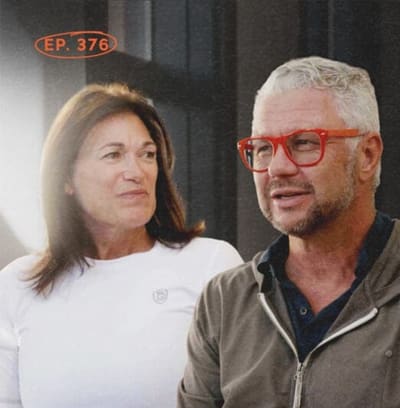
Imagine you’re walking into a car dealership to buy a new car. Now, most people don’t associate that thought with a pleasant experience—there’s negotiation, uncertainty, and the inevitability of a big purchase. But Don Flow and Flow Automotive set out to change this idea, and in doing so, they created a business founded on values and principles that manifest themselves in these words: exercise faith, live love, and bring hope. That sounds better!
In this episode, Don Flow opened up a fire hydrant of business wisdom and counsel ranging from what it means to create a covenant with your customers, how you can be the type of business that causes others to rejoice at your success, and why you should show respect before you earn respect.
We could go on and on about the things we loved from this conversation, but we think it’s best you listen for yourself. Enjoy!
Useful Links:
Driving Trust: Don Flow Video Story
2017 Distinguished Alumni Award: Don Flow
In Search of Excellence Book
EPISODE TRANSCRIPT
*Some listeners have found it helpful to have a transcription of the podcast. Transcription is done by an AI software. While technology is an incredible tool to automate this process, there will be misspellings and typos that might accompany it. Please keep that in mind as you work through it. The FDI movement is a volunteer-led movement, and if you’d like to contribute by editing future transcripts, please email us.
Henry [00:02:50] Our hope today on the podcast is that by hearing Don’s story that you might then question and say, what about my Christian faith might help me to run and think about my business in a radically different way than maybe the way it’s been done. Don’s our guest today. Don, thank you very much for joining us on the program.
Don [00:03:11] Great to be here. Thanks so much for inviting me to be part of this.
Henry [00:03:15] Don, give us as we get started, give us an overview about where you come from and some of your background that led you to the business up through maybe the first four years before you came into leadership.
Don [00:03:28] So I went to the University of Virginia as an undergraduate, and there I was, part of the beginnings of the Christian Studies Center and Ethnic Studies Center. We had tapes that we could listen to. And I listened to all of Prances, shapers, original tapes and conversations and his discussion about Christianity and how is related to culture life, which was really extraordinary, kind of a way of communicating that was different from many of those in other avenues. And so after college, I went to Labrie in Switzerland for part of the summer and studied there and learned. Then I went to recent college in Vancouver, British Columbia, to get a graduate degree in theology and biblical studies and always with the intention of coming back into business. And so I talked with my dad about a Volkswagen dealership at the time and I was get ready, go to graduate school. And he said he wants to come back with me. And so we talked good. And me said, well, we would do this on the following conditions, which were my conditions to him, which was I’d like to do every job in the dealership and get paid like that person actually gets paid. And then I like about the graduate business school and come back and partner with him and to grow the business.
Henry [00:04:44] So before you get there and I hate to interrupt, especially when you’re doing a very good job answering the question I asked, but I can’t get over the fact. And because this is something I had known that you went to Labrie and then you went out to Vancouver Frisian, because we have a couple of cultural heroes we talk about a lot at Sovereign’s Capital and on the Faith Driven Entrepreneur podcast. They have really informed our thinking. And one is Frances Shaefer. And there are five marks we have on the face of an entrepreneur Web site and one is excellence. And we always talk about paraphrasing Francis Schaffer, talking about said did agree that we do our work well, that we have an opportunity to witness and be heard. And that tagline or that thought is probably more informative of a mandate than from any other teacher I’ve ever had, including Tim Keller. And everybody knows how much on this podcast. I loved him. Keller What was it like to study under him? And and presumably then you went from there. It was Jay Packer region when you’re at. Ridgen.
Don [00:05:41] Yes, that was right when Park was. There John Scott was around, it was a remarkable time. Walky It was really remarkable time. A college. You can imagine how that shaped my life and our man quite close to Jim Houston and now I believe. Ninety five, Paul Stevens said there were a group of folks that really were extremely important to me.
Henry [00:06:01] In fact, Tim was a member of the original Inklings, right?
Don [00:06:04] Right. He actually was disciple by Lewis. And that’s why I came and started recent college. So it’s a credible kind of storyline. So one thing that shaped really impressed upon me and part of the talk I give about vocational outcall, that vocational integrity, that is the way you do your work demonstrates a profound commitment to the intrinsic value of the work itself, which opens the door to what we might call transcendence. What kind of motivates you and animates you? And we know that opens the door to a much wider conversation. So I fact I would say that it was a shaper that I first was introduced to whole concept, really vocation and how we think about calling in Christ and indirectly me to Abraham and Typer. And I end up reading much of the dush reform work over my lifetime to kind of have a deeper embedded understanding of what it looks like to live safely for Christ in every sphere of life.
William [00:06:58] I don’t want jump in either in the early intro, but I’m fasting. I don’t want to skip over the part where you said I wanted to do every part of the job and get paid like that person. I think those are two unique things. Could you tell us a little more more about where that came from and why you felt that that was a big thing you learned to do?
Don [00:07:16] So I thought that was part of in a sense, you might use the language in incarnation of coming into the setting itself and experiencing the nature of the work in itself to develop a certain sense of intimacy with the people I worked with, to know what they go through, to actually experience that.
[00:07:33] And, you know, I had my good days and my bad days with that as a technician. I was not as qualified as that as I’d like to have been. I remember once sitting there and I was fixing an exults manifold. It was rusted Todd pouring in my eyes and the nut breaks often. Look at myself, why am I doing this?
[00:07:54] I could see in graduate school right now I lost my mind.
[00:07:58] But part of that was to know what that feels like and part of the cause. I wanted to say it was that I really think about the workplace as a place where people could thrive and flourish. I want to experience all the joys, no pains and all the struggles with that. So if we try to reimagine this, what would be things we could be doing? There were different and how we approach work in itself. So as the young guys twenty three then. But I was trying to start with that process and I was starting to think about the nature of work and authority. And what would it be like for me to actually go through this in itself.
Henry [00:08:32] That’s incredible. You must have felt when you’re underneath a car that you are a world away from a mountaintop in Switzerland hanging out with Francis Schaffer, definitely a world away from that world, away from graduate school.
Don [00:08:43] And now it’s also not very competent, so hostile, so outside of my own kind of personal comfort zone, saying, wow, there are a lot of people here who love a lot less education than they were a lot better at this than I am. So it was great for me as well.
Henry [00:08:58] So along the way, you have these interactions with these workers. When did you start seeing an opportunity to do and lead in the auto industry differently than the way that the rest of the world does it?
Don [00:09:10] So I tried really from the very beginning to think that each step along the way with that. And I was very fortunate in my dad’s a very moral person and had a kind of deep conviction about treating people correctly, which opened the door for me to having lots of conversations. When I got back out of graduate business school, we had two dealerships and so I was twenty seven. I ran one and he ran one was twenty seven years old. Basically me and I just tried to figure it out. Then if you remember, that’s when the book In Search of axios came out. That was nineteen eighty three. So we wrote out a mission statement about delivering a certain level of personal, a service, an extraordinary way to every customer, every point of contact. We had a whole language which I still know all about, how we did 9:23 as a starting point and say no, we’re to be defined by this. How will we do this? What would this look like? And so my dad was great. He said, look, you’re in charge. That dealership is the way you’d like to. That’s what we did and started out by this mission statement. And from there, we sat down in groups of employees we’re working with. And I still remember one technician came up to me and said, you’re done. I don’t really believe that all this stuff like you’re doing. And I said to him, Ocilla, you’re really important to me, your leader. So would you be willing to trust me for a year not to speak anything negative about it? And this is the year. What I’ll do is give you a forum if you still think it’s stupid. I’m lot to talk about all that. And in the year ahead, remember those days? We had little calendars in there I’d written down. Go see this guy. So I went to see him before they appeared. So OK. It’s coming up. You want to have a company meeting talk about this. He said, you know, I’m still not really sure about it, but my income’s going up turn. Like people really like it here now. Don’t mess with it. Keep doing it. It’s fine. What’s really a fun conversation to be able to have and see a person, different levels of commitment to what we’re trying to do. And out of that, we actually develop this kind of model where we talk about levels of commitment to the vision, what we’re trying to accomplish and we talk about from grudging compliance, the genuine compliance to and listened to and commitment to kind of becoming an evangelist for it and kind of think about where people are in terms of their journey, in terms of what we’re trying to accomplish in the workplace. So all those were important are frame in shaping my life. And then when I got in my thirties, my dad basically said, look, I really like running a dealership and you like all this other stuff. So why don’t you buy my portion out and you run the company and you go for it? And it was incredibly kind and generous to me in that, you know, in terms of saying we’re two different people. And I had the great privilege. Not long ago to do this event for you and PTB, where the two of us did it together. We talked about our times together and kind of talked about what’s happened since. And, you know, it was one of the kind of great unusual experiences where a father looks at his son and says, I want to bless you. This is what you’re called to do.
[00:12:13] Go do this. I can see this, but that’s not what I like doing. And so in a sense, that really freed me up to start kind of imagining more sense. Now, I was responsible really fully for all the risks associated with it. And they begin to think about the business and probably codify how we want to treat customers. What kind of place we want to be the work and how we want to engage our community so that we develop. We’ll be color foundational commitments.
[00:12:41] And we call it covenant with our customers community with one another, and a commitment to the common good of our cities. And those three foundational commitments drop everything we do in the company.
Henry [00:12:54] To tell us what that looks like a bit. Tell us about if we are a customer or we come into flow automotive, how we can experience flow automotive differently than we would a traditional auto dealer.
Don [00:13:05] So what we tried to do is we started with whom he said a cake covenant with our customer is around trust, and underpinning trust is truth and transparency.
[00:13:16] And they looked at that in the Book of Proverbs, where describe the difference between the righteous and the wicked and the righteous, basically described as those who never bandaged themselves to the disadvantage of another. So we said, okay, what does that mean in capitalism to say forget the norm of what’s legal? But we did say that in those circumstances we ever bandage ourselves. So when we started looking out, was told process of negotiation doesn’t lend itself to they cause more capable negotiators win versus the person across from them. And we said that’s not the way we could relate to customers because that has a winning, losing element. So we developed the whole process where we won the person and country to basically offer our best prices upfront and not go through a negotiating process. So there’s Nightwatchman. Yeah. So likewise, in service departments, we make commitments that we would normally charge one time for price, all of our estimates all upfront. And now many people have kind of come to visit us and done some of those things that are somewhere but same way with like in the finance world, prices all fixed. I use cars all sold the one upfront price. And so that’s why we’re actually digitizing. And that’s just normal for us. Everything online, that’s how we’ve always done it. So we’re not concerned about kind of high loan negotiations. For us, it’s a natural movement to say how do we actually accelerate this? Because we lived in a transparent, symmetrical environment for a long time. We basically looked at and said, you know, if information is asymmetrical, that gives me an unfair advantage in the process. So how do we actually just make that clear? So we will show here’s all the third party valuations of your car. Here’s all what the auctions sold your car for. You can see everything how we derived out. It may call that kind of an open book process. So we allow the customer to come inside and see it, how we arrive at it and be part of the process. So, I mean, when we first started doing this runs a month old, I’d lost my mind. Like, we’ll be buying your dealership in no time, that’s for sure. Hence, we felt like, you know, if we could actually create real trust in the vernment they would. It would it would change things. One, it would make it more productive. The environment be easier and faster to do business with us would take nearly as long as the process would be totally different. And so that was like one step in the process. Now we actually we think we’ll be the place that you’ll be able to do all your transaction all along with this. It’ll all be digitized and think the. Transaction will take less than two minutes. If you want to, you’ve got it set up, which you can, DocuSign, everything, you’ll be able to actually do it a lot or you can reserve it all from the dealership. Look at yourself. Do it.
[00:15:54] Once you’re there, are you build it a kiosk and kind of do the process with a navigator or you can have a traditional salesperson help you. That all flows naturally out of this situation, which says the value creation is not in our application of asymetrical knowledge. Value creation is actually in. How do we assist you? They’ll make better decisions.
William [00:16:15] Yeah. Go one layer deeper on that. That means, you know, our customers on the podcast here can buy ten to twelve cars during the podcast. That’s pretty quick, right. Right. Two minutes. So what do we do? Again, that sounds like a mind boggling creation.
Don [00:16:32] We’ve been working with a firm in Silicon Valley now for about nine months to be able to put all this in place. It doesn’t really exist now, so they’ll take what we’ve done and be able to go out in the marketplace. We don’t have the kind of capital to kind of say we will totally own that process, but we’ll bring the financial capital and the intellectual capital to it. And really, we know what customers would like to be able to do. So they like to be and have the price upfront. Easy, right? Fully transparent. There’s enough data points now to praise cars using artificial intelligence. So we develop that internally to build to do that and bring that to market. And then there’s enough kind of pipelines in the banking world to be able to put your information in and get the operation back almost in real time and be able to do that and say for enichar to be able to go through the process like that. And then customer has a choice that they want to come into to kind of door to the car. How would they like to do this? So that allows us to free up ourselves and say that the value creation is not around the transaction. More value creation is around. How do we serve you, help you find the right vehicle? Likewise, on the server side, we are developing now considers processes depending on the car picked up and delivery again, all trying to imagine what does the future look like and how it could transportation be done with that? We were the first company in the country to have a subscription basis so you can actually not bypass for Musbah but subscribed to car and we call it flip. A car is free you like with a wide range of cars so you can drive a car today. You want to you can have a pickup truck today, a convertible tomorrow and SUV the next day. So we’re out testing all kinds of transportation modules right now, all focused on this. Can we be a place that really 30 a transportation day for our customers and a wide range that they can trust us to do the best thing for them.
William [00:18:23] As we have a lot of entrepreneurs listening in the show, most of them. How do you stay on the cutting edge here? I mean, this is fascinating to me because when I think car dealerships, I just wouldn’t have thought of this much innovation, this much new thinking going on, just not what would come to mind for me. How do you and your team constantly look at the market, assess your customer base and realize what needs to be added to make a better customer experience?
Don [00:18:49] So, you know, my experience with all entrepreneurship, it’s animated by one or two combinations of things. One. Is there a problem that needs to be solved or is there a new opportunity that could be seized that creates new value in the marketplace? So we look at where all the friction points that we think is something less than perfection. So we had this kind of model we talked about in terms of kind of our leadership model. One of the things we tried to do is we say, let’s imagine what perfection would look like. All right. Knowing this sort of heaven, we’ll never see it. So what would it look like? And then make okay, what are all the friction points in there? Can we imagine testing things that might remove this friction points and using kind of like the best of design thinking? We don’t like risk everything. In fact, we have this whole way we describe it.
[00:19:41] The difference between running out of gas in the car, running out of fuel in the plane. To really dramatically different experiences and we think the run on gas in the cars a little bit of embarrassing, but Joy’s learned from it, ran out of fuel on the plane, that’s a really big deal. But unfortunately, many times people conflate the two in every situation instead of saying, well, what are the consequences? This doesn’t work. So embarrassing. We’ll get over it and we’ll learn from it. So we’re constantly trying to test the little things to say. Did this create more value? It does make a difference if we delivered cars back to customers. Did that actually help them? If we changed what we did online, does that help them in the process? So we’re currently evaluating that every dealership got tests going on. What they didn’t. We try to spread as quickly as we can, but always goes back to that side. And then the other part of it is trying to imagine what’s possible. So the subscription based, as we said. So let’s look at the rest of the consumer products world. We now have the right product for the right occasion. You go back to 100 plus years ago, farmers often farmed in their same clothes to wear to church because we didn’t have clothes that match the occasion. So we looked at cars and we said, you know, there’s a kind of car for bouquets, but people don’t actually get to use that case. So I end up using compromised by an SUV. I don’t really want SUV all the time, but, you know, I need more details are you know, I got to be twice the years. I need a really big vehicle, but actually, I don’t need that all the time. So how can we actually manage that? So we develop that program. So that was one more like let’s look into opportunity out there to say we have all these different kinds of cars for people, enjoy transportation. Could we make that possible for them to actually experience that? So each one of those or driven out of that, it will have, you know, whiteboarding sessions and they want well, who’s going to own that? They look past that and we’ll look at what you would typically do. There’s a path. This is how close we were. And if it didn’t work, we’ll say, was it bad execution or did we misunderstand the value creation formula, too?
Rusty [00:21:50] Hey, John, I want to dig in a little on something that I did little research online about your practices and because I was actually touched when I read that you actually cap your financing. Tell us why you cap your financing.
Don [00:22:06] Because, again, he looked at me, said, you know, that should the matter is that people who are not as knowledgeable will willingly pay disproportionate to what they should pay relative to the market and relative to their risk profile. So this is not anybody doing anything wrong. On the other side, it’s not somebody coercing somebody be looked at and said to their risk profile. And then they all said they should pay X, but they’re not very knowledgeable. And so if we offered up why they pay, why we looked at and said, but that’s not market rates, really. And if they were more knowledgeable, then they wouldn’t pay that. And we do it back and said so we really said we’re about a cover of our customer. Never your band your self to their disadvantage to be a place they can always trust, to keep their promises and do the right thing for them. Then we wouldn’t do that. They just wouldn’t do it. So that alone made a decision about that, saying what does that actually look like? And so, you know, in a real sense, what we described was how do you reap personalized capitalism? And the way we think about it is if you go way back in time. So shop owners lived above their shop. Everybody knew everybody. There was a certain transparency in reality. Now we live in a much more anonymous time. So we’ve said that we were back in the old days where the banker lived next door to you and everybody talked to each other, whatever that actually looked like. And how do we have to think about that? So that became something important to us as a company to look at that, say that that’s why we’re going to function.
Rusty [00:23:40] I think that’s just great. I mean, I hope our listeners heard that around. Never advantage yourselves to someone who’s disadvantaged. I think that’s just a powerful statement. And then I also did a little research that when you talk about your face, you talk about exercising your face. And that to me, what you just explained about capping your financing and it seems like you’re exercising your faith every day in a wonderful way. And I just think it’s a great example for all of us to follow.
Don [00:24:07] Well, I think for all of us as believers willing to ask ourselves that there’s new economic system this side of heaven that fully reflects the kingdom of God, or we might say the new heavens and the new earth. And so our calling is to say, let’s imagine together what’s the closest thing to look like.
[00:24:27] I’ll tell my friends who have passes all the time. You know, you guys go about a job someday where you either do those of us in commerce, that makes it clear that the nations or bring their wealth into the city of God. So business will be transacted. So how will it be transacted? What would that look like? And to kind of imagine that and say, hey, look. Imagine what would it looks like across from another person to actually care about the other person and to say, look, Jesus said that the law could be summarized in love our neighbor as ourselves. And then of course, Paul repeats that again. Sober us to look at our lives and say not cannot do business transactions that are not animated by love.
[00:25:09] If I’m a person of faith. So what does that look like? What does that look like? Real practicality. What does that look like in terms of particularly at home, sitting in a competitive environment make no sense about the state capitals as a competitive environment? What does it look like, though? The thoughts of some of the guest and the customer and live my life felt like that. But there is a sense in which all of us get up every day for people of faith and say, Help me imagine with you, Lord, a way of doing business, aligning myself with your purposes in this world, which your purposes are always about, the restoration of renewal of this world to reflect your deepest desires.
[00:25:51] And so I think for those of us who get up every day with that kind of calling in our lives, we start with that sense of what are our deepest desires and whom do we trust and where do we find our identity. And that’s the very beginning for all of us to exercise and take.
Rusty [00:26:10] How do you align people, your employees? Because you’re full of great quotes, I may tell you, because I’ve been scribbling all afternoon. Another great quote, Henry William, you’ll love this. Those who invest their scarce labor capital with me is the way Don talks about people who work for him. How do you translate? Do you use the mission statement and the values of the company to translate your faith? Or are you more overt about the faith orientation with those employees?
Don [00:26:41] I would say that it’s probably both. We have a big orientation program. People go through and we’ll talk them over about some things we do. The slightly more unusual internally and usually some person will say, like, lady, I’ll do this. Like, how did this all start? And the person to lead that will start by saying, oh, I mean, describe Don to you. And there’s some videos we’ve done for our describe kind of a bit more about my life and what we’re trying to do as a company, which opens the door to obviously people of faith who feel really comfortable there, but which has to do in a way that so opens the door to a much wider audience where we sort of link together kind of why? How? In what sense?
[00:27:21] So why? It’s kind of. What’s the underlying purpose? What we’re about? How is the culture and the character we’re going to have and what’s actually how we going to do it in the world? So we think about those three things kind of like a tree. The wise there are the roots feed up to the chance to create the fruit to it. And so when we think about like internally and I did take very seriously in the sense that for many of these folks say and trust their families to us, because when they come to work with us, we are the source of any family wealth and capacity they have in the world and they need leaders who will take them seriously. But part of we have in this leadership model we call serve, which first letters all stand for certain words. So F stands for show respect as opposed to earn respect. E stands for earned trust. Our stands for Reach for Perfection. B stands for value input. E stands for Energize Others. That’s the calling of leaders in our company. And we all get evaluated, all that we do 360s and every leader gets the day by by the people who report to them about how well they lived out in their workplace and their leadership. But we have inside of our company. Things are now quite somewhere. A lot of places have lots of input places in small groups and conversations and whole career path development plans for people. Many mean people spend their whole careers with us and we do unusual things like we pay for the college education of all of our employees, children, all of them, because many of the guys who work with me that create a lot of our success, we couldn’t hear today because they would not have enough educational background to do software programing, old cars. They started with their corporate cars. The world’s changed a lot. And so we just realized that we will make sure that their children have the same opportunities. And we’re not a public company. We can choose with our wealth what we want. So we’ve had enormous, wonderful stories of his i–just alone. Go at it. Write me an efficient p_h_d_ program that nobody in their family ever got into college. And they’re like, I can’t believe this has happened to me. And this is just wonderful. Stories along the way, we also.
Henry [00:29:48] Say that again, the young adult was working on completing their p._h._d program because they had a family member that worked at an auto dealership.
Don [00:29:56] Right, right. So we pay enough money so they can get tuition at any state university here, not Kehlan, to be able to get through this program. And it’s you know, it’s a wonderful thing. My wife and I started almost 20 years ago when we said, you know, I came from partly for my good friend Tim Keller. We were talking about lifestyles. And, you know, as your wealth increases, healthiness in your spiritual life is about recognizing or ensuring there’s a difference between your personal lifestyle and what you can afford to do. And that for many people, their personal lifestyle just keeps escalating based on their personal capacities.
[00:30:38] And the challenge was, could you maintain a certain lifestyle and be willing to give away the rest, enable other folks to participate in things, simply take that challenge seriously. So then we also have two nurses on staff and a counselor, because I was really challenged by what’s happened to blue collar America and their lack of access to health care or lack of access to kind of institutions that stabilize their lives. We tried all kinds of wellness programs and they weren’t very successful. Look. On the one I was thinking about, I believe in incarnational theology. So he went to Wake Forest Medical Center and said, they can’t work for us. They can work for you because HIPA things requirements. But let’s just how are these nurses and does have walked our dealerships and get to know people. And of course, my CFO is like this is like a terrible idea.
[00:31:34] This could go a fortune. I said, look, we’re self-insured. So are you a doctor or a health care calls? And it goes up by X percent a year. So it’s in bed, all these calls into the deal. And let’s look what happens for one year. So that’s in line with my hey, this is running out of gas and carbon in work. So you’re one passes our power. Health care cost goes up zero. So he’s like, okay, I was a fluke. I still have next year zero increase because what happened is now all of a sudden, these people became very trusted. We set up rooms where they could come meet with folks, want a one for whatever was going on. So pretty soon they’re doing diagnosis, working with folks, connecting them. And they became highly trusted back. So trusted like our employees. When one go on vacation, they’re like, we can’t have you leaving. You really help us out. And they ended up being confident.
[00:32:25] And that led to bring in a counselor on board that they could actually talk about deep personal problems or family issues. Opioid issues in families, all the things we read about regularly are real life stories, and we realize that we are the institutional connection for many of them in their lives. They’re all people I know. Well, I said. Let’s see if we can actually help them flourish more in their lives by that. And so those are just examples of I was deeply concerned that many of the folks financial literacy is inadequate for kind of trying to plan their lives. So we developed this financial literacy course and we make a $250 contribution into their four one K if they’ll go through it. And it’s really helped them understand how to buy insurance, how to finance the house and the basics of life that many of us might just find normal as we kind of navigate through our capitalistic culture. But for many of them, it’s not something they understand or know a lot about. So we tend to open the door so that their life as well.
Henry [00:33:25] Have you seen anything like that in a company on chaplaincy at all? When you talk about counselors in the deep needs that they have?
Don [00:33:32] Yeah. So we looked into chaplaincy programs as well. We actually have a number of pastors quite close to who also have been involved with us along the way attorneys. And we have, you know, a wide range of folks. So it’s very pluralistic culture in a lot of great stories about you can think the fun sides of all these arrangements. I have one dear friend runs one of our companies and we have this whole thing. We want our leaders, soul mates in the hospital go visit in the hospital, we go to weddings, etc. And so he’s in the hospital and the family is all gathered and they look to him to lead the whole group in prayer. And he can, from very traditional Catholic background and kind of spontaneous prayer is not what they do in their tradition. And all I can think of is like last rites. The rosary is like the right thing. Tickle is with we. We have to have a chaplain.
[00:34:21] I cannot pray like you have Angelica’s price, but it’s fun part of daily to say how do we really care about people?
[00:34:30] And so that actually starts with my underlying anthropology for us when we use the word show respect that has very different meanings and earn respect that show respect says the person has intrinsic dignity for a dollar. Said the ability to produce and. So that means how we treat people matters all the way through, because most of our culture today really looks upon people in terms of having only extrinsic value. If you can’t produce, then you don’t deserve to be treated well.
Henry [00:35:00] Intrinsic value is a karlis of their ability to produce.
Don [00:35:04] Because they’re human beings. They in the image of God. So if you look at the person, you know, using lowest kind of quote, if you could only be that person Sunday as there was, will be or could be. And so we talk about what that means in terms of the workplace and personalization. People’s names, how you engage with people. Flexibility we do with folks. And ending we found was that how can we enhance people’s family life? And so we’re all used today that being told that being a good father, a mother is showing up for our kids events and being in places. The truth of the matter is most of blue collar America can’t do that.
[00:35:41] So we said, well, that’s not fair, because for us, as we think about leadership, we don’t think that’s supposed to give us privilege, that’s supposed to bring responsibility with it. So we’ve said, well, that seems to be an acceptable privilege and we are getting that cause. We are in leadership positions. So we said, how do we make it said that anybody in our company can go to any kids thing any time. And then that led to how do we start with kind of flex time?
[00:36:04] That particularly encouraging working families to build us, say we want to work with you to help make your family life work so we can have technicians start up to a three hour period difference based on when their wives are working out how we can work this together for the family. We think businesses got to think seriously about what can we be doing to encourage the healthiness of families in our president cultural moment.
Henry [00:36:28] And then, you know, Don, a lot of the things that you’re talking about, I think could probably be applied to some other industries and some other employers and business owners that are listening to this. But I have to ask along the way and you’ve got to firmly has you in the auto world, 15 hundred plus employees, 36 dealerships, you’ve got more than enough to chew on. And if you take your eye off the ball too much, you won’t be able to think about innovating and where God has you. And yet I imagine that in the last 30 plus years, you’ve seen some other industries and said, gosh, if I could get freed up, I think that this industry needs to be done better. Is there anything that comes to mind about the way an industry is being done? There’s just broken and just ripe for the type of disruption you’ve brought into the auto industry?
Don [00:37:10] Well, so I think that any industry today that looks at its value transactions, how it engages with its customers and engages internally, has an opportunity to rethink kind of the nature of that engagement.
[00:37:27] And, you know, the things that we talk about, we look at this planning, we start off and draw a big circle. I may say so. This is the law. This is this big circle. And they will say, let’s tell you all the things we could do on the law. And people go, oh, you can’t do that. Terrible. Really? What’s legal? Why can’t we do that? I know that you just shouldn’t do that. You shouldn’t. So when you say they shouldn’t. That means there’s something else inside of that circle called the law. And so it’s really interesting. We keep working through that. We’ll work through that with the groups, you know, and this or they get tailored to almost every single time you know it is you should just treat people like they’re your neighbor or write that down.
[00:38:07] Say, know I heard that somewhere sometime, huh?
Henry [00:38:10] Yes. Well, you talked about that, too. And that repor civilization of capitalism, which is another I don’t know if our listeners are writing these down as they come up, but you’ve got these catchphrases. They’re really, really cool. And that’s, you know, is what if you actually thought of the person as your neighbor is like this reaper’s analyzation of capitalism.
Don [00:38:29] So I’d swear for me, kind of debarkation of a Christian. You know, we think about exercise, faith, and I call it levelof and bring hope. So that’s the vocation that should be infusing all of our activity in the world, sort of ask ourselves how we actually exercise their faith, then how do we look like we are living love. So that’s an act and not an abstraction. And then, you know, Christians, we can’t be in any situation. We’re not bringing hope because that’s who we are. And what is our presence look like when we come into a space? And, you know, we might ask ourselves, frankly, is that the distinctive that we bring in our present cultural moment? And it’s both a challenge to us and hopefully inspiration to us to say that’s what I’d like to be. And I know I come up short every day with it, but it feels like to me when I look at the life of Jesus and the testament, that’s what he did.
William [00:39:26] That’s a perfect Segway, Don. This has just been a incredible time. And I can’t wait for our listeners to get a chance to hear this. But one of the things we do love to ask at the end of each episode is where’s God taking you right now? You know, maybe in this season, maybe in a day, maybe over the last few months. What what part of his word is coming alive? Maybe in a new. Or a different way to you and maybe point our listeners to some encouraging words from his word.
Don [00:39:51] In the early 1970s and was also the first generation to go to integrated schools in the South and something that has really stirred my heart that I’ve been deeply engaged in in the last year has been looking at racial reconciliation and specifically at the way that churches in the South are not engaged with one another. And for me, it’s been great to kind of visit again. All of Paul’s language, it really challenges to say, what does it mean to be members one of another and to be connected to one another, to imagine ourselves for eternity, really, as members, you know, organically and deeply connected and to cross over those boundaries in life and to say what does that look like in this moment of time for Christians to extend themselves? And I think about Jesus being described by Paul and Philippians as empting himself and really extending himself in ways that brought light to all of us. And so in my life, that really feels like something very important that we need to be doing as Christians in this time, and particularly those of us who have wide networks that we could enable people to access those who don’t have access. And what does it look like for those of us who are sitting in places that could really extend themselves in a way that would bring healing and break down barriers? And my hope is that we’re in a time where there might be kind of this new light that would come back into our churches and we might indeed see ourselves as people who are giving witness or ambassadors for this reconciling work of Christ in the world. So that’s really something for me when I look at the racial divide and the issues of intergenerational poverty and think about where do those of us who have means kind of engage in what specifically does it look like for me to extend myself as a human ended up place and say, how might I live, love and bring hope here?
Henry [00:42:15] Beautiful. Well, for those listeners who are thinking about buying a car, there’s some airports near some of these dealerships that Don owns. Or maybe you just go into your dealer and just ask them their take on racial reconciliation. Absolutely amazing. This has been a special blessing for us. I’m grateful for your time and the way that you’ve thought through this. I have a thought and very much a hope that this will be one episode of many. I know that you have a framework that you have spent a lot of time thinking about. And if you can help walk our listeners through that framework in a different serious, I, for one, would be a beneficiary and be better for it. So thank you for today.
Don [00:42:52] Very grateful. Thank you, guys. They’d be my privilege. You know, I’m in this time of life. I really hope that one of the things I can do is to encourage next generation of Christians who are in the marketplace to open up their imagination and to allow their faith to really as father imaginations and allow their faith will inform their actions and demonstrate just thinking about what it means to really be a follower of Christ. So thank you.