This article was originally published here by OCEAN
— by Scott Weiss
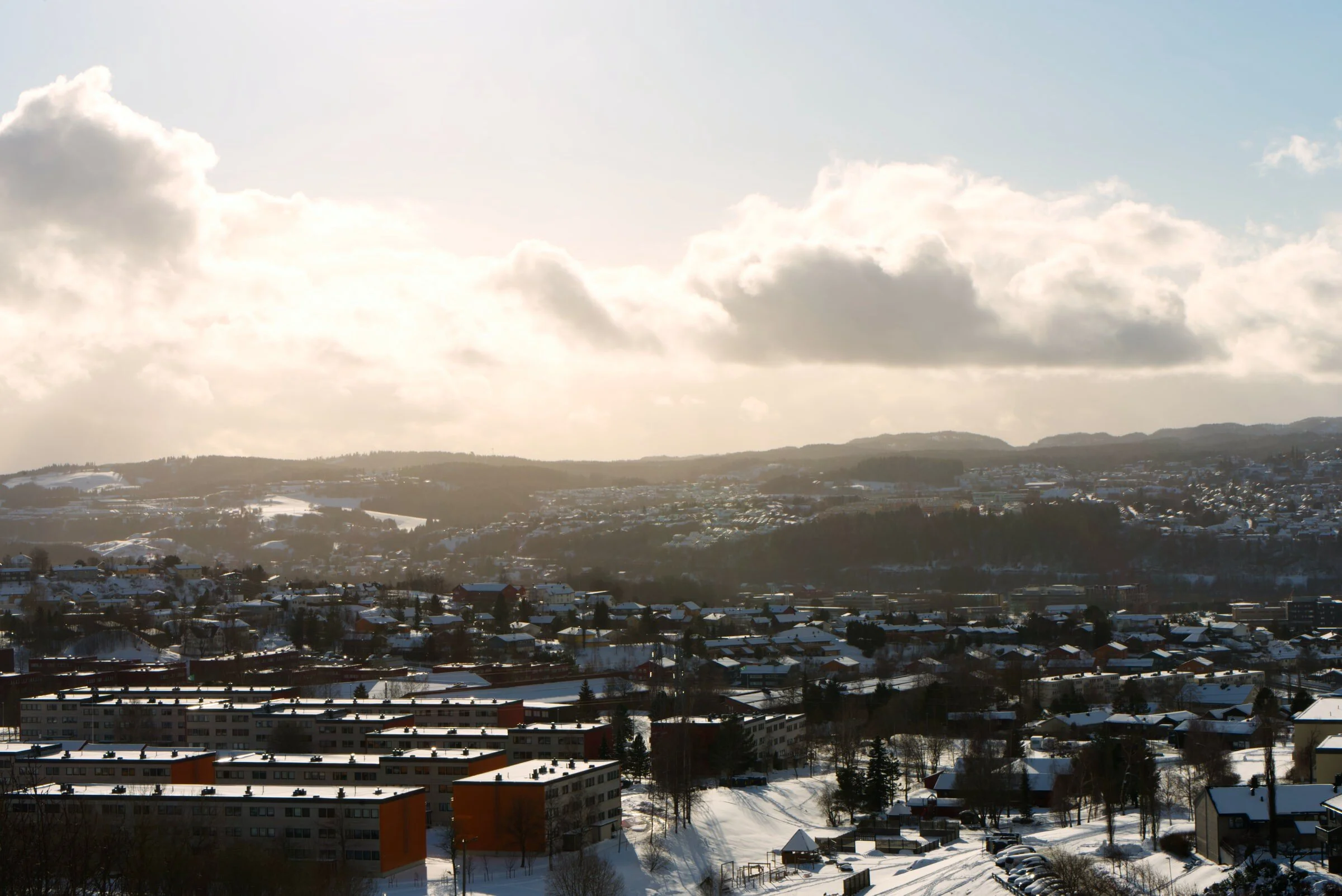
I once lived in beautiful Colorado. Loved it. Spent as much time in the mountains as possible. Hiking, camping, rafting, and, of course, skiing. Mostly cross country and occasionally downhill. Every October through March, my morning routine included reading the daily snow report and looking for chances to get out and ski.
Every winter would also bring avalanche risk reports. Avalanches begin when an unstable mass of snow breaks away and slides down a mountainside. It can quickly become much more as it snaps off trees and scrapes up boulders. Speeds can range from 80 to 200mph.
How do you survive an avalanche? Here are some things that you don’t do. You don’t stop to watch it. The mass of snow, rock, and trees will bury you, and you’ll likely die. You also don’t try to outrun it. Can you imagine skiing 100+ mph?
What you do is counterintuitive. Take off your skis and swim. Jump as the avalanche hits and move your body to the top of the flow. Use any stroke that works or just thrash your arms to stay on top. You can’t control where you go, how fast you go, or where you end up. But, you dramatically increase the chance you will survive.
The COVID pandemic is creating an economic avalanche. Events are rapidly overtaking entrepreneurs. Doors are closed. Funds are dwindling. Team members are working at home, have been furloughed, or painfully laid-off. Strategic projects have been altered or put on hold. An avalanche.
It’s not clear how deep, how long, or how broad of a recession we will experience. But, if you’re frozen by the flood of news, checking every feed, tightly holding onto your plans and waiting for things to return to ‘normal’ – that’s like a skier stopping to watch an approaching avalanche.
Perhaps you have committed to the plan you put in place in January and believe you can outrun this economic avalanche? Good luck with that, and watch out for that boulder coming up fast behind you.
You survive by swimming. You recognize you’re already in the snow flow and you have to move with it or risk getting buried. Ann Thompson, co-founder of The Garage Group and an OCEAN board member, eloquently defined what swimming looks like for an entrepreneur in her recent post featured on OceanPrograms.com ‘Media’ section titled “Now Is The Time To Pivot”.
As an entrepreneur or business leader it’s critical you understand the economic and marketplace implications of the avalanche, but as a veteran of several economic calamities, I’m also acutely aware of the spiritual avalanche that is rushing toward each of us.
The disciple James wrote a power-packed, short letter that is found in the New Testament, and as one of Jesus’ closest friends, he knew a thing or two about pain and suffering. James 1:2-4 says, “Consider it pure joy, my brothers and sisters, whenever you face trials of many kinds because you know the testing of your faith produces perseverance. Let perseverance finish its work so that you may be mature and complete, not lacking anything”.
Nothing about this pandemic elicits joy for me. Except. I have the time to regularly walk. I noticed tulips at the entrance to the closest park. Probably been there for years. This year, I saw them and was, however momentarily, filled with wonder, and hate to admit it, joy.
Finding a bit of joy on a walk was fantastic but it took me back to the verse. It became clear to me the point James was making was ‘to persevere’. “Not only so, but we, also glory in our sufferings, because we know that suffering produces perseverance; perseverance, character; and character, hope”, Romans 5:3-5.
Carol Kent wrote in A New Kind of Normal, “When have you experienced the above progression in your life – a time when perseverance led to character and character led to hope? If you’re not there yet, it’s okay. This process doesn’t usually happen overnight. Do you feel you are struggling with the “waiting” part of perseverance, or have you moved into a time of character development, or are you now in a place where you have experienced hope that you can communicate to others?”
I need to swim economically, or as Ann wrote, “now is the time to pivot.” I can swim. I swam during the 1997 Asian currency crisis and the 2008 ‘Great Recession’. I led businesses during both and the businesses survived.
But, I didn’t persevere. I didn’t see the need to lean into my faith so that my character could develop. I came out of each crisis spiritually smaller. Less faith meant I was less ready for the loss of my father, the loss of my job, and the significant needs of one of my children. I was often ‘hopeless’ – a terrible, zombie-like experience.
Honestly, I don’t welcome this pandemic trial. But, it is clearly an opportunity for all of us to persevere. So, I’m making sure each day includes more time alone with God. I’m setting reminders to engage in intentional prayer. I’ve started a gratitude journal so I don’t miss and forget moments of awe that bring me in touch with God.
My days begin early so I can spend time alone with God. I begin by skimming my journal entries for the prior few days. Then I read the Bible to look for a phrase or a word that impacts me deeply. This is not a Bible study – those are good and work well in groups. This is personal. I journal about the word or phrase by applying it to my life. Questions emerge. Insights appear. This writing is the way God connects the dots and deepens our relationship.
Intentional prayer is a scheduled commitment with a reminder on my phone. Purposefully setting aside time to pray calms me by connecting back to God. Every prayer begins by praising God and affirms him as Creator. I intentionally thank him for loving me. I repent my many sins. Often I stop there but usually raise up someone or something. I then just sit in silence and wait.
Gratitude journaling is a new tool that began as a response to this pandemic. So much noise. So many problems. Blinding and deafening! It’s really hard to persevere, day after day, without encouragement. And encouragement is available every day. Small things. Big things. Private things. Public things. I’m learning that a gratitude list matures my ability to see the beautiful, the kind, and the heavenly. Gratitude balances struggle to enable perseverance.
In an avalanche, we swim. It’s not the Olympics. Doesn’t matter how we swim – just swim! Find the spiritual strokes that work for you to persevere, develop character, and fuel hope.
If you enjoyed this, check out another hub that identifies Pressing Questions, that sources all our content by category.
——
[ Photo by Will Turner on Unsplash ]







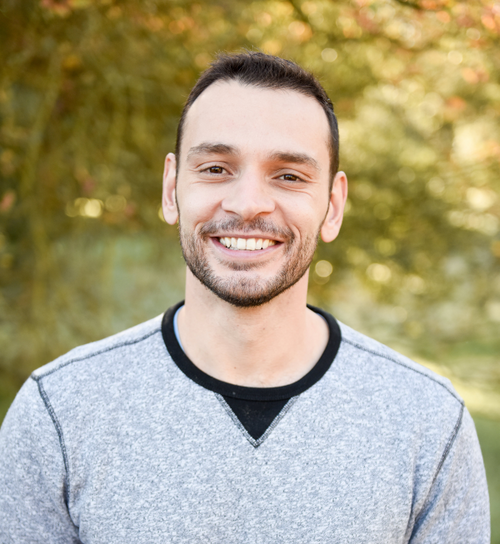

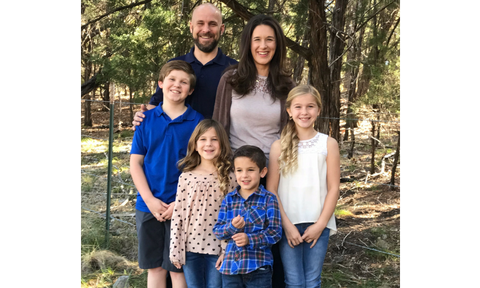








There are some things in life that you cannot fully understand until you experience them, and I would venture to say that founding a startup is one of them. I knew it would be difficult, but I underestimated the difficulty and the depth of which the experience would penetrate my whole self and the ripple effect it would have on all aspects of my life.
In 2011 God called me out of my comfort zone and into a journey of entrepreneurship. In His wisdom and grace, He opened my eyes to a problem, gifted me an idea, and aligned the burden on our hearts to pursue a dream that would somehow glorify Him! …