This article was originally published here by Christianity Today
— by Peter Greer & Ashley Dickens
We’ve long preached sustainable development over handouts. The pandemic forces us to change our approach—for now.
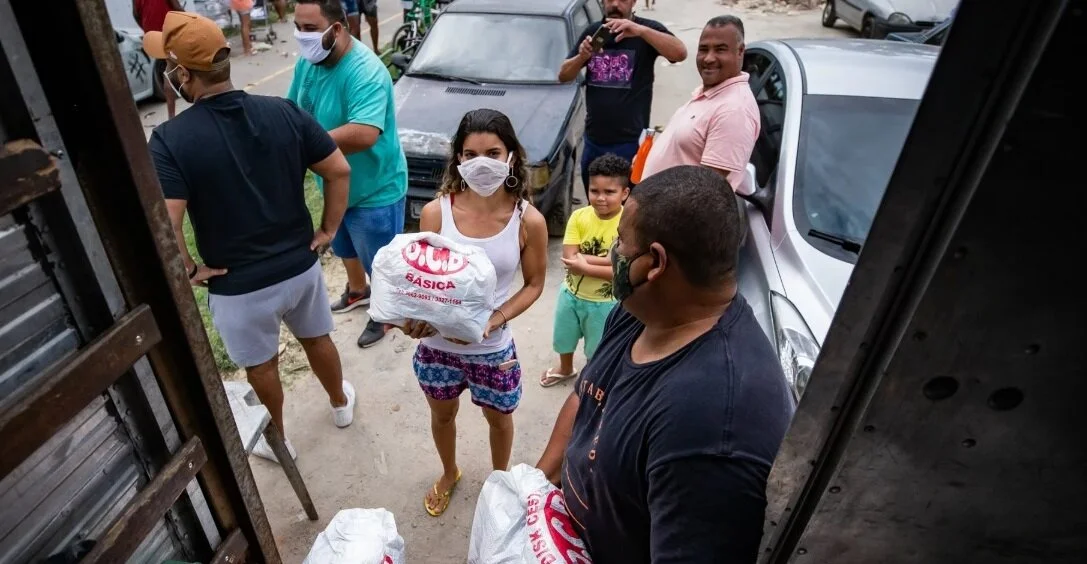
The coronavirus pandemic is having a devastating economic impact on people living in global poverty. We are in a moment that requires immediate, full-scale relief.
Such a statement may come as a surprise to those who know me. As head of a Christian organization focused on economic development and microfinance, I have been a vocal critic of indiscriminate charity and long-term handouts. Too often, misapplied relief is like a Band-Aid stuck on a broken bone. Instead, it’s jobs and sustainable development that can make a marked difference in the lives of individuals, families, and even entire communities.
Spending the last 20 years in international development, I’ve seen firsthand how charity efforts have not only failed to help but have caused lasting damage in communities around the globe. Books like Dead Aid, Toxic Charity, and When Helping Hurts have put to paper what the world has experienced when aid has been misapplied.
Yet, over the past few months, even this pro-business, pro-entrepreneur, and pro-sustainability leader has become pro-relief. We’ve seen the coronavirus pandemic wreak havoc across our world—precipitating country-wide lockdowns and sending the global economy into a tailspin. The impact is even more severe among families living in poverty. Many of these families were the least equipped to deal with COVID-19 and have been the most devastated by it.
In the wake of an emergency, families do not need another microloan, more skills training, or even a safe place to save their money. Right now, from India to Zimbabwe, people living in poverty are telling us the same thing: We need relief, and we need it now.
Pivoting our priorities
Some economists estimate that the impact of COVID-19 will send some countries back 30 years in their fight against extreme poverty. We’ve heard from men and women in low-income countries that their primary concern right now is not fear of the virus; it’s fear of starvation. The virus creates a “crisis within the crisis,” where the health emergency exacerbates food insecurity and poverty.
At HOPE International, we’re seeing the devastation caused by COVID-19 play out in real time. Farmers are eating their seeds to survive—leaving them with nothing to plant in the future. Entrepreneurs who raise livestock to sell are now living off of them. Shopkeepers are eating their inventory. As threats of hunger loom large, the small businesses that entrepreneurs have diligently built over many years are crumbling before their eyes. And for most of them, there will be no government bailouts or safety nets.
It’s not just about food, either. For many living in poverty, it’s an unimaginable luxury to even be able to follow the global health guidelines to prevent the spread of the virus. For example, social distancing is nearly impossible for families in crowded slums, and extra hand washing is especially difficult in places without regular access to clean water. Should they become ill, people living in poverty are the last to receive limited resources like tests, medical care, and ventilators.
Thankfully, we’ve seen the world spring into action. The United Nations (UN) sent life-saving supplies to frontline workers and food to the most vulnerable. The World Health Organization (WHO) shipped personal protective equipment and 1.5 million diagnostic kits to 135 countries. And organizations like Preemptive Love, Partners Worldwide, and Plant with Purpose are actively responding to vulnerable families in need.
At HOPE, we’ve pivoted our priorities to extend love and relief to our global neighbors during this time. We’ve distributed funds through our trusted church partners so they can immediately provide food, PPE, and other needed provisions. We’ve also stepped in with a “stimulus package”—extended grace periods in country-wide shutdowns, rescheduled loan terms, and provided prayer support—to help entrepreneurs weather this storm.
We want to look back on this time and know we did everything possible to care well for families in their moment of greatest need.
From Relief to Rebuilding
In his book Toxic Charity, Bob Lupton writes, “When relief does not transition to development in a timely way, compassion becomes toxic.” Over the past five years, I’ve noticed a gradual shift toward this line of thought, as individuals and organizations have begun to more widely understand the difference between charity and relief. It’s why we saw Toms pivot from their “buy one, give one” model to intentionally working to create long-term, sustainable jobs in some of the places that they operate. It’s why we’re seeing people in the American church begin to support not just the child sponsorship programs that have historically garnered enthusiastic support, but organizations like Noonday Collection that focus on job creation.
As we rally and dispense desperately needed relief, the challenge is to respond to immediate needs while simultaneously preparing for the recovery and rebuilding. It’s a time to navigate the delicate relationship between relief and development, not as two separate activities but as one unified and long-term response. If we aren’t developing a plan for years down the road to help jump-start economies and strengthen communities, if we aren’t investing in entrepreneurs, the devastating impact of COVID-19 will persist. Our relief efforts will once again become simply Band-Aids on broken bones.
As Brian Fikkert and Steve Corbett share in When Helping Hurts, effective relief is immediate and temporary, but rebuilding is sustainable. In responding with immediate relief but then transitioning to rebuilding, let’s ensure that people have the tools they need to rebuild their own businesses and livelihoods.
When economies reopen, entrepreneurs will need capital to restart their businesses and rebuild what has been lost. After a disaster, there is an inescapable need for recovery lending; businesses and economies are unable to start up again without it. With that in mind, HOPE and other microenterprise development organizations are preparing to stabilize their businesses and make up for the losses incurred.
In this current moment, we need to move forward with short-term, immediate relief and a long-term, sustainable plan for the future. We need to help people weather this economic storm and, as quickly as possible, empower them to return to work. This is the crisis of our lifetime. Let’s prepare families to survive the immediate needs of today and ensure that they’re able to get back to work and provide for their families tomorrow. May we respond with courageous compassion and wisdom in both the relief and the rebuilding.
——
[ Image: Buda Mendes / Getty Images ]














Poverty
Poverty
When faith driven professionals focus on this market-creating innovation mechanism, they have even more of an opportunity to significantly change culture in a country.
Read More →
Poverty